
The best Android browser isn’t on the Play Store. Here’s how to install it
Chrome who? This browser plays by different rules.
Search
Results for "Browser".
Chrome who? This browser plays by different rules.

AI agents can control authenticated browsers, interact with corporate applications, and access sensitive data while appearing to act as legitimate employees.
Informações técnicas registradas a partir da fonte Android Authority sobre News, Browsers para consulta rápida e aplicação segura em tarefas digitais.
Browser-based attacks can steal sessions, abuse extensions, or manipulate users without creating the endpoint artifacts EDR is designed to detect.
The free add-on Tuck brings one of the best features of modern email—the ability to hide something for a bit—to that tangle of tabs in your.
BragJack, a proof-of-concept attack from Forever Security's Gal Weizman, hijacks the AI assistants in Chrome, Edge, Opera Neon, Perplexity Comet, and Claude in Chrome using one malicious extension.
A banking malware operation active since mid-2025 has been using a toolkit named KREMLIN to install malicious Chrome and Edge extensions that steal credentials, session tokens, and sensitive data.
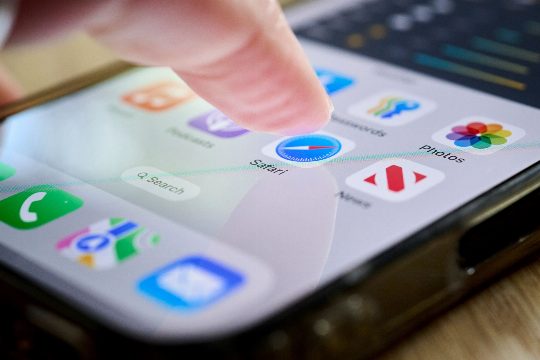
Apple’s Safari browser gets a few helpful automation and personalization features in iOS.
Multiple extensions for Google Chrome and Microsoft Edge delivered a malware framework that deployed modules to steal cryptocurrency, sensitive data, and browser history, as well as inject ClickFix lures.
The latest version of the Brave browser, 1.94, introduces a feature called 'Email Aliases' that allows users to generate disposable email addresses when signing up to a new service.
A new information-stealing malware called AmnesiaStealer, which targets macOS users via ClickFix attacks, includes a streaming module that allows the attacker to interactively control the victim's web browser.
Chrome flags may be experimental, but that doesn't make them any less useful.
AI did not create a new browser security problem. It exposed one that enterprises have long been able to ignore.
Researchers at security firm Zenity found more than a dozen flaws in AI browsers—and managed to get OpenAI’s Atlas to make an unauthorized Amazon.
A new Russian loader-as-a-service named DOUBLECUP uses ClickFix attacks to hide malicious code in PNG images cached by victims' browsers, ultimately delivering CountLoader to Windows and macOS devices and a new remote access trojan named.
A massive malvertising campaign is using fake Solana, Luno, and TradingView webpages with malicious JavaScript that instructs browsers to assemble malware directly in memory.
The Chaos ransomware gang is using a new backdoor dubbed msaRAT that hides command-and-control (C2) communication by routing it through the Chrome or Edge browsers.
ChatGPT Atlas didn't make it, but plenty of capable AI browsers already.

The ChatGPT Atlas browser won't make it to its one-year.

DuckDuckGo announced that its browser can now block most video ads on YouTube, including those shown before the video starts playing and during playback.

This summertime update is packed with new features, usability improvements, and expanded device.

Chrome may roll out a guide for setting up your default browser that even your parents can.

A new prompt injection attack dubbed "BioShocking" could trick AI-powered browsers into treating real-world risky actions as part of a fictional scenario, causing them to ignore any safety guardrails.

BioShocking makes the browser think it's playing a game, and some vendors haven't fixed.

The Bluekit phishing-as-a-service platform continues to evolve with nearly 70 new hostnames identified over the past week and by adding browser-in-the-middle capabilities for improved data theft.

Modern browsers like Chrome, Safari, and Firefox offer a feature called Copy Link to Highlight that allows you to share a specific paragraph or sentence by creating a URL that highlights the relevant text in the recipient's browser.

Phishing, shadow AI, malicious extensions, and credential theft increasingly happen inside the browser. Keep Aware explains what the 2026 Verizon DBIR reveals about browser-layer security gaps and modern attacks.

The Windows version of the Hola Browser has been compromised in a supply chain attack that delivered an undeclared executable identified by researchers as a cryptocurrency miner.

AI-powered attacks and shadow AI adoption are creating new security risks inside the browser. Push Security explains why browser visibility is becoming critical for both threat detection and AI governance.

A selected YouTube video about Linux, with context from The Linux Experiment and a practical checklist before watching.