


Ryobi's aisle is full of tools I bought on impulse, bracing for them to quit on me early. Plenty have proved me wrong for years now. None of the five here ran me more than $100, and I caught three on sale for noticeably less. That's the part I keep returning to: each one quietly erased a problem I'd been working around, and what I paid never matched what I got back. Every price below is the bare-tool cost, the number that matters once you own a couple of ONE+ batteries. If you've written the brand off as cheap junk, I'd push back on that, and these five are where I'd start.
Tire inflator
The $40 tool I should have bought a decade sooner


 Credit: Jonathon Jachura / MUO
 Credit: Jonathon Jachura / MUO
 Credit: Jonathon Jachura / MUO
 Credit: Jonathon Jachura / MUO
 Credit: Jonathon Jachura / MUO
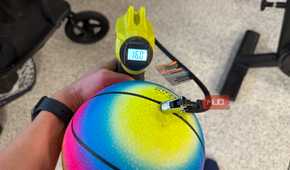
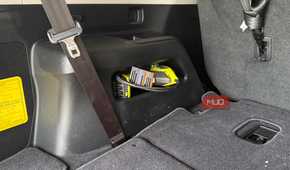
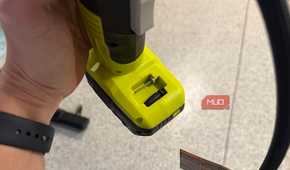
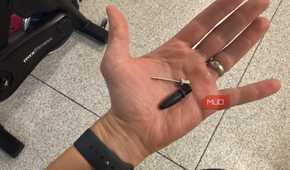
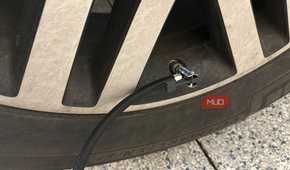
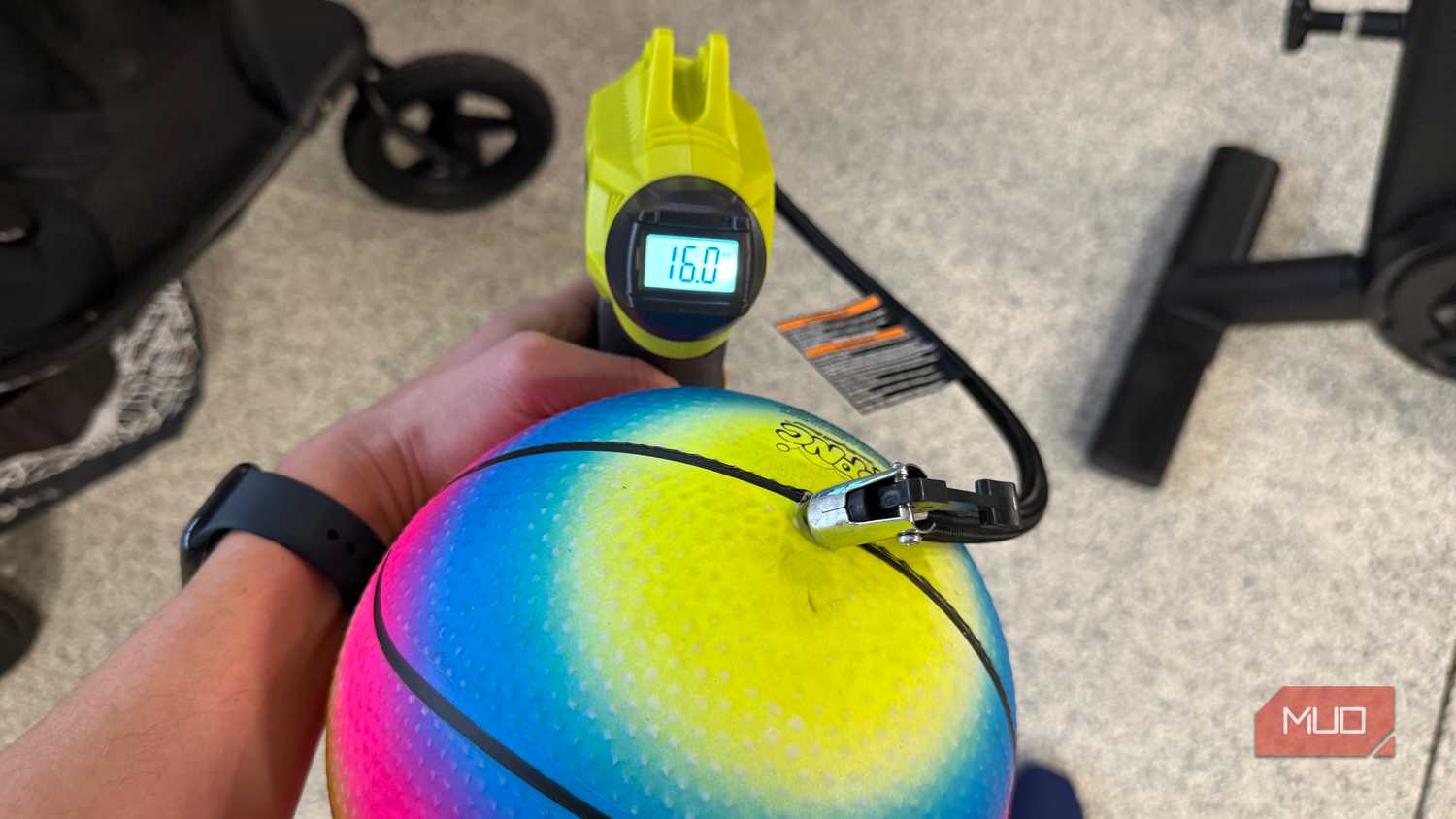
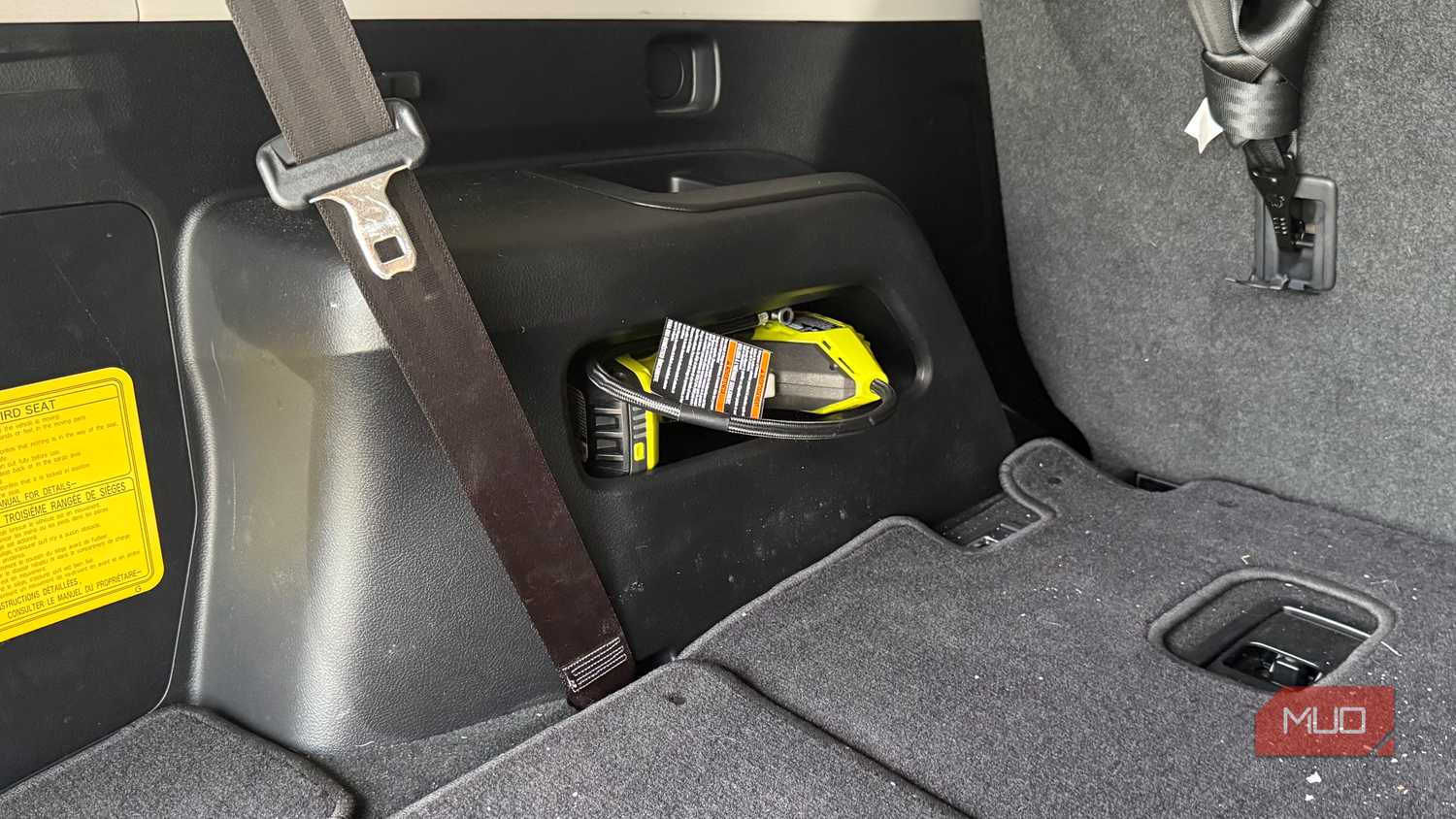
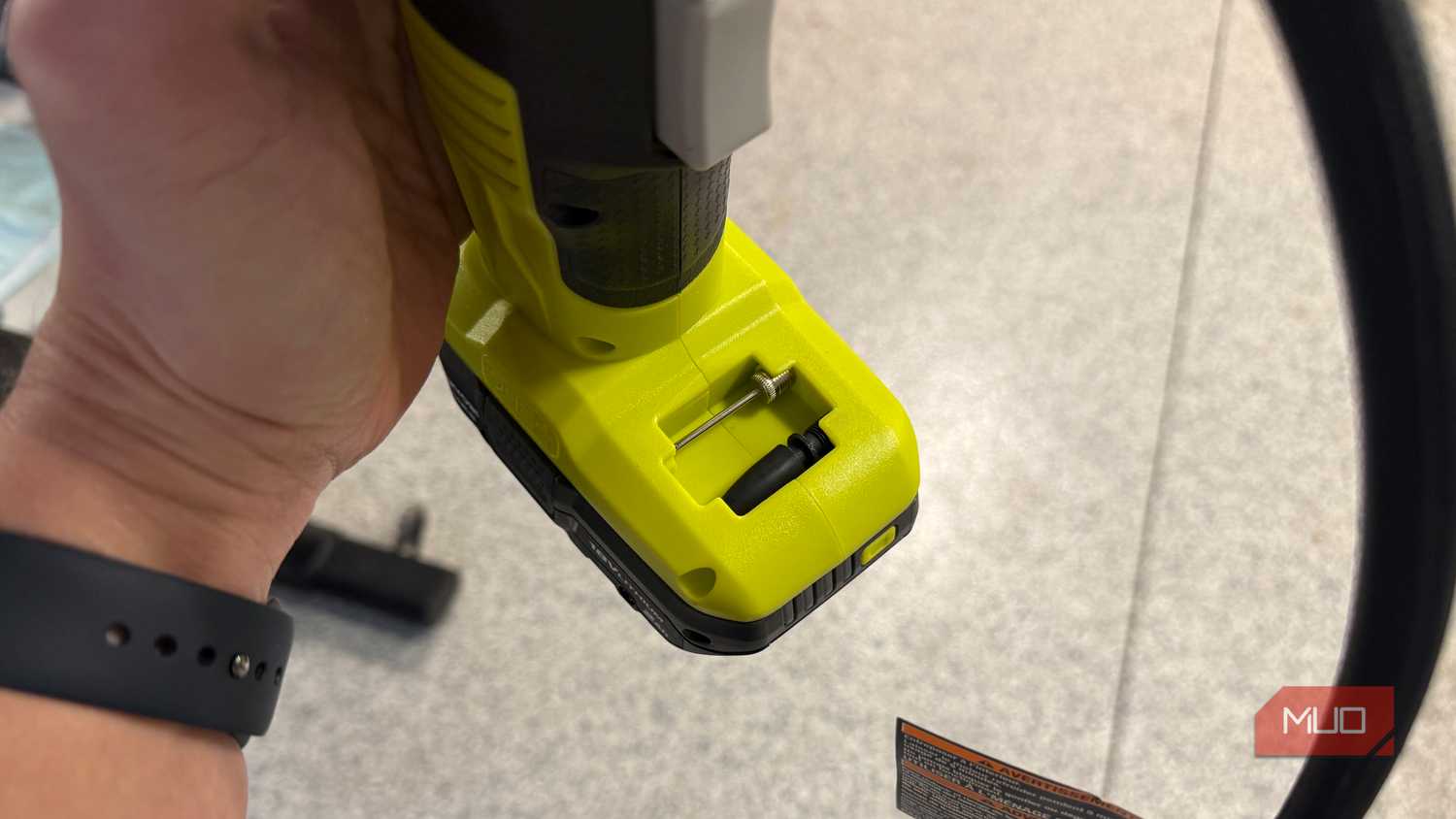
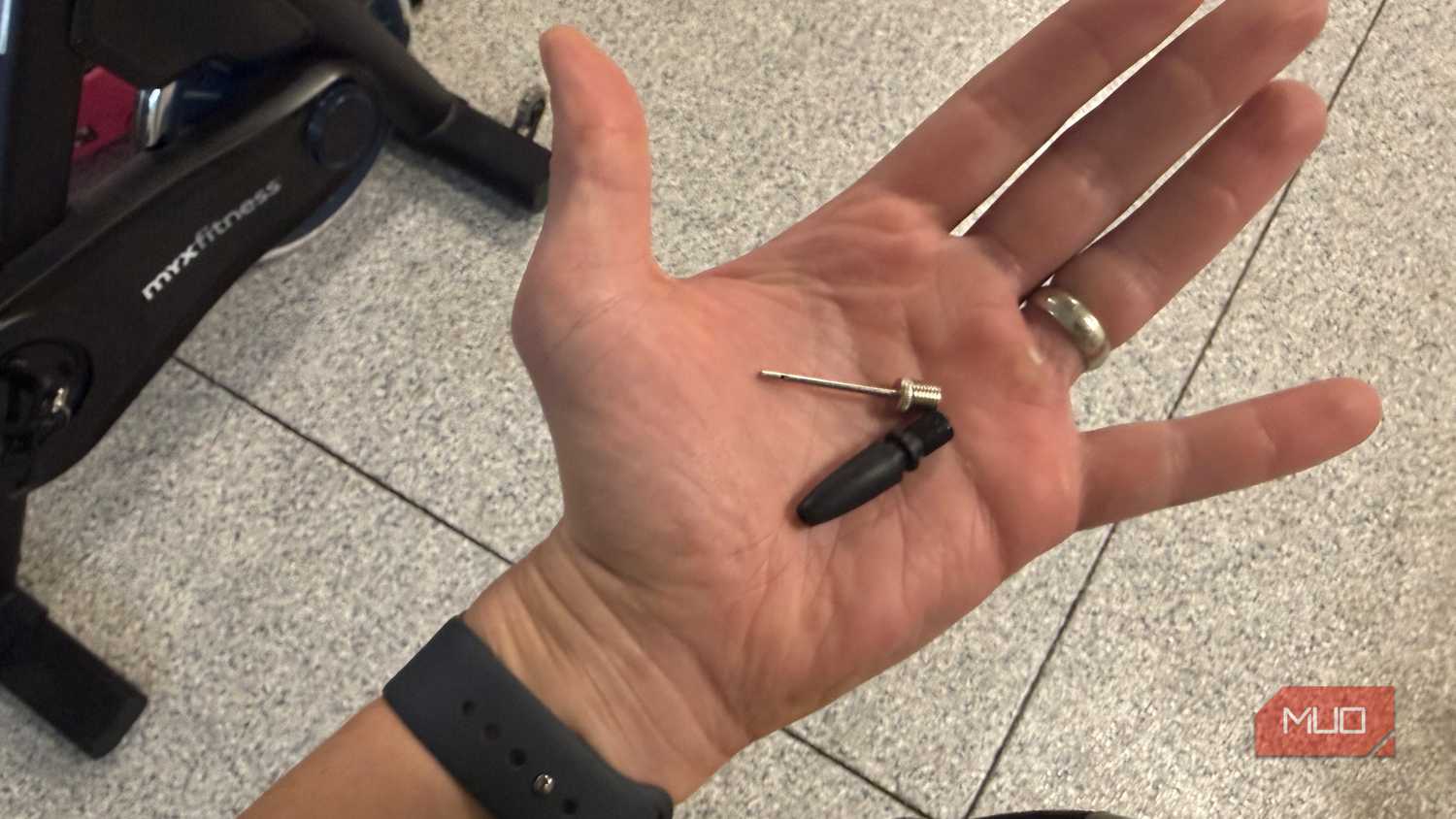
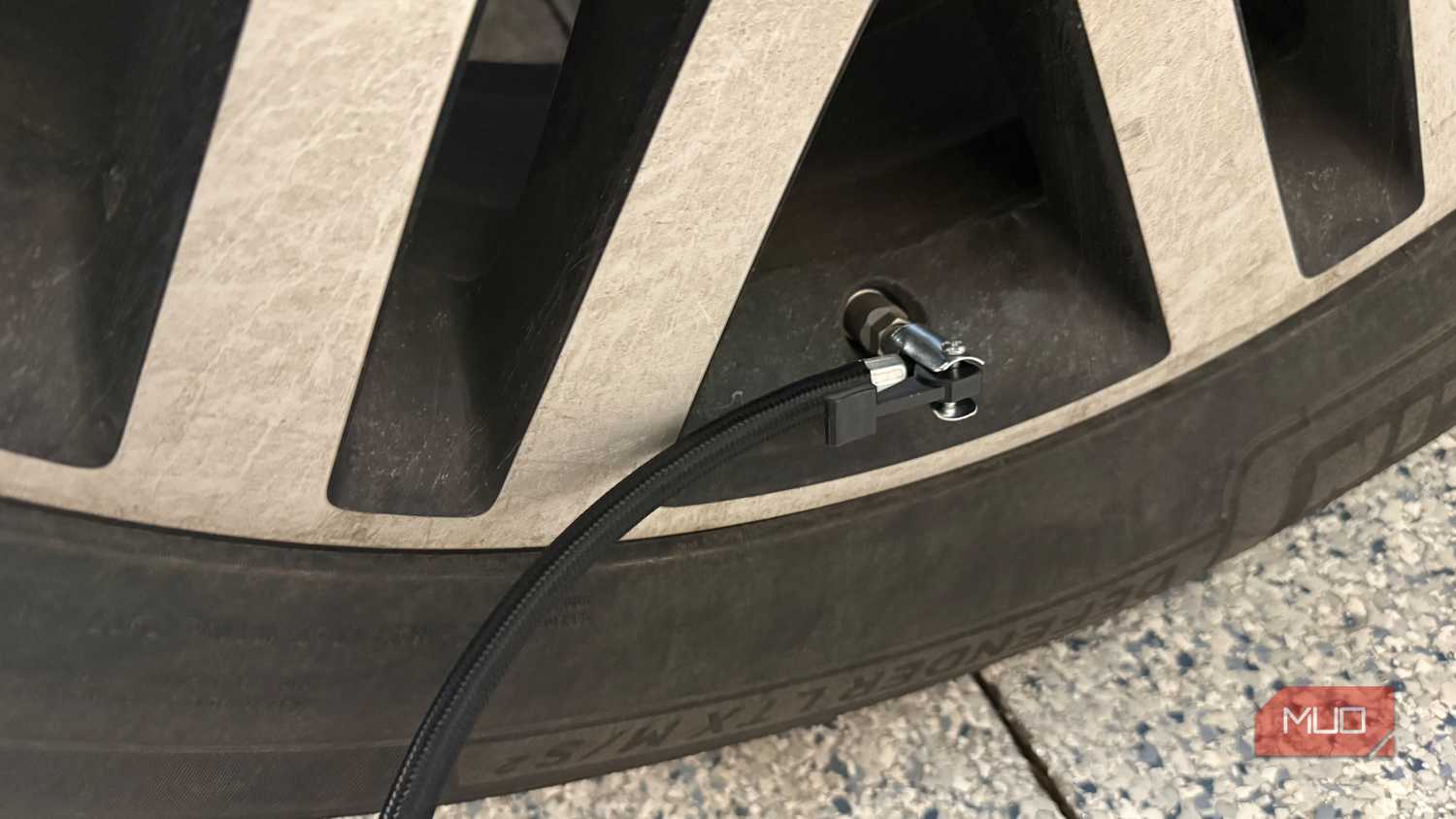
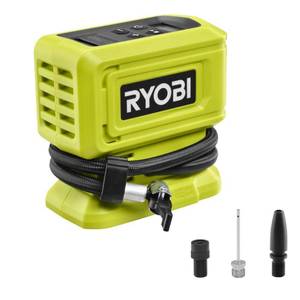
My Ryobi tire inflator climbs to 160 PSI and shuts itself off the instant it reaches the number you set. It runs about $40, and I've watched it fall closer to $25 on sale. It rides in the back of my 4Runner. One tire has a slow leak, I keep meaning to fix and never do, the sort that sheds a few pounds over a cold night. Instead of tracking down a gas-station machine and feeding it quarters, I top off the tire in my own driveway in under a minute. Every spring it airs up my kids' bike tires while the hand pump stays in the shed. It firms up the soccer balls that always seem to deflate the morning of a game. The built-in gauge reads a touch high, so I confirm anything important with a separate one. For $40, that's the only catch worth mentioning.
Random orbit sander
How a roadside bench became the nicest seat on my patio

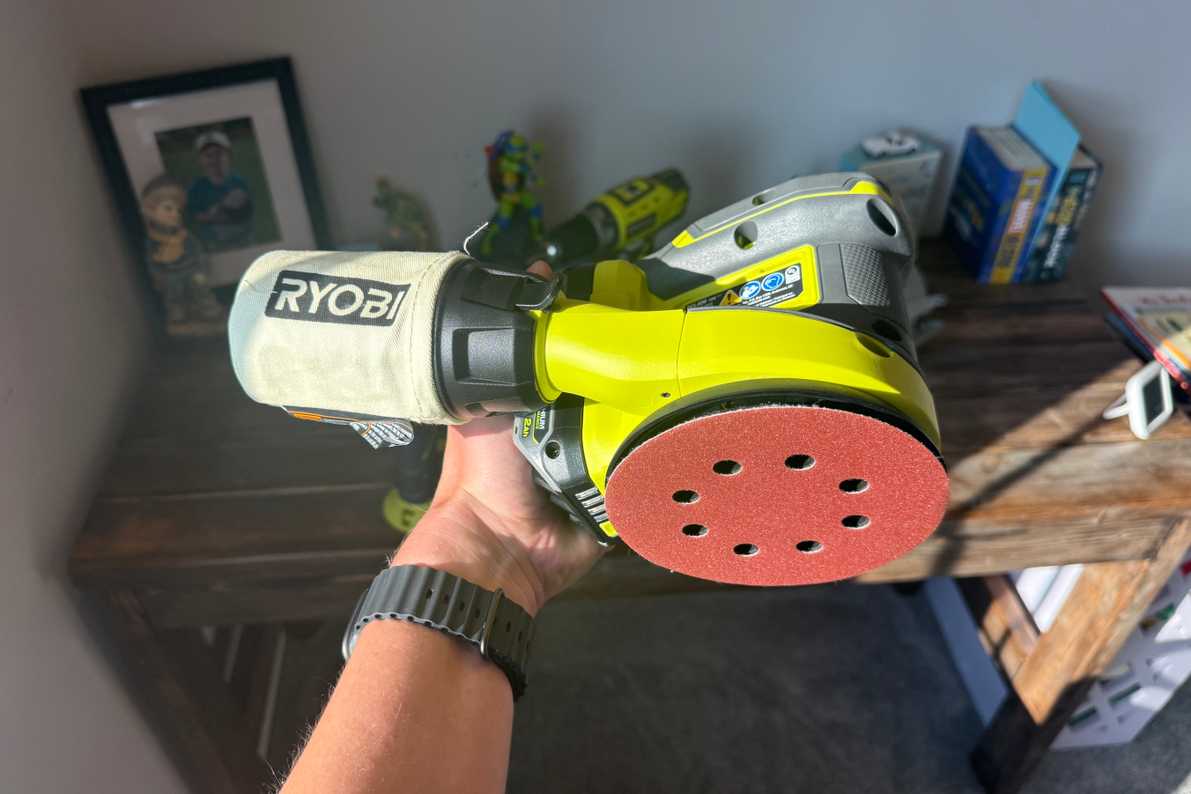


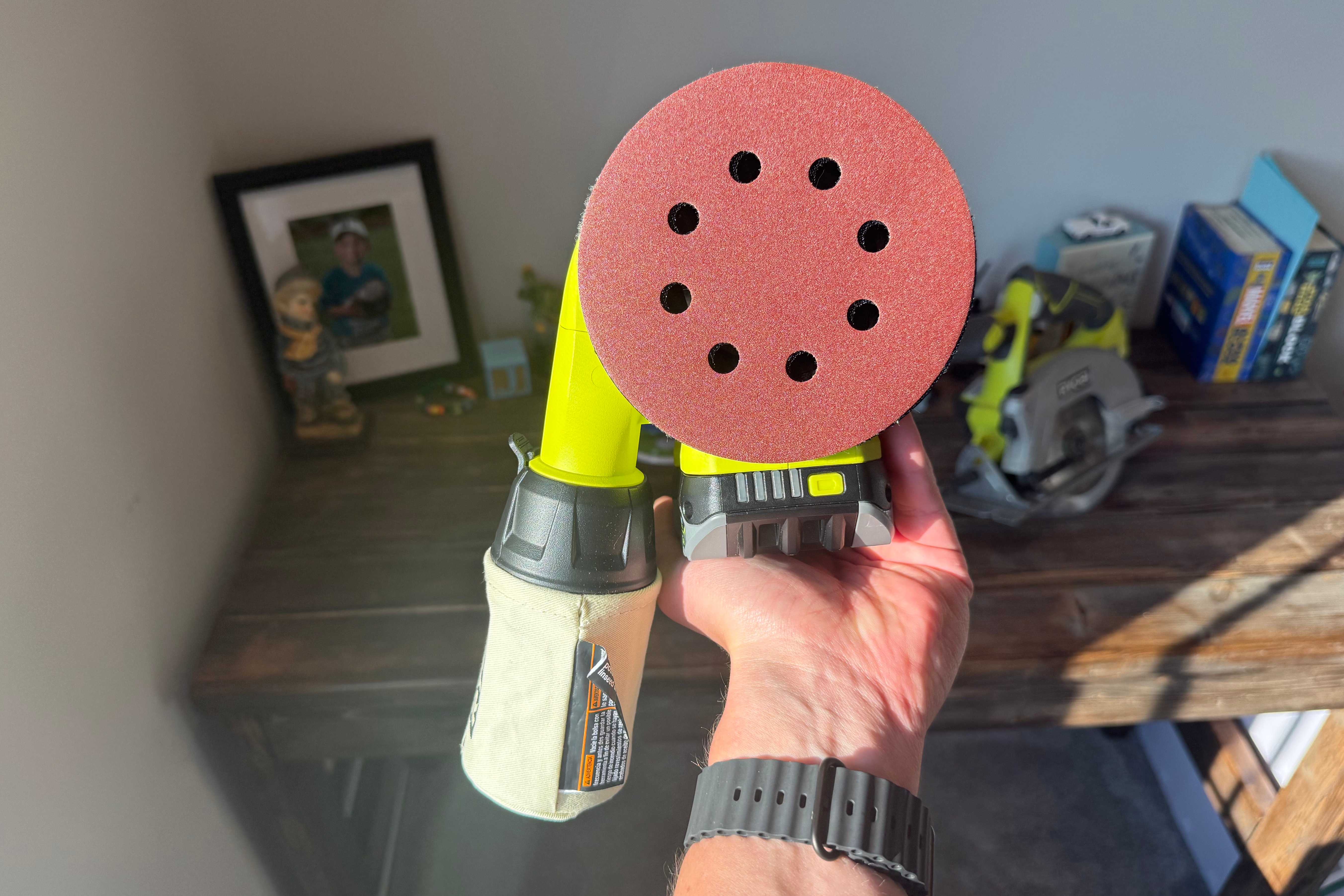
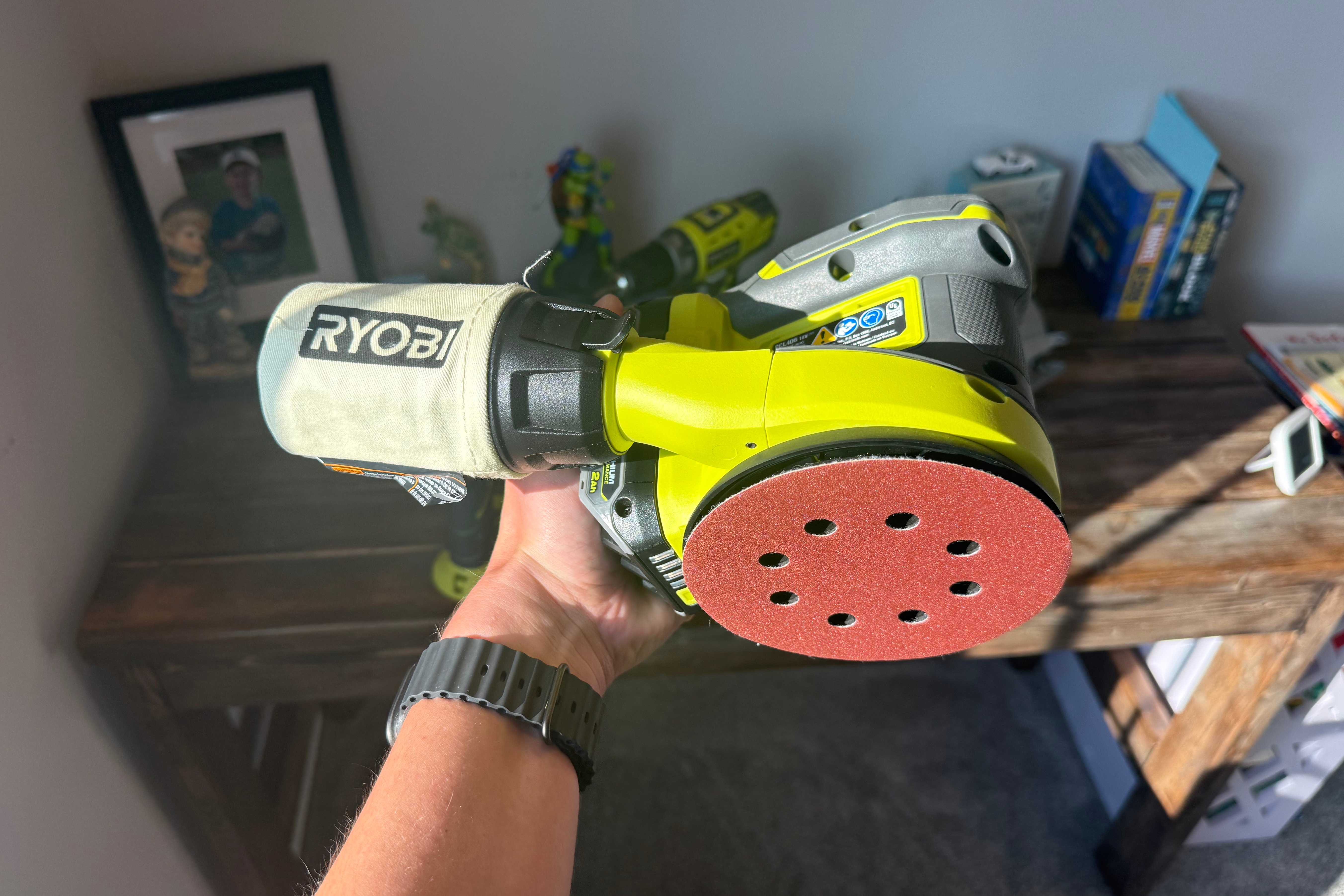
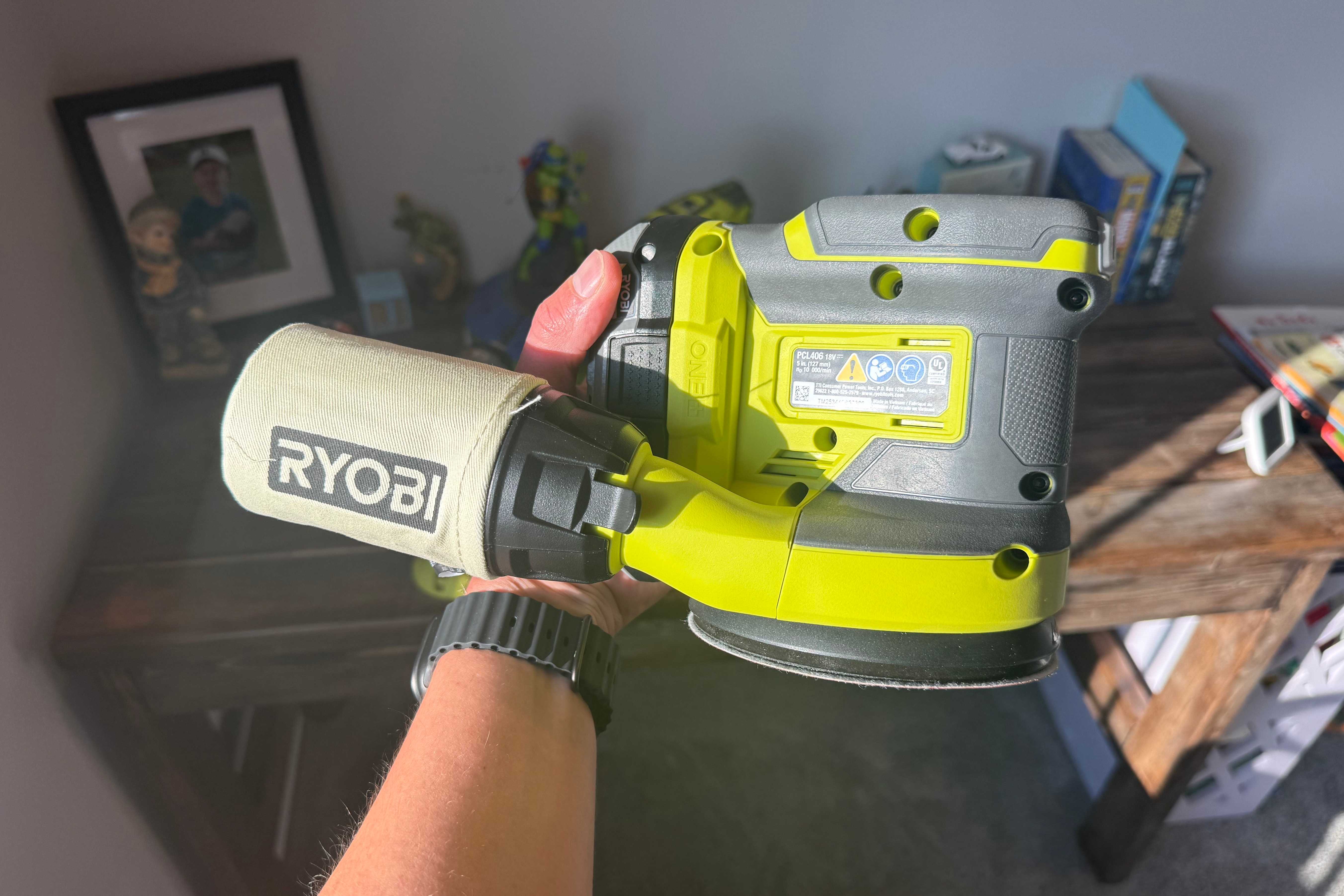
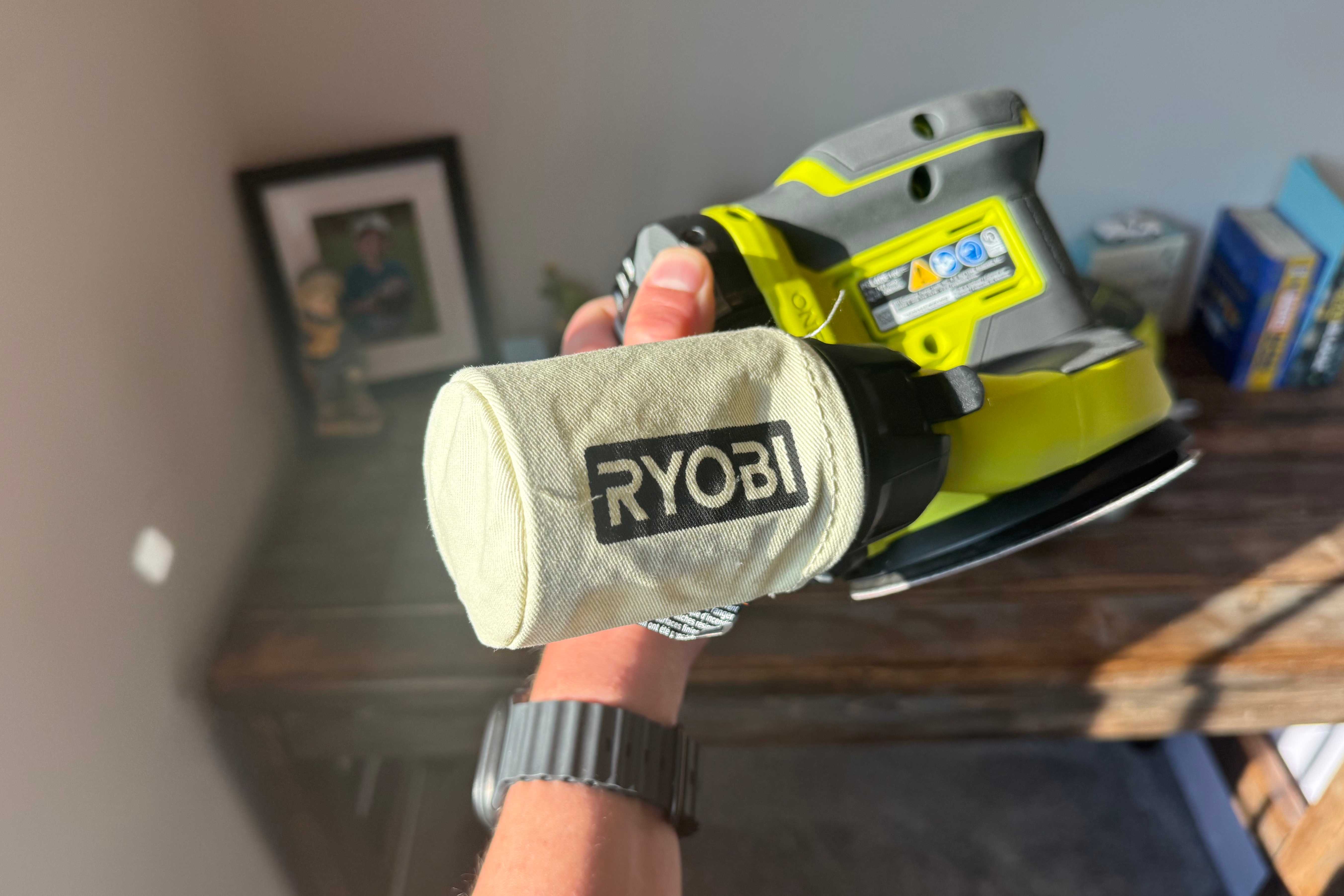
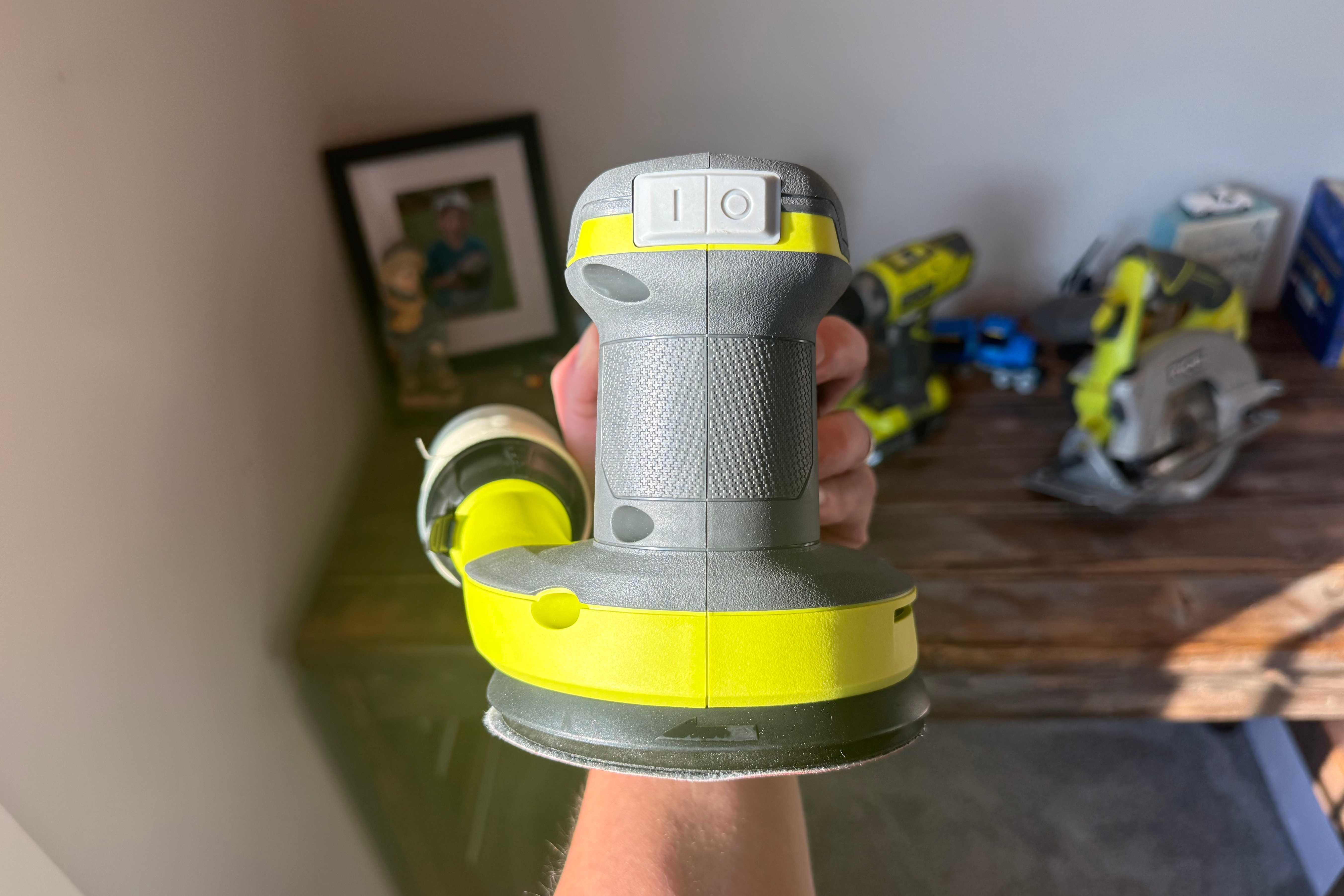
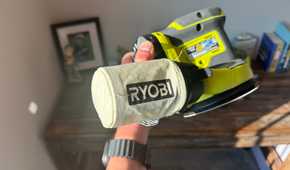
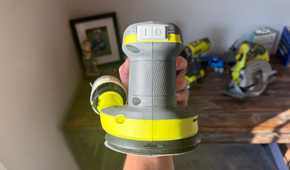
A neighbor was about to haul a gray, splintered cedar bench to the curb, so I took it off his hands. My Ryobi random orbit sander is what brought it back. The tool runs around $60, and it turns up on sale near $35 often enough that I'd wait for one. Years of sun had left the wood rough and silvered, the grain raised enough to catch a sleeve. I started with a coarse disc to cut through the weathering, then worked up to a finer grit until the slats turned smooth. The random orbit motion is why it leaves no swirl marks, which you notice the moment a finish goes on. One coat of sealer later, the bench looks better than new, and it sits by my back door in use every evening. For a tool that often costs less than dinner out, it handles the part of a project people actually notice, the same surprise I got from my first attempt at building furniture.
Power inverter
A wall outlet for the far corner of the yard


 Credit: Jonathon Jachura / MUO
 Credit: Jonathon Jachura / MUO
 Credit: Jonathon Jachura / MUO
 Credit: Jonathon Jachura / MUO
 Credit: Jonathon Jachura / MUO
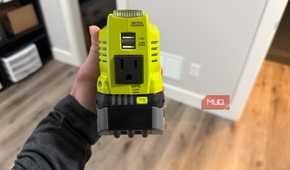
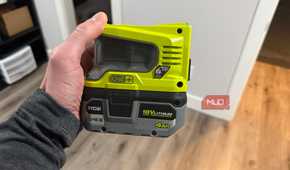
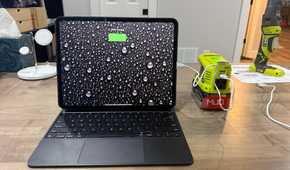
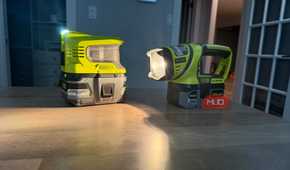
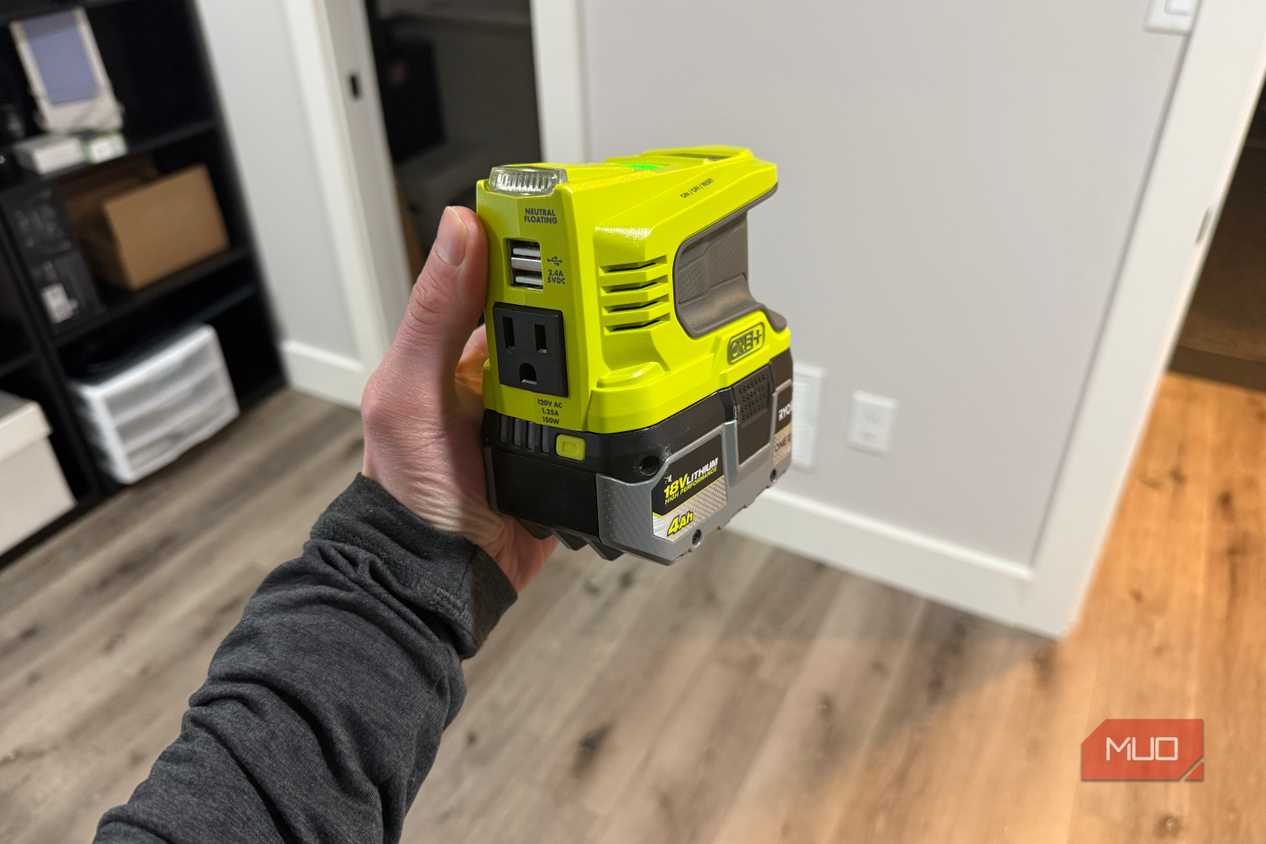
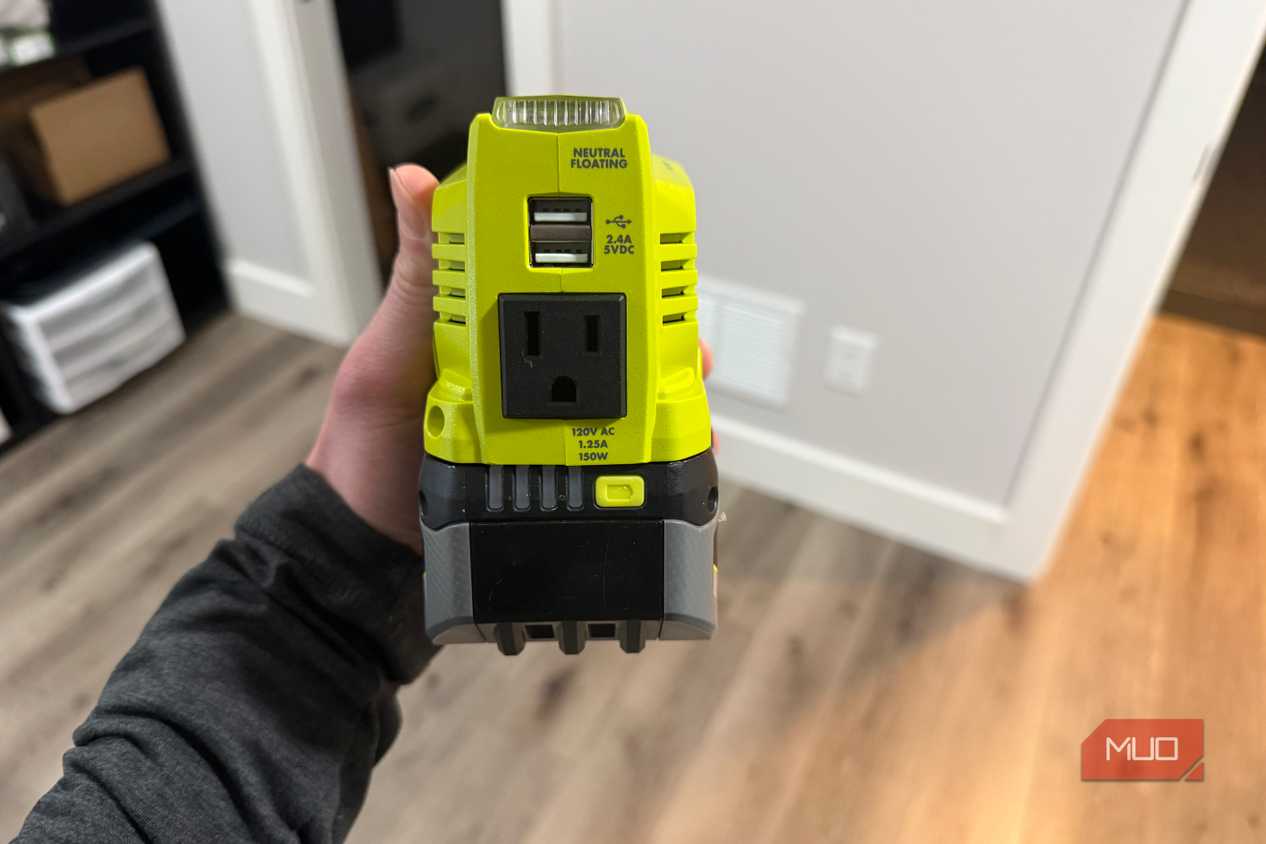
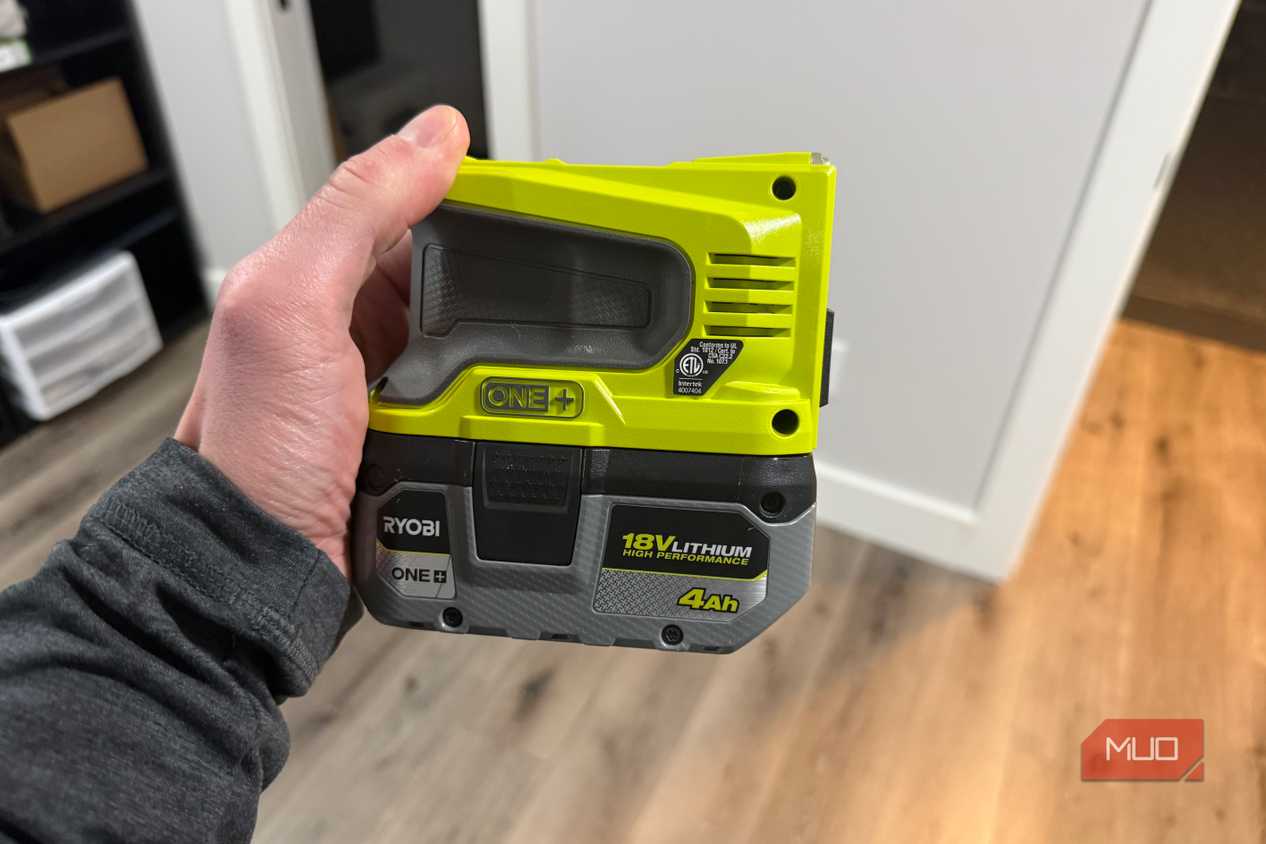
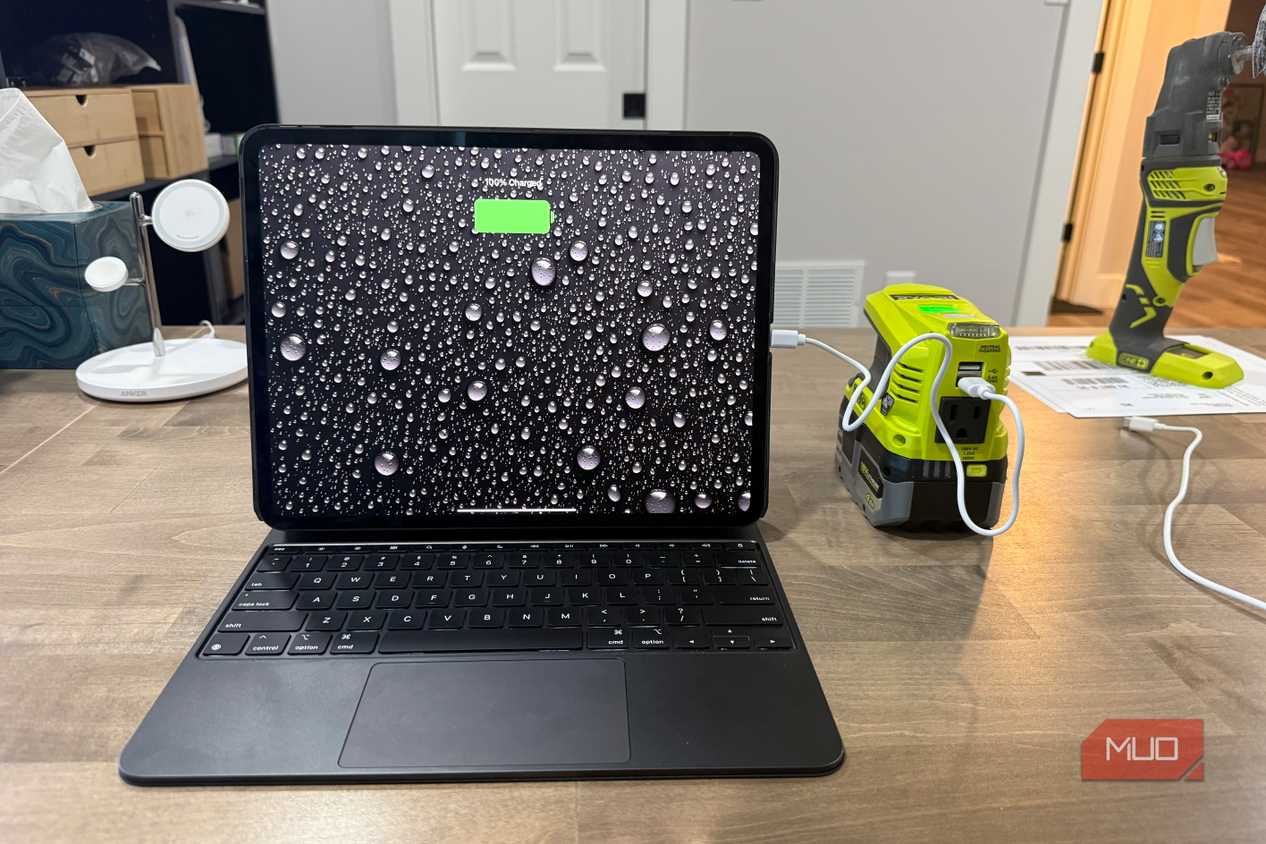
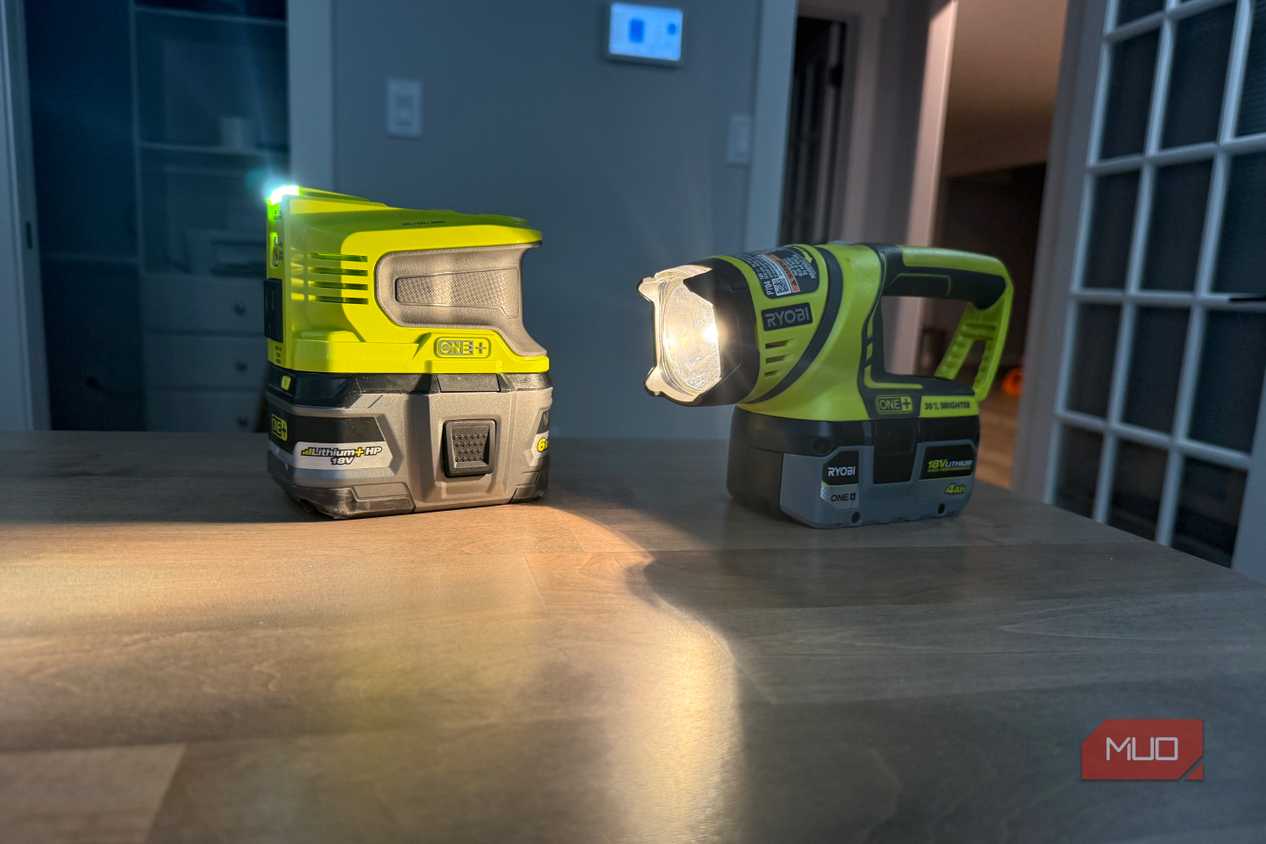
Clip the Ryobi power inverter to a charged ONE+ battery, and it gives you a real wall socket and a couple of USB ports. It lists around $99, though I paid closer to $40 for mine when it went on sale. My kids play ball on fields with no outlet in sight, so it tags along to run a small fan in the shade and keep our phones alive through a doubleheader. It pays off closer to home, too. The back fence on my property sits a long way from any receptacle, and rather than drag 100 feet of extension cord out for a quick repair, I clip the inverter to a battery and bring the power to me. A dedicated power station built for the same odd jobs starts around $150. This one draws on the same packs that run the rest of my tools, which is the whole point of staying on one platform.
Spot cleaner
The pool-season tool that saved my car's upholstery

Going to the pool and beach means a summer of wet kids dropping into car seats, and the mix of sunscreen and pool water leaves marks that set fast. My Ryobi spot cleaner keeps those seats from looking like a loss. It lays down solution, works it in with a spinning brush, then vacuums the loosened mess straight back out, all from one handheld unit. It runs about $99, and mine came from a sale for around $70. The cordless build is what makes it usable, because the third row of an SUV sits nowhere near an outlet. It has handled far more than the car. A grape juice spill came off the couch before it could set, and it drew a muddy cleat print out of the hallway runner. It is no match for a deep, set-in stain, and it won't replace a full carpet machine. For catching fresh spills before they turn permanent, though, it has paid for itself in seats I never had to replace.

Heat gun
The fix for a bolt that wouldn't budge


 Credit: Jonathon Jachura / MUO
 Credit: Jonathon Jachura / MUO
 Credit: Jonathon Jachura / MUO
 Credit: Jonathon Jachura / MUO
 Credit: Jonathon Jachura / MUO
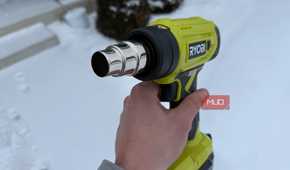
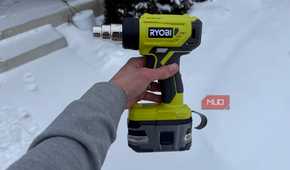
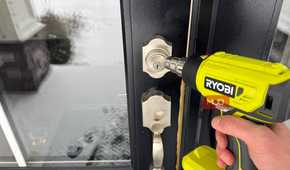
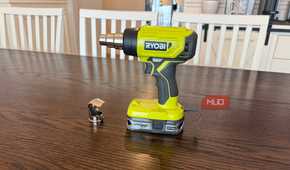
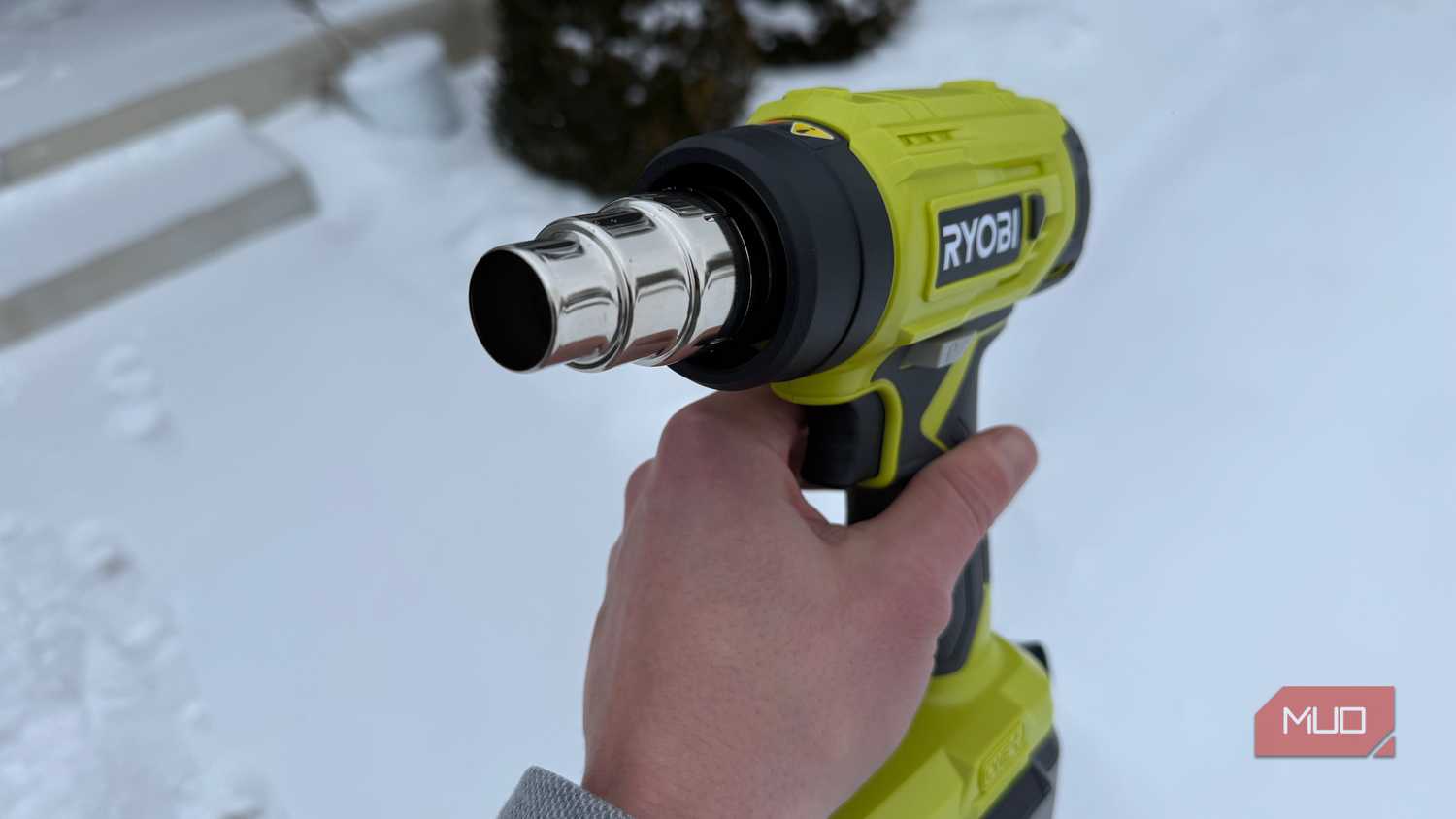
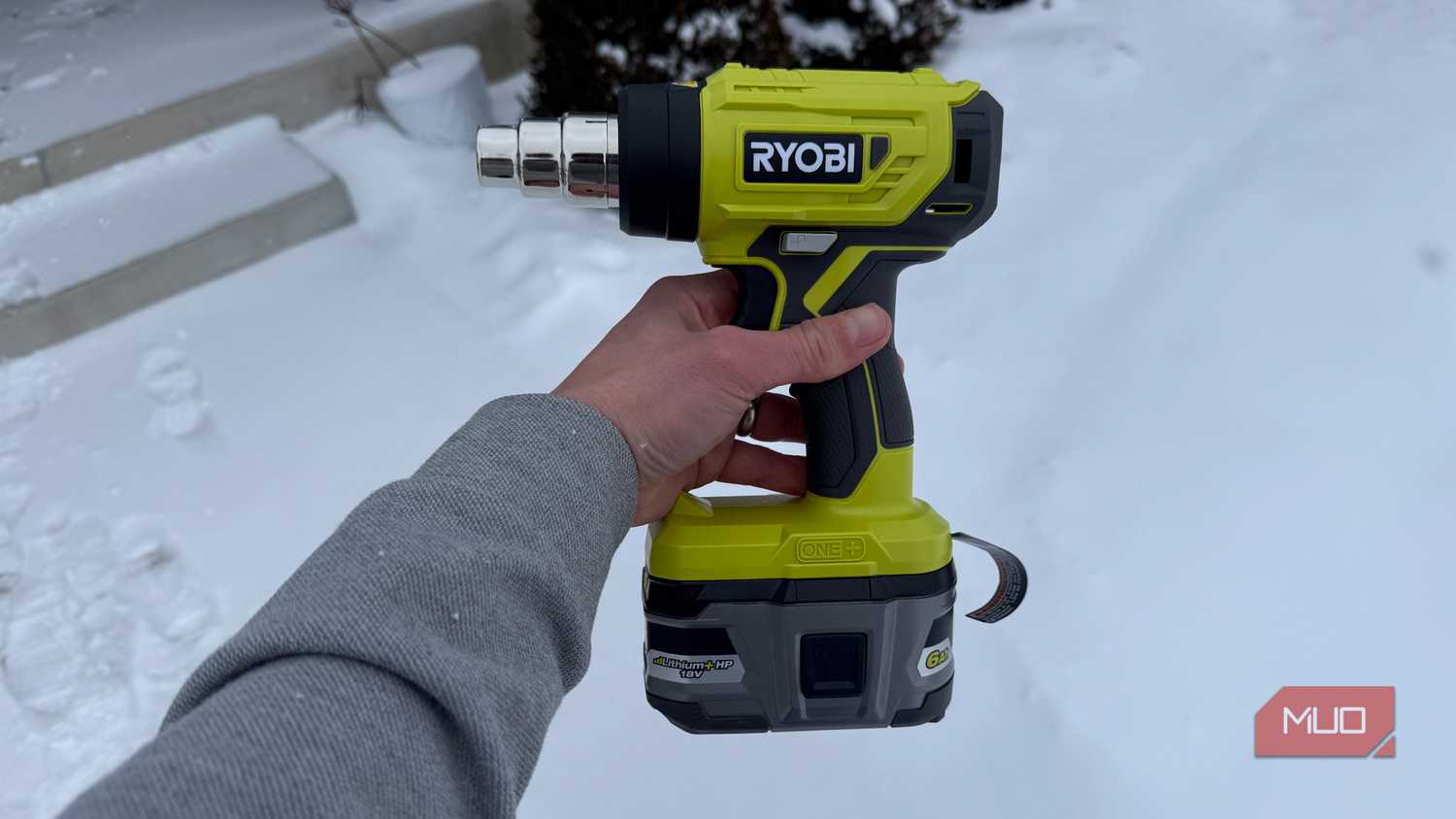
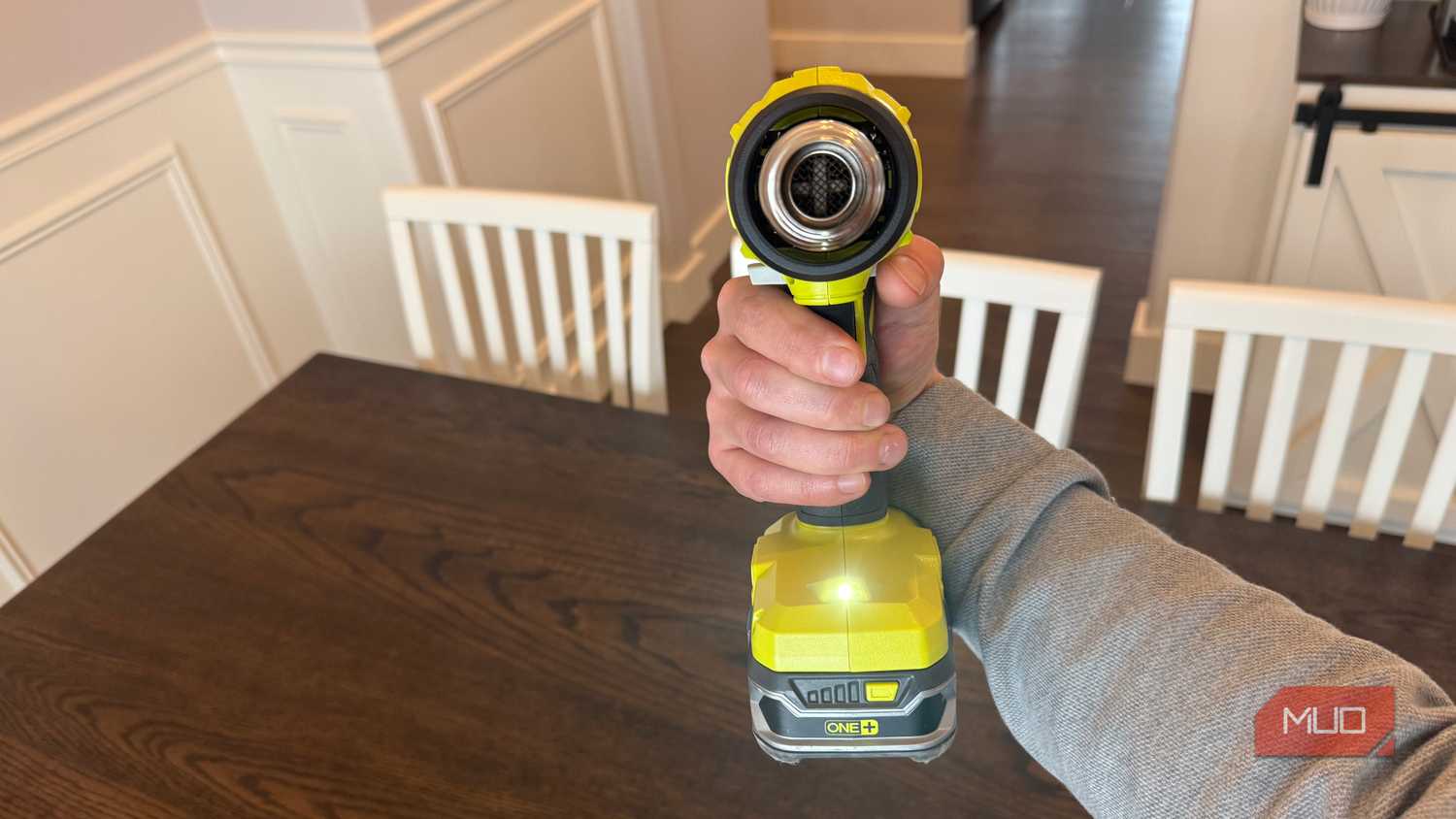
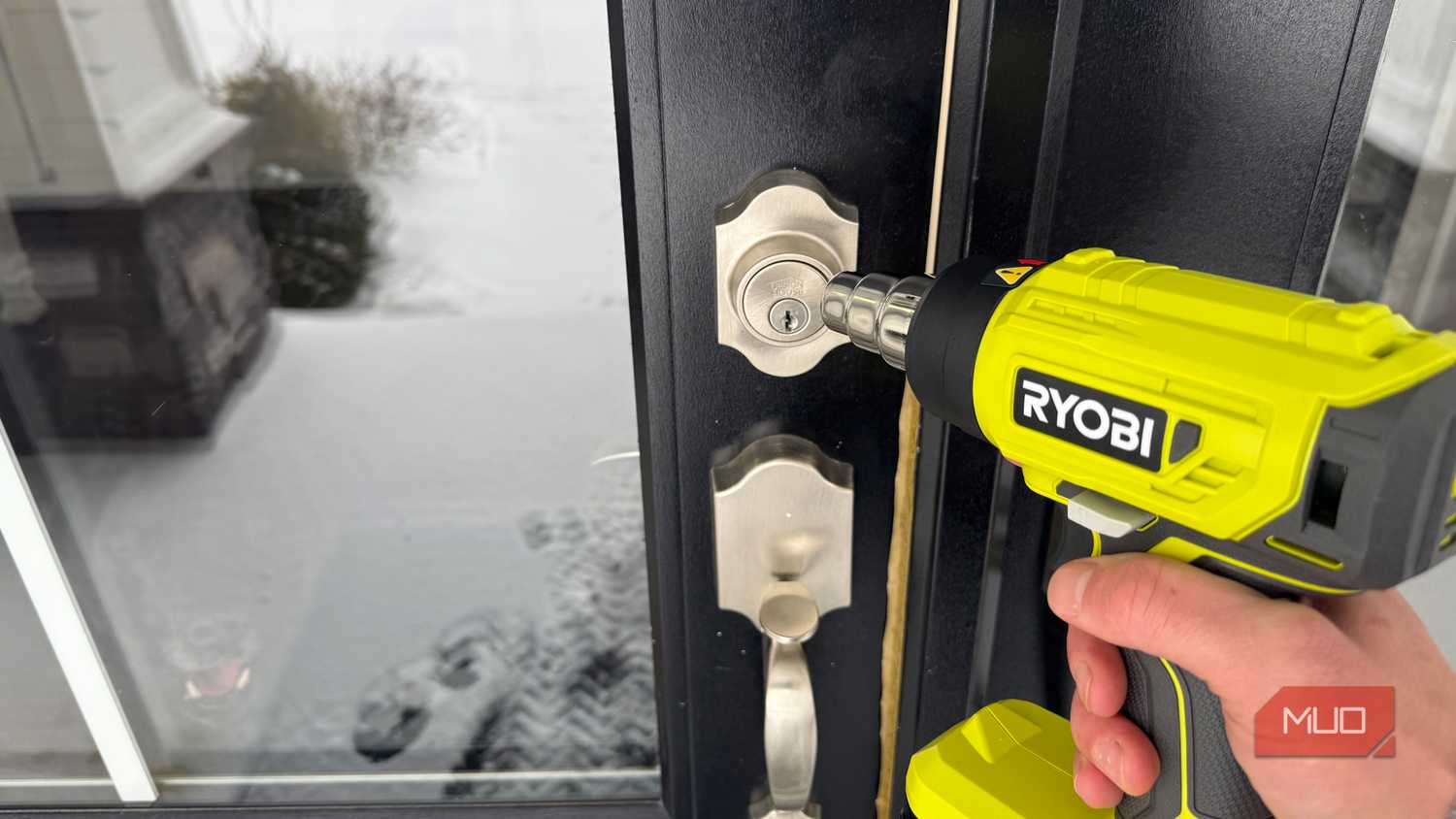
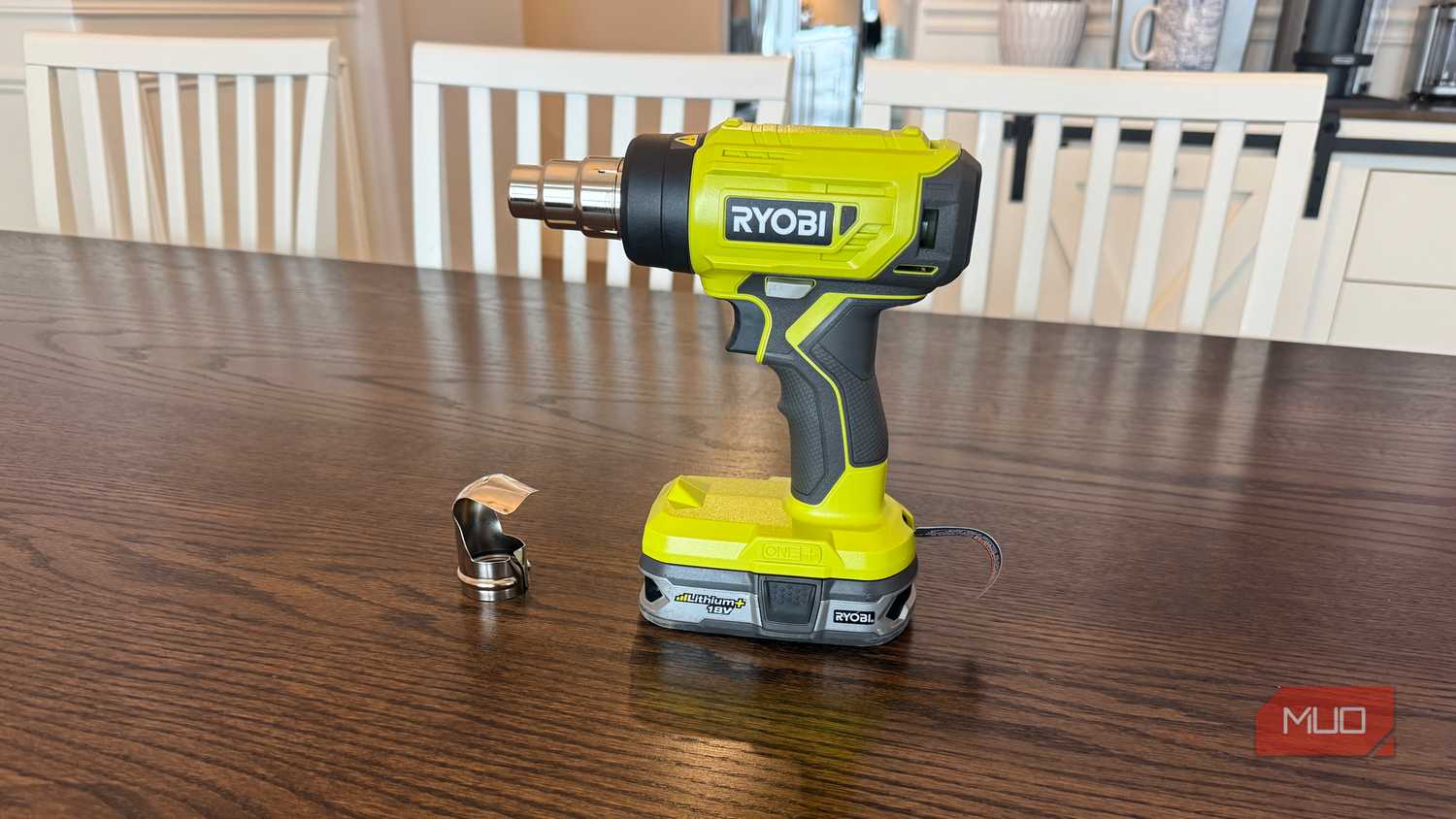
A rusted bolt on my 4Runner's skid plate had seized so tight I was one wrench-pull from rounding it off. Heat solved it. My Ryobi heat gun warmed the nut until the metal expanded just enough to break the rust's grip, and the bolt threaded out clean. It climbs to 875 degrees in about 10 seconds. The tool runs roughly $89, and mine came off a sale closer to $60. Smaller jobs have followed. It lifted a sun-baked parking sticker off a windshield with none of the razor-blade gouges, and softened a curled vinyl decal until it peeled away in one piece. Going cordless is what lets me do all of this in the driveway, nowhere near a plug. I don't reach for it weekly. But when a job calls for focused heat, nothing else in the garage comes close.

The tools I almost passed on
Every tool on this list is one I nearly left on the shelf, sure that something this cheap couldn't be worth the room in my garage. Each proved me wrong by handling a job I'd tolerated for years. That's the quiet advantage of Ryobi's lower-priced shelf: once you own the batteries, trying one more tool barely costs a thing, and the cheap ones tend to outlast every low expectation you set for them. Not everything in the catalog is worth your money, and I'll gladly point you to the ones I'd skip. These five, I'd buy again without a second thought.