


I spent years making my own flashcards by hand, copying notes from a textbook onto index cards, and hoping I'd memorize the right things. While this works, I hate setting it up again and trying to find where I am not doing so well. NotebookLM is great and does that job for me now, and it does it from the exact material I know I'll be tested on instead of some generic study guide pulled from the internet.
NotebookLM turns your notes into a tutor
Smaller files make it easier to find what you need

Everyone is obsessed with the Audio Overview podcast feature and pairing NotebookLM with other apps. I like that too, but it's not the best part of the app at all. The real magic of NotebookLM is way less flashy. I love how well it can take your materials and turn them into something you can actually study from.
To get started, you just upload your textbooks, lecture notes, and whatever personal files you've got straight into the workspace. On the free version, you can add up to 50 sources per notebook, with each source limited to 500,000 words; on a paid plan, that limit jumps to 600 sources per notebook.
You can dump in pretty much anything from PDFs, Google Docs, Google Sheets, pasted text, links, and even YouTube videos. Once your materials are organized in one place, the system becomes a tutor that actually knows your specific class material, not just generic stuff.
It only pulls from the stuff you actually gave it and will tell you if you're asking for something outside its knowledge. That's the opposite of how most chatbots work, where they'll happily mix in random internet knowledge or just make things up.
That means you're almost guaranteed that everything you get back is accurate and specifically tied to what you'll be tested on. If you want to get the most out of this, try not to dump one giant 400-page PDF.
You're going to want to split it into smaller chapters or themed chunks, so the system isn't sifting through a ton of irrelevant pages every time it answers something. This is because you'll need it for the actual work that helps you learn. If you can find different sources more easily, you'll have an easier time learning.
The app builds your quizzes and flashcards automatically
The quizzes adapt to the areas where you struggle


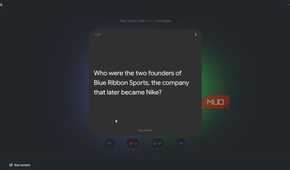
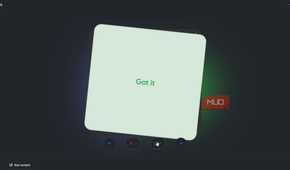
Just reading something over and over can trick you into feeling like you know it, when really you've just gotten used to seeing it. That's not the same as actually understanding it. NotebookLM pushes active learning instead, which is something you don't get unless you have help or a school to go to.
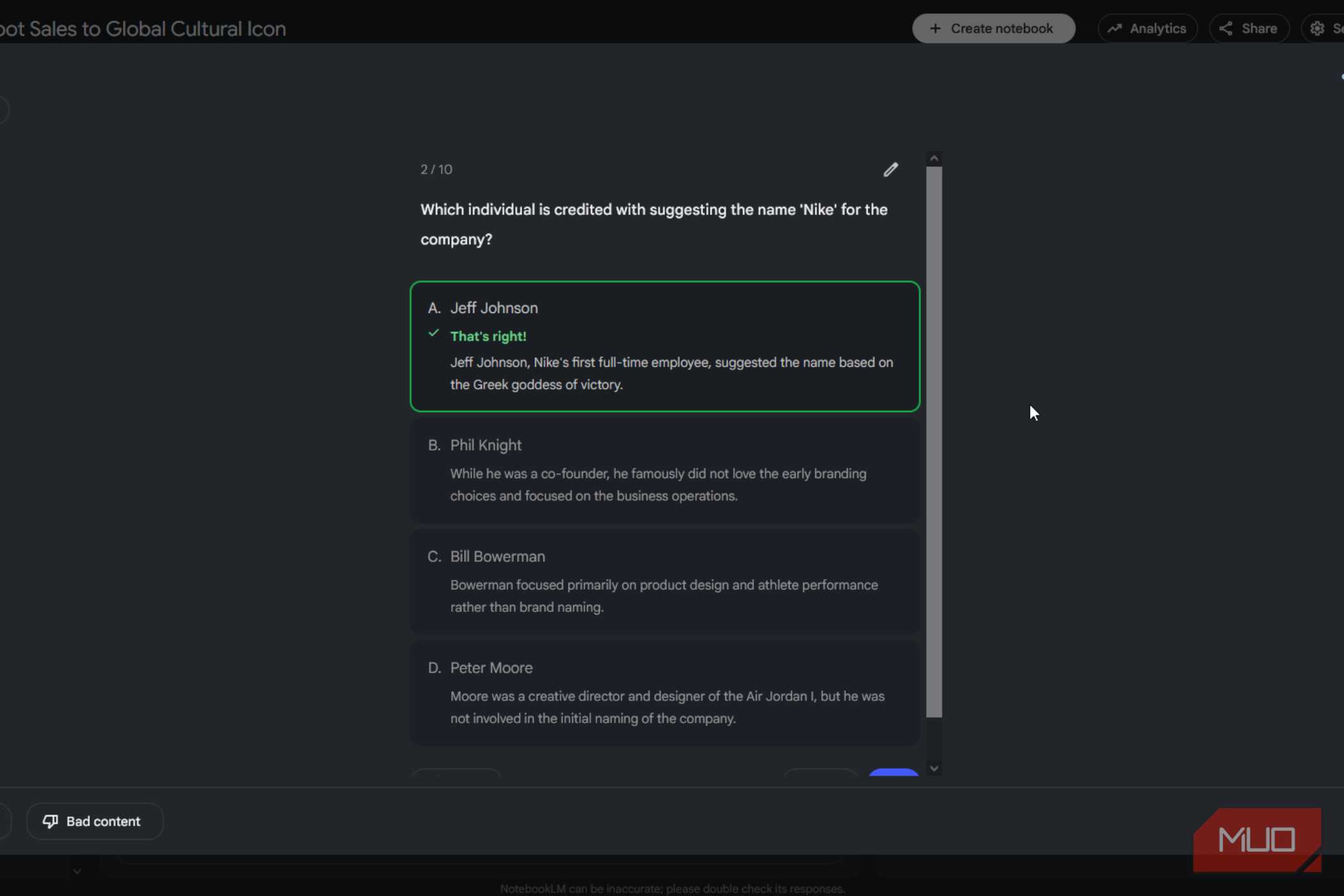
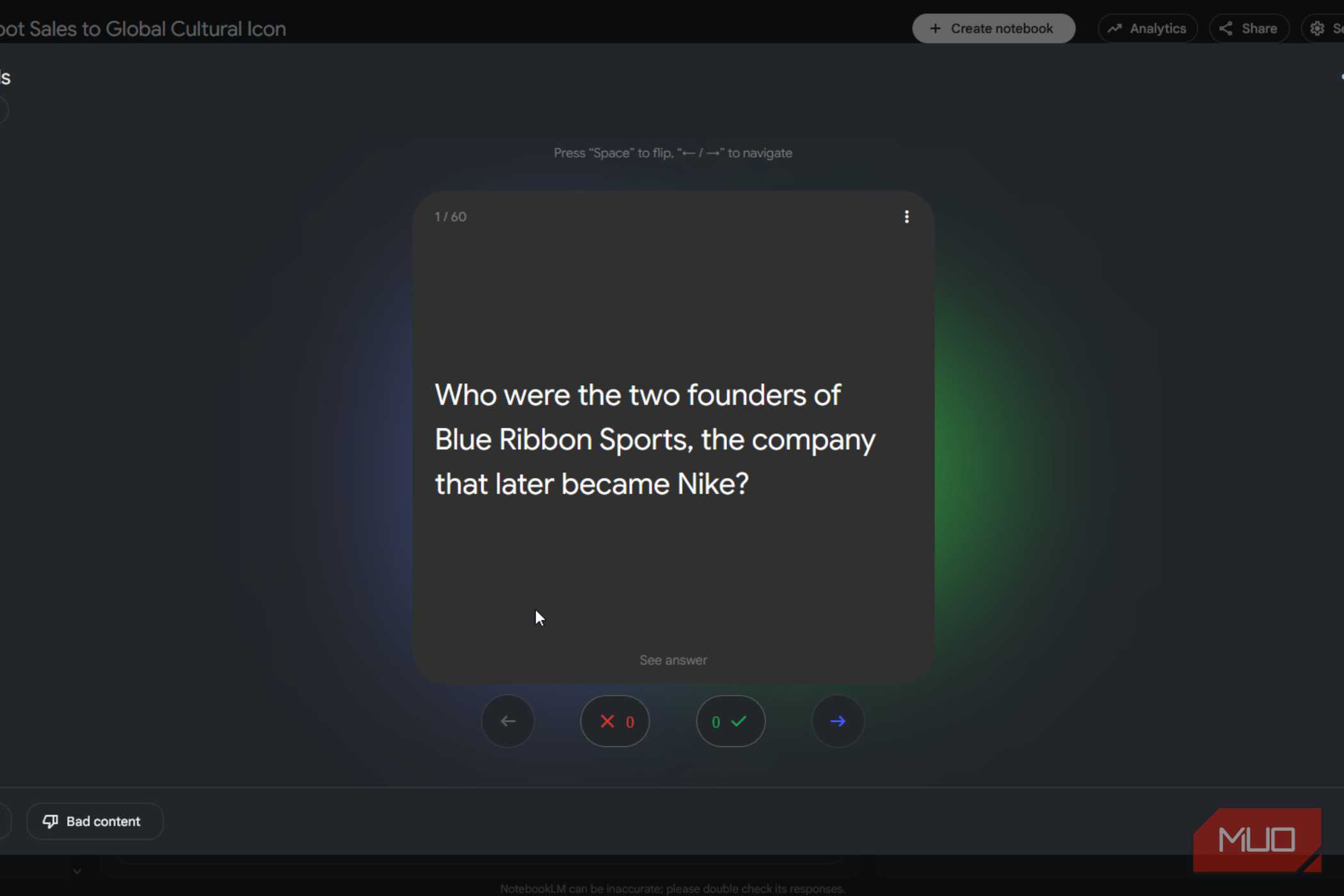
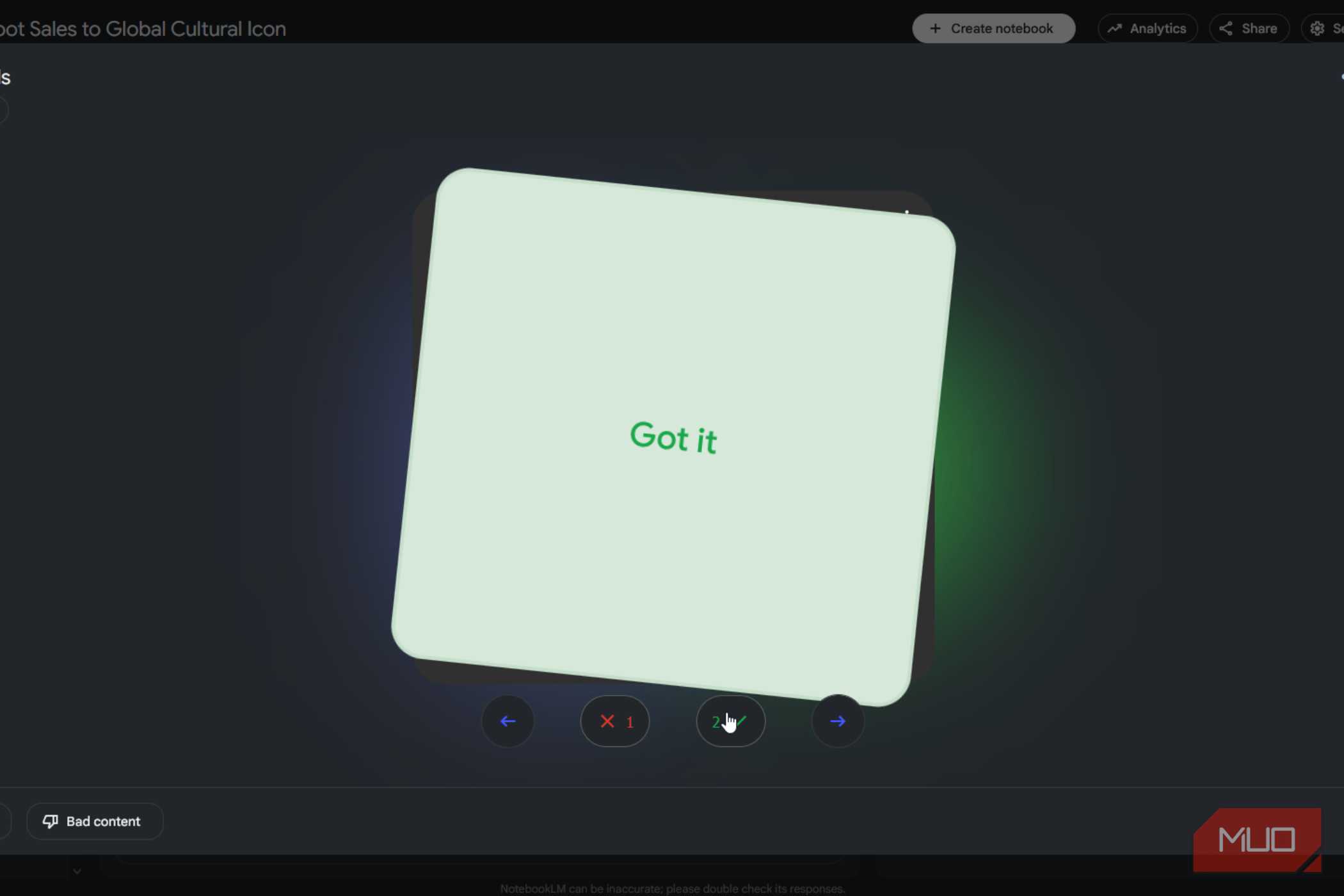
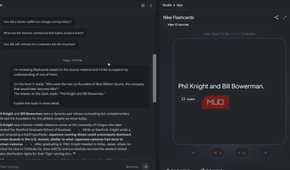
It can take your own documents and turn them into flashcards, quizzes, and even matching games, so instead of just skimming your notes again, you're actually being tested on whether you get the material. When you're forced to pull information out of your brain instead of just recognizing it on a page, you're going to learn much faster.
I love flashcards, but I hate setting them up, so having NotebookLM takes dense, complicated topics and breaks them down into bite-sized questions and answers that check whether you really know the stuff is great.
You can even tell the AI exactly what kind of game or quiz you want. You can ask it to match vocabulary words with their definitions and provide a cited answer key. One of the best parts is how much time it saves you.
You can make all this yourself without issue, but it's way too time-consuming, and then you're stuck remembering where you put the materials. No more manually typing out flashcards or trying to format equations by hand. Actually, thanks to a recent update, even messy STEM equations now show up clean and properly formatted right on the cards.
The AI just builds the whole study set for you in a couple of minutes. I would trust it for real tests, just because it is so good at focusing on what you need. You can tell it which areas you are bad at, and it will build the entire study set around them.
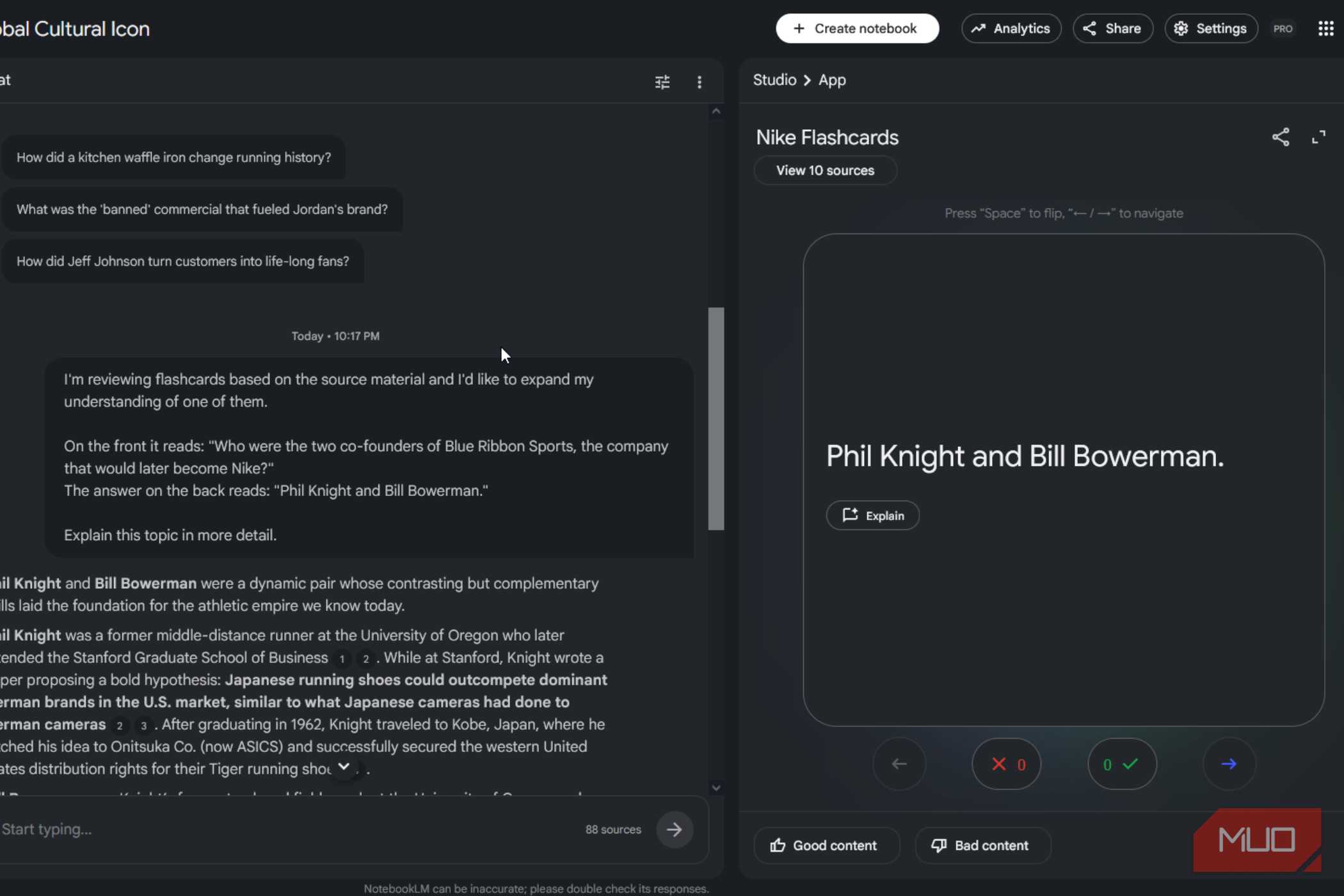
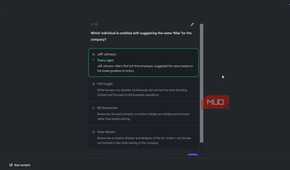
You also get to control how hard the quiz is, too. It is easy, medium, or hard. If you get something wrong, there's an "Explain" button that gives you a real explanation pulled straight from your source material, so you understand why you got it wrong instead of just being told the right answer.
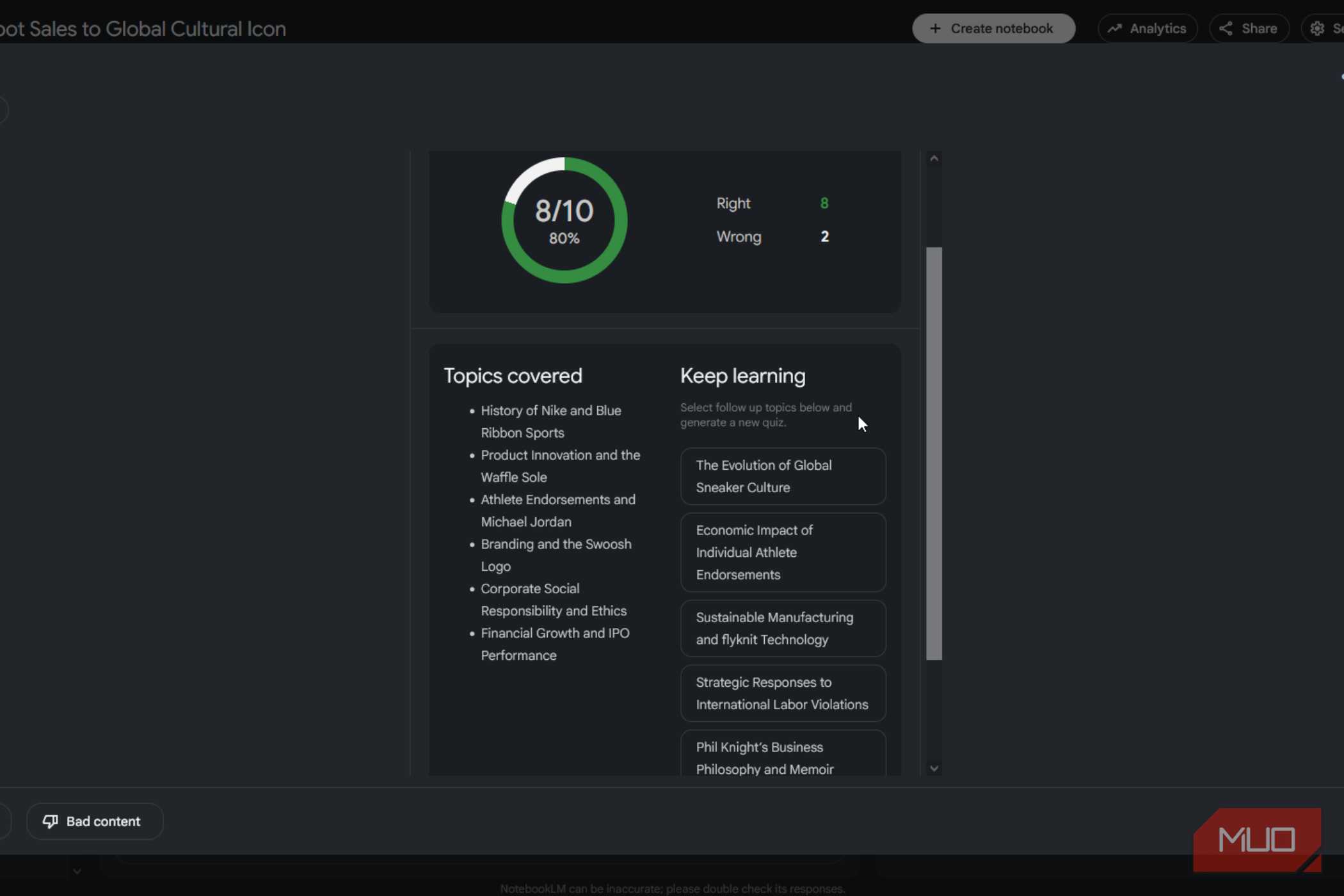
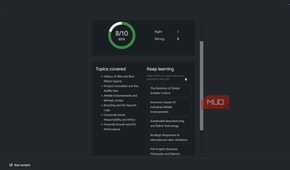
The best part is that it doesn't just stop at testing you once. It keeps adapting based on how you're doing. Finishing a quiz or flashcard set now gives you a little breakdown showing what you've nailed and what you're still shaky at. It's like having a tutor who points out what to study next.
Then, you can just get a new quiz built specifically around your weak spots.
You still need to do the actual thinking yourself
The app is just a helper instead of a full study session

Just keep in mind this isn't a replacement for a teacher. When you hand the whole job of making study guides over to an AI, you give up on actually reading the material, picking out what's important, and putting it into your own words. That is so important, it's not debatable.
When you make your own notes, the act of deciding what's worth remembering is itself what helps the information stick. Skip that step, and you're basically just consuming your own study materials instead of working through them. You'll recognize the answer when you see it, but you don't really understand it the way you think you do.
You have to know it inside and out, so make sure you don't have everything off to the AI. What it makes can sometimes only scratch the surface. These tools are good at pulling out facts and spreading questions evenly across a document, but they're not great at sensing which ideas actually matter most, how concepts relate to each other, or what the big picture is. That can only be done by a person.
Treat every AI-made flashcard set or quiz as another way to learn, not a complete way to study.
NotebookLM is just one really good helper, not the whole study session
NotebookLM won't read the material for you, so don't hand over every study session to it. Picking out what matters and putting it in your own words is still how information actually sticks, and skipping that step entirely will catch up with you on a test. I still use it constantly, since it cuts the setup time on flashcards and quizzes down to almost nothing and adapts to whatever I'm weak on. Just treat it as one way of studying among others, not the only one you rely on.

- OS
- Android, iOS, Web-based app
- Developer
NotebookLM is Google’s AI-powered research notebook that reads what you upload and helps you transform it into structured summaries, explanations, and visuals.
- Pricing model
- Free