


Google Pixel phones aren't the fastest Android devices on the block, but they've earned a reputation for their security standards. Pixels are the only Android phones that meet the stringent hardware security requirements of GrapheneOS, a custom Android operating system designed with security and privacy top of mind. This is due to change next year when Motorola begins selling phones compatible with GrapheneOS next year, but for now, Pixels represent the pinnacle of Android security.
With the Pixel 11 series, Google is doubling down on hardware security, introducing a new chip with protection against threats most Android users haven't even thought of. The change is designed to keep the Pixel 11 safeguarded not only today, but also throughout its lengthy seven-year software support window. Here's what Google changed to make the Pixel 11 more secure than the Pixel 10 — and why you should care.
The Tensor G6 isn't the only new Pixel 11 chip
The Pixel 11 is the first to feature Google's new Titan M3 security coprocessor
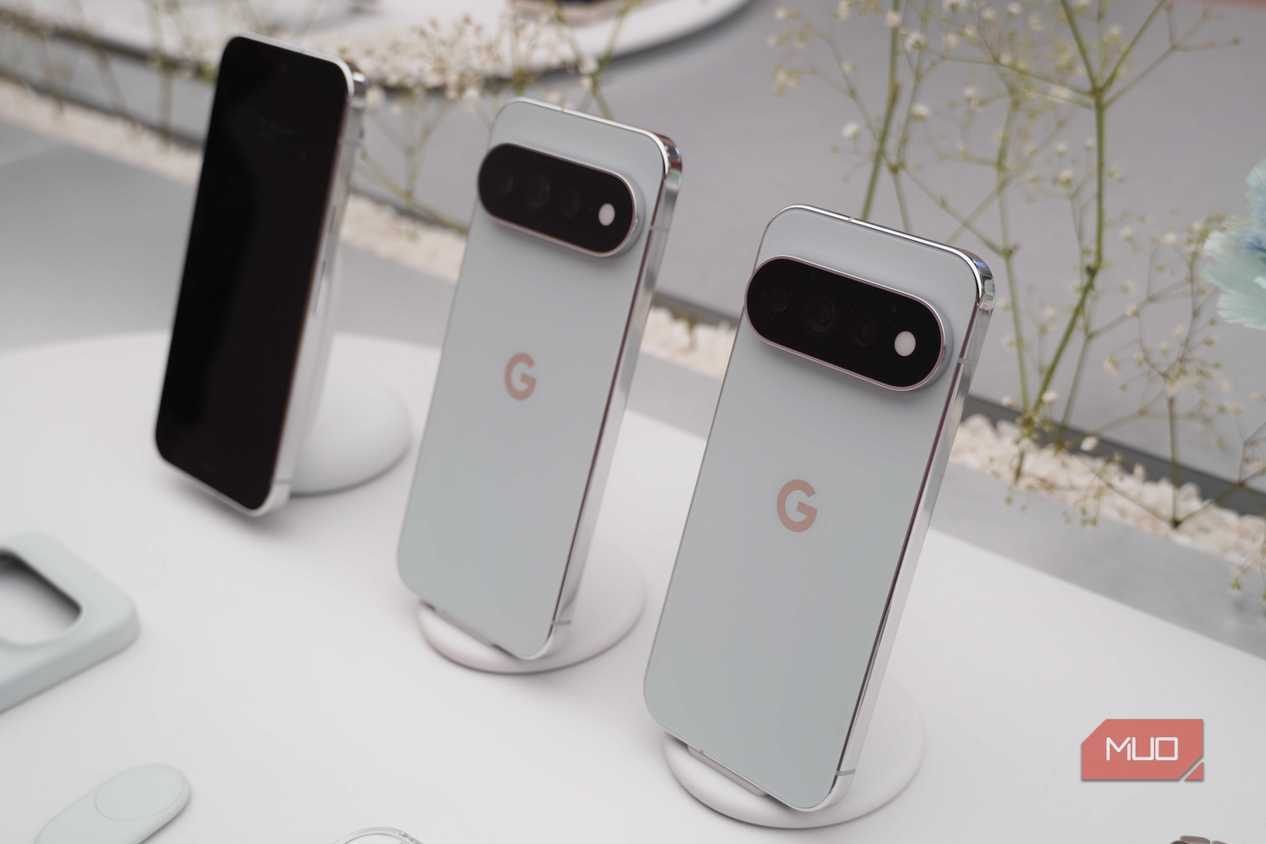
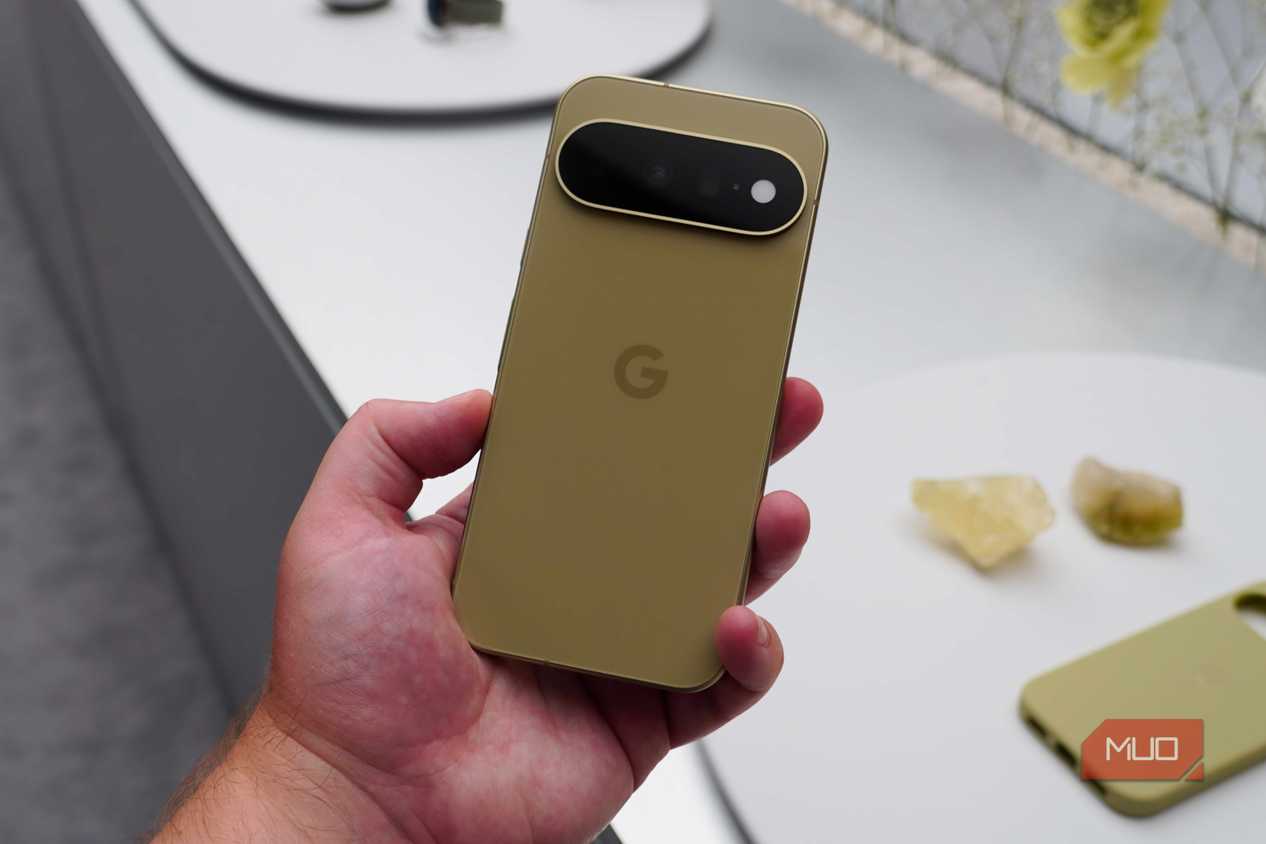
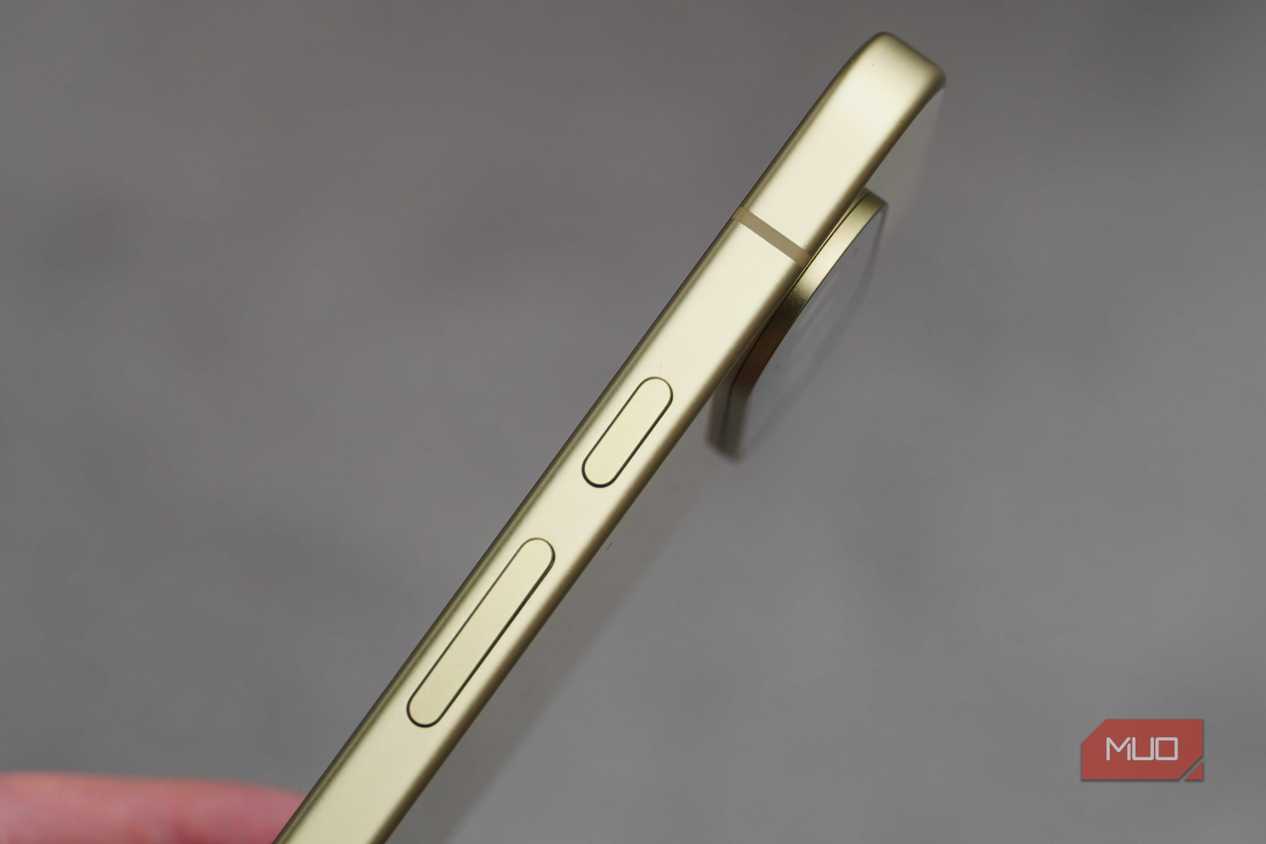
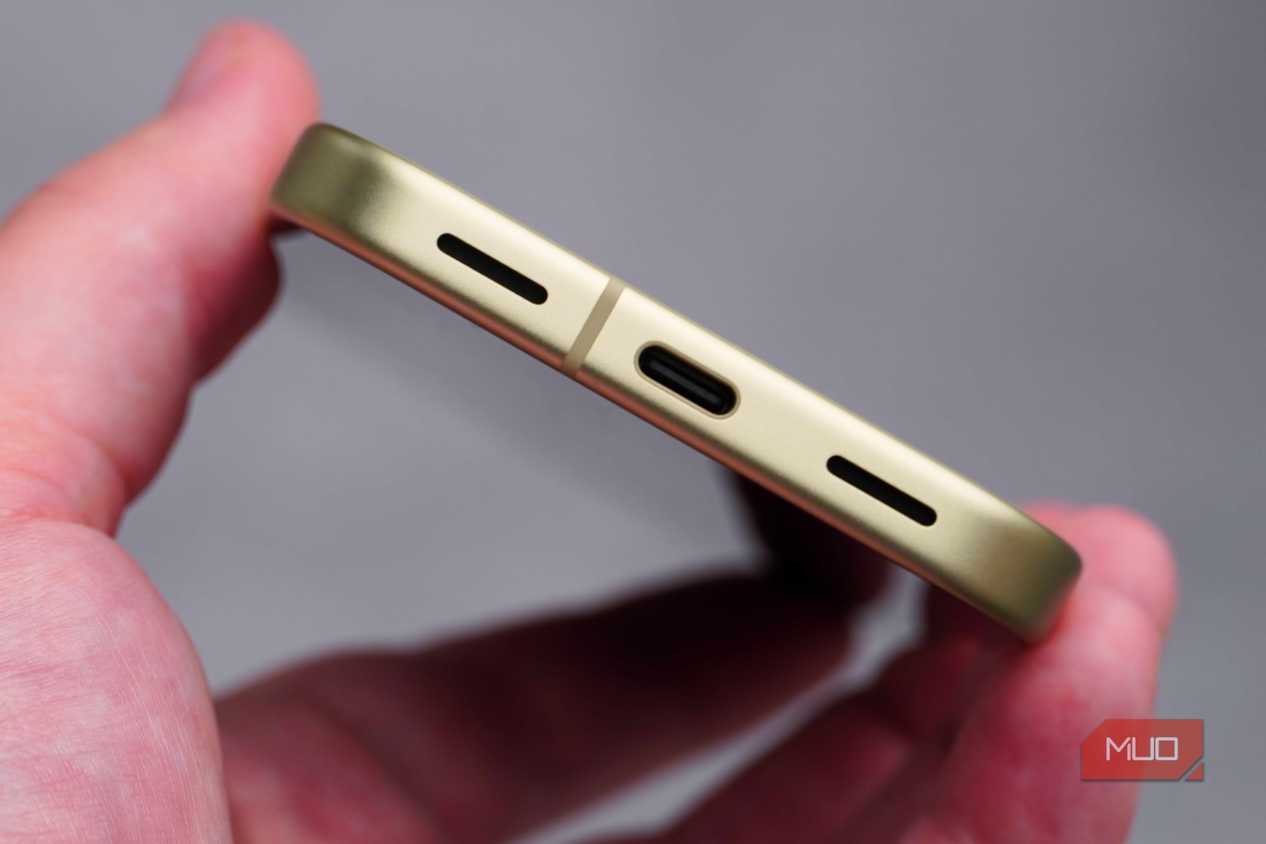
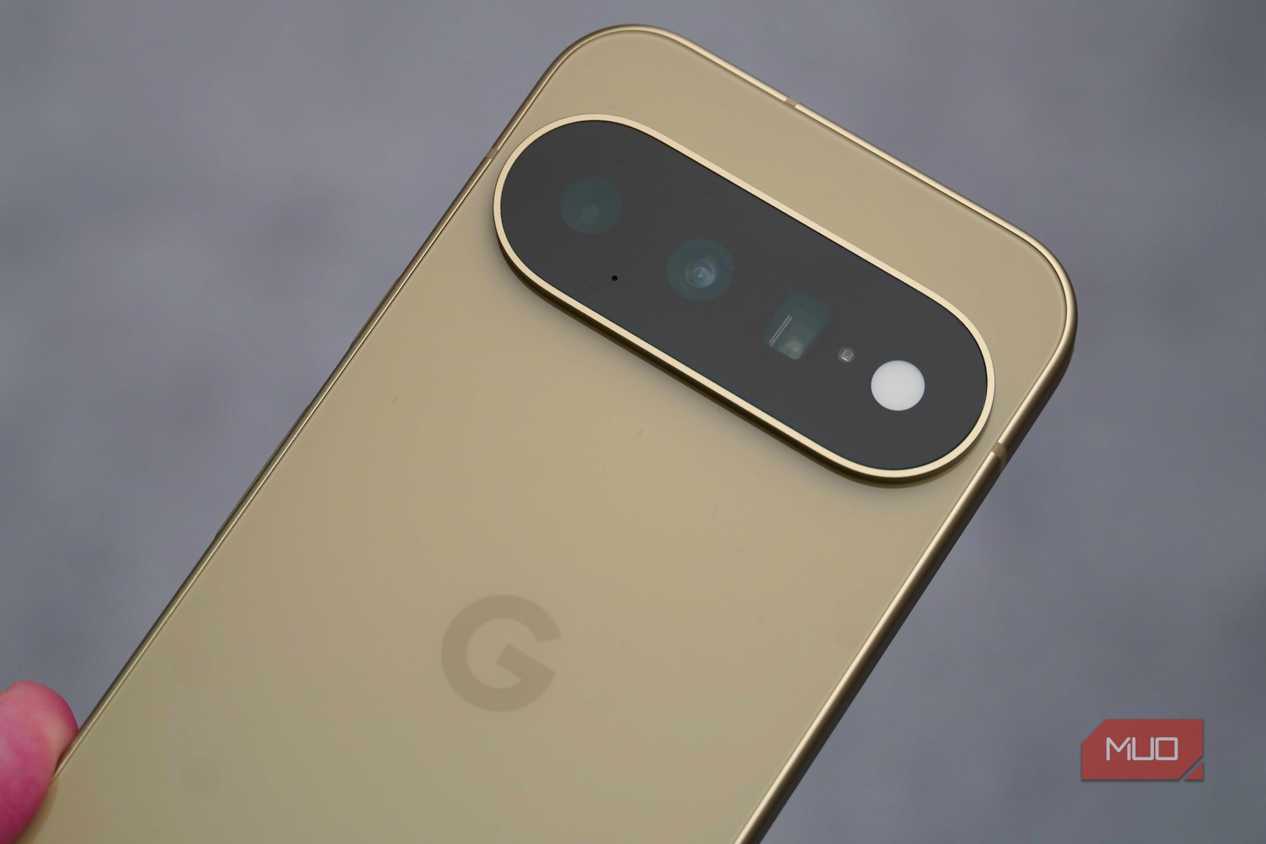


 Credit: Brady Snyder / MakeUseOf
 Credit: Brady Snyder / MakeUseOf
 Credit: Brady Snyder / MakeUseOf
 Credit: Brady Snyder / MakeUseOf
 Credit: Brady Snyder / MakeUseOf


The entire Pixel 11 series is powered by the Tensor G6 processor, which is a custom chip designed by Google. The fact that the Pixel 11 has a flashy new system-on-a-chip isn't exactly surprising. Google introduces a fresh one with every new Pixel lineup, but the Tensor G6 still isn't going to break any performance records. While the brand says the Tensor G6 is up to 20% more efficient and loads apps 15% faster than the Tensor G5, it lags behind the latest Snapdragon chips from Qualcomm for yet another year. So what's special about the Pixel 11's hardware that makes it more secure?
The primary Tensor G6 chipset isn't a surprise, but the Titan M3 coprocessor is. Unlike the Tensor chips, Google doesn't refresh the Titan security coprocessors on an annual basis. The company introduced the Titan M2 security chip in October 2021, and it first debuted inside the Pixel 6 series. The Titan M2 coprocessor continued to handle Pixel security through the Pixel 10 series, but after five years, we finally have a new Titan M3 coprocessor handling Android safeguards for the Pixel 11 lineup.
It's not just a spec bump. Google put the Titan M3 security chip inside the Pixel 11 series to bring "post-quantum cryptography to secure boot on your device." Additionally, Google adds that the Tensor G6 chip and the Titan M3 security coprocessor "seamlessly integrate to form our most robust, proactive defense system yet." This is an upgrade you'll never notice in the daily use of your Pixel, but could help keep your new phone secure well into the next decade.
Google's Titan M3 chip is all about future-proofing
The security coprocessor is built for post-quantum cryptography

If you've never heard the term "post-quantum cryptography" before, the premise is simpler than you think. Cryptography is simply the process of hiding and protecting information — in this case, that information is digital data. Encryption, hashing, digital signatures, and public-key certificates are all methods of using cryptography to safeguard digital information. In other words, the data on your Android phone, and the online accounts you access with it, all use cryptographic tools for security.
Encryption algorithms aren't created equal, though. The majority of encryption algorithms are built upon the weak points of traditional computers. As the U.S. National Institute of Standards and Technology (NIST) explains, many cryptographic algorithms pick two large prime numbers and multiply them to create a bigger number. To break the encryption, a computer must figure out which two prime numbers were multiplied to create the end result through a mathematical process called factoring. The computer needs to find the "prime factors" that created the large number in the encryption process.
The Pixel 11 is adding protections crafted to thwart security threats that don't fully exist yet, which shows Google's commitment to security.
Computers struggle to do this, because they have to analyze the possible prime factors one at a time. As a result, traditional computers might need billions or trillions of years to find the prime factors of a large number, and thus decrypt the data. A new kind of computer, known as a quantum computer, uses the science of quantum physics to solve these problems. In a computer's binary code, a bit can either be a 0 or a 1. A quantum computer uses qubits that can be both a 1 and a 0 at the same time, which lets the quantum computer speed up processes.
In the context of cryptography, a quantum computer can analyze the possible prime factors at the same time, cutting the time it'd take to decrypt data from billions of years to just days — or less. For now, this is just theory. Quantum computers haven't broken current encryption standards yet. They might crack encryption in the next few years, or it could take decades. It might never happen. But the security industry is bracing for that possibility, and that's where post-quantum cryptography comes into play.
Post-quantum cryptography is simply the term for the process of hiding and protecting information from both current computers and future quantum computers. It's designed to protect your data from not only the threats of today, but also the threats of tomorrow. The Pixel 11's Titan M3 security processor adds post-quantum cryptography to secure boot, meaning that the smartphone will verify the bootloader's signatures in a way that a quantum computer can't crack. The Pixel 11 is adding protections crafted to thwart security threats that don't fully exist yet, which shows Google's commitment to security.
Pixels are still the leader in Android security
Google has the track record, and Titan M3 suggests it isn't stopping anytime soon
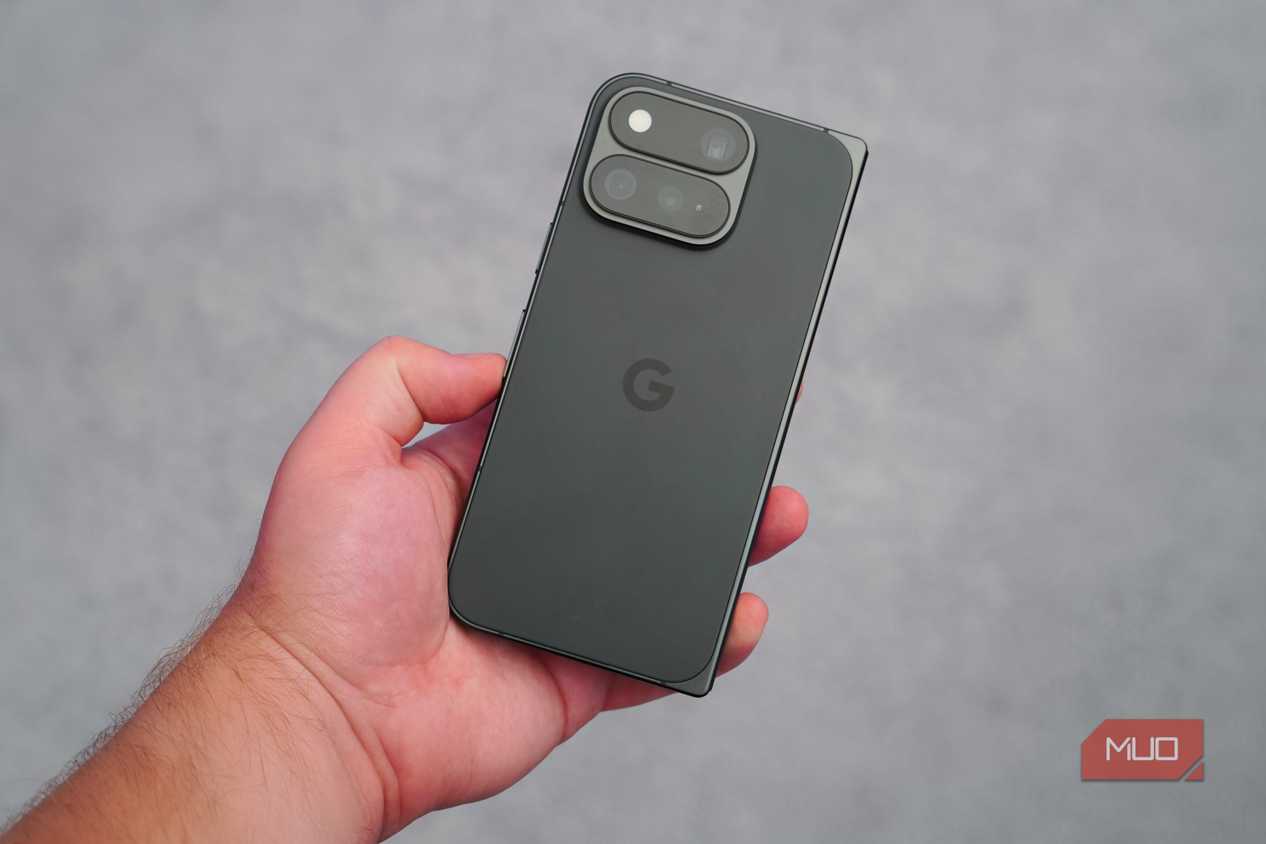
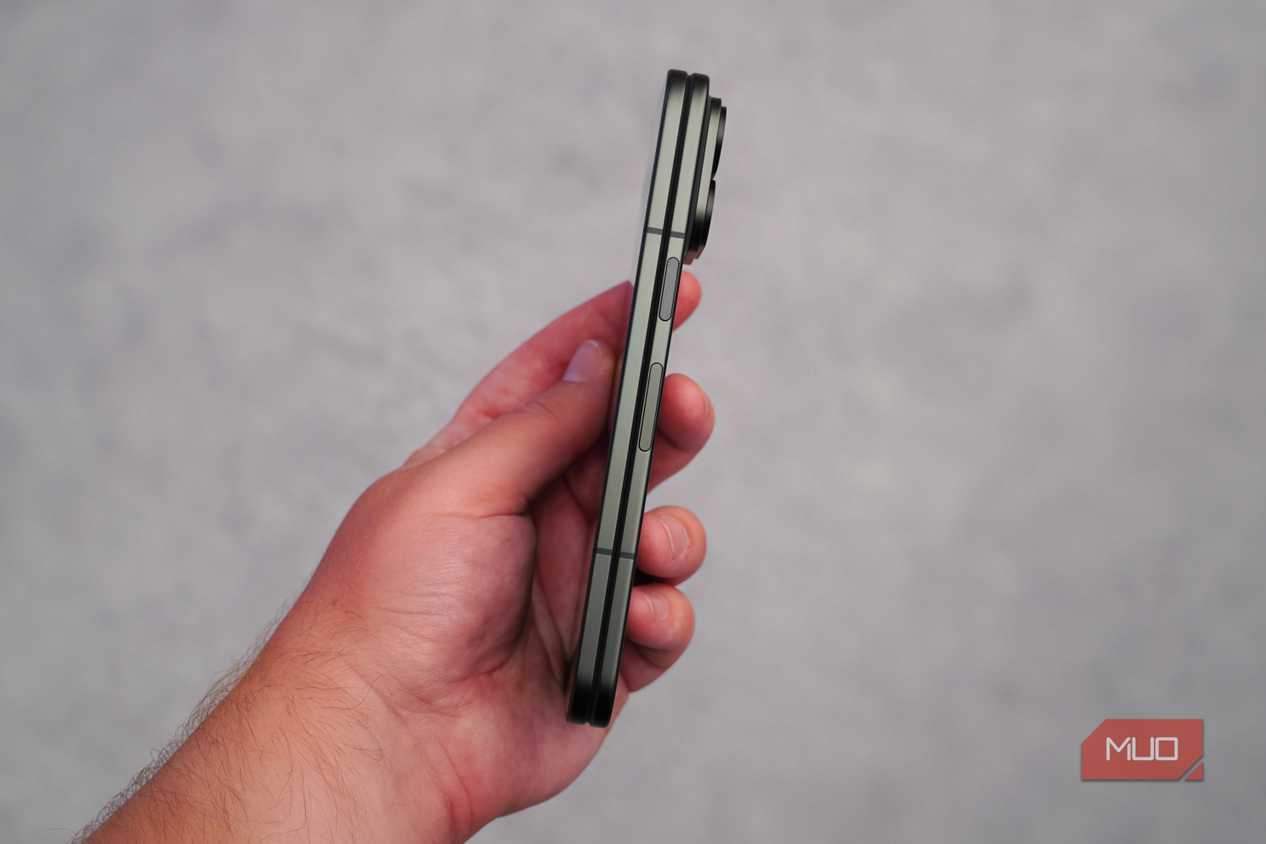
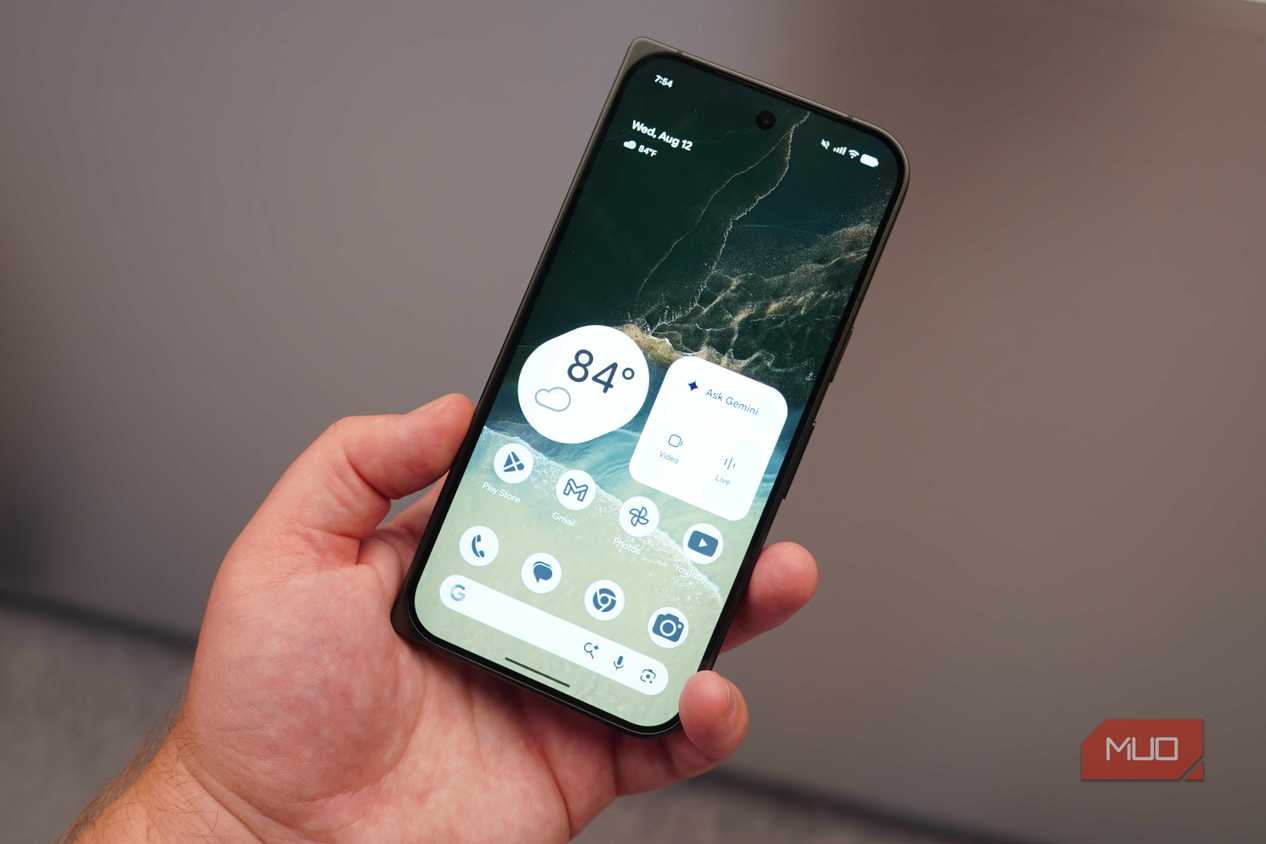

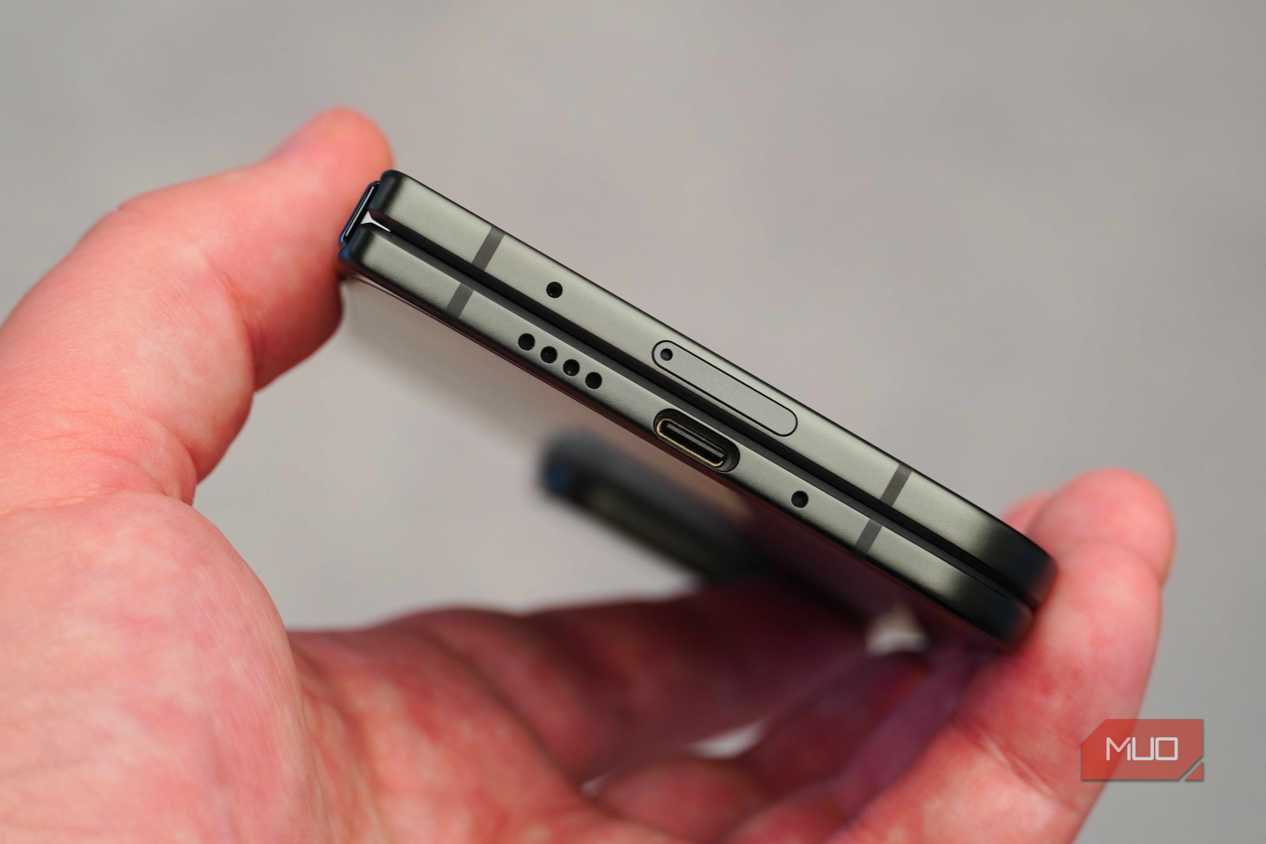


 Credit: Brady Snyder / MakeUseOf
 Credit: Brady Snyder / MakeUseOf
 Credit: Brady Snyder / MakeUseOf
 Credit: Brady Snyder / MakeUseOf
 Credit: Brady Snyder / MakeUseOf


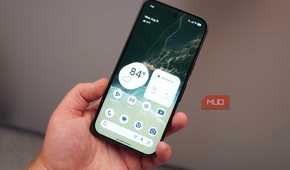


The Titan M3 and its support for post-quantum cryptography aren't reasons to buy the Pixel 11, per se. There's no immediate need to upgrade — the Titan M2 inside the Pixel 6 through Pixel 10 series will do just fine safeguarding your data in the short term (and likely in the long term, too).
Still, it's nice to know Google is thinking ahead and building the Pixel 11 with protection against the emerging threats of the future. The Pixel 11 is guaranteed to get Android OS and security updates through 2033, and it's conceivable that quantum computers could break encryption before then. As such, this is a necessary step. It's in line with the NIST's official guidance, and in fact, the Pixel 11 and Titan M3 meet the government agency's post-quantum cryptography standards.
Considering Google's track record for Pixel hardware, which includes leading Omdia's Mobile Device Security Scorecard for five years in a row, this shouldn't come as a shock. Google takes Android security more seriously than anyone, and the Titan M3 coprocessor proves it.

Google Pixel 11
- SoC
- Google Tensor G6
- Display
- 6.3-inch Actua display
- RAM
- 12GB
- Storage
- 256 or 512GB
- Battery
- 4985 mAh
- Brand
The starter Google Pixel 11 isn't the flashiest Android phone of the bunch, but it's the one that resonated with me the most. The slimmer camera bar makes the Pixel 11 feel modern and sleek, and it's powered by the same Tensor G6 processor as the rest of the series. For $900, this is a solid Android flagship.