


There's never been a better time to buy a foldable. Samsung, Google, and Motorola are firing on all cylinders, giving U.S. buyers more foldable choices than ever before. The Samsung Galaxy Z Fold 8 Ultra is the leader in raw specs, but it's not for everyone, and it's also the most expensive. The better choice might be to pick from one of the three $1,899 big-screen foldables: the Galaxy Z Fold 8, Google Pixel 11 Pro Fold, and Motorola Razr Fold. If the wide Galaxy Z Fold 8 isn't your style, that leaves the latest Google and Motorola foldables.
I've spent over a week testing the Pixel 11 Pro Fold and the Razr Fold side-by-side, and they're more similar than you may think. Neither phone is perfect, with the Pixel 11 Pro Fold focusing on durability and Qi2 support and the Razr Fold electing to include a better chip, battery, and camera system. After using both folding phones, there's only one with hardware that feels a generation ahead. I can't count the other phone out, though, because it nearly perfects Android software and build quality.
The Pixel 11 Pro Fold nails durability and Qi2 support
Plus, it packs Android 17 with a whopping seven years of OS updates

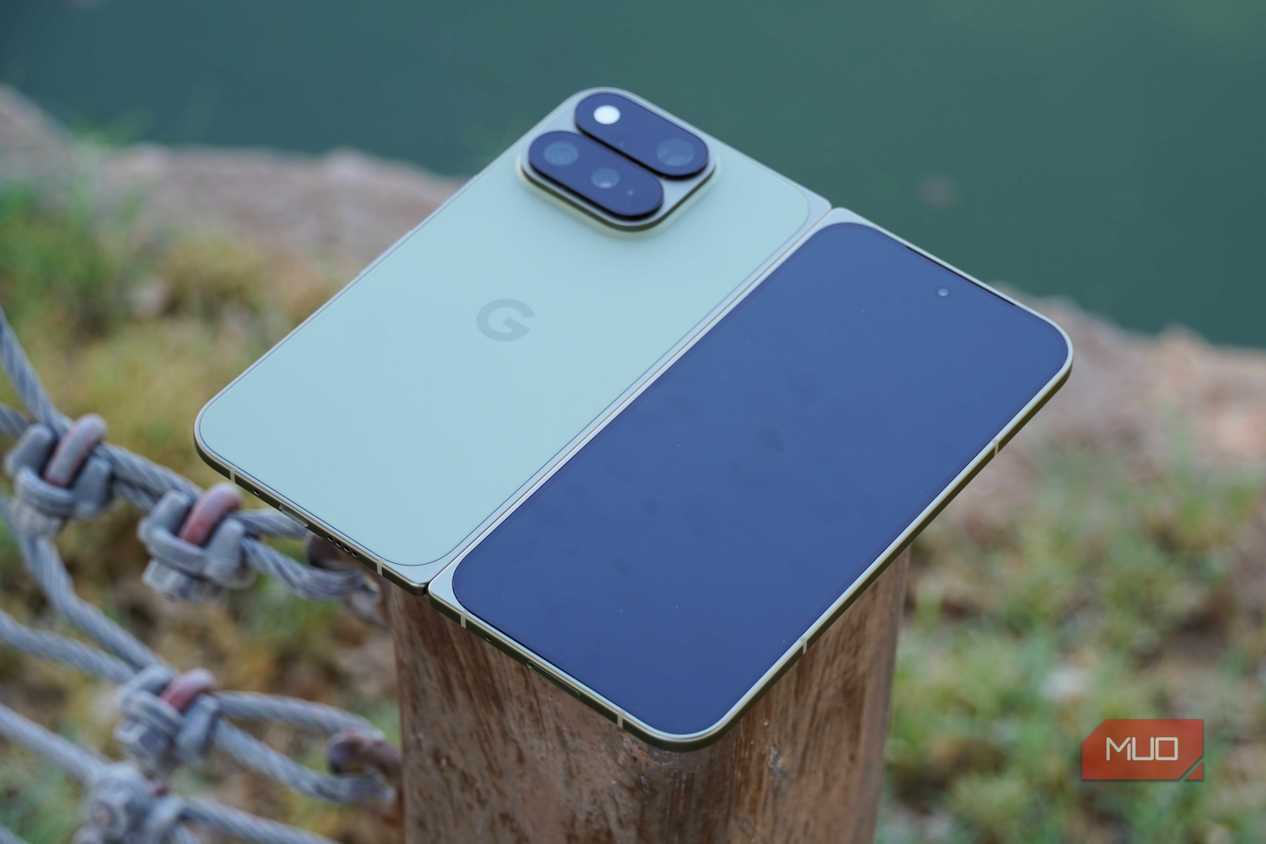
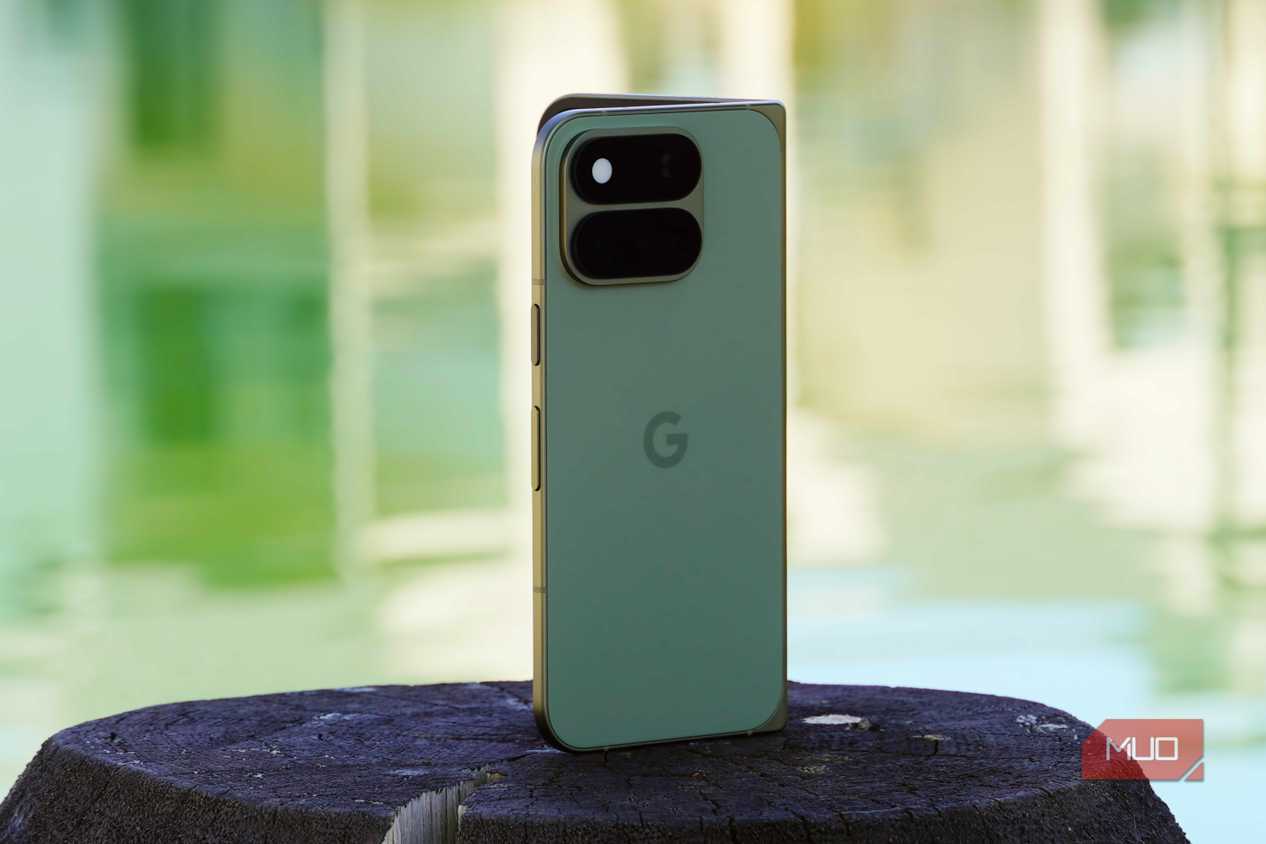
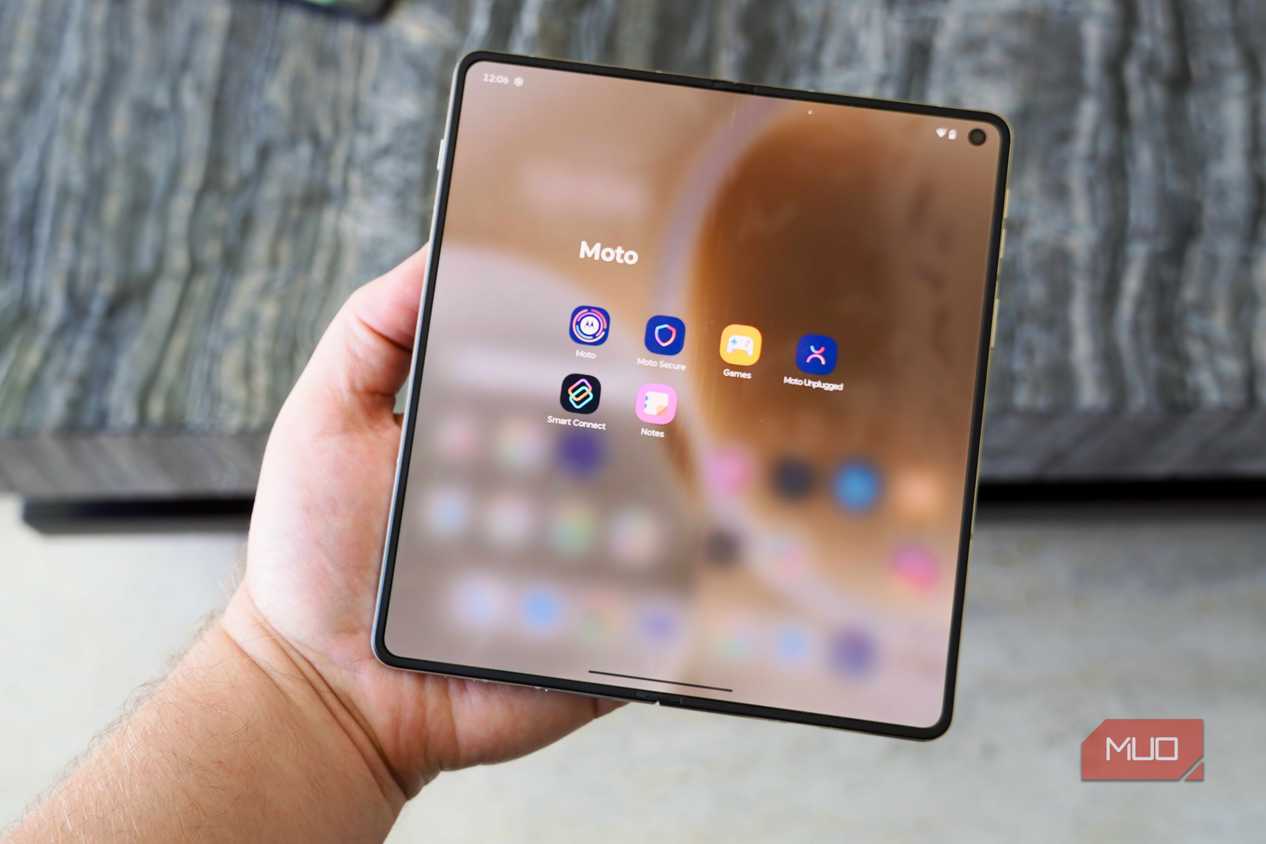
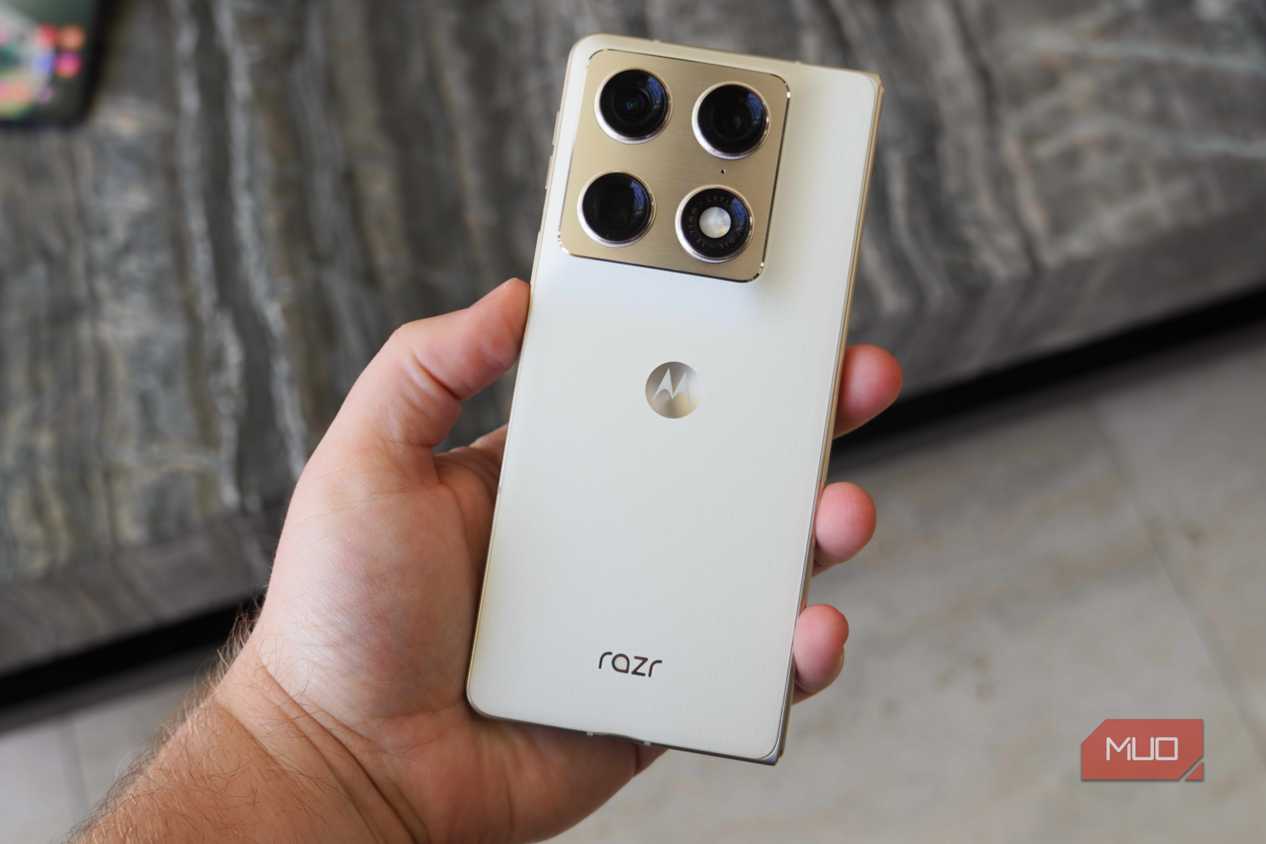
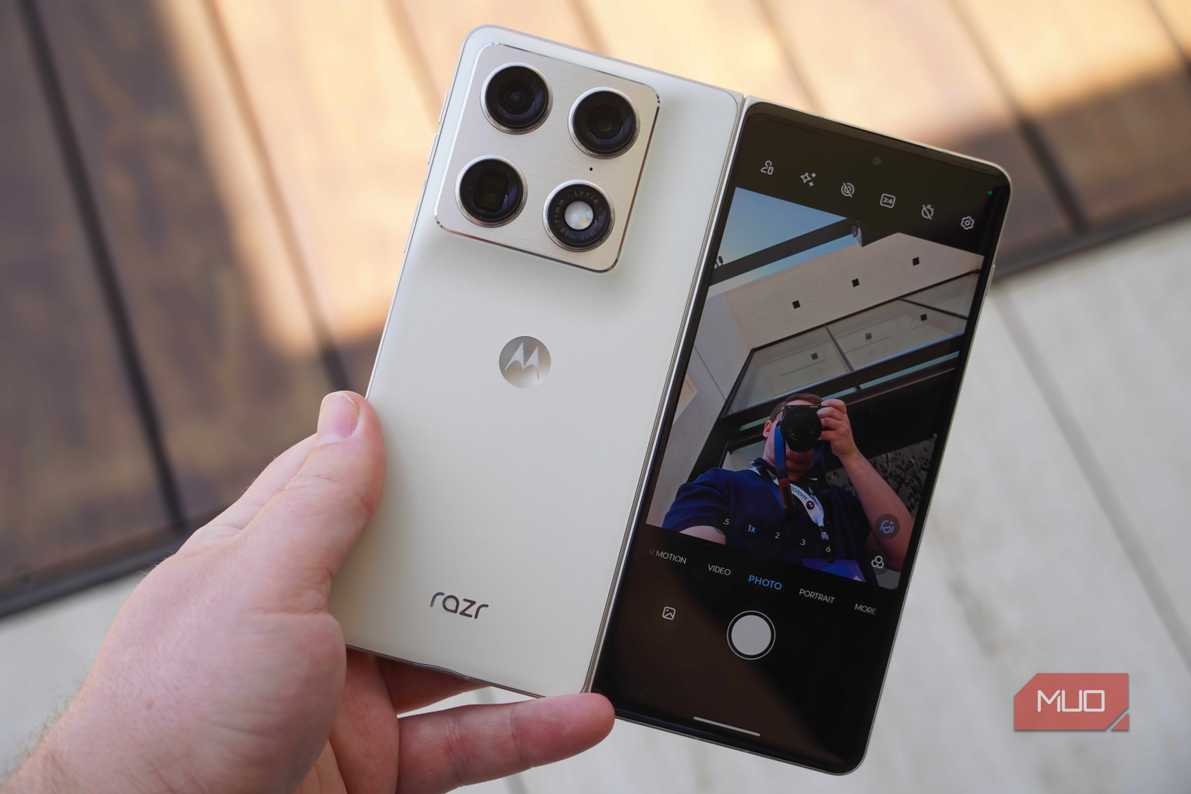
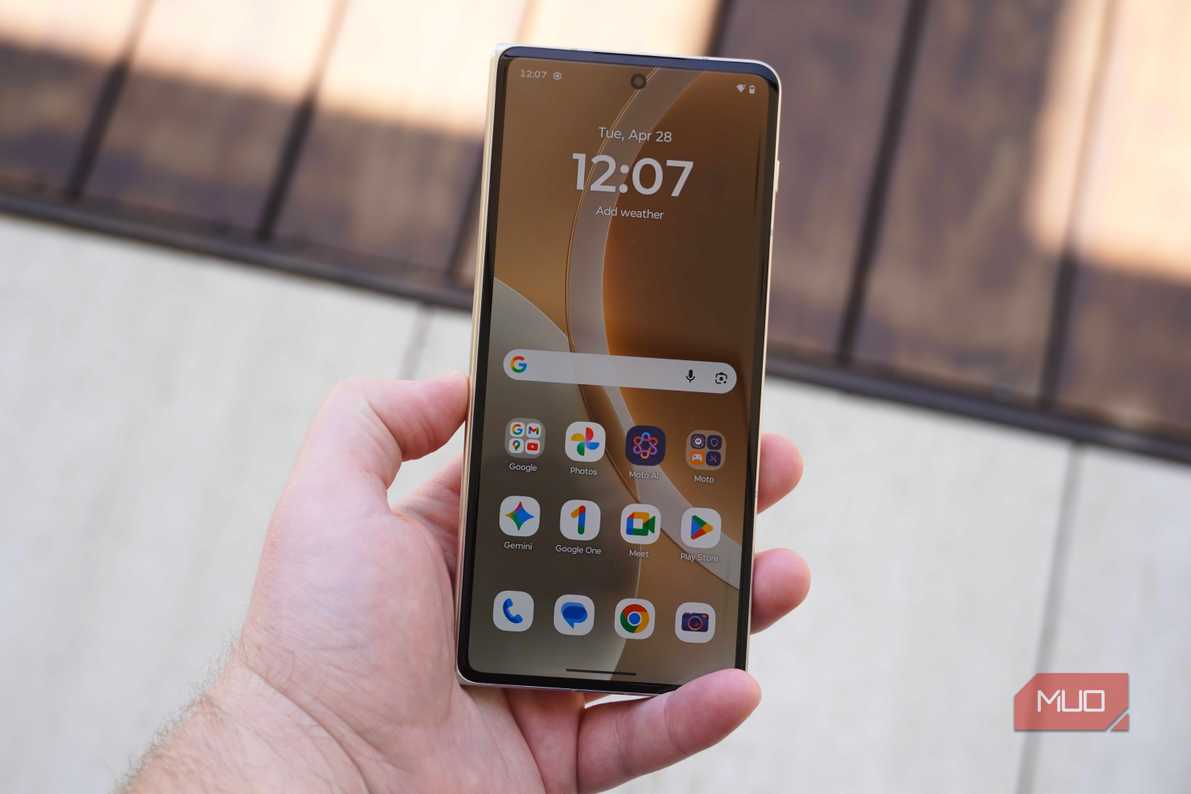
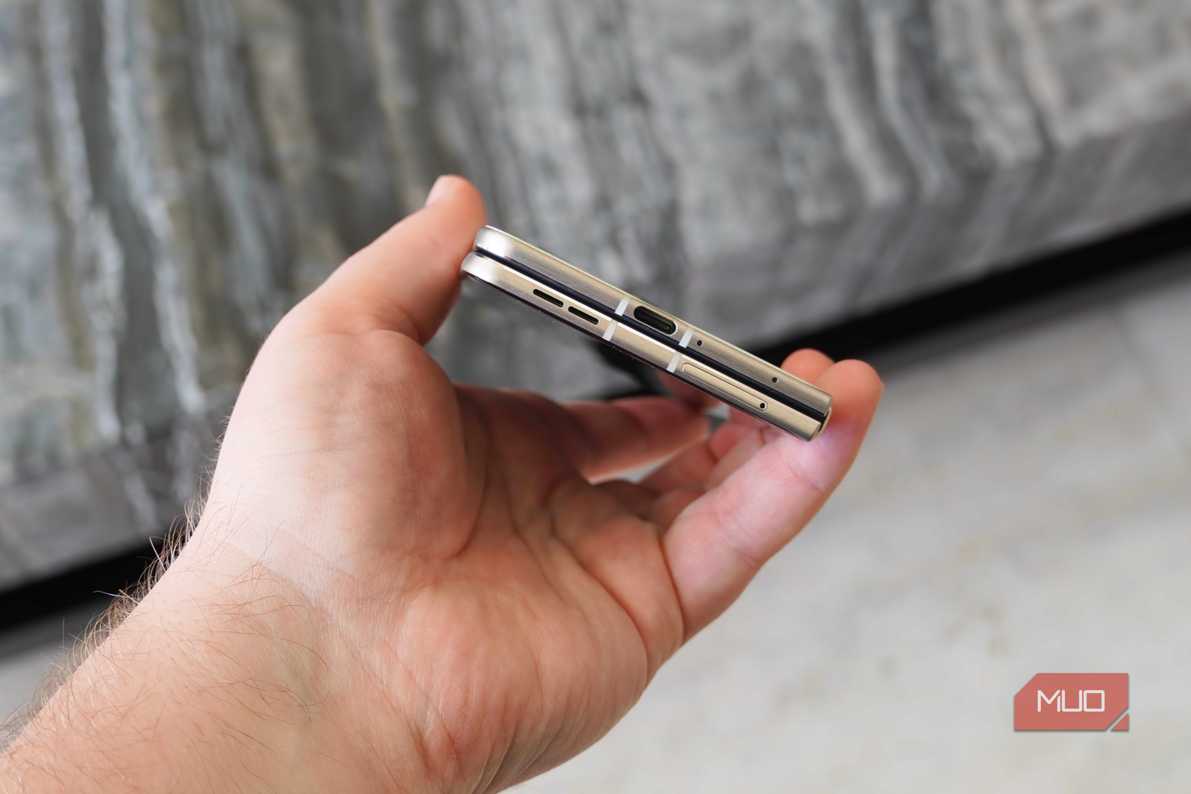
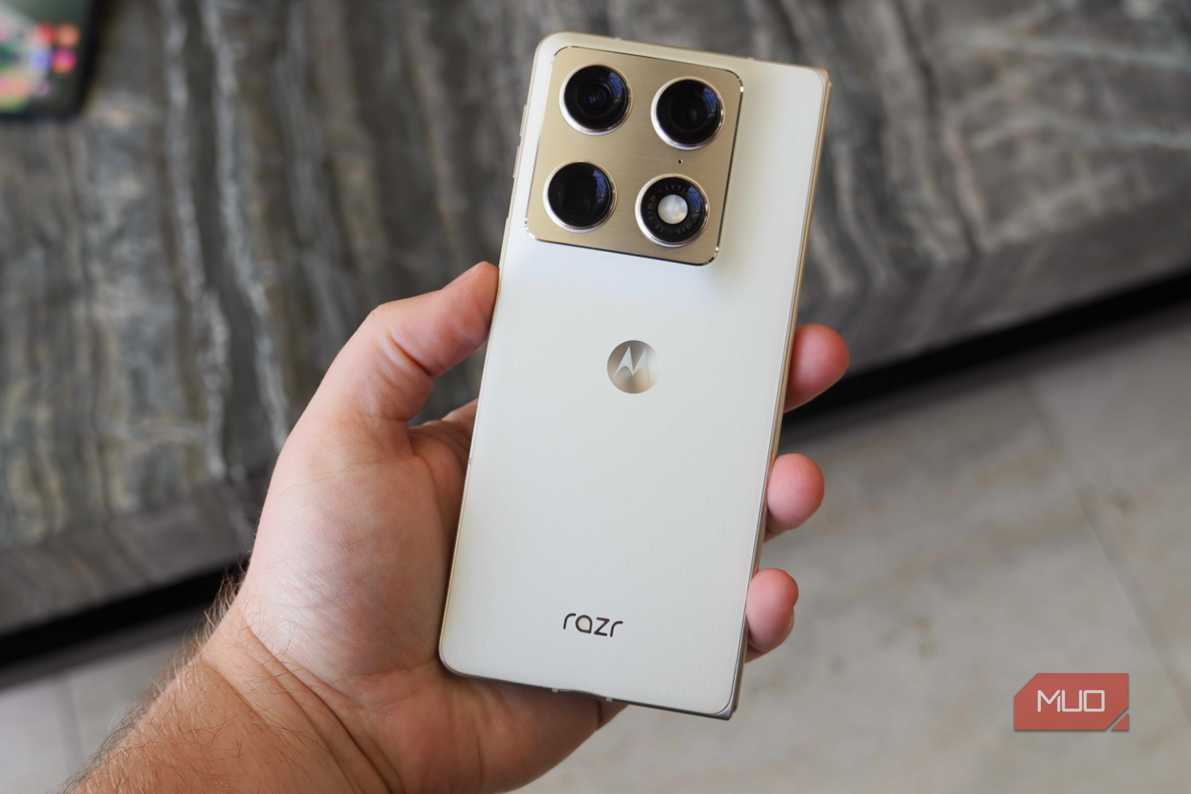
The Pixel 11 Pro Fold and Razr Fold both feature design quirks and build quality characteristics that differentiate them from Samsung foldables, which are bland by comparison. Motorola's calling card is a partnership with Pantone, as both the Blackened Blue and Lily White color options sport vegan leather backs and Pantone-inspired colorways. It's more than a cosmetic upgrade, as the soft vegan leather makes the Razr Fold a joy to hold, whereas the Pixel 11 Pro Fold's frosted glass back doesn't create the same effect.
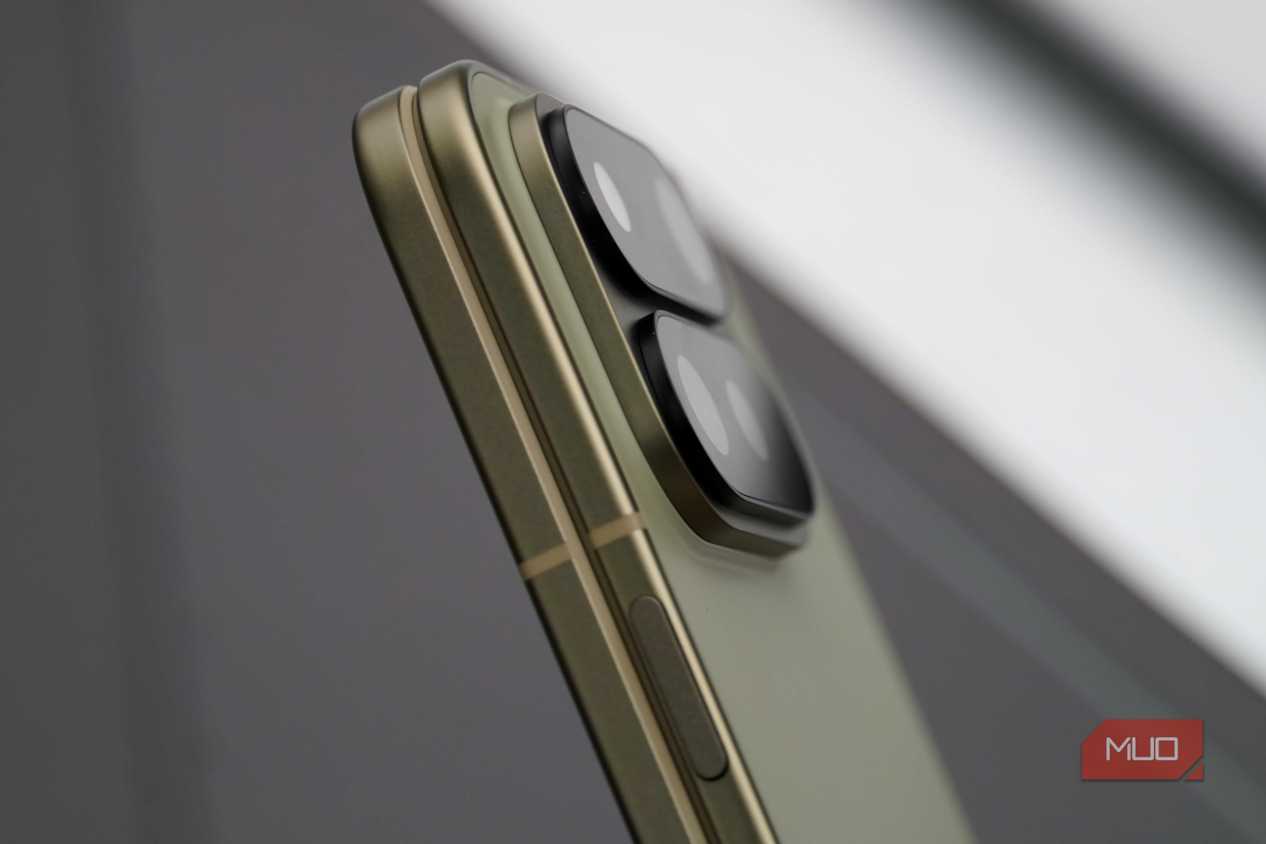
I'm not too big a fan of Google's Obsidian (black) and Olive (green) colorways for the Pixel 11 Pro Fold. Regardless, Google is making a name for itself for foldable build quality. The Pixel 11 Pro Fold and the Pixel 10 Pro Fold are still the only foldables sold in the U.S. with an IP68 durability rating. This means that, in addition to offering IPX8 water resistance, the Pixel 11 Pro Fold is completely dustproof. It's a crucial build quality spec for foldables, as it means the hinge and folding display won't break after a sandy beach day or because of a piece of pocket lint.


 Credit: Brady Snyder / MakeUseOf
 Credit: Brady Snyder / MakeUseOf
 Credit: Brady Snyder / MakeUseOf
 Credit: Brady Snyder / MakeUseOf
 Credit: Brady Snyder / MakeUseOf
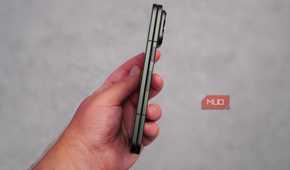

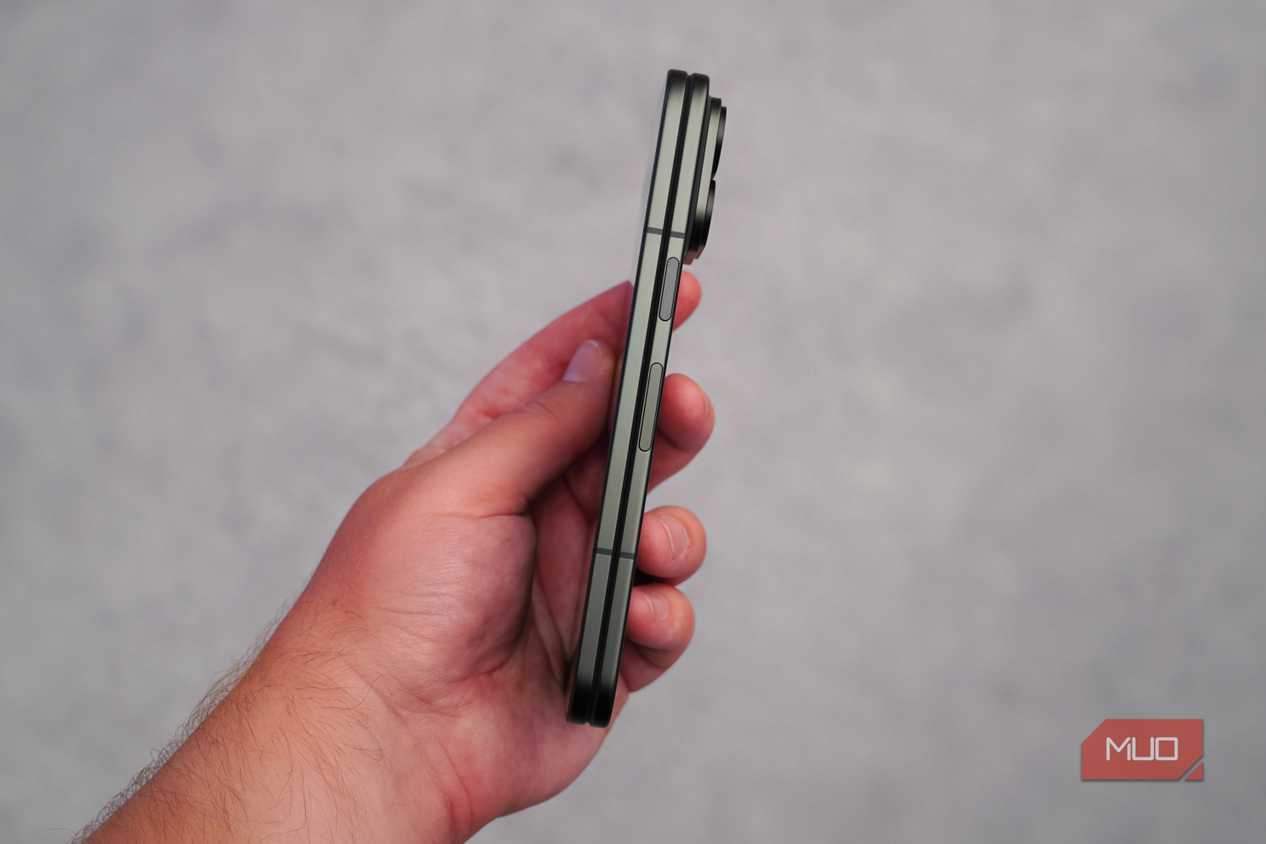
While the Razr Fold's 9.89mm frame is slightly slimmer than the Pixel 11 Pro Fold's 10.1mm chassis, Google earns itself a pass. That's because the Pixel 11 Pro Fold packs Qi2 magnets within, enabling easy connection with MagSafe, Qi2, and Pixelsnap chargers and accessories. It's easy to throw a MagSafe case on a traditional smartphone to add magnetic accessory support. For foldables, these cases are clunky, and they usually come in two parts and require adhesive strips. They make already-thick foldables even thicker, and that's why I vastly prefer foldables with inbuilt magnets — and Google is the only company making them.
Google's Pixel 11 Pro Fold also supports Qi2.2 25W fast wireless charging. The Razr Fold's 50W wireless charging support shines on the spec sheet, but it only works with Motorola's official wireless charger (sold separately). The phone's actual Qi rating is up to 15W, so the Pixel 11 Pro Fold is likely to charge faster on common Qi2 chargers.

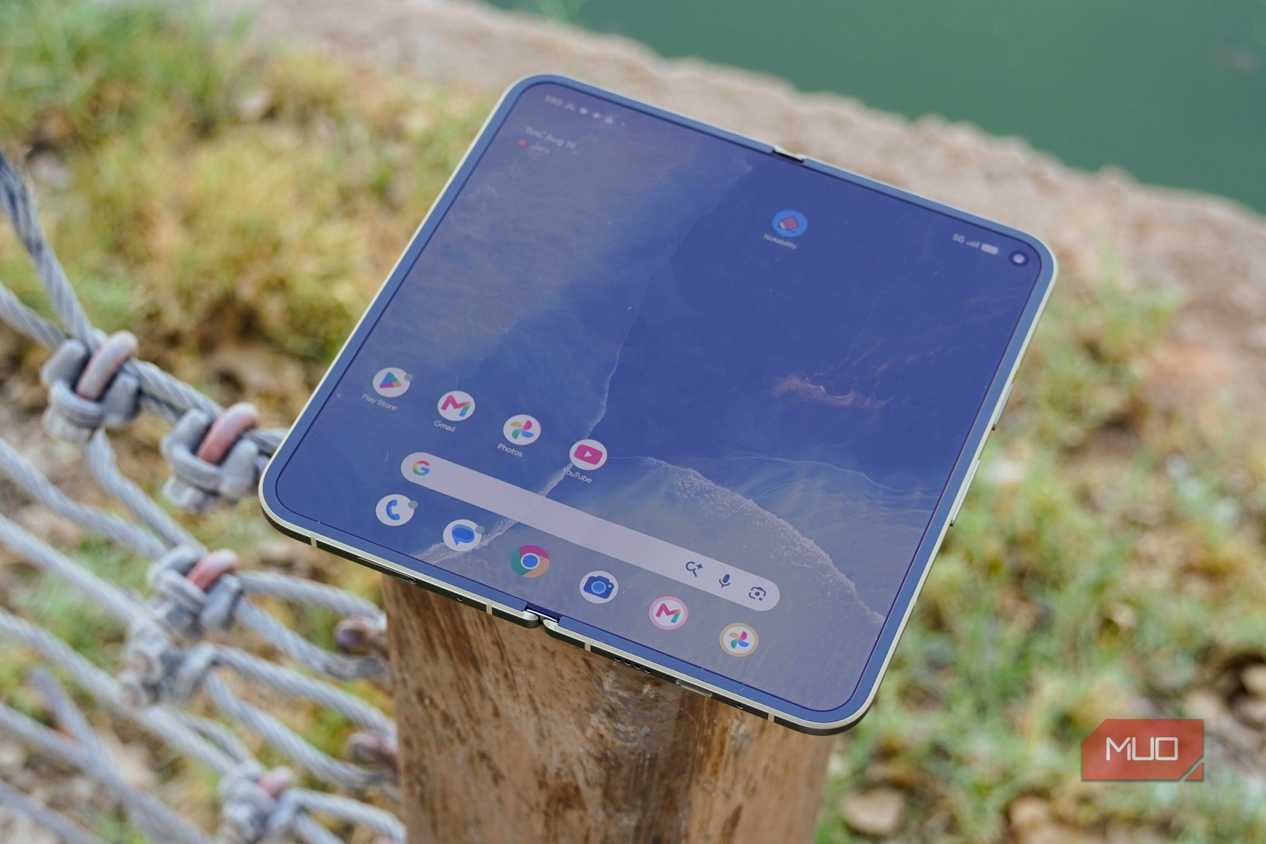
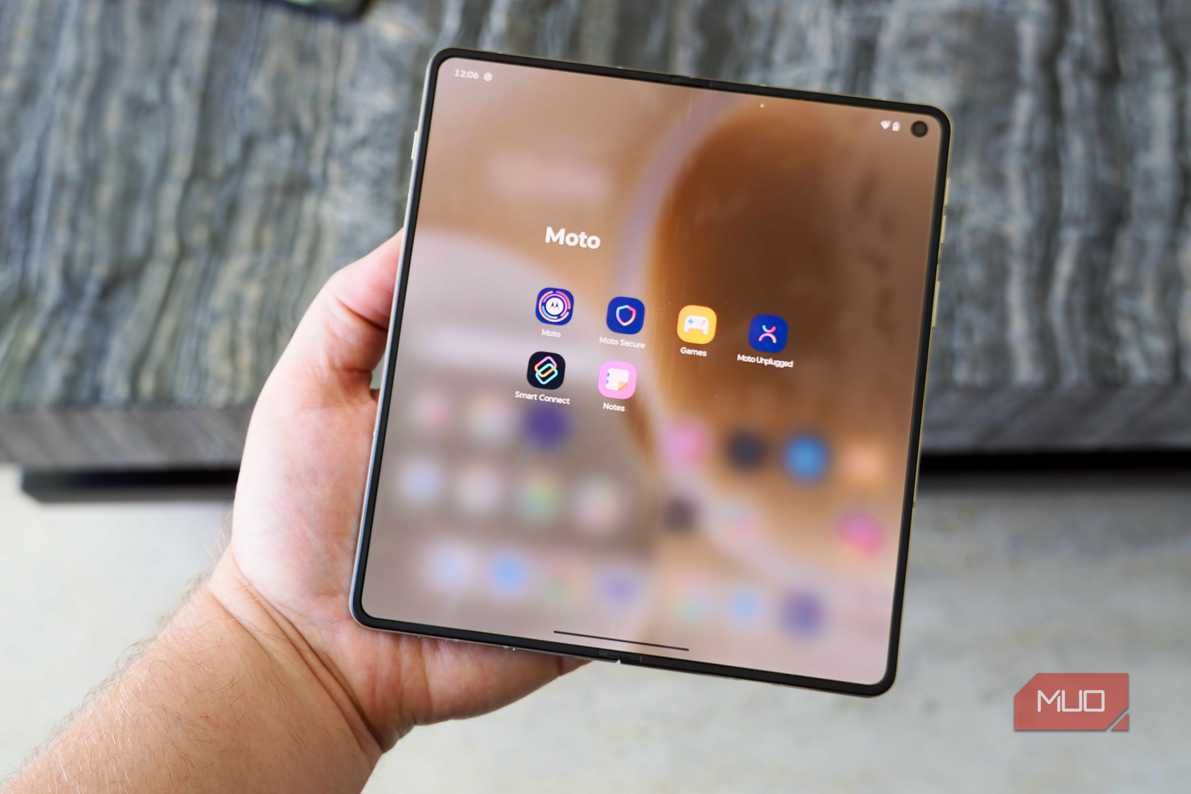
Despite both the Pixel 11 Pro Fold and the Razr Fold targeting nearly square (1:1) aspect ratios for their folding displays, their form factors are different. The Pixel 11 Pro Fold is about five millimeters shorter than the Razr Fold, but the Razr Fold is roughly six millimeters narrower when unfolded.

I find that the Pixel 11 Pro Fold's cover screen is easier to use as a result, and the Razr Fold's folding display is easier to use for the same reason. The Google foldable is hard to reach across and hold due to its wider form factor when unfolded, but it's also tricky to get to the top of the Razr Fold's cover screen when folded.

Google Pixel 11 Pro Fold
- SoC
- Google Tensor G6
- RAM
- 16GB
- Storage
- 256GB, 512GB, 1TB
- Battery
- 4750 mAh
- Brand
- Ports
- USB-C 3.2
The Google Pixel 11 Pro Fold is a folding phone powered by the Tensor G6 processor, featuring a large 8-inch main screen and a capable 6.5-inch cover screen. It sports a reimagined design that's both thinner and lighter than its predecessor, complete with a glowing HiLight orb on the back. The Pixel 11 Pro Fold is still unique for its IP68 durability and magnetic Qi2 support. While the battery is smaller, it charges faster now. It's ready for Gemini Intelligence, so you can enjoy all of Google's best AI features on your foldable.
The Razr Fold wins in performance, battery, and cameras
The multitasking software is great, too — but the support window isn't

The Razr Fold doesn't have IP68 durability or magnetic Qi2 support, two features I consider very important for foldables. However, Motorola's hardware shines in other ways. The base Razr Fold configuration has 12GB of RAM, but the higher-tier 512GB and 1TB storage models have the same 16GB of memory as the Pixel 11 Pro Fold. While Google's foldable is powered by the Tensor G6 chip, Motorola's competitor runs on the Qualcomm Snapdragon 8 Gen 5 chip. This isn't an "Elite" chip, but it's still enough to push the Razr Fold ahead of the Pixel 11 Pro Fold in terms of performance.
|
Google Pixel 11 Pro Fold (Google Tensor G6) |
Motorola Razr Fold (Snapdragon 8 Gen 5) |
|
|---|---|---|
|
Geekbench 7 (single / multi / GPU) |
1,967 / 4,289 / 3,249 |
1,103 / 5,717 / 13,430 |
|
Geekbench 6 (single / multi / GPU) |
2,655 / 5,963 / 7,657 |
2,612 / 8,809 / 17,513 |
|
Geekbench AI (quantized) |
2,930 |
4,101 |
|
3DMark Steel Nomad Light |
1,122 |
1,883 |
|
Steel Nomad Light Stress Test (Lowest / Best / Stability) |
678 / 767 / 88.4% |
1,124 / 2,021 / 55.6% |
|
CrossMark (Overall / Productivity / Creativity / Responsiveness) |
1,402 / 1,559 / 1,228 / 1,518 |
1,052 / 829 / 821 / 4,518 |
The benchmarks reveal that the Pixel 11 Pro Fold holds its own against the Razr Fold in single-core CPU tests, but the Motorola foldable wins in multi-core workflows. It crushes the Pixel 11 Pro Fold in gaming and graphics-heavy tests, areas that Google's Tensor chips have historically struggled with.
That isn't even the best thing about the Razr Fold. That would be the 6,000mAh silicon-carbon battery that enables true multi-day battery life. Meanwhile, the Pixel 11 Pro Fold's battery actually shrunk this year from 5,015mAh to 4,806mAh. This is because the Google foldable still uses a lithium-ion battery chemistry that lacks the density benefits of silicon-carbon technology, and to slim the Pixel 11 Pro Fold's frame, it needed to ditch capacity.
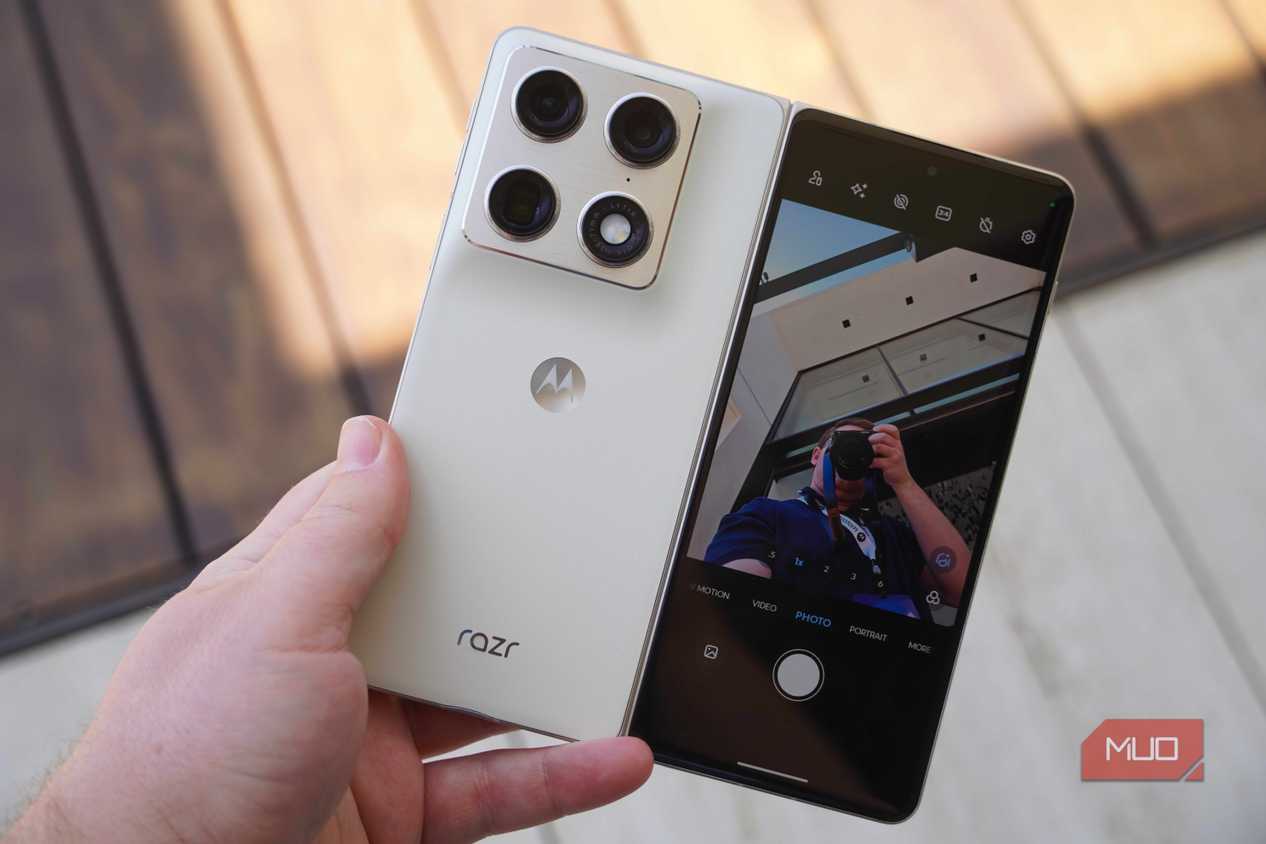
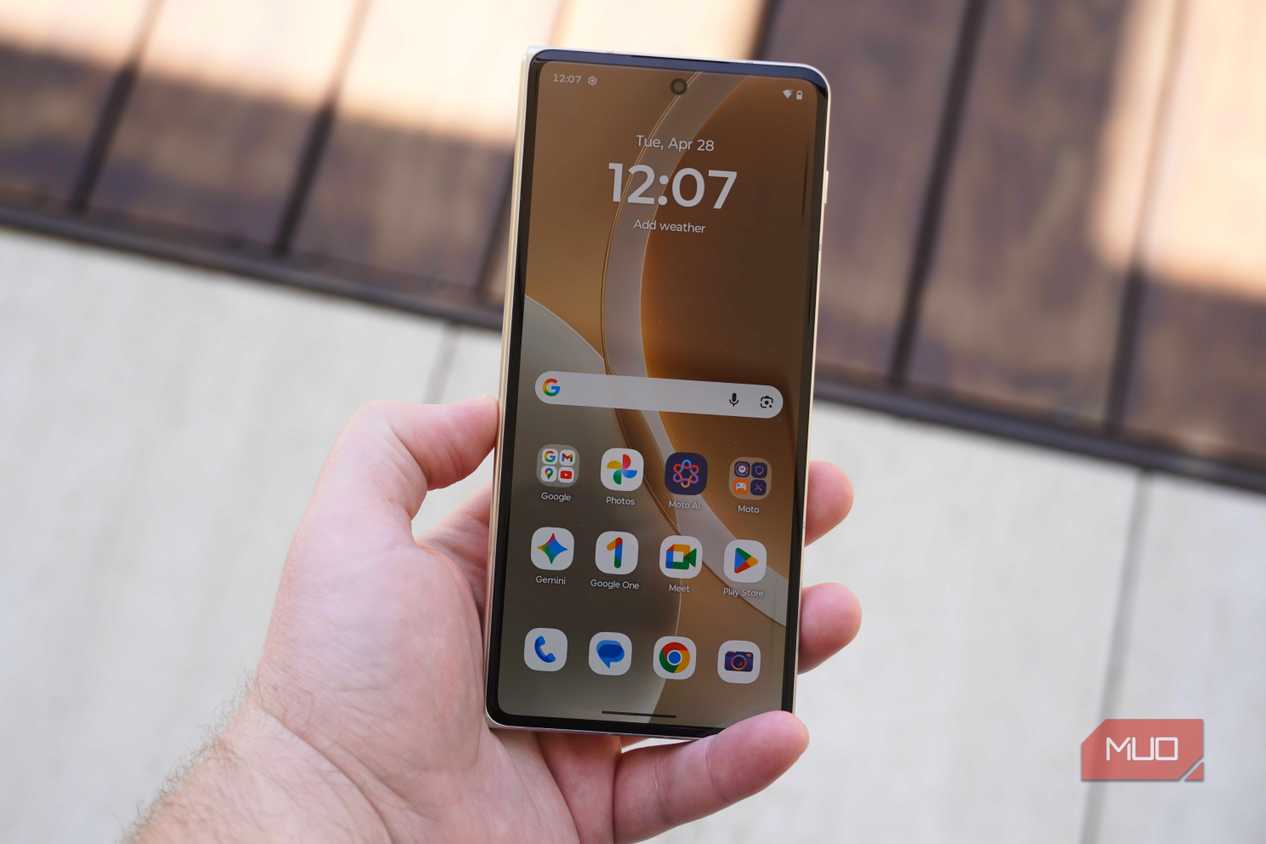
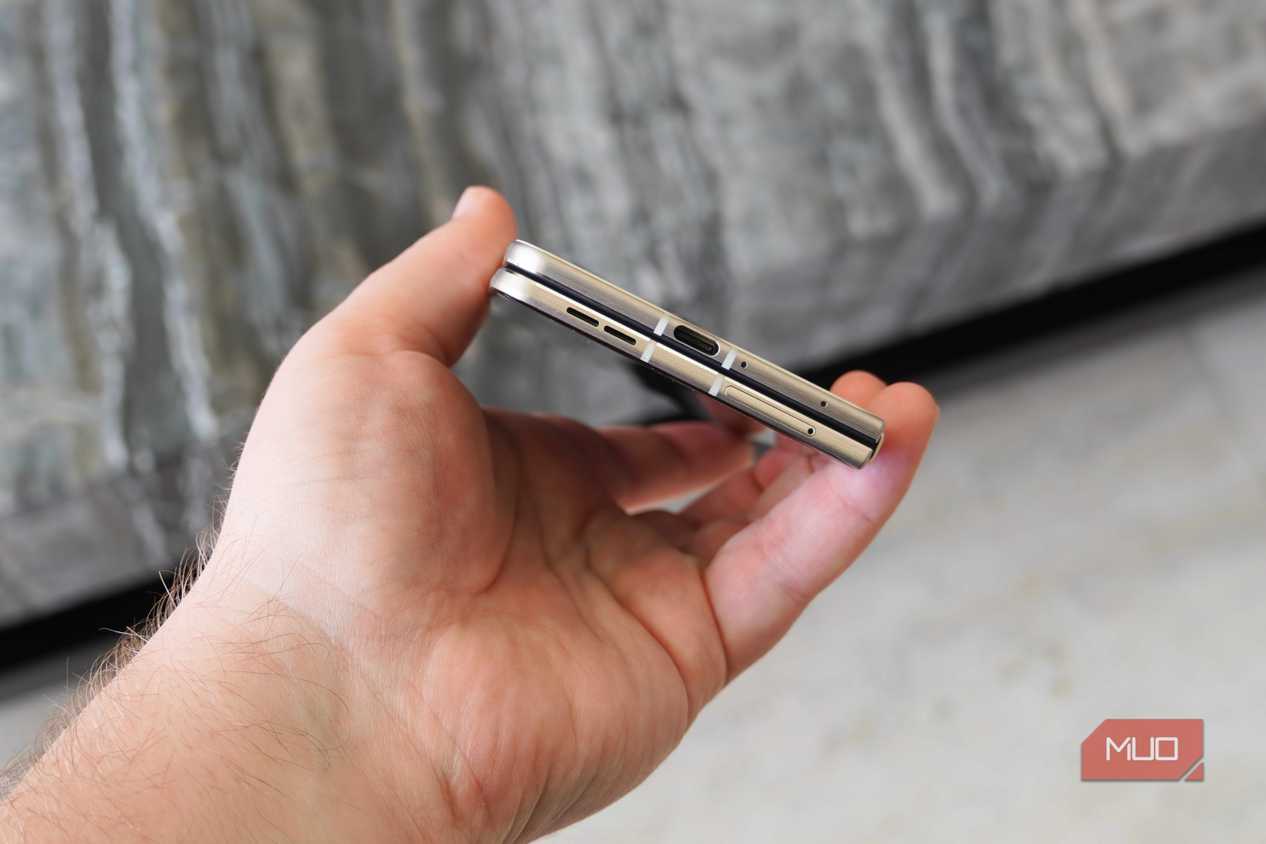


 Credit: Brady Snyder / MakeUseOf
 Credit: Brady Snyder / MakeUseOf
 Credit: Brady Snyder / MakeUseOf
 Credit: Brady Snyder / MakeUseOf
 Credit: Brady Snyder / MakeUseOf
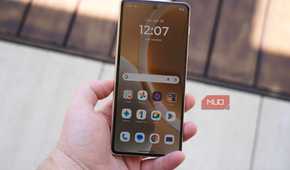
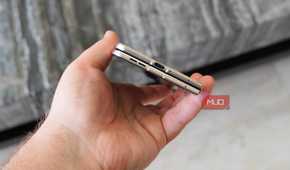
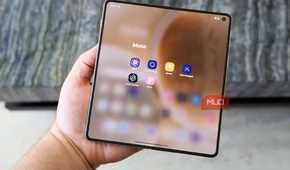
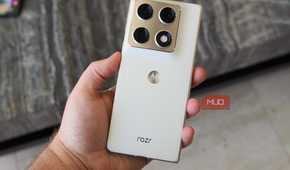
You can expect solid camera performance out of both the Pixel 11 Pro Fold and the Razr Fold's primary shooters, but the Motorola foldables have better secondary cameras. The Razr Fold's 3x telephoto lens is a 50MP sensor, and the 122-degree ultrawide shooter is also 50MP. By comparison, the Pixel 11 Pro Fold's telephoto lens is 10.8MP and the ultrawide camera is 10.5MP.

Motorola Razr Fold
- SoC
- Qualcomm Snapdragon 8 Gen 5
- RAM
- 16GB
- Storage
- 512GB
- Battery
- 6,000mAh silicon-carbon
- Operating System
- Android 16
- Front camera
- 32MP external, 20MP internal
The Motorola Razr Fold is a formidable challenger to Google and Samsung foldables in the U.S., complete with a 6,000mAh silicon-carbon battery and stylus support on both of its screens. It packs slick Pantone colorways and an 8.1-inch foldable OLED display. Plus, it can charge at a whopping 80W over a cable and at 50W wirelessly.
This foldable's hardware feels a generation ahead
But this foldable's software and quality-of-life perks keep it relevant

Google's Pixel 11 Pro Fold is the only foldable with IP68 durability and magnetic Qi2 support — these features alone will keep it relevant. That said, Motorola's hardware is more advanced overall. The Razr Fold packs a better processor, a larger battery, and a trio of 50MP camera sensors on the back. If you want the best performance for your money, the Razr Fold should be your pick at the $1,899 price point. I just can't count out the Pixel 11 Pro Fold, because it still has peak Google software and the two aforementioned exclusives.