


I love Linux. It lets me tinker, customize, and break things to my heart’s content, making it an incredible learning experience for diagnosing system issues. But it’s natural that not everyone shares this enthusiasm. Most people don’t want to learn the ins and outs of an installation—they just want an operating system that works out of the box without requiring a terminal or a complete reinstallation. Linux still takes a lot of work compared to Windows or macOS, and for key reasons, it may never overthrow Windows on the desktop. Honestly? That's perfectly fine.
Microsoft has the advantage of having Windows 11 shoved into almost every system
Flashing a different operating system can be a scary experience for a lot of people

Windows is the default operating system on almost every pre-built PC and laptop, giving Microsoft a massive head start. Because most users buy a computer with Windows 11 already baked in, few ever feel the need to look elsewhere. Switching operating systems—Linux or otherwise—is an intimidating prospect for average consumers who just want a machine that works out of the box.
While beginner-friendly distributions like Linux Mint, Bazzite, and CachyOS have drastically lowered the barrier to entry, Linux still inherently demands a bit of tinkering. At some point, users will likely need to open the terminal, and that friction alone keeps Windows firmly entrenched as the mass-market standard.
Linux mostly “just works”, but when it breaks, it does so spectacularly
It’s still very much a tinkerer’s OS


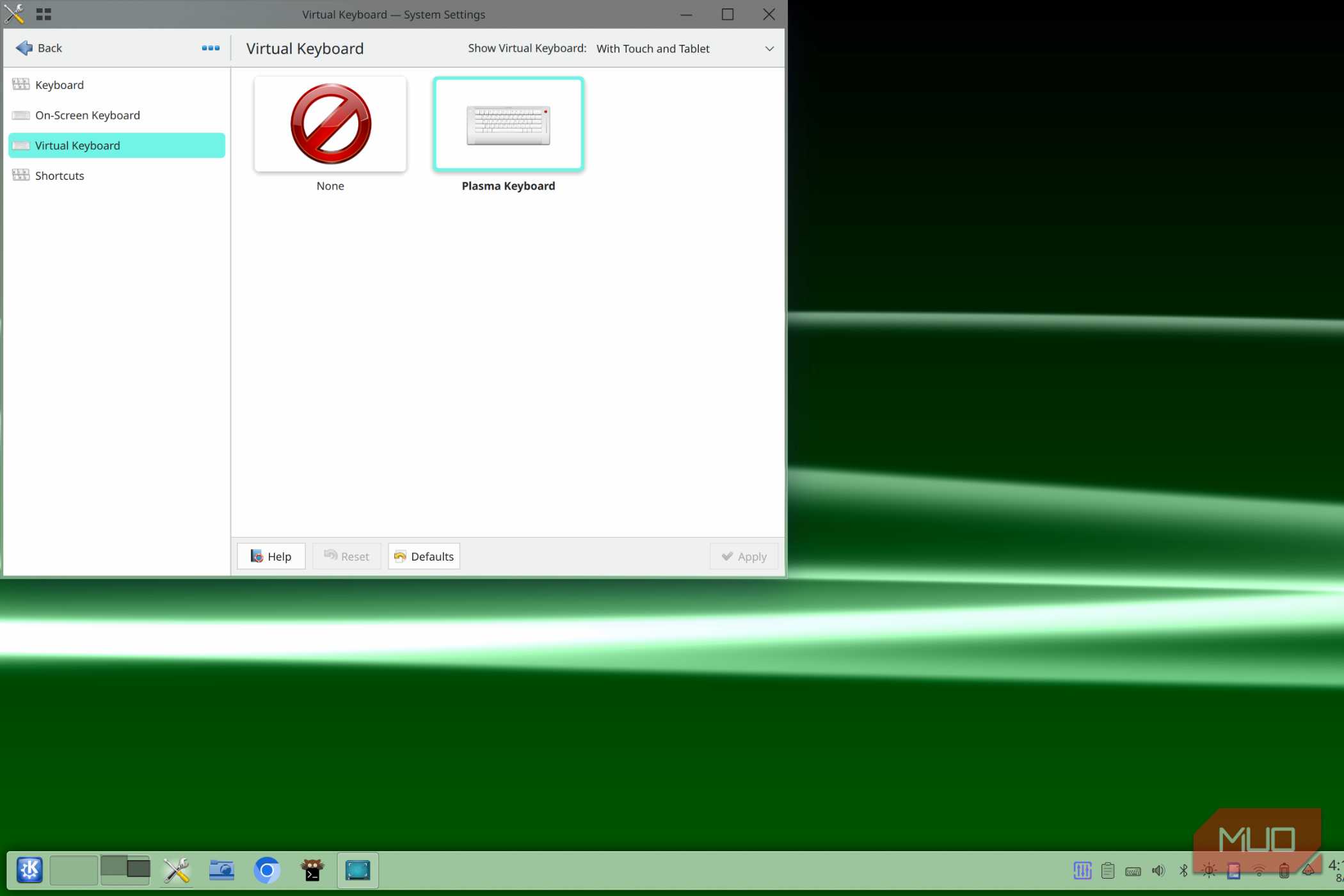
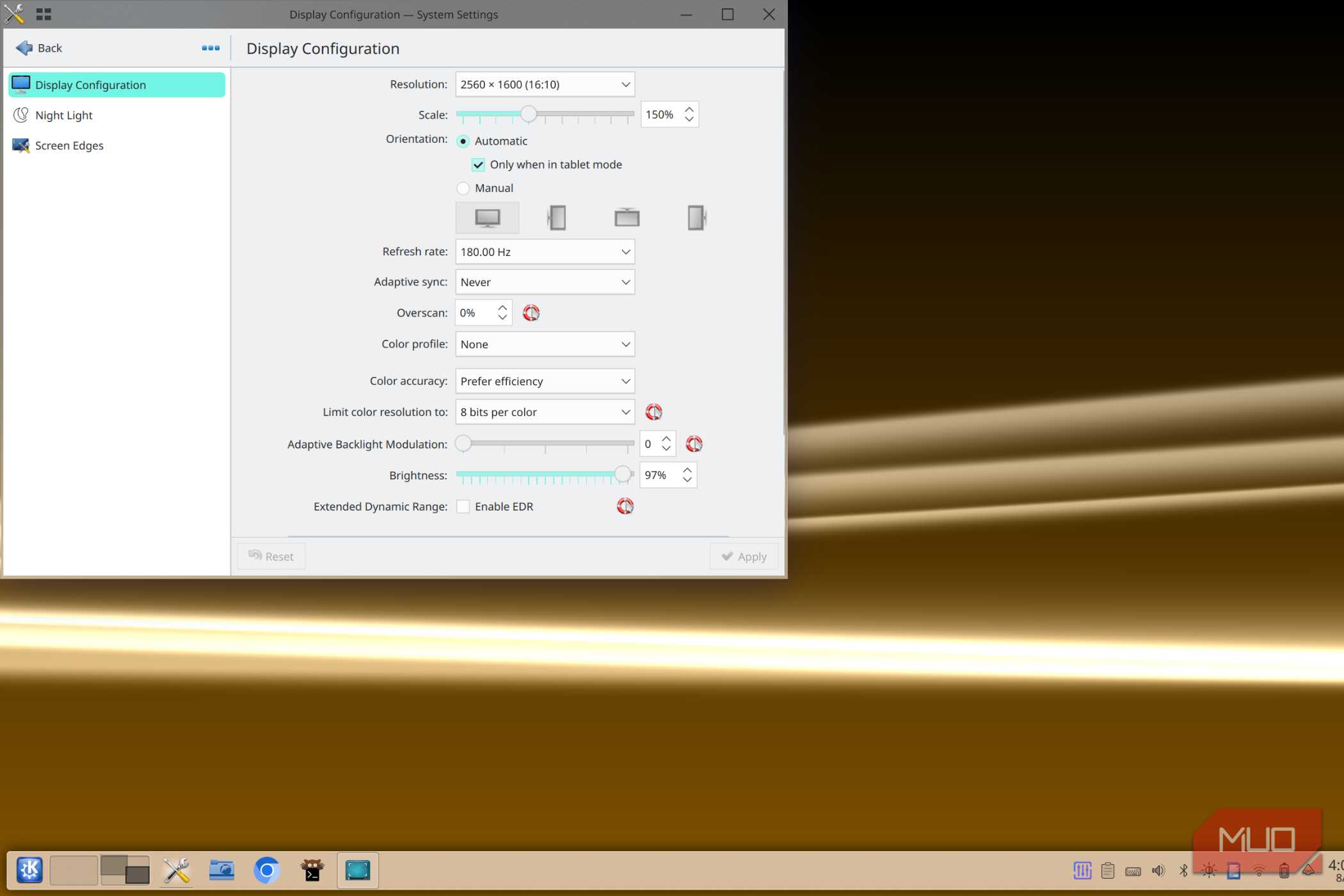
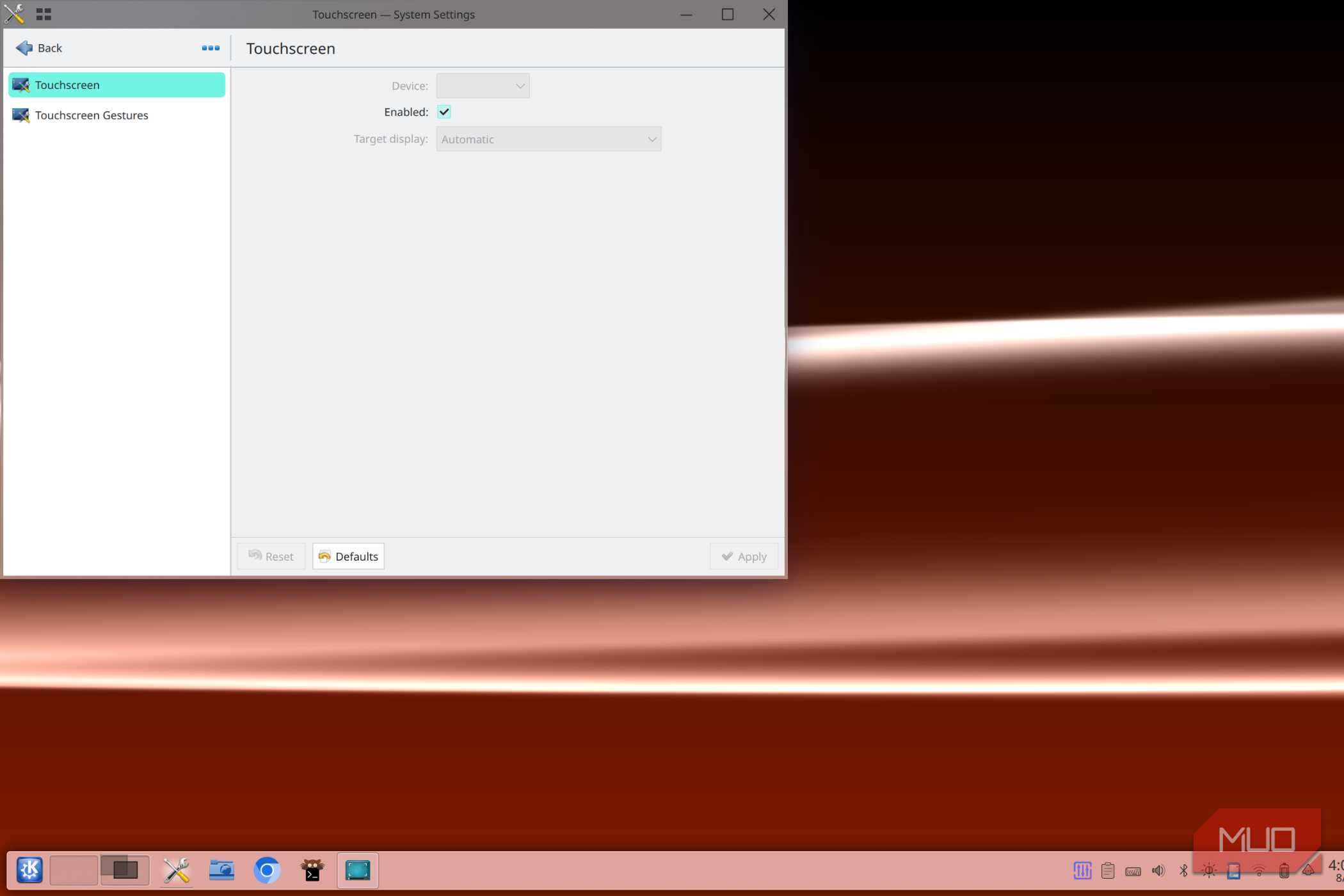
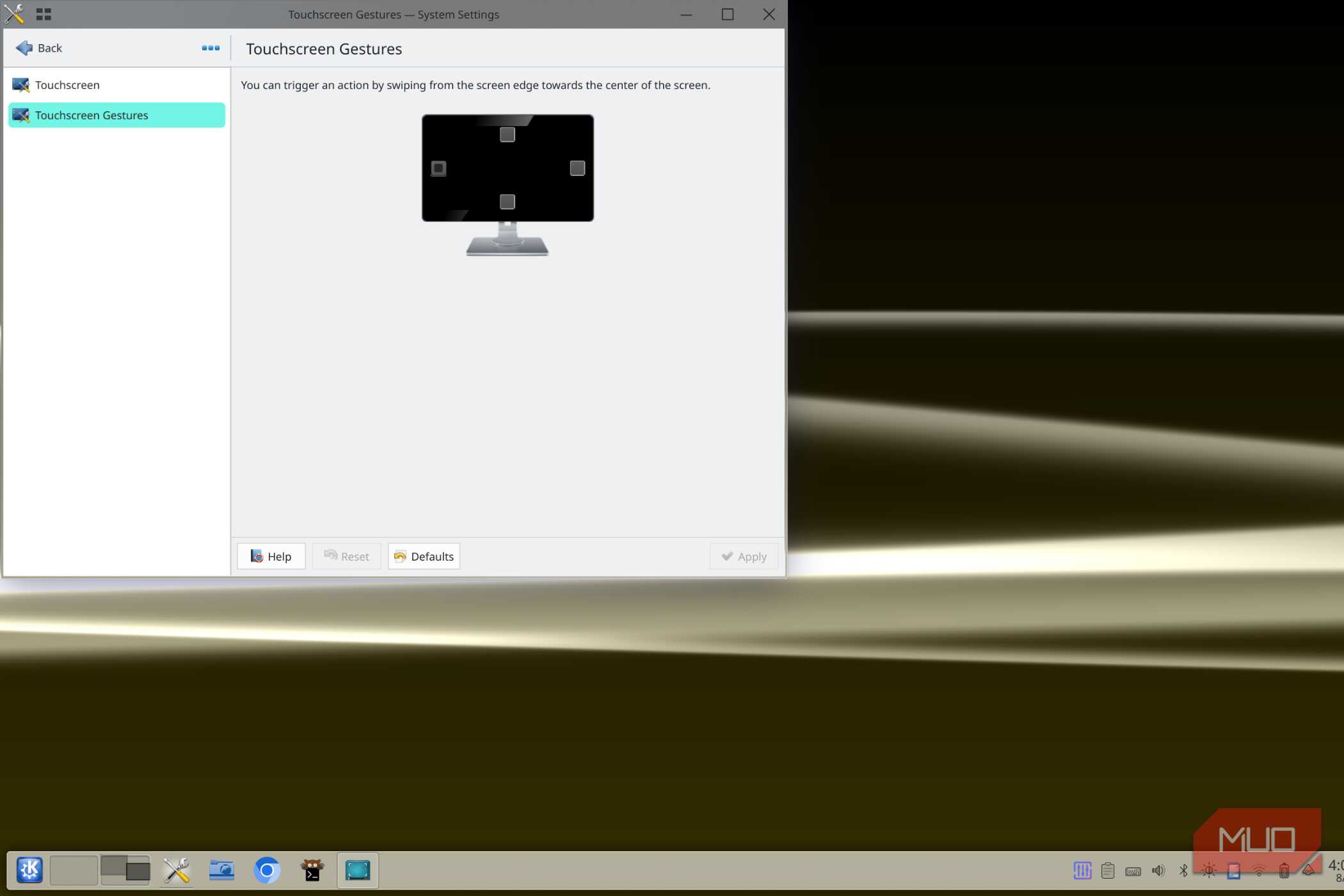


Recently, there’s been a surge in immutable distributions like SteamOS. As much as I personally despise immutable distros, they do have a clear appeal for newcomers since they're far less prone to breakage. That makes them easy to recommend for a "just works" setup—and it's why devices like the Steam Deck make such great low-power desktops, not just handheld consoles. Everyday desktop environments like GNOME and KDE are effortless to configure, and their app stores cover almost everything you need. Almost.
The trouble starts when you introduce less-supported hardware. Whether it's an older kernel missing driver support or a kernel module that needs to be built manually, fixing it isn't as simple as double-clicking an .exe file—and tweaking things can occasionally cause system-wide breakage. This is especially true on rolling-release distros that constantly receive updates like CachyOS.
Getting your hands dirty in the terminal is just part of the deal on Linux. But honestly? That's half the fun. Digging into the guts of your operating system is a great learning experience, and nothing beats the feeling of finally fixing a quirk that's been bothering you for days. If you step outside standard configurations, expect to troubleshoot. While Windows and macOS have their own share of frustrating quirks, Linux remains a tinkerer's OS at heart—and that's precisely why many of us love it.
macOS is the third, more palatable alternative
Apple has struck a good balance here, even if the restrictions are frustrating

In the midst of Microsoft’s many fumbles, Apple has stealthily managed to steal the spotlight. macOS has been growing in popularity, much of it thanks to Apple tightly controlling the hardware and software integration, and the fact that they’ offer a much better deal at present.
macOS is just a much more inviting OS when compared to Windows. There aren’t any adverts, and the OS just feels a lot snappier. That's what makes the MacBook Neo tick with its measly 8 gigabytes of unified memory, and Windows 11 can only hope to dream of this level of optimization.
It’s also a lot easier to dive into compared to Linux, despite both of them being UNIX-based. macOS’s defaults just work better, and when combined with the Apple walled garden, makes for a truly magical experience (even if it can be frustrating).
This is especially true in the laptop space, where macOS remains king. Windows laptops offer incredibly mediocre value for money in terms of specifications. Given that you’d have to use a Windows laptop for proper Linux support, the options start to seem a lot less attractive.
You’ll still need Windows from time to time
Windows drivers are still a hit or miss on Linux. Especially proprietary drivers, like those for your headset or mouse. Razer’s software suite is notoriously difficult to work with, and the fact that there basically exists zero feature-complete alternatives on Linux makes it a big issue.
This is precisely why dual-booting Linux alongside Windows remains necessary for many.. Some things just work better on Windows, and its not really Linux’s fault here. Developing things takes time, and unless the manufacturer shows an interest in the open-source side of things, things can be very slow to get moving indeed.
All things considered, Linux has grown by a sizable margin. It’s now a genuinely good Windows alternative, even managing to outperform Microsoft’s offering on similar hardware. I still do not think that Linux will ever overthrow Windows, which is honestly way too big to be dethroned in any meaningful way.
That being said, I’m fine with how Linux is right now. It’s more than usable, and does everything I need it to, and year of the Linux desktop or not, it will always remain as an alternative OS that rewards those who wish to delve in a bit deeper.