


Desktop Linux has seen a massive surge in popularity in the past few years alone, which, ironically enough, is in no small part thanks to Microsoft. The recent string of Windows hiccups has forced folks to migrate to Linux, and the number seems to be ever-increasing.
Outside of desktops, Linux has always been quietly building the backbone of the internet and almost every other cloud service, while Windows Server seems to slip into the background, unnoticed.
The Linux wave is here, and it doesn’t look to be stopping anytime soon. Not even Microsoft, in all its power, can hope to stand against it.
Linux has always been the popular choice for servers
It’s only recently that desktop Linux has started to gain traction

Desktop Linux gaining traction can be regarded as a relatively new phenomenon, but the same has not been true for cloud computing and server workloads for very long. In fact, Linux has quietly become the de facto choice for running web servers, while Microsoft’s own Windows Server has quietly cornered itself into a niche.
Don’t get me wrong, there are still a few uses for Windows Server, including Azure-based workloads and certain legacy and/or proprietary Microsoft applications.
Still, the number of Windows Server installations deployed is painfully low by comparison. Linux is just flat-out better for these workloads, owing to a combination of resource efficiency and boot times, in addition to not requiring a license.
It also works rather seamlessly with containerized services and VMs, making it the very obvious choice.
In comparison, the Linux desktop share has always been quite low. A large part of it comes from the familiarity of Windows and the fact that it comes bundled in by default on most machines, which most users do not switch from.
That being said, desktop Linux adoption is at an all-time high, and now that more users have a feel for the OS and some misconceptions have been cleared along the way, those numbers are sure to grow further.
Linux gaming and Microsoft’s recent fumbles made things worse for Windows
Microsoft helped make this happen

Microsoft has no one to blame but itself for this mess. Windows had all the advantages and the correct formula for success, and being bundled in almost all personal computers certainly helped.
Linux, in comparison, had always been a niche “alternative” operating system for hobbyists. Not anymore, though.
However, their recent track record of incorporating puzzling new features (that, more often than not, are half-baked) that no one asked for is making it hard for the average user to interact with it.
This is especially true when compared to older versions of Windows. Now, Windows has always had a degree of jankiness, but it never used to be this bad. Copilot and the controversial Recall feature are among the more recent issues that come to mind, suggesting only the tip of the iceberg. It should then come as no surprise that most users have started to flock to something that is a lot less invasive, and Linux seems like the perfect option — especially for gamers.
Linux gaming has grown leaps and bounds in the past few years alone, and the list of compatible games is always growing. Both Valve's and the open-source community’s efforts are to be credited here, and in many ways, Linux offers a far superior gaming experience as opposed to Windows 11.
Folks are fed up with these issues, and rightfully so. Especially when a standard Windows license is still required to activate your desktop, and having adware (among other things) shoved in the Start Menu just leaves a bad taste in your mouth.
You want an operating system that gets out of your way while you use your apps. Windows has a bad habit of tripping the user with nagware, and it’s only gotten worse over time.
The year of the Linux desktop might be closer than we think
Close, but a few things hold us back


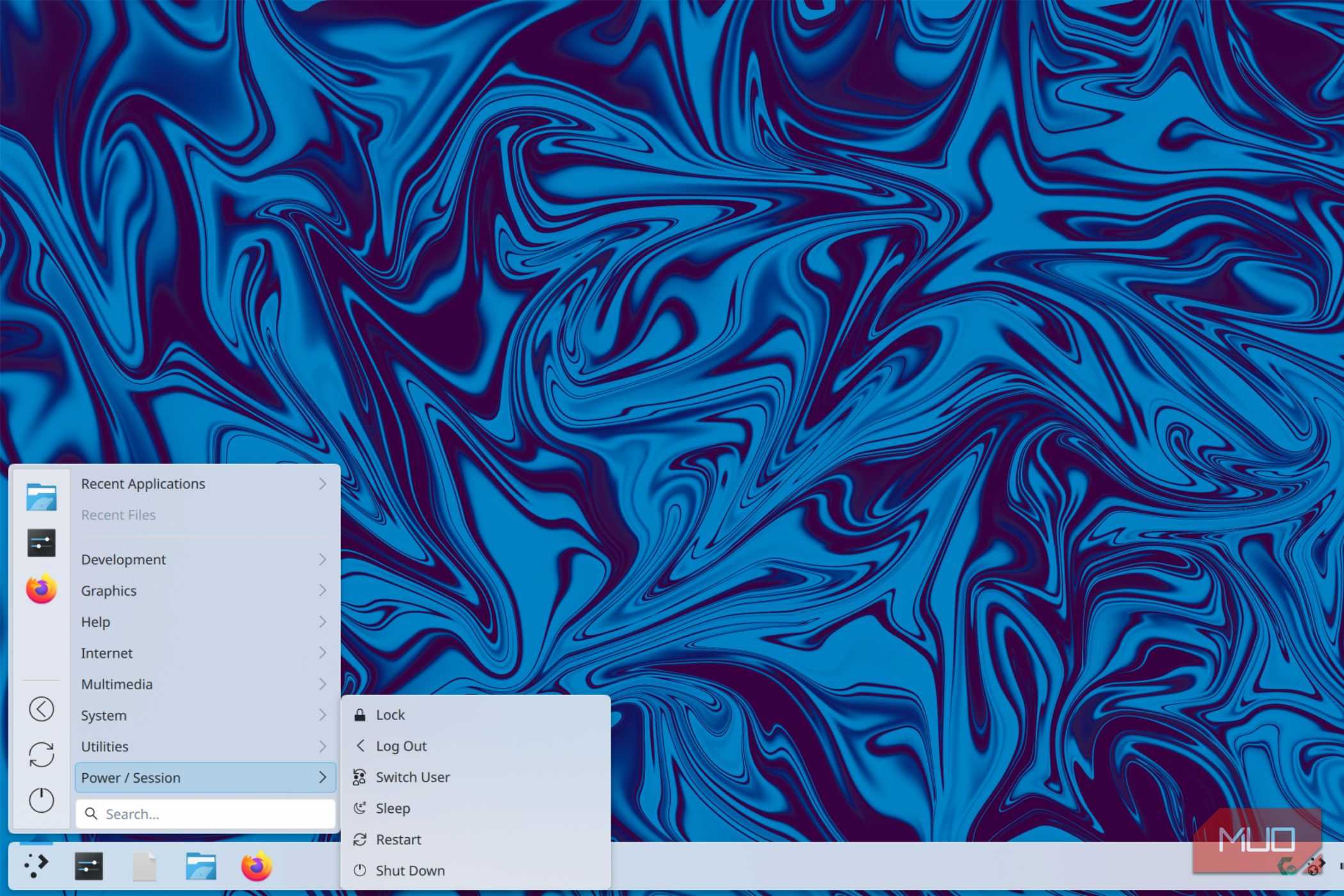
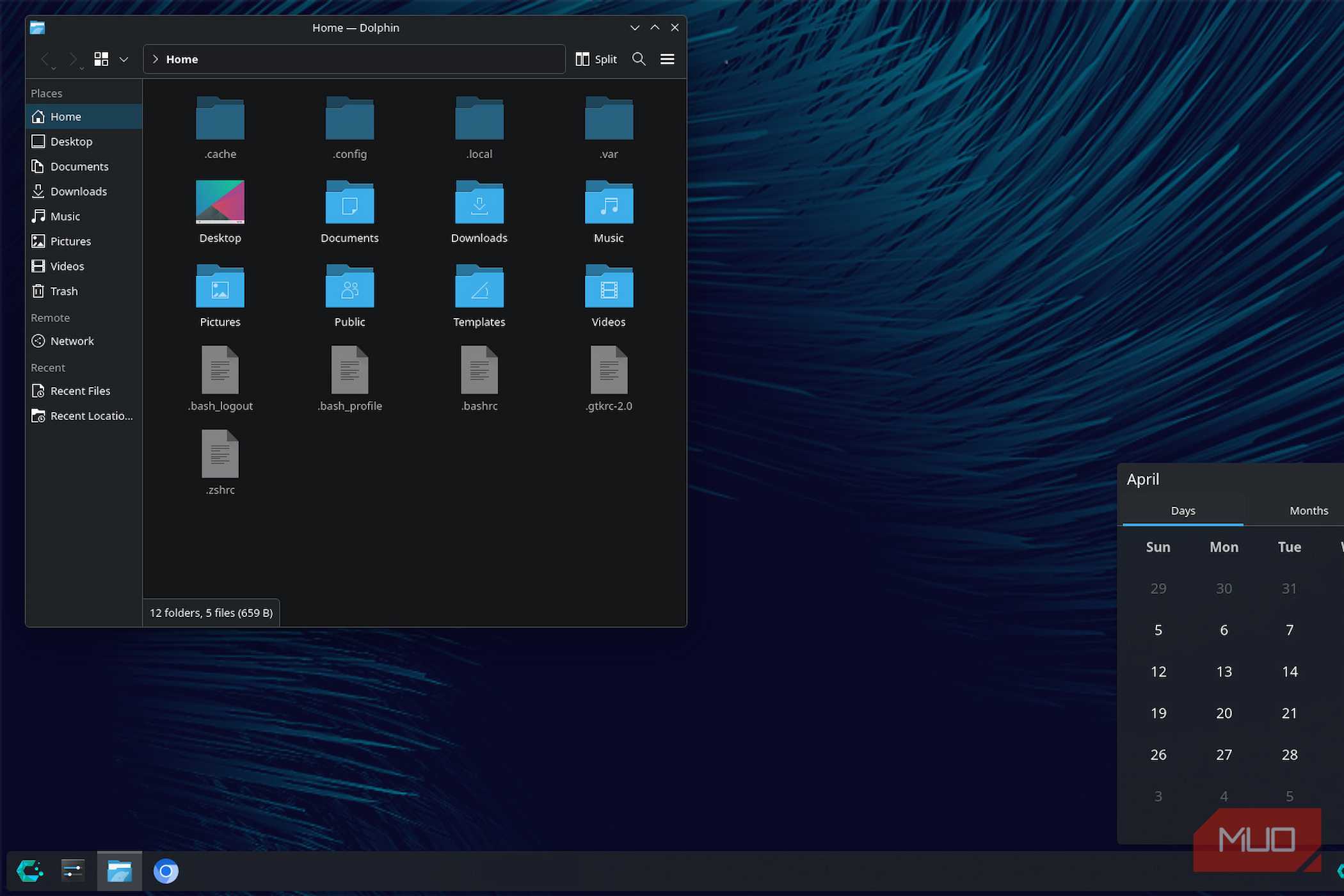
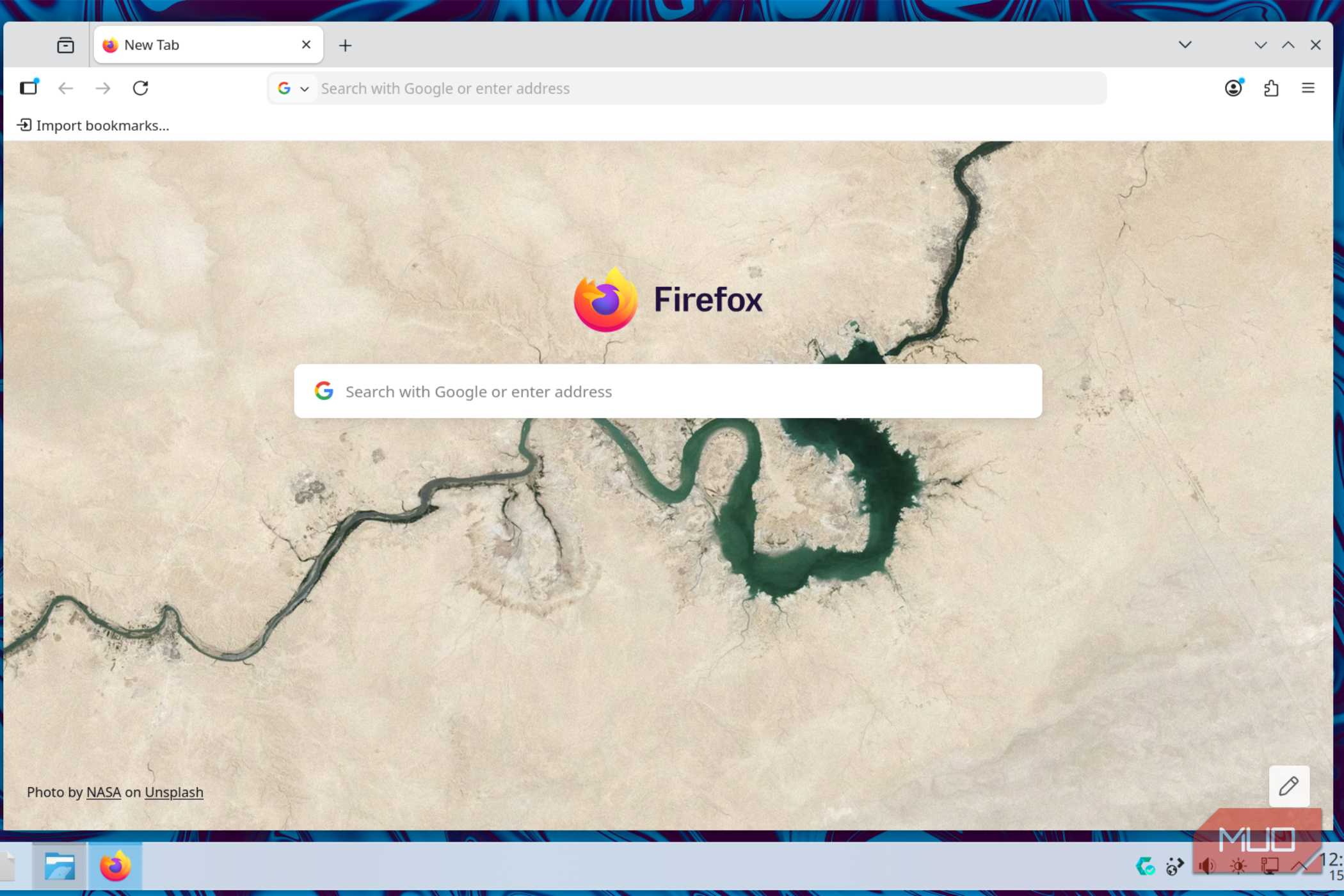
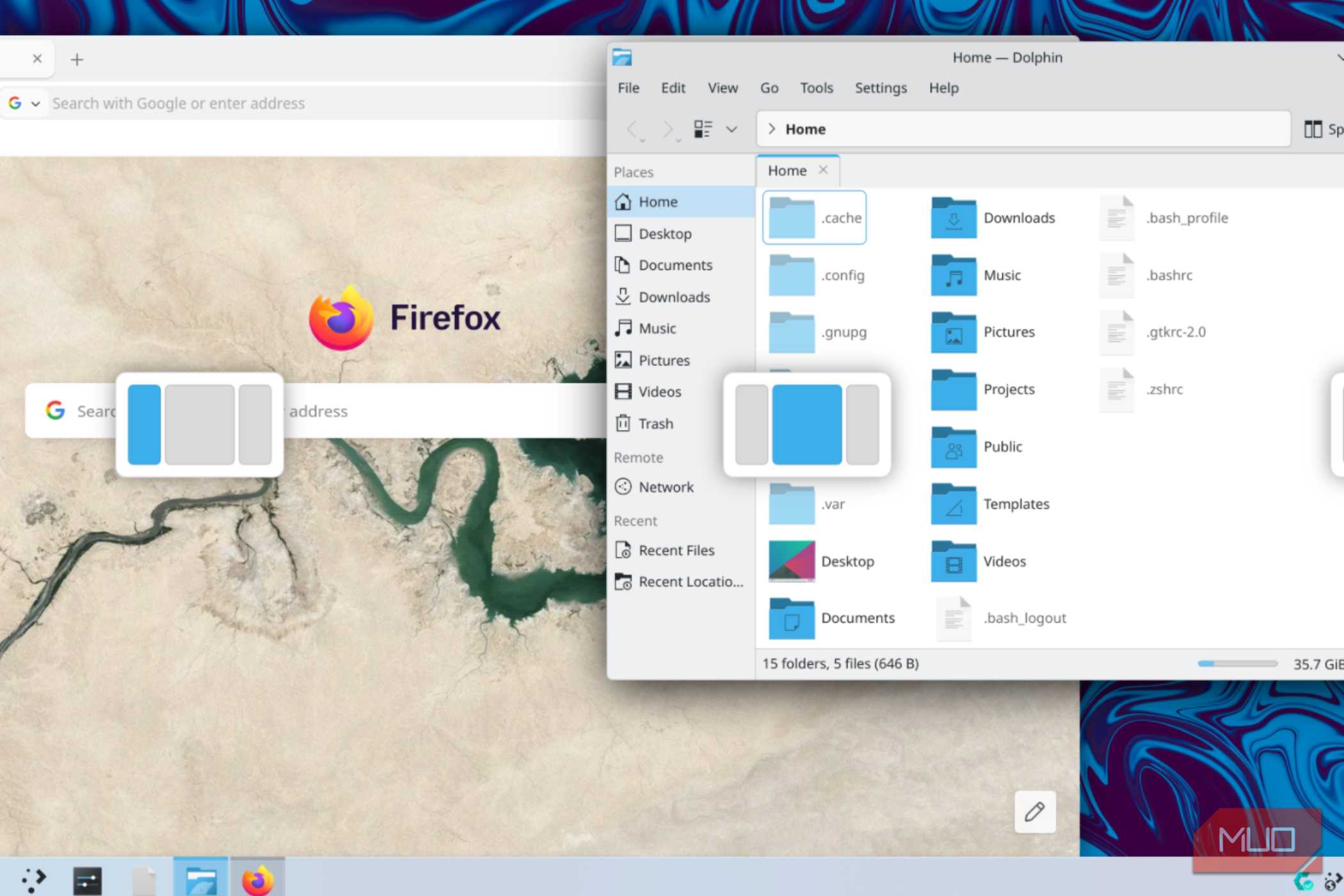





It’s not all rainbows and sunshine, though, and Linux is still lacking in a few key areas, all of which have to do with app compatibility. Running Windows apps on Linux is much more feasible now than it was in the early days of WINE, but we’re not quite at 100% compatibility yet.
Some critical software, like (modern) Photoshop and SolidWorks, has no Linux ports. There do exist a few workarounds, like using a virtual machine, but it is fairly advanced and an overcomplicated solution.
It’s also true for gaming, where certain anti-cheat solutions render it entirely unplayable on Linux. We might never reach 100% compatibility, but as long as we have alternative apps that are just as good (if not better!), we should be just fine.
Not quite the Year of the Linux Desktop yet
I won’t pretend that Linux is for everyone. It’s also a fact that Linux isn't always a user-friendly operating system, and for most folks, relearning an OS from scratch is an experience they’d want to skip, Windows or otherwise.
The Year of the Linux Desktop might not happen anytime soon, but it sure is nice to see some traction in the mainstream adoption of Linux, which seems unstoppable.

- OS
- Windows
- Minimum CPU Specs
- 1Ghz/2 Cores
- Minimum RAM Specs
- 4GB RAM
- Software Version
- 24H2
Windows 11 is Microsoft's latest operating system featuring a centered Start menu, Snap Layouts, virtual desktops, enhanced security with TPM 2.0, and deeper integration with Microsoft Teams and AI-powered Copilot.