


Over the years, Android makers, often inspired by what Apple did with its iPhone, have removed several features from their phones. Some removals, like removable batteries, were necessary to get larger capacity, thinner profiles, and water resistance. Then there are unnecessary casualties like the removal of headphone jacks, but you can at least use a Type-C to 3.5mm adapter, so all is not lost.
Among these, there are features that were useful and practical yet kept vanishing from newer iterations of Android phones. What actually gets me is that a $95 budget phone still has features that my $1,000 flagship doesn't. Controlling your TV from your phone, not having to pay extra for more storage, or squeezing your phone to launch an assistant are just a few of the things I wish today's flagships would bring back.
Rear-mounted fingerprint scanners
Fast, accurate, and right where your finger lands

In-display fingerprint scanners are cool, and Android makers pioneered them. However, they are neither as accurate nor as fast as the physical scanners that came before them. I still get failed reads on my phone's in-display sensor when my fingers are slightly damp (I've got sweaty palms). I've configured my lock screen security with multiple methods, including face unlock, but none of them feels as seamless as a rear fingerprint sensor did.
You could reach rear sensors naturally without adjusting your grip, and the phone would unlock while you were still pulling it out of your pocket. Older Pixel phones even let you swipe down on the rear sensor to open the notification shade. The only real downside was unlocking the phone while it sat flat on a desk, but for everything else, rear sensors were faster and more reliable than anything we have now.
IR blasters
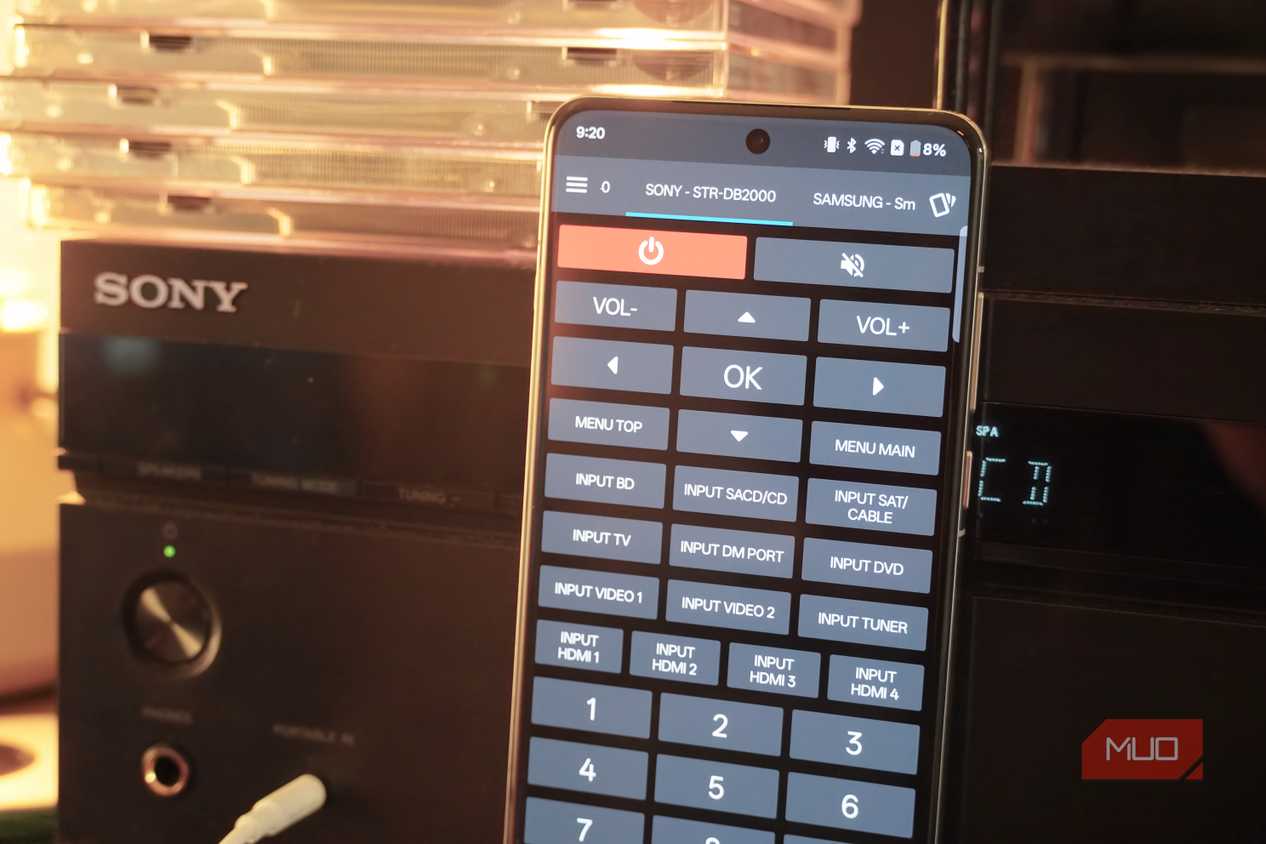
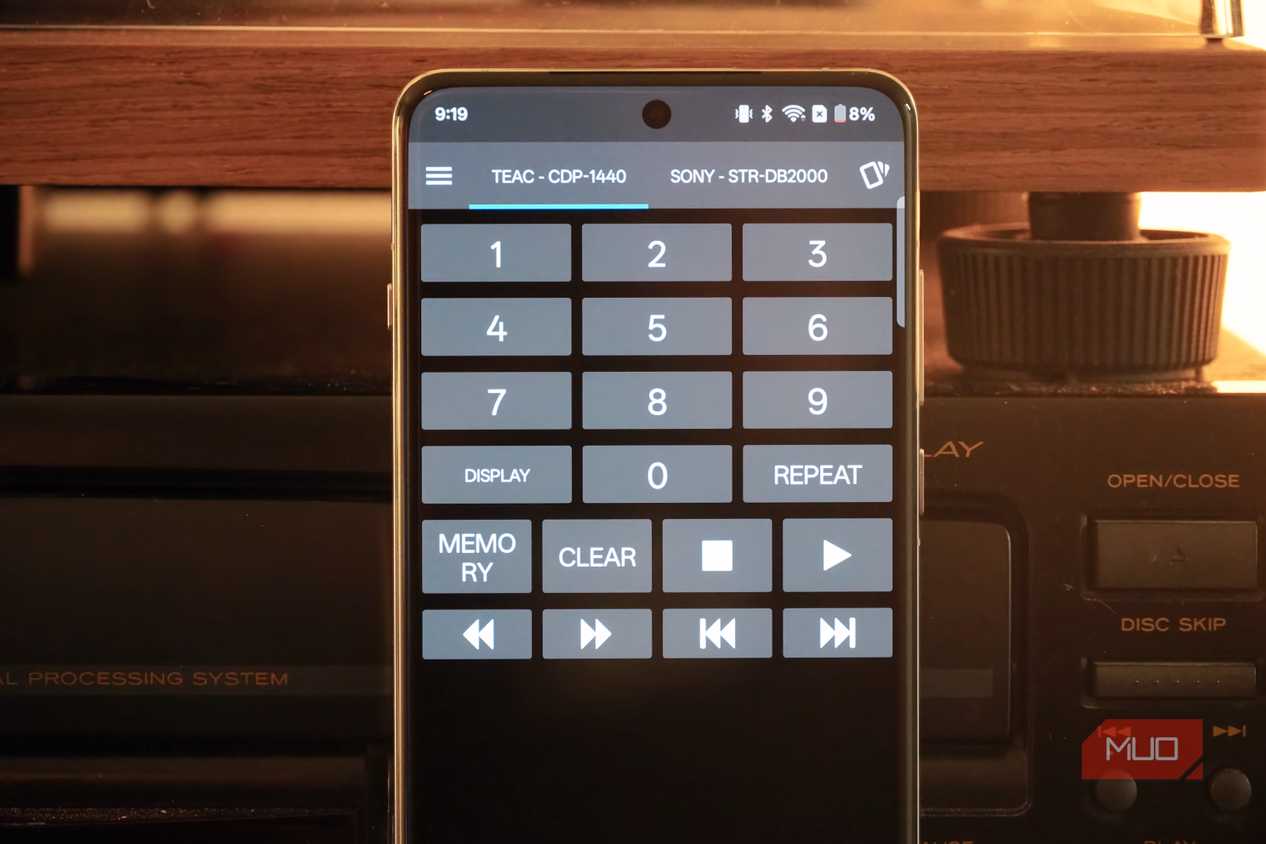
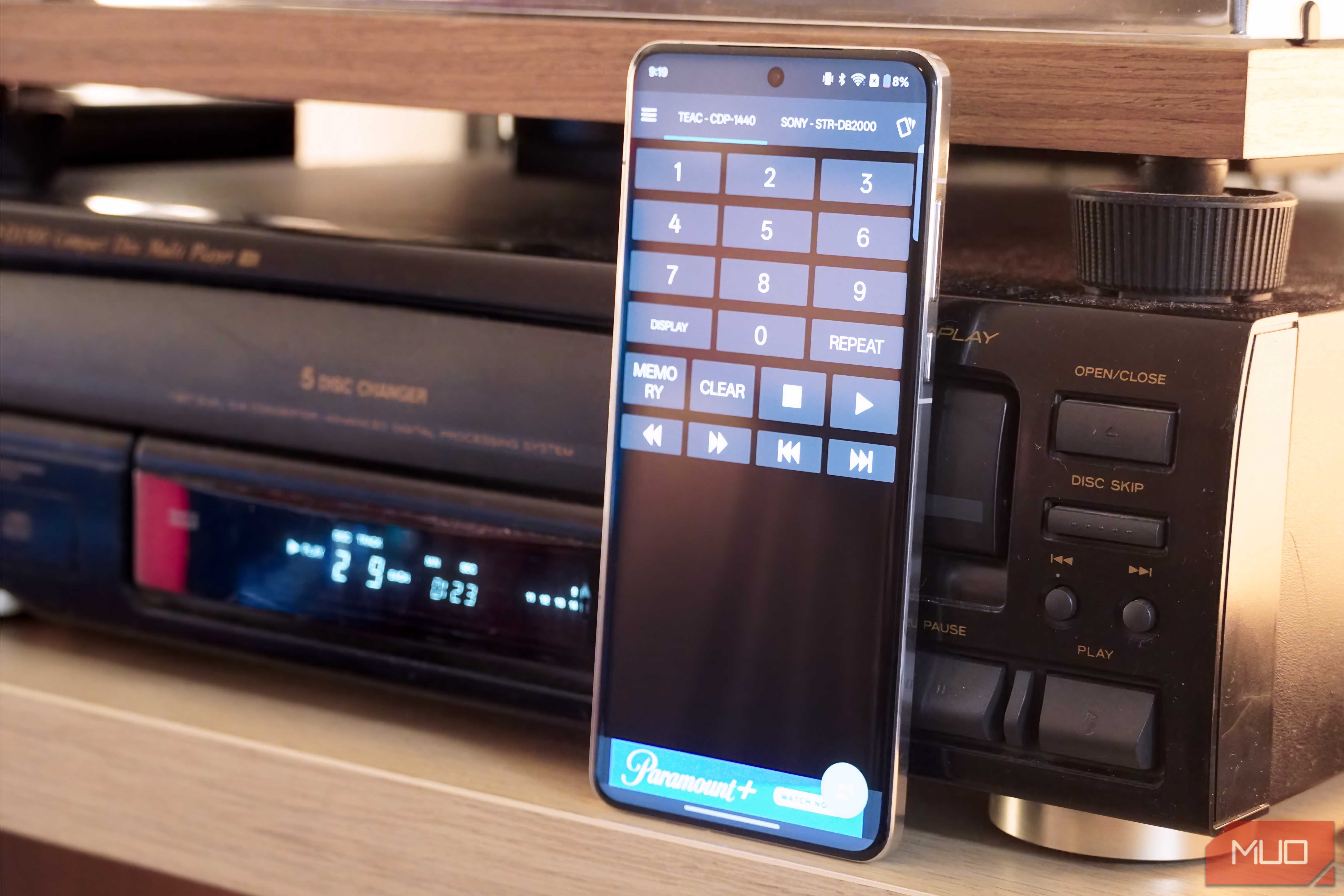
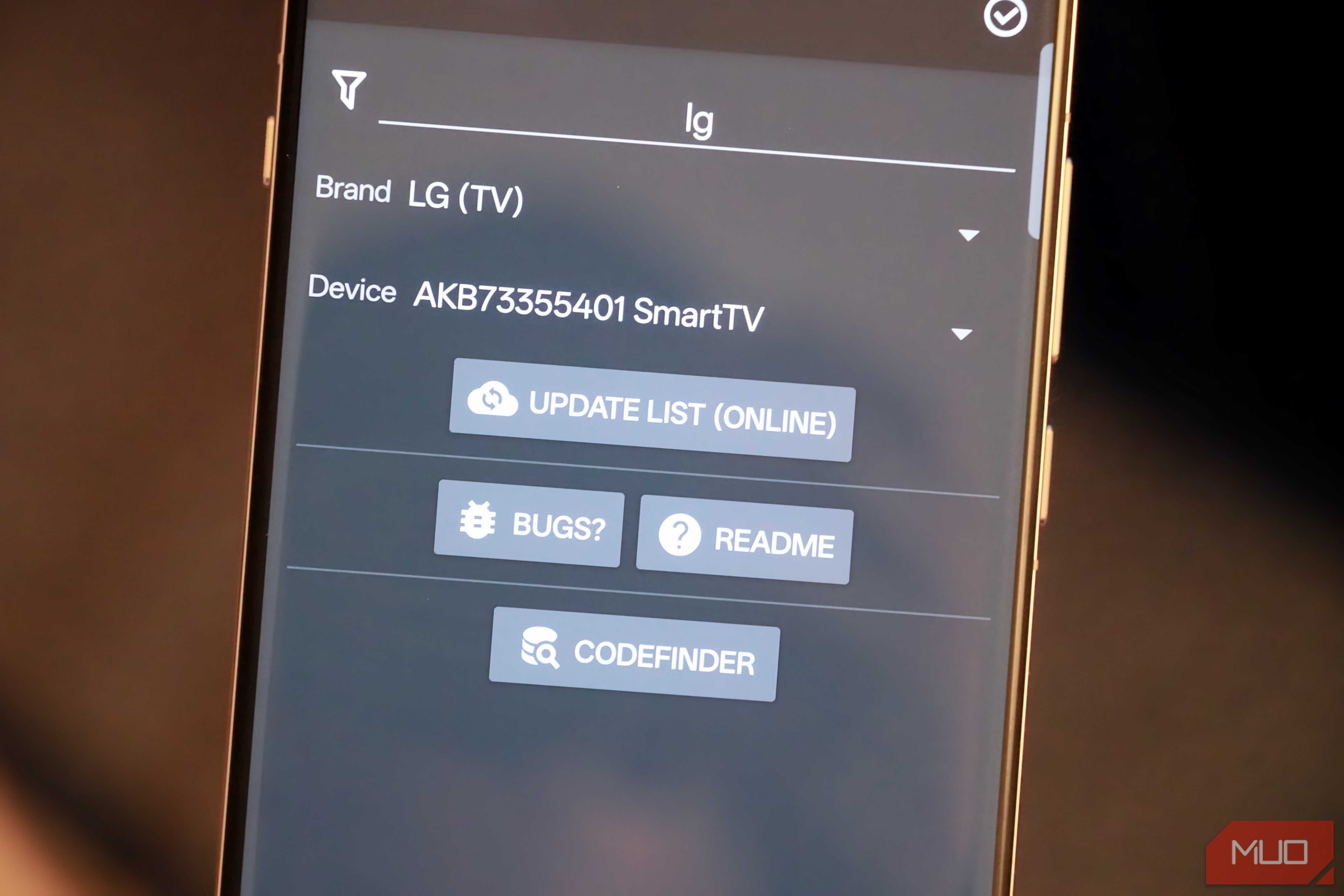
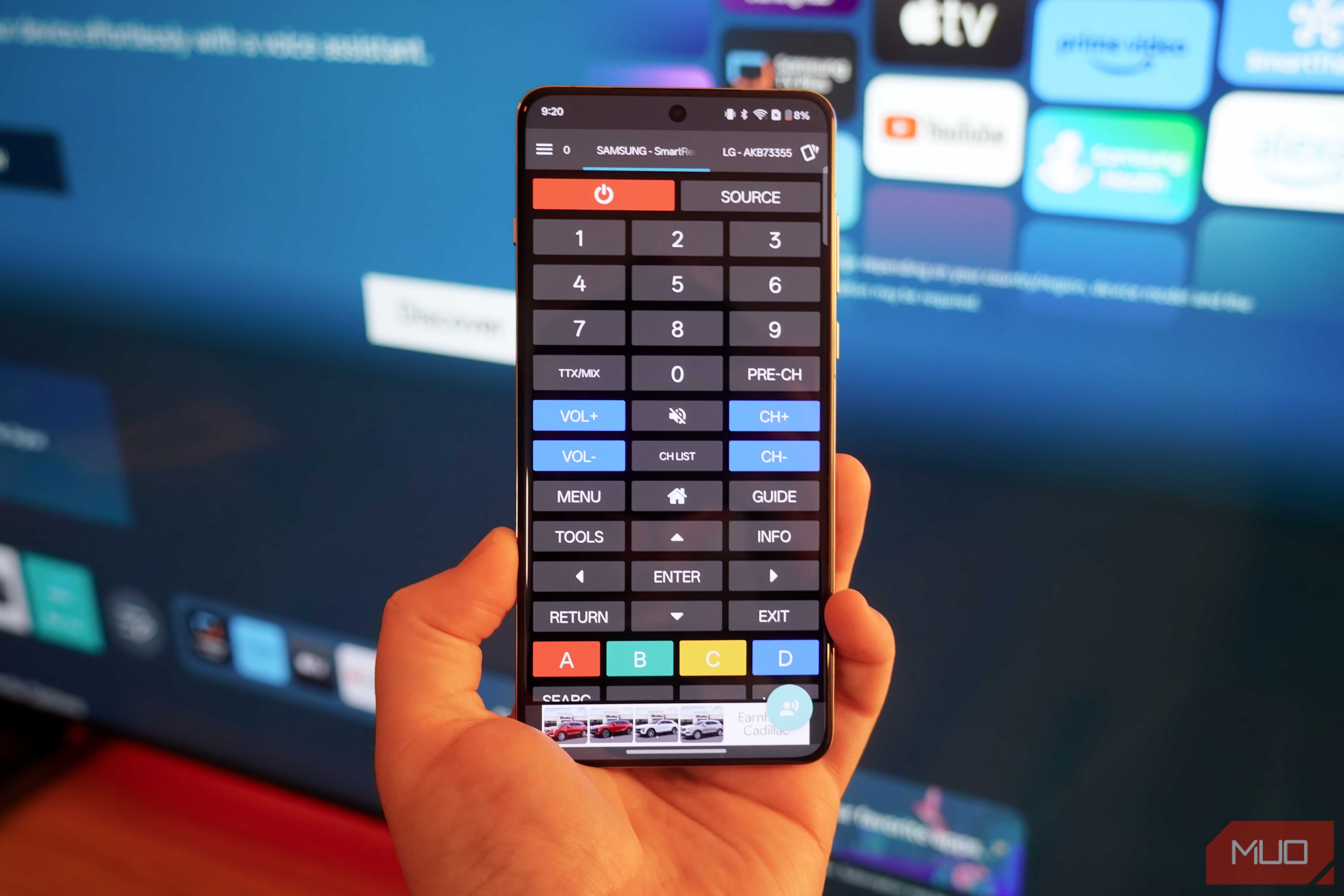
Your phone was also your universal remote
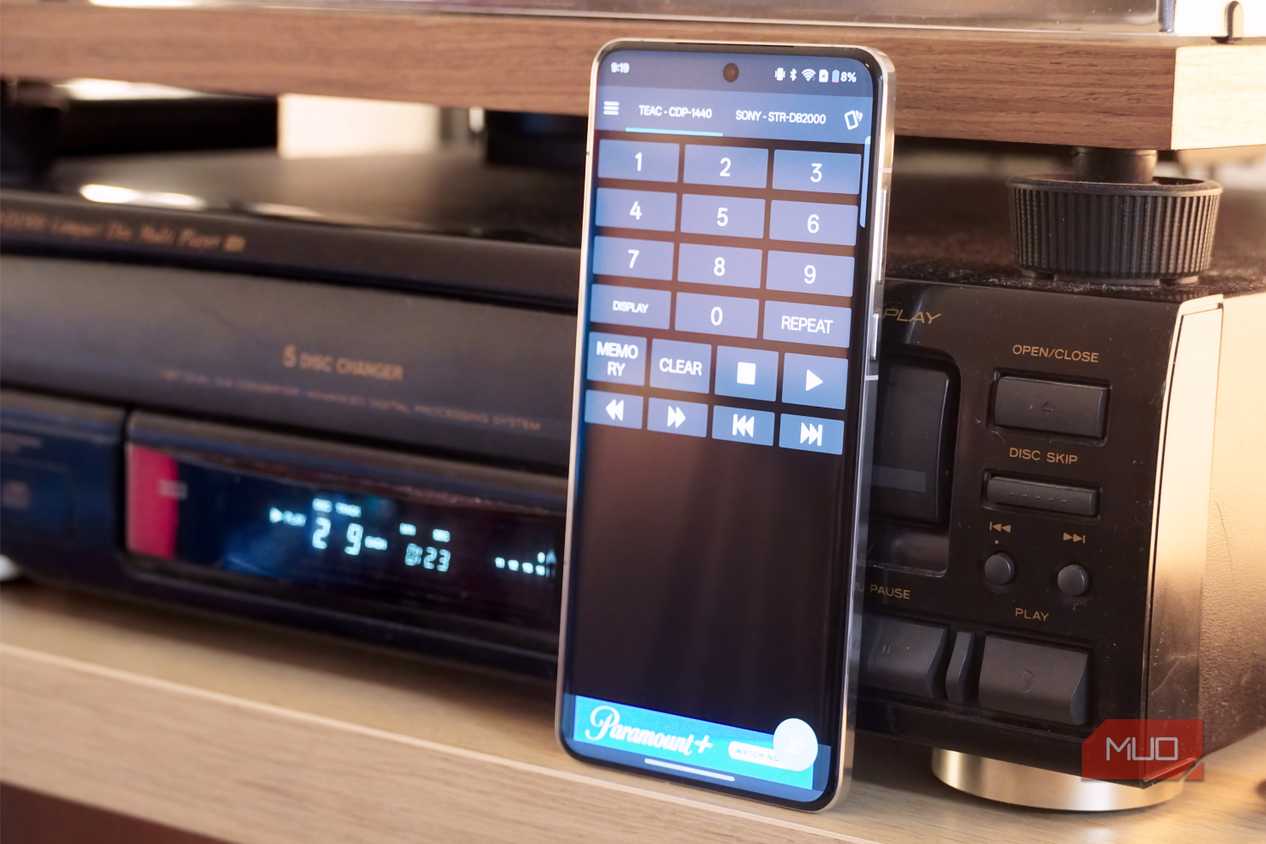
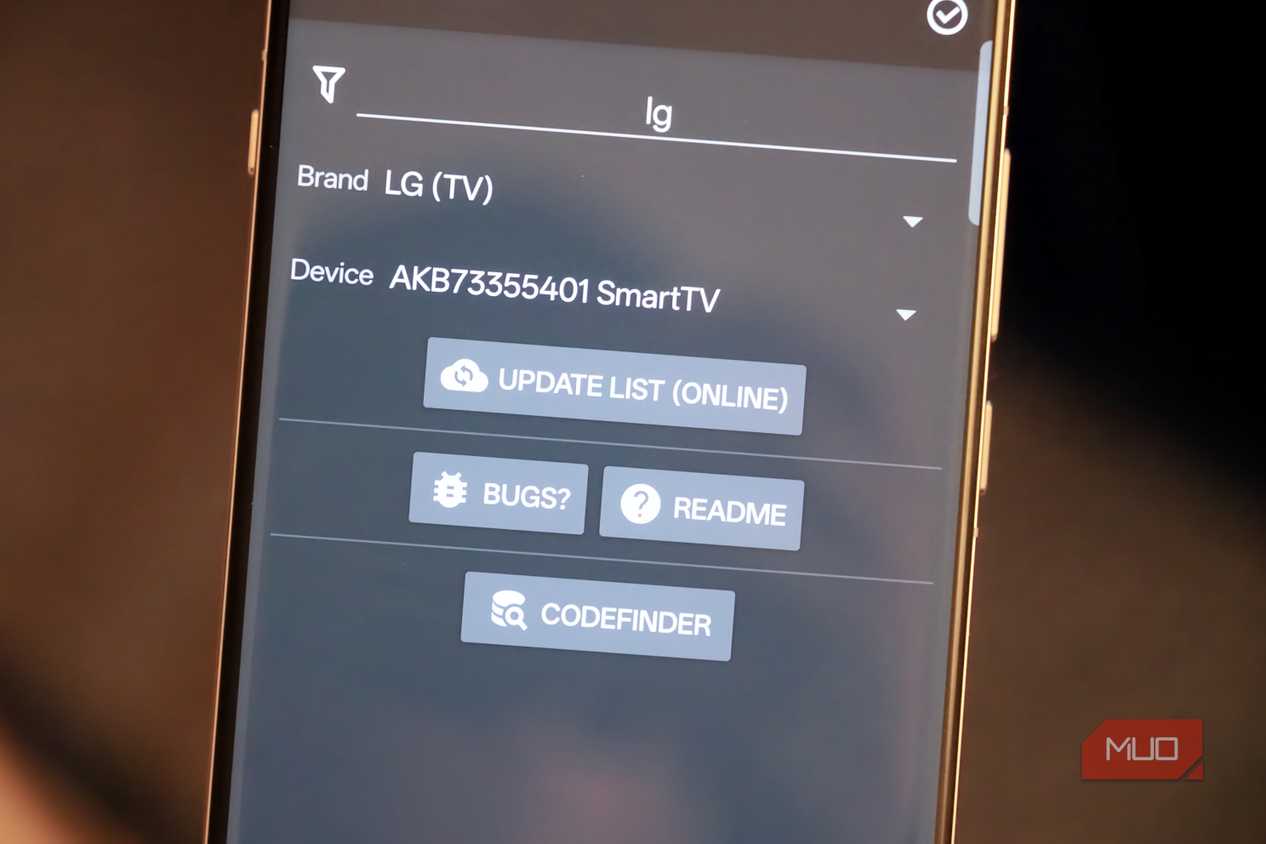
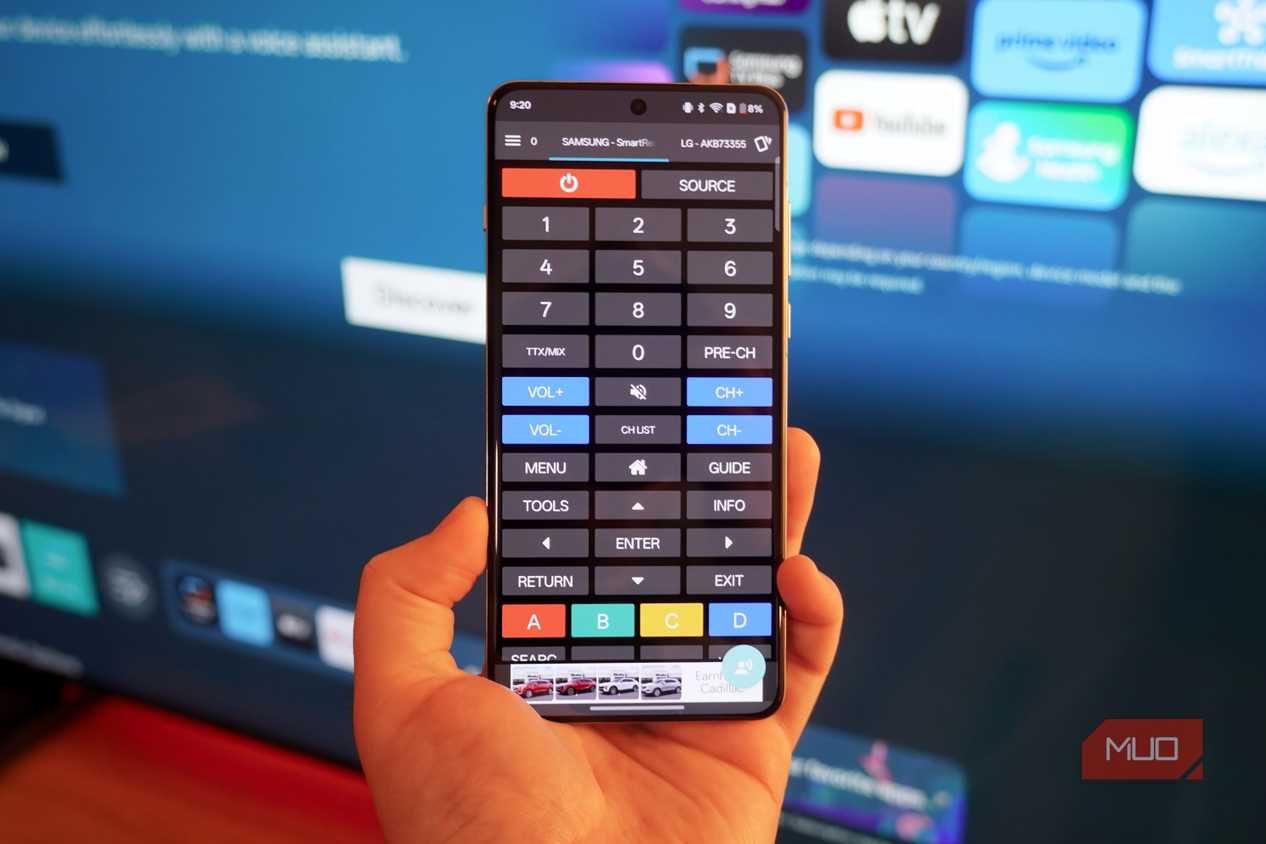
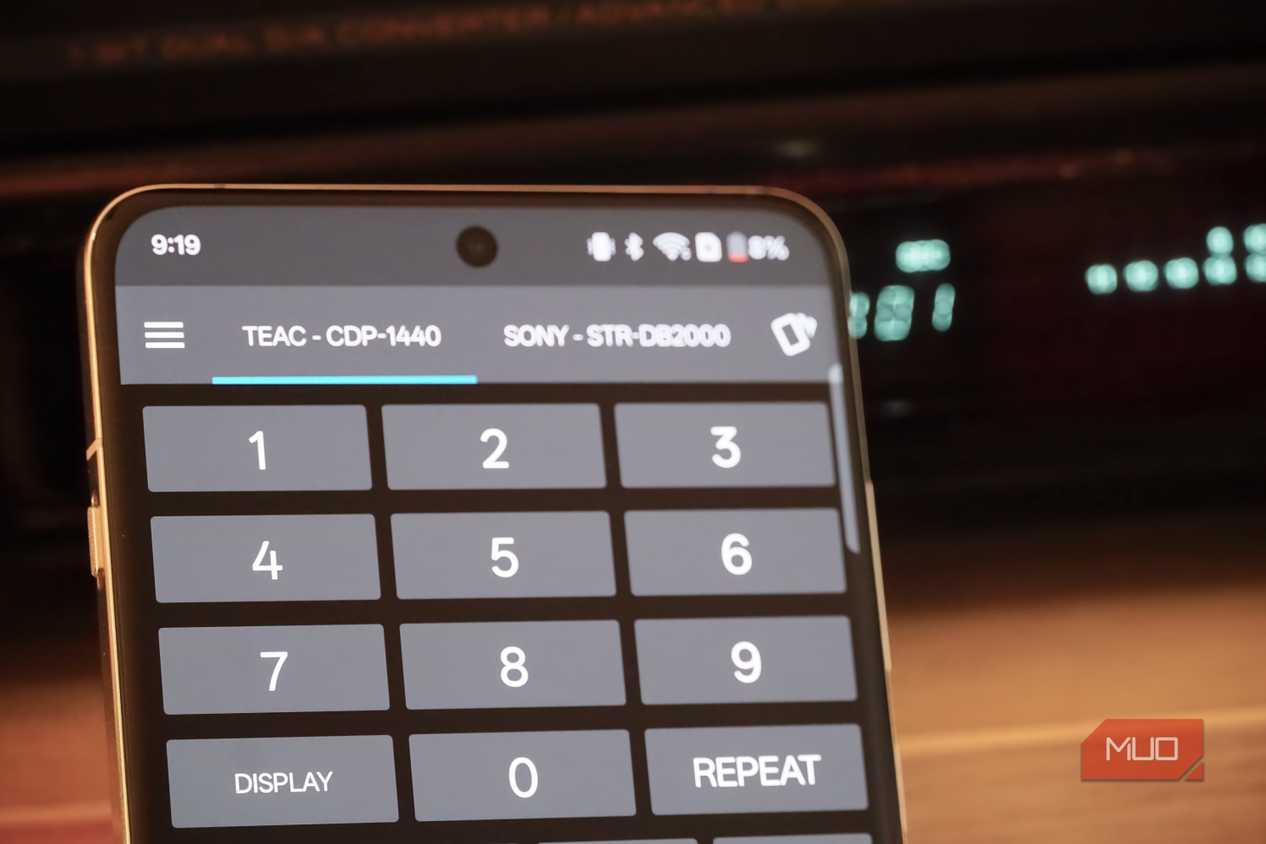


 Credit: Brady Snyder / MakeUseOf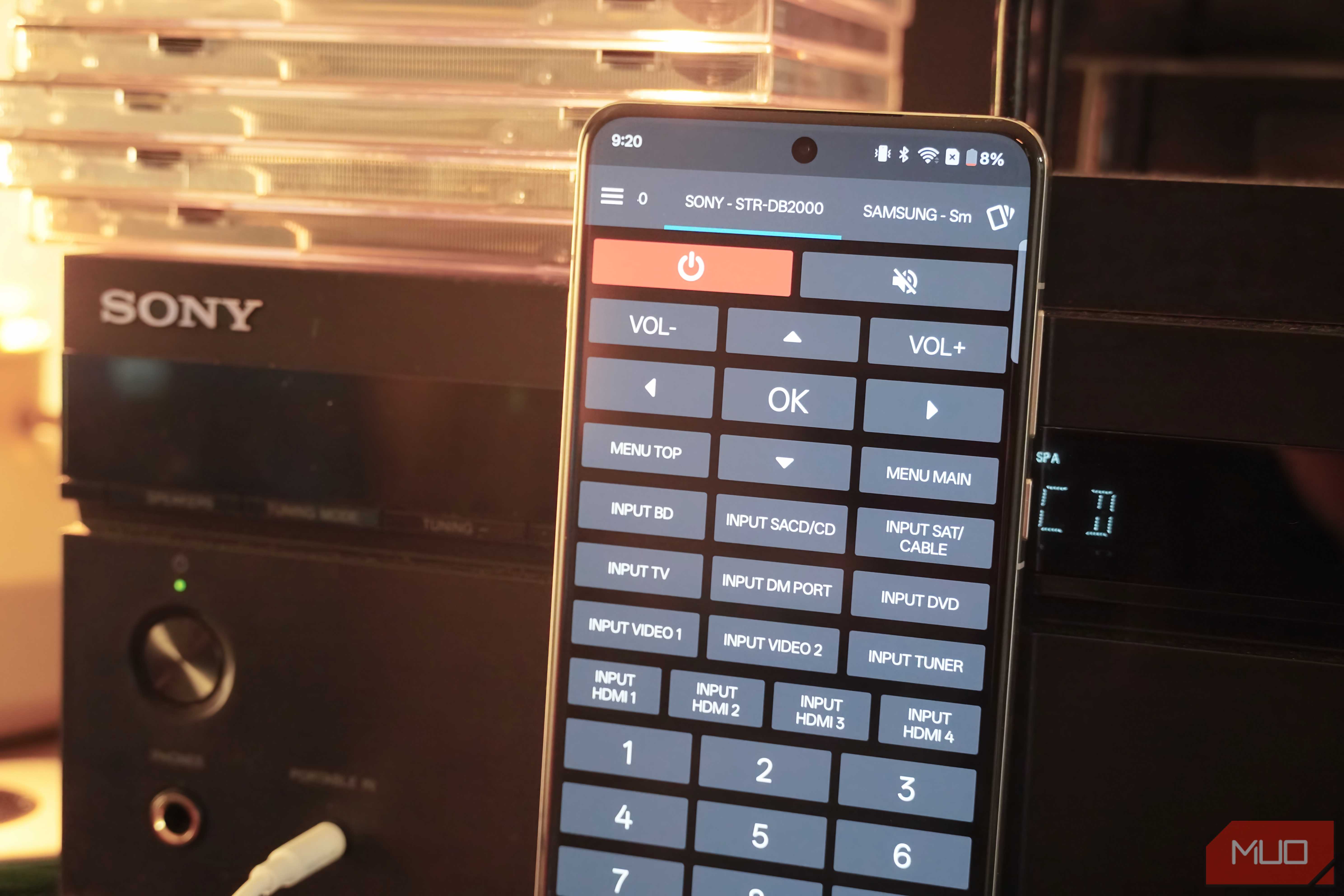
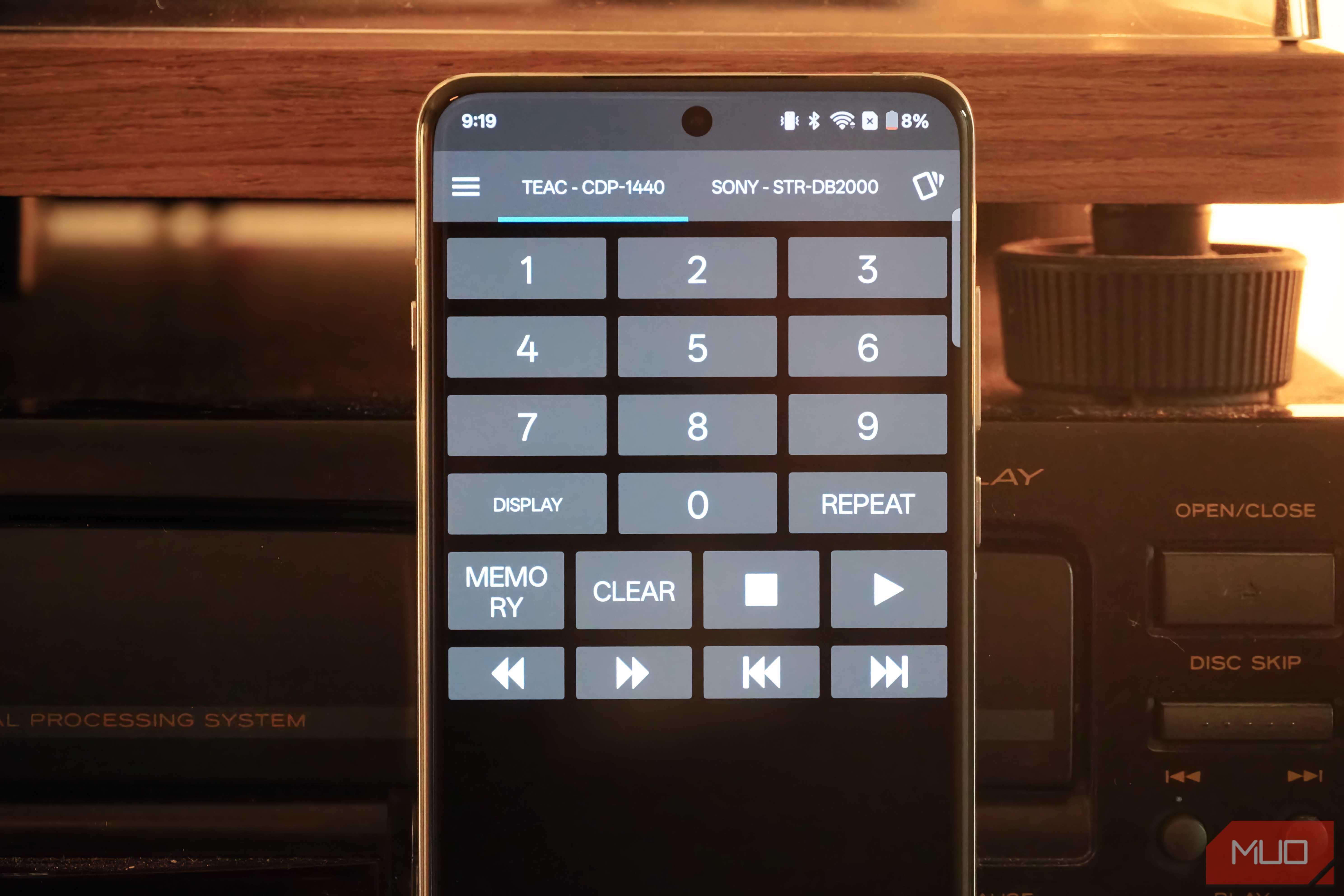
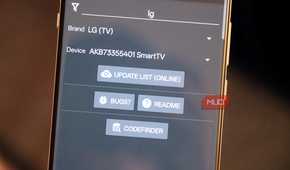
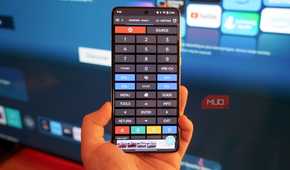
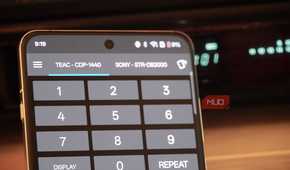
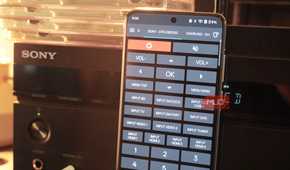
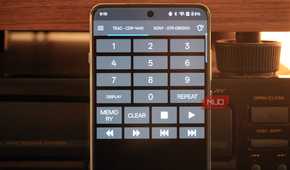
The last time my phone had an IR blaster was back when I was still rocking my Galaxy S6. Since then, Samsung dropped this feature entirely. And they weren't alone; most mainstream Android makers phased out IR blasters around the same time, likely because Bluetooth and Wi-Fi had taken over for most wireless communication.
The problem is that the market for infrared hasn't gone anywhere. TVs, AC units, and sound systems still ship with IR remotes. Having your phone double as a universal remote was incredibly handy, especially in situations like hotel rooms where the TV remote is either missing or sticky. Some Chinese market phones like the Redmi Note series still include IR blasters, which makes the omission on flagships feel even more deliberate. I'd trade a fraction of the space inside my phone for that convenience any day.
Notification LEDs
A glance was all you needed

Before Always On Display became the norm, most Android phones had a tiny LED at the top that blinked in different colors when you had unread notifications. It was subtle and low-power, and told you everything you needed to know without waking the screen. A green blink meant a message, red meant low battery, and some phones let you assign custom colors to different apps.
Always On Display tries to do the same job, but it's not the same. On phones with mediocre battery life, keeping AOD on makes things worse. It also shows a cluttered wall of tiny icons that you still need to wake the screen to read properly. Apps like aodNotify try to bring back the LED experience by lighting a ring around the camera cutout in app-specific colors, and they get close. But nothing has matched the simplicity of a single blinking light that you could spot from across the room.
Pop-up cameras
All screen, no compromise

Pop-up cameras were the coolest smartphone innovation in a long time, and they barely lasted two years. Phones like the OnePlus 7 Pro and the Oppo Find X hid the selfie camera inside a motorized module that popped up only when you needed it. The result was a truly bezel-less display with no notch, no hole punch, and no interruption.
The OnePlus 7 Pro even had a drop-detection feature that automatically retracted the camera if it sensed the phone falling. Manufacturers dropped the concept over durability concerns, and the added mechanical complexity, and hole-punch cameras became the easier solution. But if you care about a clean, uninterrupted display for watching videos or gaming, nothing since has come close to the all-screen experience that pop-up cameras delivered.
Smaller phones, please
Not everyone wants a 6.9-inch slab

My first Android smartphone had a 3.2-inch touch display, and over the years, devices got bigger and bigger. Now we live in the tri-fold era with phones sporting 10-inch displays. Sure, they have a use case, and I love the form factor innovation that pushes display technology forward. But in doing all that, we've forgotten the art of small devices.
People with smaller hands have a hard time using 6.9-inch phones with one hand. They're a hassle to carry in your pocket, especially if you need to quickly pull them out and put them back. My solution was to switch to a Samsung Galaxy Z Flip 6, and it's been serving me well since. But flip phones shouldn't be the only answer. Sony tried with the Xperia 5 series. Apple had a moment with the iPhone 13 mini. Both proved the demand exists.
Though I'll be honest, the trade-offs can be a deal breaker for many. Smaller phones mean smaller batteries and smaller screens, and for most buyers, those matter more than one-handed comfort. Maybe I'm the odd one out. Smartphone makers aren't ignoring a market so much as building for the one that actually shows up. I just wish, occasionally, that one of them would take a swing for the rest of us.
SD card slots
Because you could never have enough storage

Phones are priced differently depending on their memory configurations. A phone with 8GB of RAM and 128GB of storage costs less than a 12GB/256GB or 512GB version, and you're forced to buy more memory if you want more storage. My old Note 20 Ultra, on the other hand, still doesn't struggle with low storage because it has a dedicated SD card slot. I popped in a 256GB card and never looked back.
With memory chip prices going up due to manufacturers prioritizing more profitable DRAM over NAND storage, this problem is only going to get worse. A microSD card slot would instantly ease storage pressure, especially for people who shoot a lot of 4K video or keep local media libraries. The newer microSD Express standard can even reach speeds fast enough to rival built-in storage, which makes the continued absence of card slots on flagships harder to justify.
Squeeze gestures
Hey, Google still feels weird

Hey Google and Hey Bixby work well when you're alone. But yelling a wake word in a car full of people, or in a quiet meeting room, or while walking through a crowded mall? It feels awkward, like you're talking to yourself.
Google's old Pixel phones (the Pixel 2 through Pixel 4) had a feature called Active Edge that solved this perfectly. You'd squeeze the lower edges of the phone, and Google Assistant would launch without a sound. It was discreet and fast, and felt like a hidden physical button. HTC had the same idea even earlier with Edge Sense on the HTC U11. The closest modern equivalent is a double-tap on the back, which Pixel and Samsung offer through Samsung's Good Lock app and its RegiStar module, but it's less reliable since it uses motion sensors instead of dedicated pressure hardware. A squeeze was deliberate and consistent in a way that tapping the back of your phone just isn't.
The software replacements aren't good enough
I get why some of these features disappeared. While sealed backs brought water resistance, Pop-up cameras introduced moving parts with real failure rates. These weren't purely arbitrary decisions. But the workarounds that filled the gaps, Always On Display, voice wake words, and in-display fingerprint sensors, all ask you to do more work for a worse result, and somewhere along the way, we accepted that as progress.
However, none of these features are hard to bring back. Rear fingerprint sensors are cheap to manufacture, MicroSD slots ship in phones under $200, and squeeze hardware was already in mass production in 2017. But manufacturers would rather sell you more built-in storage at a premium or push you toward a smart home app than give you the hardware that just works. Flagships used to earn that label by doing more. Lately, it mostly means paying more.