


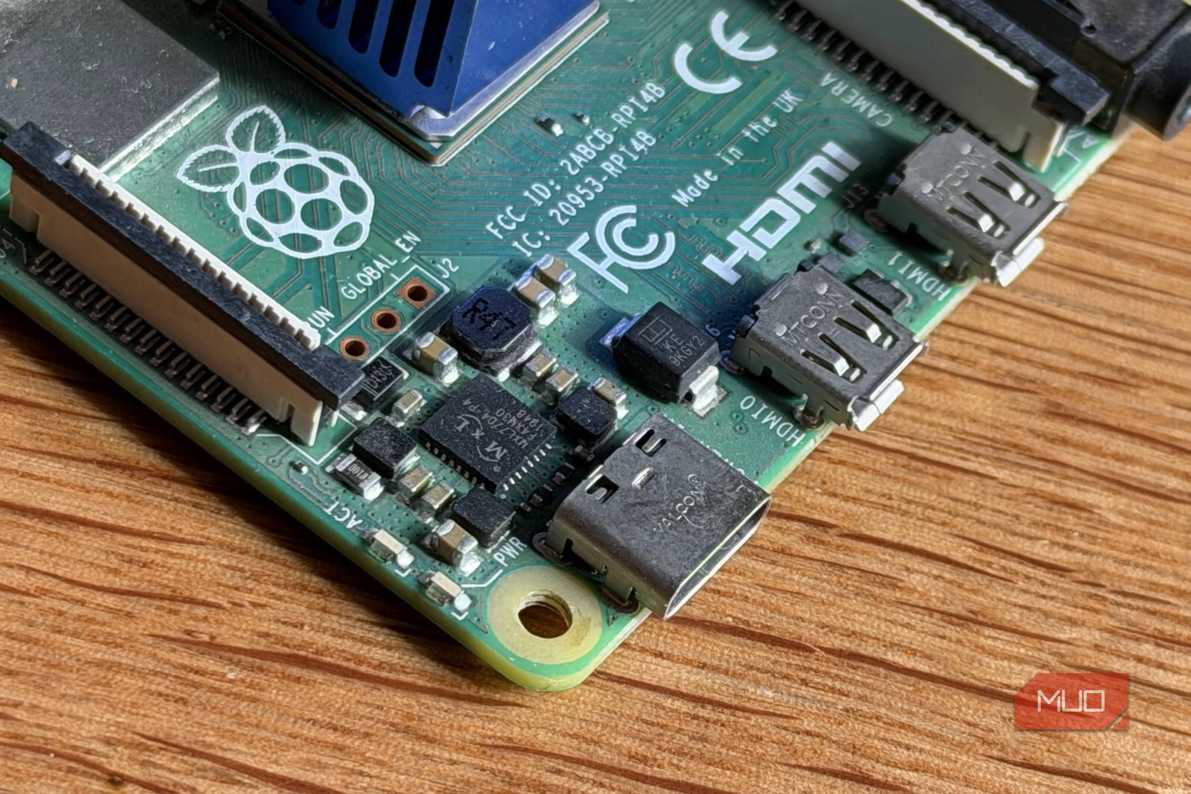
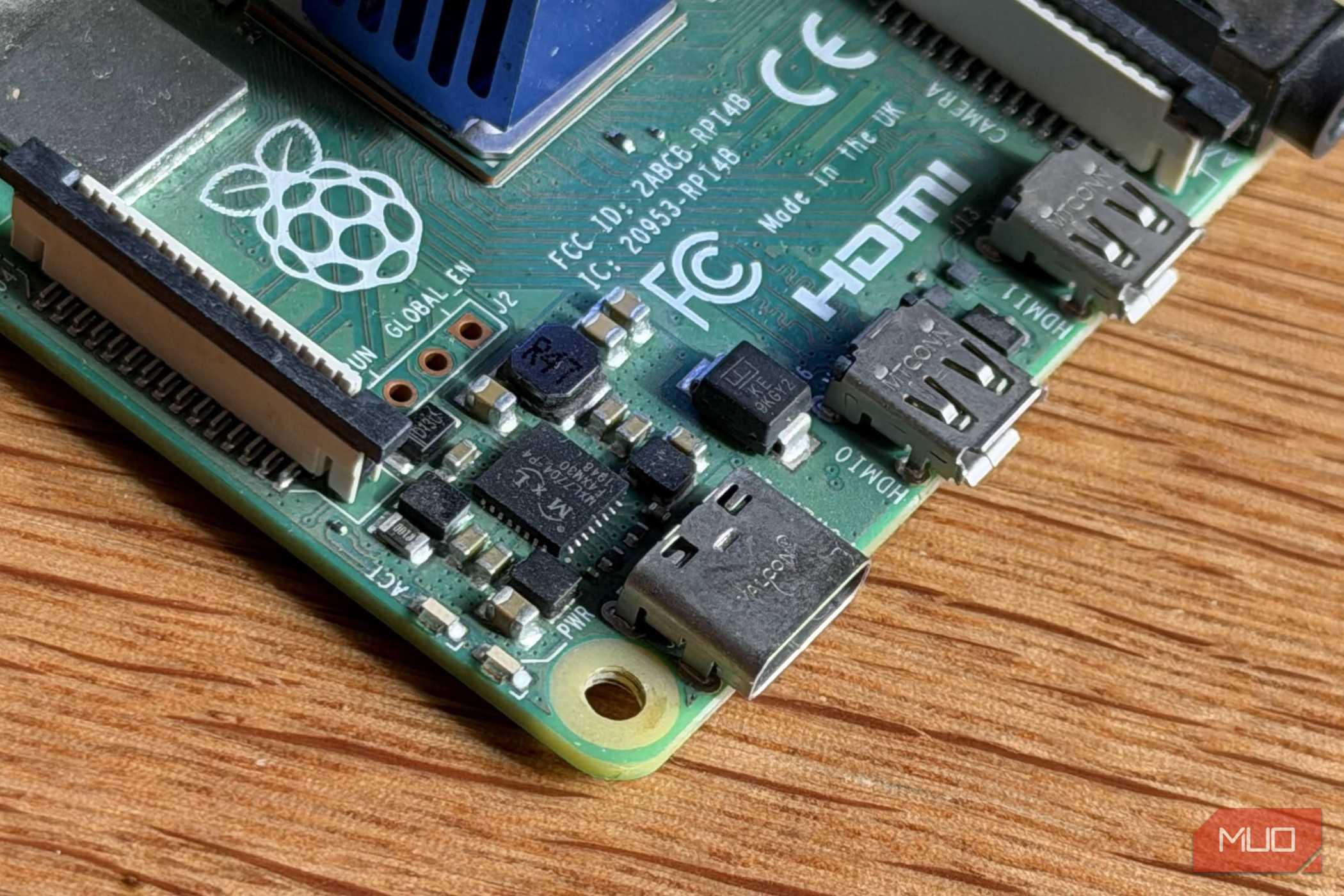
A Raspberry Pi looks like the obvious starting point for a tiny home server. The board is inexpensive, compact, efficient, and supported by a huge community. Add a power supply, storage, a case, cooling, and perhaps a screen or camera, and that affordable board quickly stops being so affordable as it turns into a collection of accessories.
An old Android phone reverses that equation. It is less open and modular than any Linux box, but it arrives as a finished component. If your planned server can run through Android apps, Termux, or a Linux container, the forgotten phone in your drawer may already have the hardware you need.
Your old phone shipped with the storage Pi owners keep buying
No microSD card, no adapter, no cable, no extra receipt


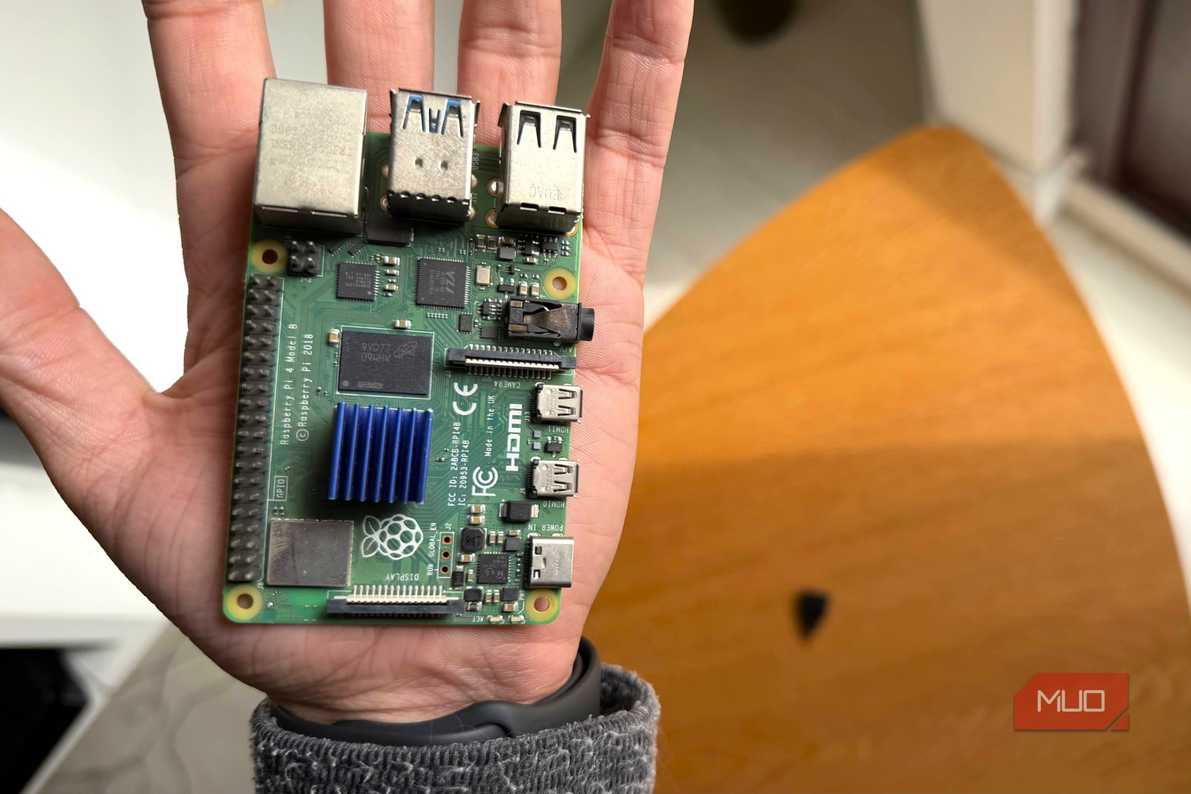


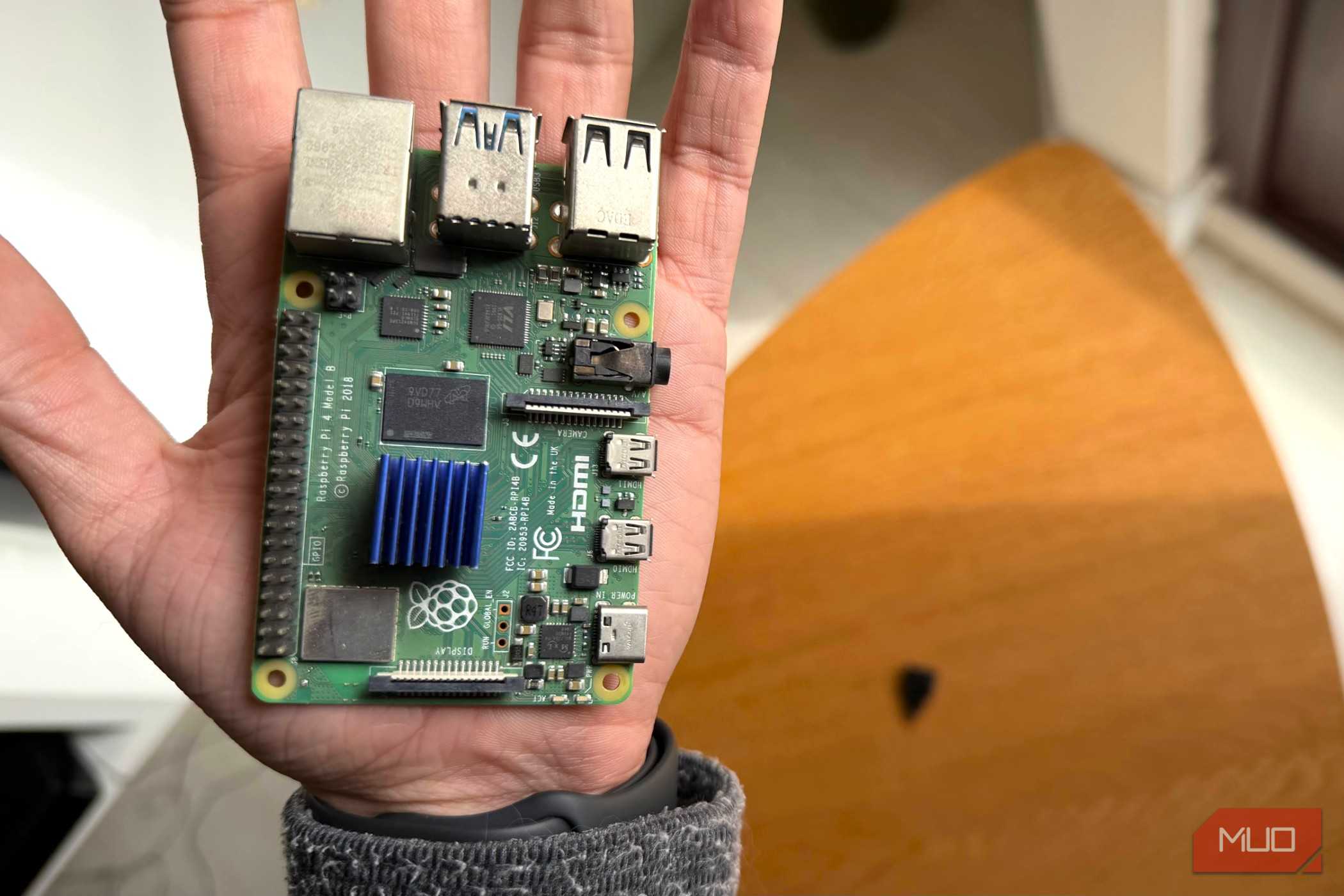


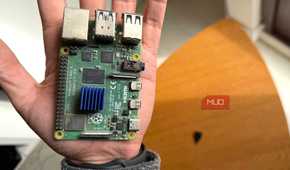
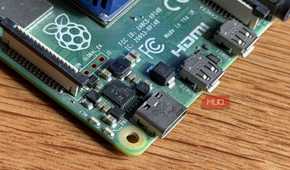
A typical phone boots from built-in flash storage, so there's nothing extra to insert before installing software. Even an older 64GB handset has room for a DNS sinkhole, lightweight web server, small Git repository, or personal document cloud. Some people even go further and turn the whole thing into a NAS.
A standard Raspberry Pi will require a microSD card as one of the first expenses out of the box. Raspberry Pi's setup instructions tell you to prepare a microSD card with an operating system image before inserting it and booting the board. An SSD improves speed and endurance but introduces a drive, adapter, and another cable, and that's assuming you already have one on hand. Phone storage may be non-replaceable, but for a zero-cost experiment, installed beats upgradeable.
A touchscreen the Pi would charge you $40 for
Headless is fun until you need to actually look at something

Servers are usually administered remotely, but local controls can be surprisingly useful, especially if you're starting out. A phone gives you a display, capacitive touchscreen, on-screen keyboard, buttons, and vibration feedback all in one assembly. That simplifies setup and lets the device double as a Home Assistant panel, status display, music controller, camera preview, or emergency console.
You can configure a Raspberry Pi headlessly and administer it over SSH. If the project needs a local interface however, a Pi requires a display and some method of input. Raspberry Pi's official Touch Display 2 starts at $40 for the 5-inch model, while the 7-inch version costs $60. A phone's panel is smaller, but it is already mounted, powered, and protected behind glass.
Your phone brings its own UPS, the Pi sends an invoice
A battery rides out short outages, assuming it isn't swollen

A phone's battery also frees it from the wall socket. Connected to a suitable charger, the phone effectively gains short-term backup power. A brief outage doesn't immediately shut down your server, corrupt a write, or force every service through a cold boot. Android also reports charging state, battery status, and capacity through BatteryManager.
A Raspberry Pi needs an external supply from the start. For the Pi 5, Raspberry Pi recommends its 27W USB-C power adapter, especially when you've attached power-hungry USB drives. Battery backup requires another UPS HAT or power management board and a battery. A phone integrates charger circuitry, a battery gauge, and the rechargeable cell. That said, you should always inspect an old battery for swelling, and never leave a damaged handset plugged in. Even a healthy battery wears out faster when it sits at 100% on a charger around the clock, so don't expect it to last forever in this role.
Two cameras, a mic, and a speaker came free with the drawer phone
The Pi sells each one separately, ribbon cable sold on the side
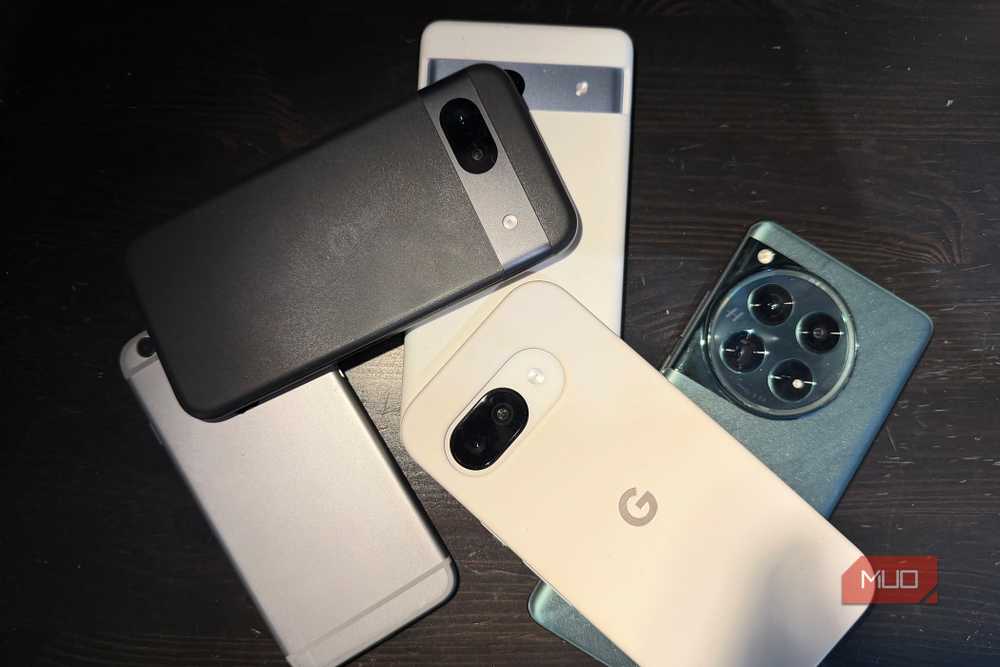
Most modern smartphones include at least two cameras, microphones, a speaker, and often an LED flash. That bundle alone enables an IP camera, baby monitor, intercom, sound detector, voice endpoint, or time-lapse server without extra boards and USB devices. Android provides camera APIs, audio permissions, and sensor access, although exact hardware varies by model.
A Raspberry Pi can do the same jobs, but imaging and audio hardware are separate purchases. The official Camera Module 3, for example, starts at $25 and adds a 12MP autofocus sensor via a ribbon cable. Microphones, speakers, and mounting hardware increase both the bill and setup complexity. The Pi offers much greater flexibility, especially for specialized lenses, but the phone wins when it comes to being frictionless.
The phone is already an appliance, the Pi is a bare circuit board
Glass and aluminum beat an exposed PCB sitting next to your cat

A phone is already an appliance, with its board, antennas, battery, ports, cameras, and thermal spreaders inside a purpose-built shell. Put it on a stand and there are no exposed contacts or loose boards sliding around. Its passive thermal design is also silent, although sustained server loads may still trigger throttling.
A bare Raspberry Pi also needs protection from cables, pets, dust, and metal objects. The Pi 5 can get by without active cooling under light workloads, but Raspberry Pi recommends active cooling for the best performance, and sustained heavy loads can push the board into thermal throttling. The official Pi 5 case combines an enclosure, heatsink, and temperature-controlled fan, while the separate active cooler is another option. Either way, it's yet another component you need to select, buy, and assemble.
The phone wins on price, not on being a real server
Android's background rules and a tired battery are the fine print
This is by no means an argument that phones should replace Raspberry Pis. Android background restrictions, locked bootloaders, awkward USB expansion, aging batteries, and uncertain software updates can make a phone a frustrating 24/7 server host. A Pi offers GPIO, standard Linux distros, Ethernet, replaceable storage, extensive documentation, and a much cleaner route to Docker and low-level hardware projects.
Board price is not the same as system price. For lightweight, wireless, self-contained services, an old phone already bundles storage, a touchscreen, battery-backed power, audiovisual hardware, and an enclosure with thermal management. If the software fits Android's constraints, repurposing that phone can turn a drawer-bound device into a capable home server without rebuilding the rest of the computer around it. Hosting a music library is a good first project to test that theory.