


If I asked you to name the operating systems people actually use, I would probably get three answers: Windows, macOS, and “Linux, probably.” That is a fair answer in 2026, but it is also a very narrow one. Personal computing has been around long enough to collect a whole menagerie of alternatives, and some of them are still alive, still updated, and still challenging mainstream ideas about how a computer should work.
I stopped chasing a 'daily driver' OS myself, so I would not recommend all of these as daily drivers, and pretending they are Windows or macOS replacements would be silly. Their value lies elsewhere. They show how many different ways there are to think about a personal computer, even in an age where most desktops have settled into familiar habits.
FreeBSD
The OS running the internet while you are busy ignoring it

If you streamed anything on Netflix today, FreeBSD may have helped push it to your screen. Netflix relies on FreeBSD for high-performance content delivery, while Sony’s PlayStation 4 and PlayStation 5 use FreeBSD-based operating systems. Juniper’s JunOS, used across its network routers, also has FreeBSD roots. Those companies chose it because the permissive BSD license allows them to build proprietary systems on top of FreeBSD without having to publish every modification. That licensing choice, made decades ago, shaped the entire downstream history of networking hardware.
FreeBSD is still moving forward on consumer hardware, too. Recent work includes hackathons at Framework’s Taipei office, where developers have been testing FreeBSD on newer Framework laptops and tackling support for Ethernet, audio, and NVIDIA GPU modules. Even so, FreeBSD is not the obvious desktop daily driver for most people. Wi-Fi and GPU support still lag behind Linux on typical consumer hardware, and its software ecosystem remains strongest in servers, networking, and workstation-style environments rather than in the average laptop setup.

FreeBSD
- OS
- x86-64, ARM64, PowerPC, RISC-V, and other supported hardware platforms
- Software Version
- 14.3 (current stable release)
FreeBSD is a Unix-like operating system known for its performance, stability, and advanced networking features. It powers everything from servers and storage systems to embedded devices, earning a reputation for reliability in demanding environments.
Haiku
The BeOS resurrection that refuses to give up

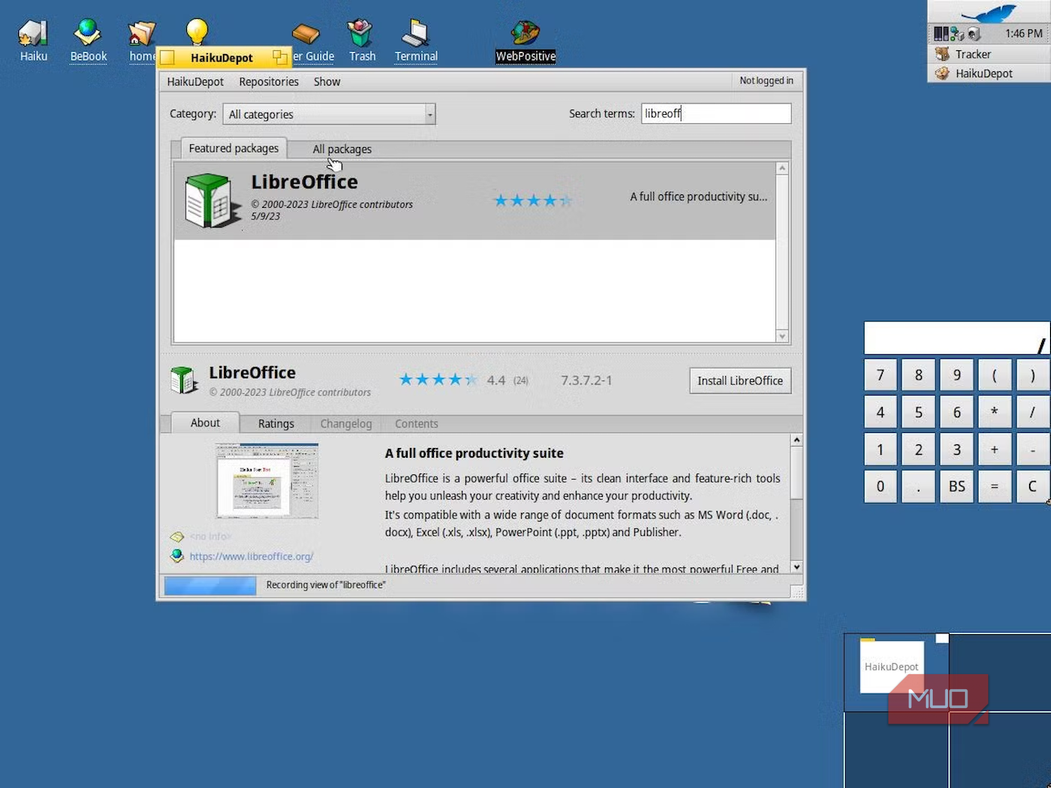

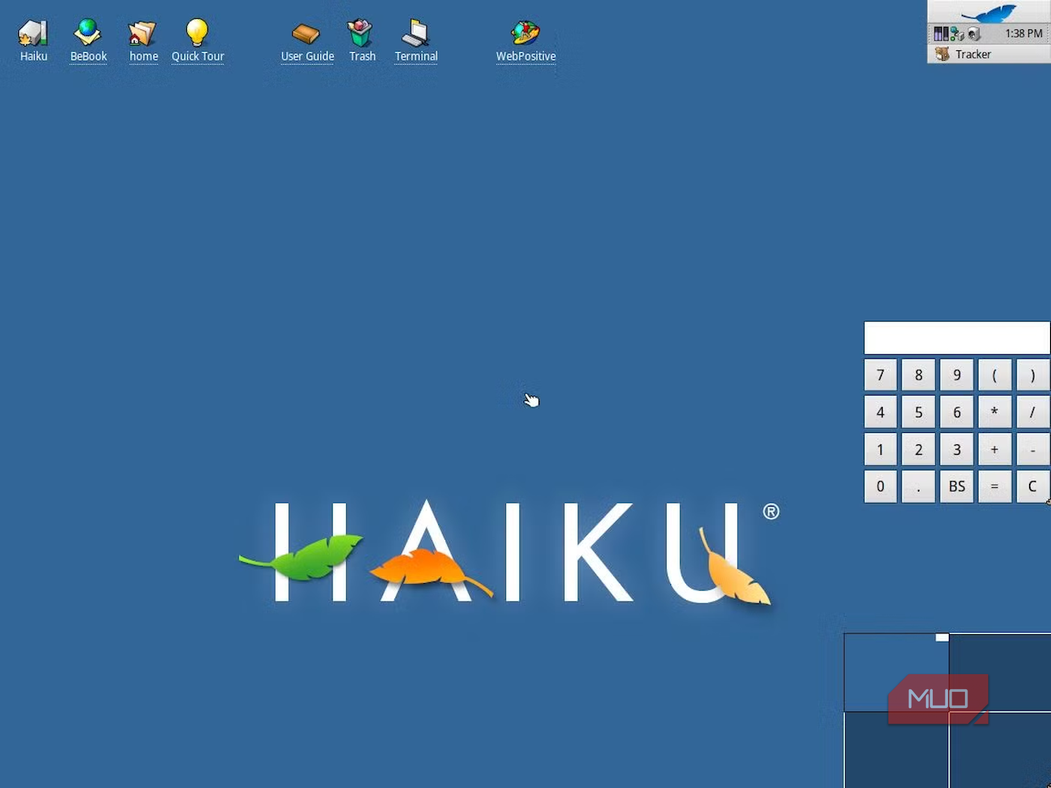


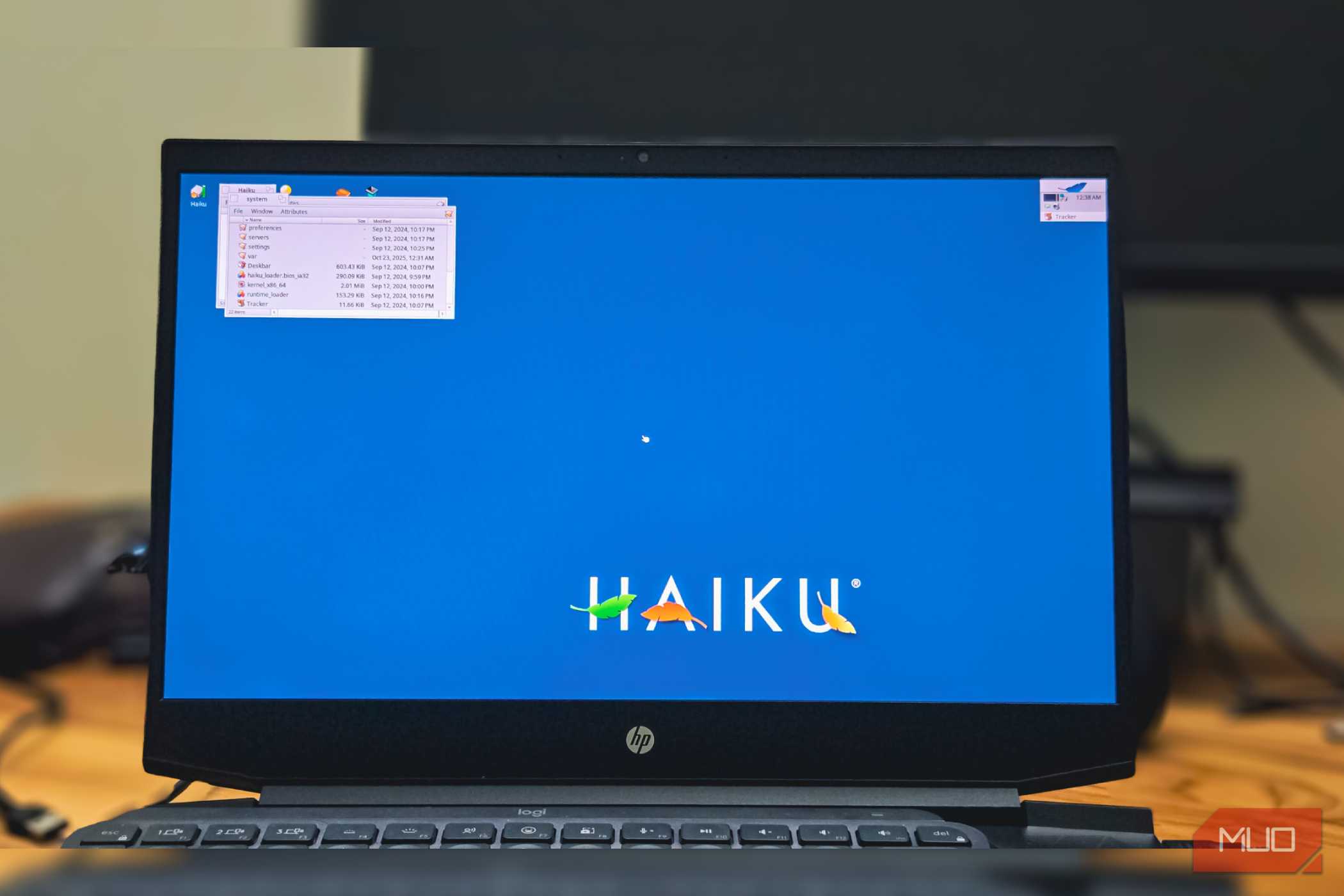
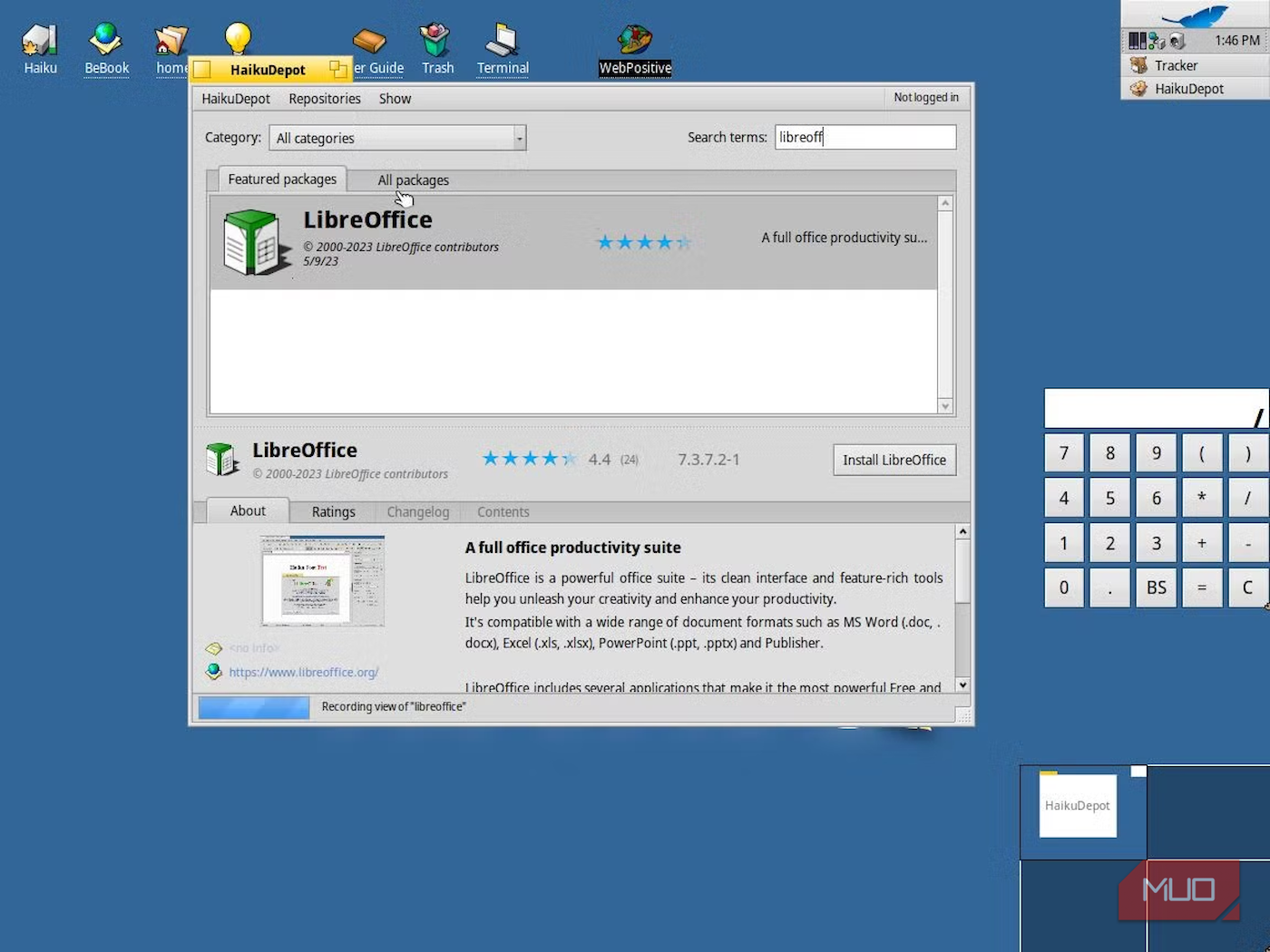
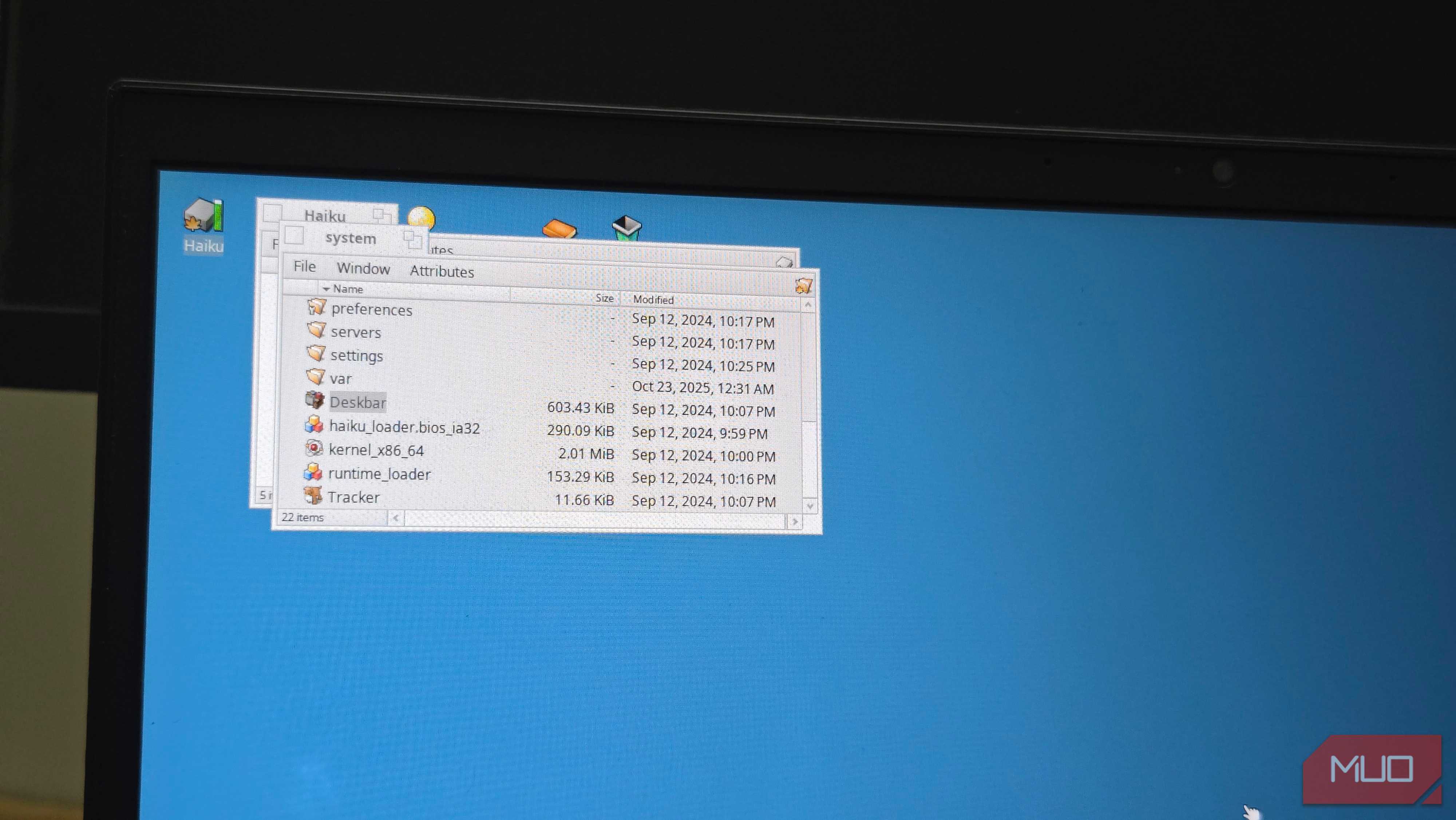
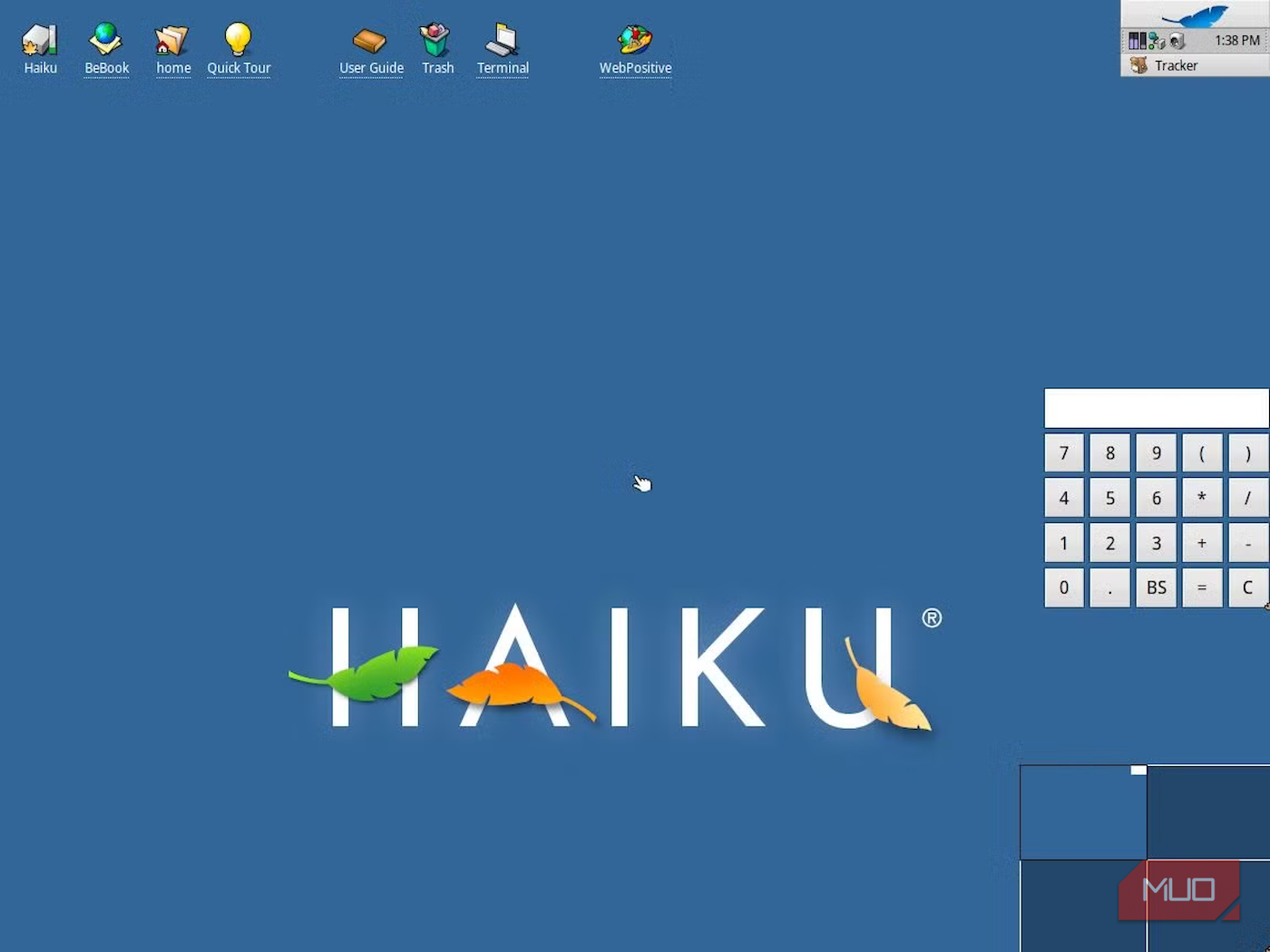
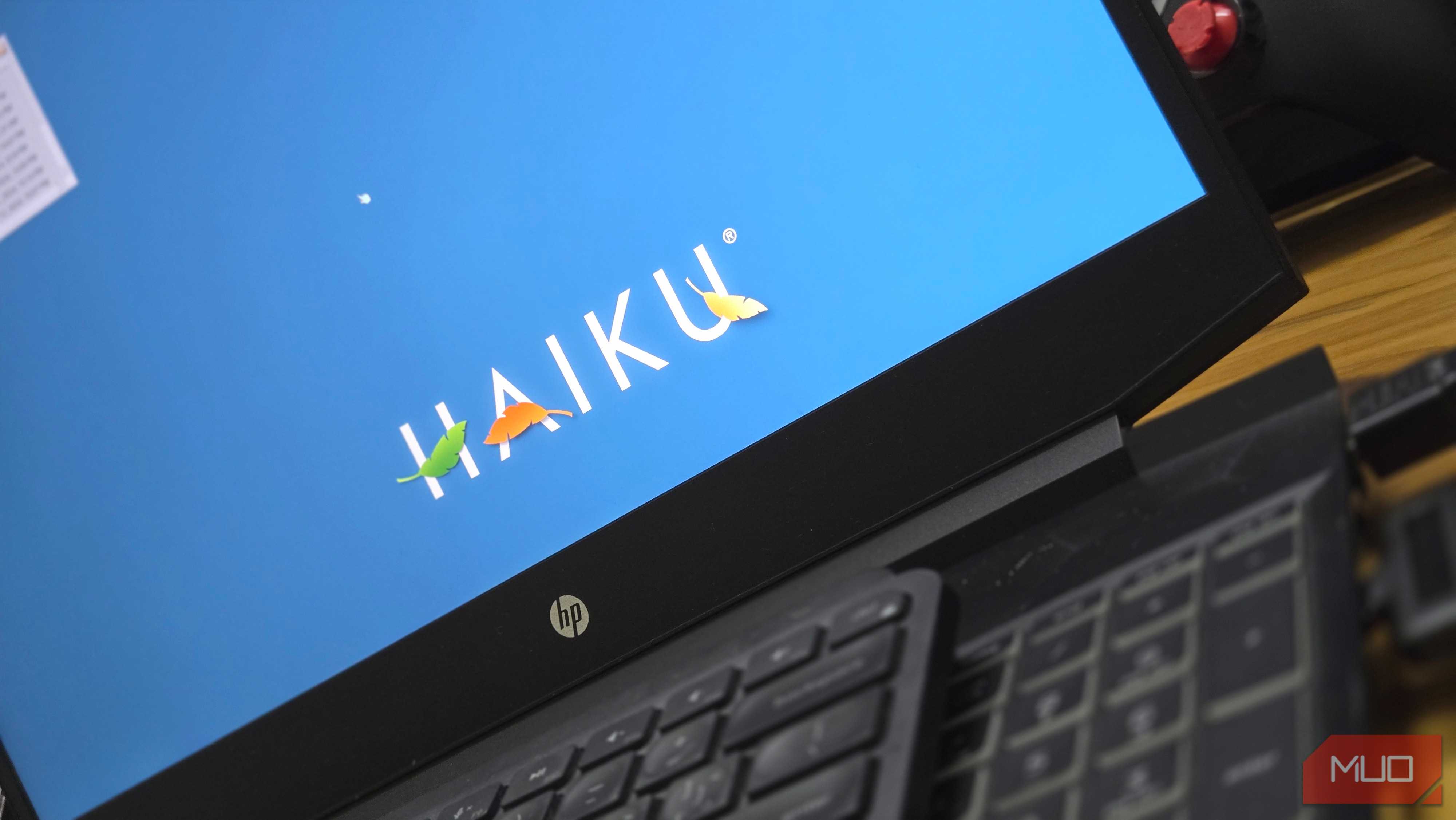
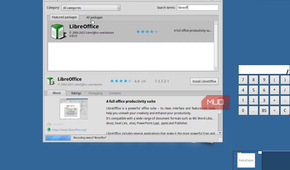
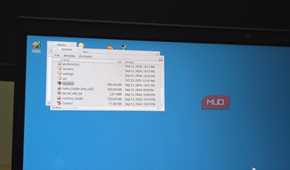


BeOS arrived with the swagger of an operating system that had somehow skipped a few years ahead, earning a modern reputation as the forgotten OS that was more advanced than Windows in 1995. Built around pervasive multi-threading and a media-first design, it handled audio and video work in the late 1990s with a fluency that made the Windows and macOS of the era look arthritic. Then Palm bought Be Inc. for $11 million in 2001, support for the desktop version of BeOS ended, and the open-source community decided the idea was too good to leave behind and responded by building a complete replacement from scratch.
That continuation became Haiku, an open-source operating system that began life as OpenBeOS in 2001. Its latest official release is R1 Beta 5, dated September 13, 2024. Haiku is not a fork, an emulator, or a nostalgia skin wrapped around old code. It is a clean reimplementation with its own kernel, file manager, and threading model, all built to preserve the spirit of BeOS while making it usable on modern machines. Work is still active, with the team moving toward Beta 6 and incorporating updated Ethernet and Wi-Fi drivers from the FreeBSD 15.0 release in December 2025.
One important thing you should know is that Haiku currently lacks user privilege separation, meaning the browser runs with full system privileges, a known limitation the team intends to address after R1. For now, the best way to experience it is still inside a VM, where it remains one of the strangest and most enjoyable desktop detours around. You'll get a coherent, C++-driven operating system with a personality so specific that nobody else seems interested in copying it.

Haiku
Haiku is an open-source operating system inspired by BeOS, designed for personal computing with a clean interface, fast performance, and a tightly integrated experience that feels refreshingly different from mainstream alternatives.
ReactOS
Thirty years of rebuilding Windows from scratch


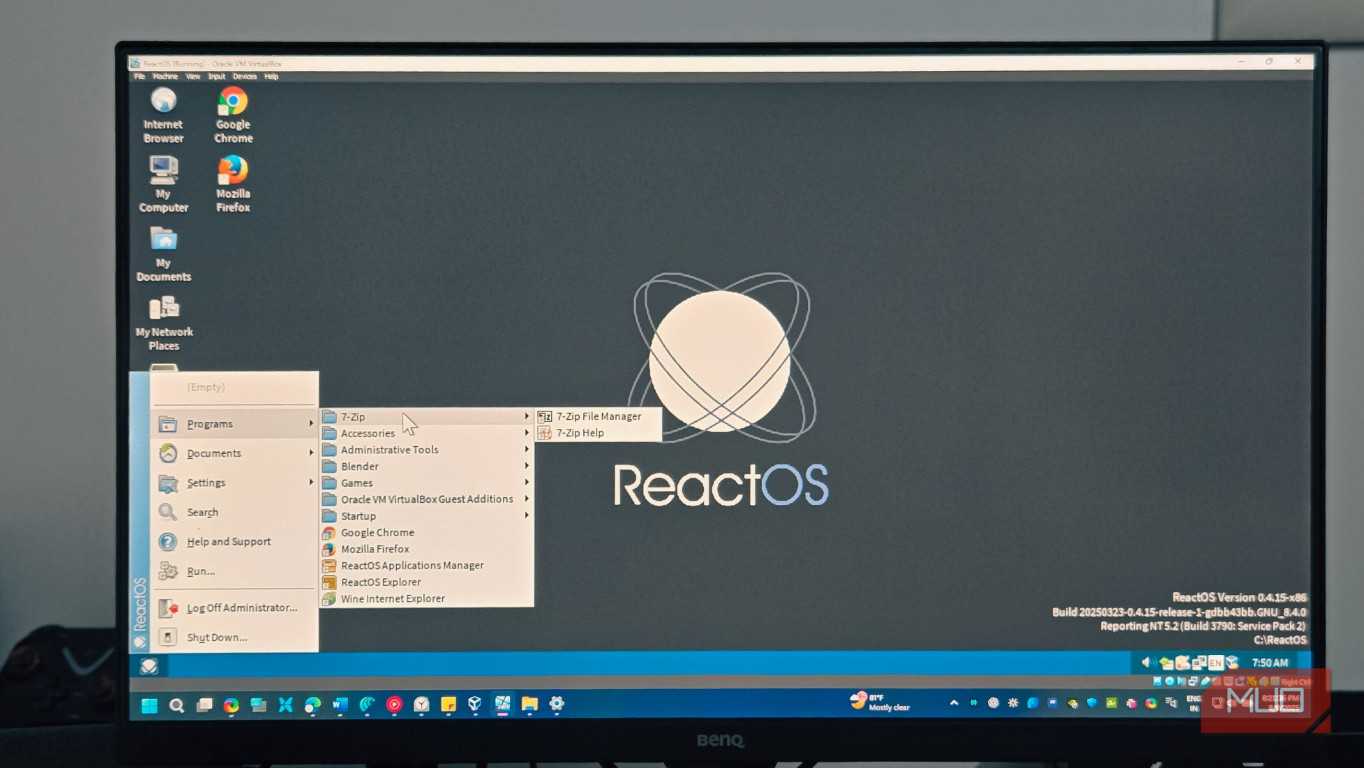
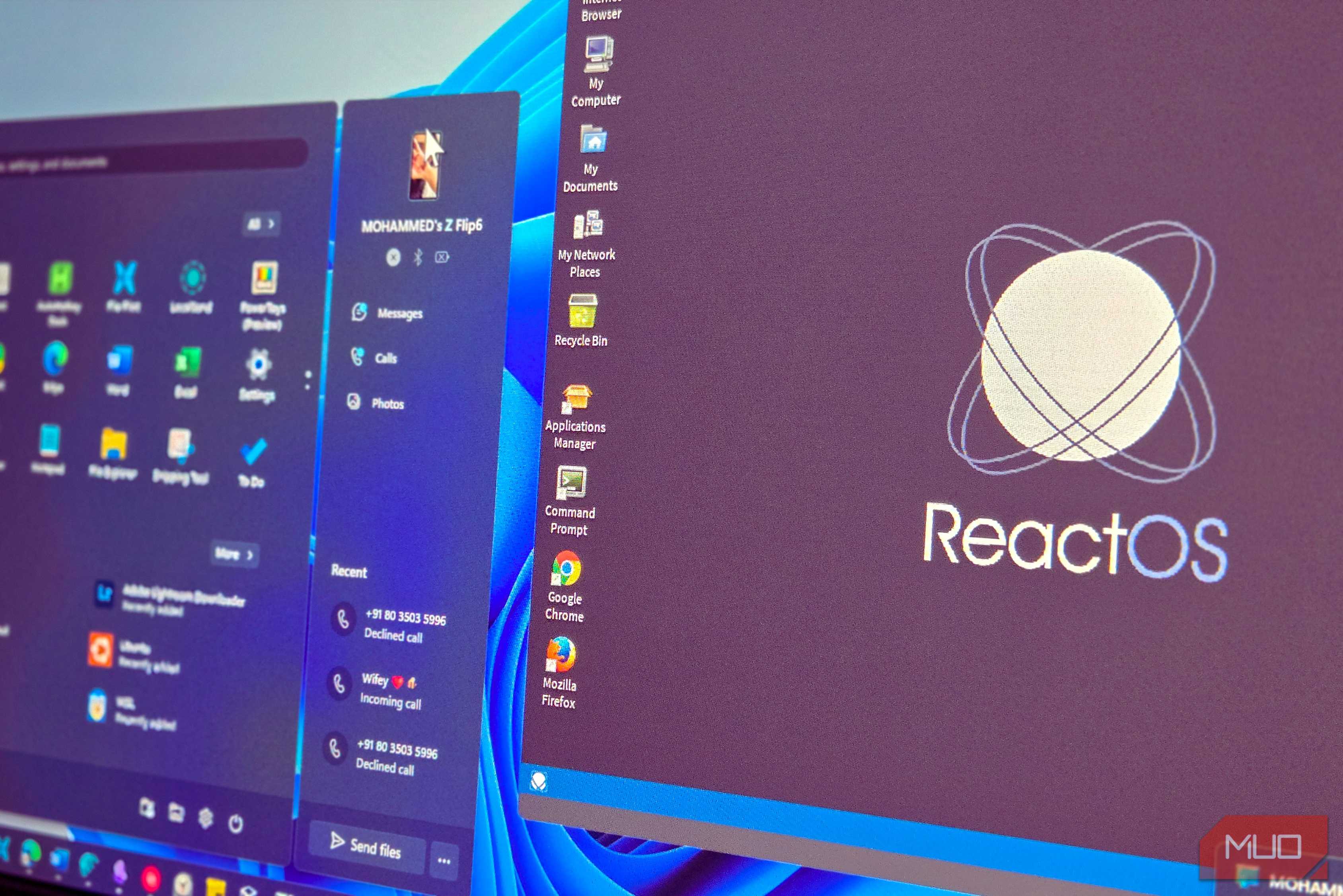
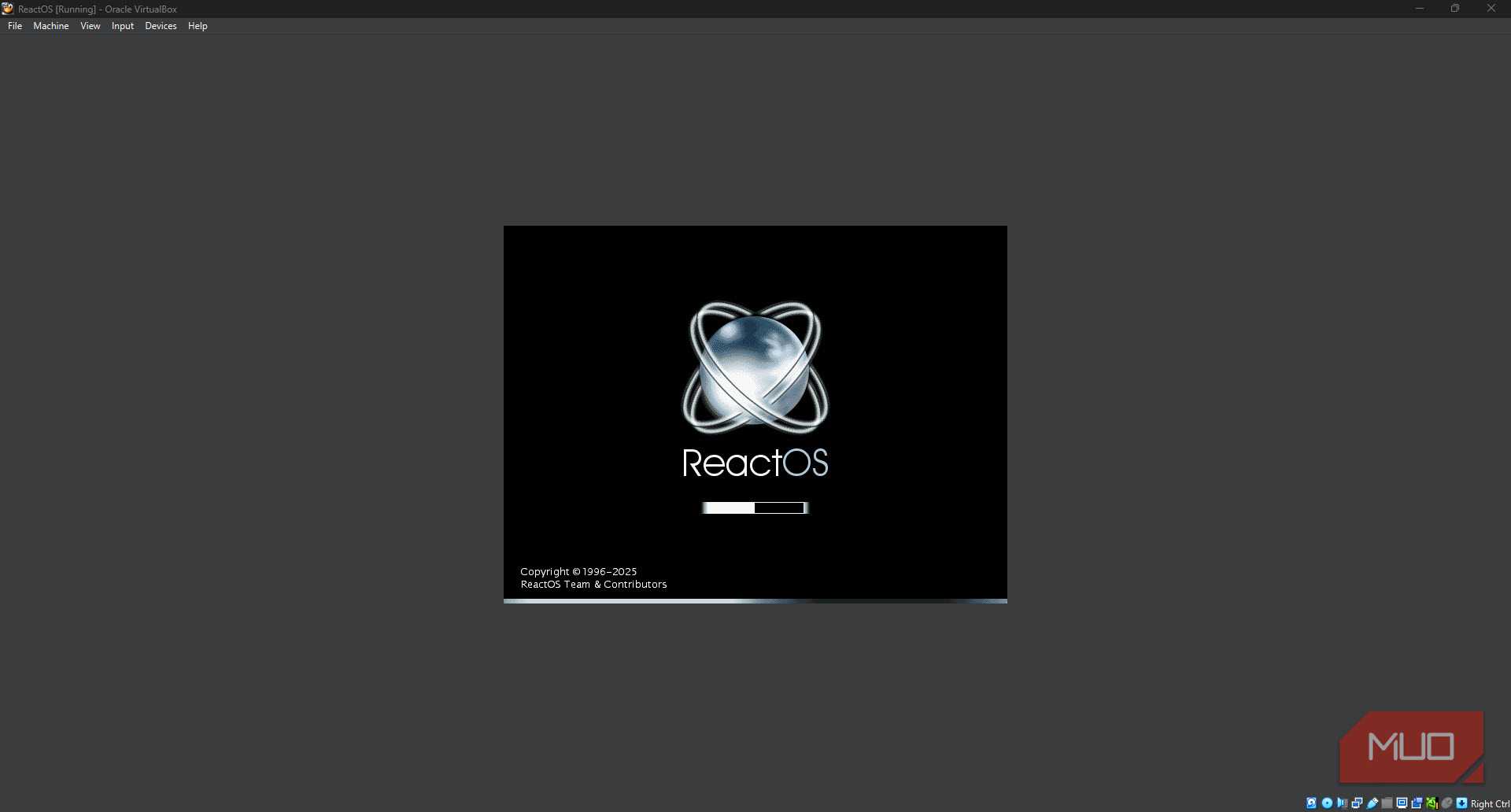
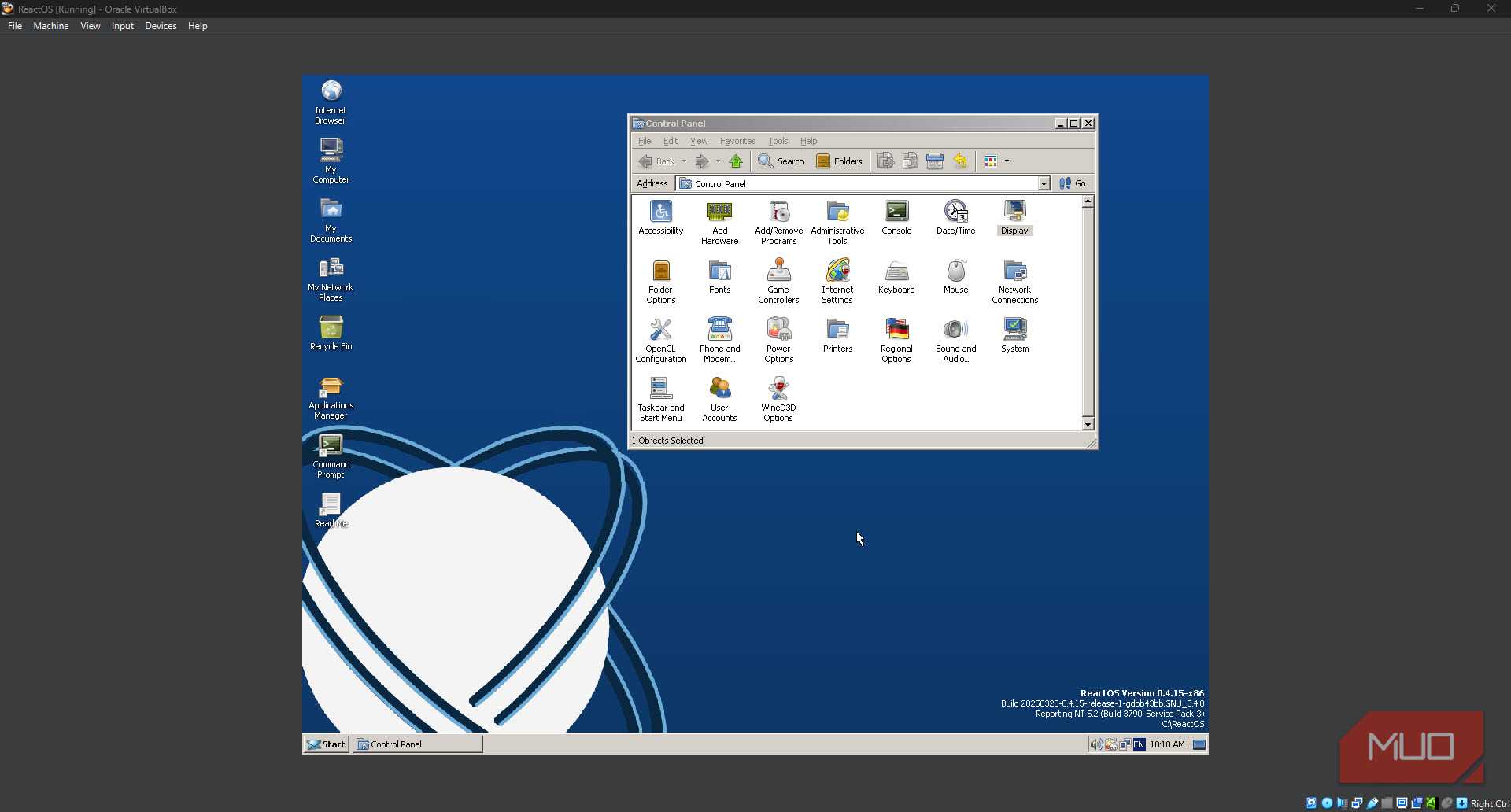
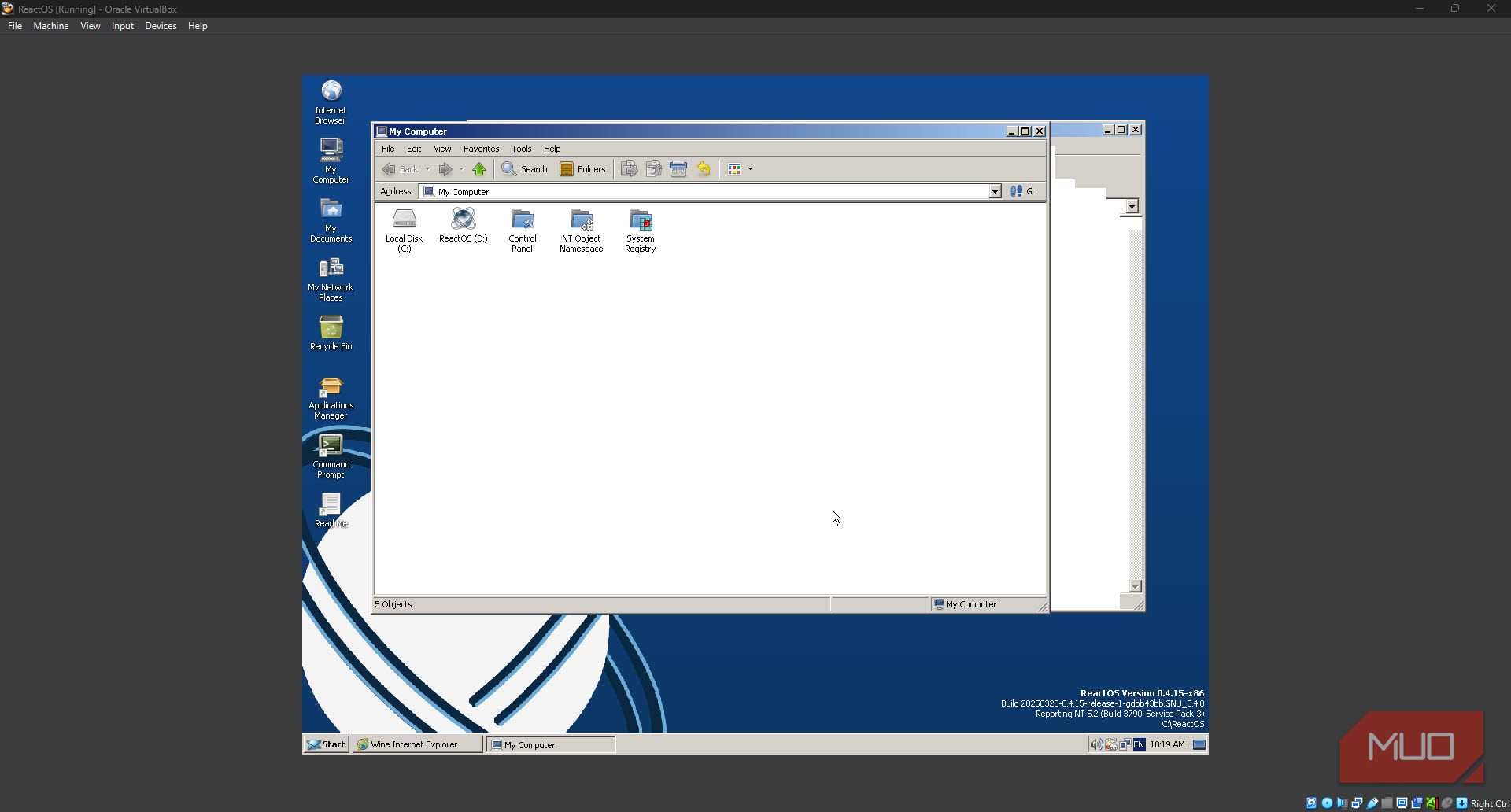
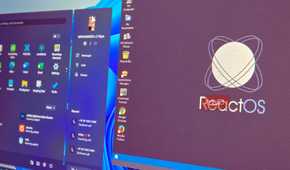
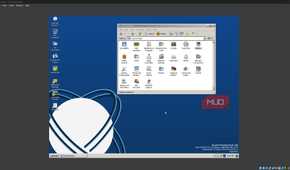
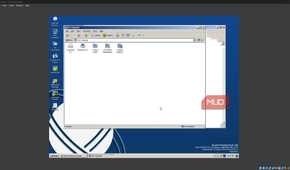
As an open-source Windows clone, ReactOS may be the most brazen project in open-source software, and I mean that as a compliment. Its goal is not to imitate the look of Windows or provide a compatibility layer for a few old apps. It is a complete, from-scratch reimplementation of the Windows NT kernel, registry, and driver model, built to run real Windows software and real Windows drivers without using Microsoft’s code. The project recently marked 30 years since its first source commit, which says a lot about the scale of the obsession involved here.
That is also what separates ReactOS from WINE. WINE brings Windows application compatibility to Unix-like systems, while ReactOS is trying to rebuild the NT world underneath the applications themselves, including the parts Windows drivers expect to find. ReactOS 0.4.15, released in March 2025, was described as the largest release in the project’s history, with nearly eight times as many commits as the previous version. It brought a rewritten kernel memory manager, better audio support, USB booting, and plenty of lower-level work that most users will never see, but the system badly needs. An ARM64 port has also been demonstrated, though it remains firmly in proof-of-concept territory for now.
The current compatibility target is Windows Server 2003, so anything built around modern Windows APIs is likely to hit a wall. It is also alpha software, with possible data corruption, so I'd advise making a virtual machine the sensible place to test it.

ReactOS
ReactOS is a free, open-source operating system designed to be binary-compatible with Windows applications and drivers.
OpenIndiana
What Oracle closed, the community reopened

Sun Microsystems left behind some of the sharpest operating system ideas in modern computing. ZFS brought pooled storage, snapshots, and built-in data integrity into the filesystem itself; DTrace gave administrators a way to inspect a live system at astonishing depth without dragging performance through the mud; and Zones delivered OS-level virtualization years before Docker made containers part of everyday developer vocabulary. When Oracle acquired Sun and shut down OpenSolaris in 2010, the community promptly took the last open codebase, gathered it under the illumos project, and kept that brilliant branch of Unix alive.
Although it is likely one of the free operating systems you may never have realized existed, OpenIndiana is one of the most accessible ways into that world. OpenIndiana Hipster 2025.10, released in October 2025, targets x86-64 and SPARC hardware, ships with MATE as its default desktop, and uses the IPS package manager inherited from the Solaris lineage. It follows a rolling-release model, with fresh snapshots every six months, and includes familiar desktop software such as Firefox, LibreOffice, and Thunderbird.
The catch is that OpenIndiana is not especially friendly to modern consumer laptops. Driver coverage can be patchy, and the application ecosystem thins out once you move beyond server, storage, and developer tooling. What OpenIndiana offers instead is access to a complete branch of Unix engineering that most Linux users have only encountered secondhand, through OpenZFS and DTrace ports that arrived years after Solaris had them natively.

OpenIndiana
- OS
- x86-64
- Software Version
- OpenIndiana Hipster 2026.04
OpenIndiana is an open-source operating system descended from OpenSolaris, bringing enterprise-grade technologies like ZFS and DTrace to modern hardware. It appeals to enthusiasts and administrators who want a Solaris-like environment without relying on proprietary platforms.
SerenityOS
One developer, one recovery project, one OS from scratch

In October 2018, Andreas Kling had just completed a three-month rehabilitation program at a state addiction clinic in Sweden. Unemployed, staying with family, with no distractions to fill the time, he turned to programming. Out of tinkering with an ELF parser, a filesystem browser, and a GUI event loop, an operating system began to take shape. He named it SerenityOS because he wanted to always remember the Serenity Prayer.
SerenityOS describes itself as a love letter to 1990s user interfaces with a custom Unix-like core. It has its own kernel, GUI framework, JavaScript engine (LibJS), web engine (LibWeb), and C++ standard library. Almost nothing is borrowed. Kling stepped back from leading SerenityOS in June 2024 to focus on the Ladybird browser, a fork of LibWeb and LibJS that is now an independent nonprofit project. The OS project continues under its community, with around 58 active contributors per quarter as of 2025. It stands as a vibrant sandbox for programmers who want to build a computer environment entirely by themselves, for themselves.

SerenityOS
- OS
- x86-64 (primarily), with experimental ARM64 support
- Software Version
- Rolling release (no fixed stable version numbers)
SerenityOS is a hobbyist operating system built from scratch with its own kernel, desktop environment, browser, and applications. Its retro-inspired interface and independent codebase make it one of the most ambitious non-Linux, non-BSD operating system projects today.
These operating systems keep the PC interesting
If you need a dependable everyday computer, I would still point you toward Windows, macOS, or a friendly Linux distribution. That does not make these alternative operating systems failures, because not every interesting platform needs to become your main machine to matter.
I am glad these systems exist because they keep personal computing from calcifying into a finished story. The digital world is infinitely healthier with a few brilliant, impractical, and fiercely independent operating systems still pushing against the defaults.