


I've bought several refurbished phones over the years. Some looked brand new on arrival, but a few had only half a day's battery life. I never had a reliable way of knowing exactly what I was getting.
This prompted me to investigate and compare the published standards from major manufacturer programs and large marketplaces. A gap exists between what is tested, replaced, and guaranteed — and that gap can mean the difference between buying a device that holds up and one that's an expensive surprise waiting to happen in a few months.
Two "refurbished" listings can come from two different worlds
One phone went back to the factory; the other went to a stranger's workbench

Refurbished badges may look identical, but one device may be refurbished by the manufacturer, while another is refurbished by an independent seller working to the marketplace's requirements. Sadly, the product pages rarely show the path that the device in your cart went through.
The clearest factory-direct version I know of is Apple’s Certified Refurbished program. This program passes any recovered or returned device through comprehensive functional testing, cleaning, and inspection. This process detects and replaces faulty parts with genuine Apple components. It also provides a new battery and outer shell for iPhones and iPads. Finally, it ships these products in new boxes and includes a one-year limited warranty; AppleCare+ is available.
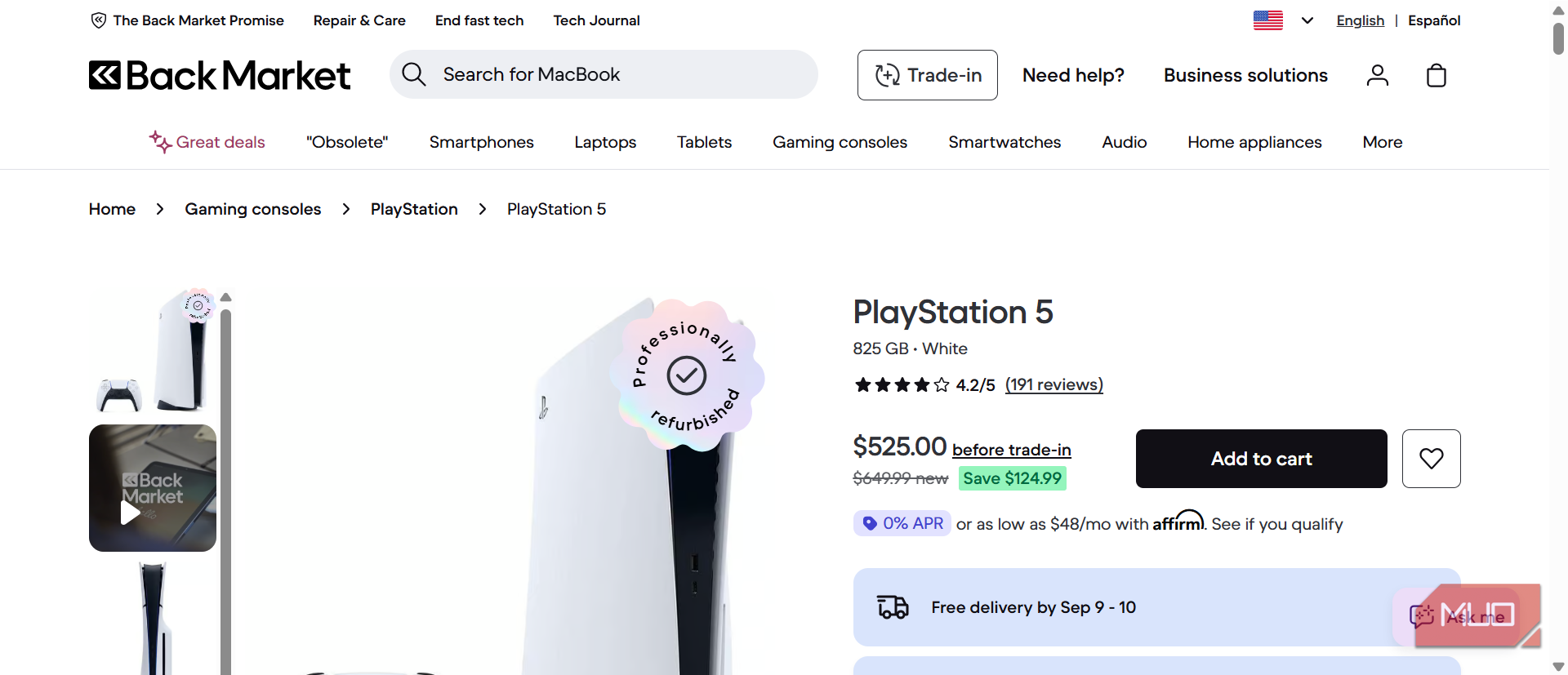
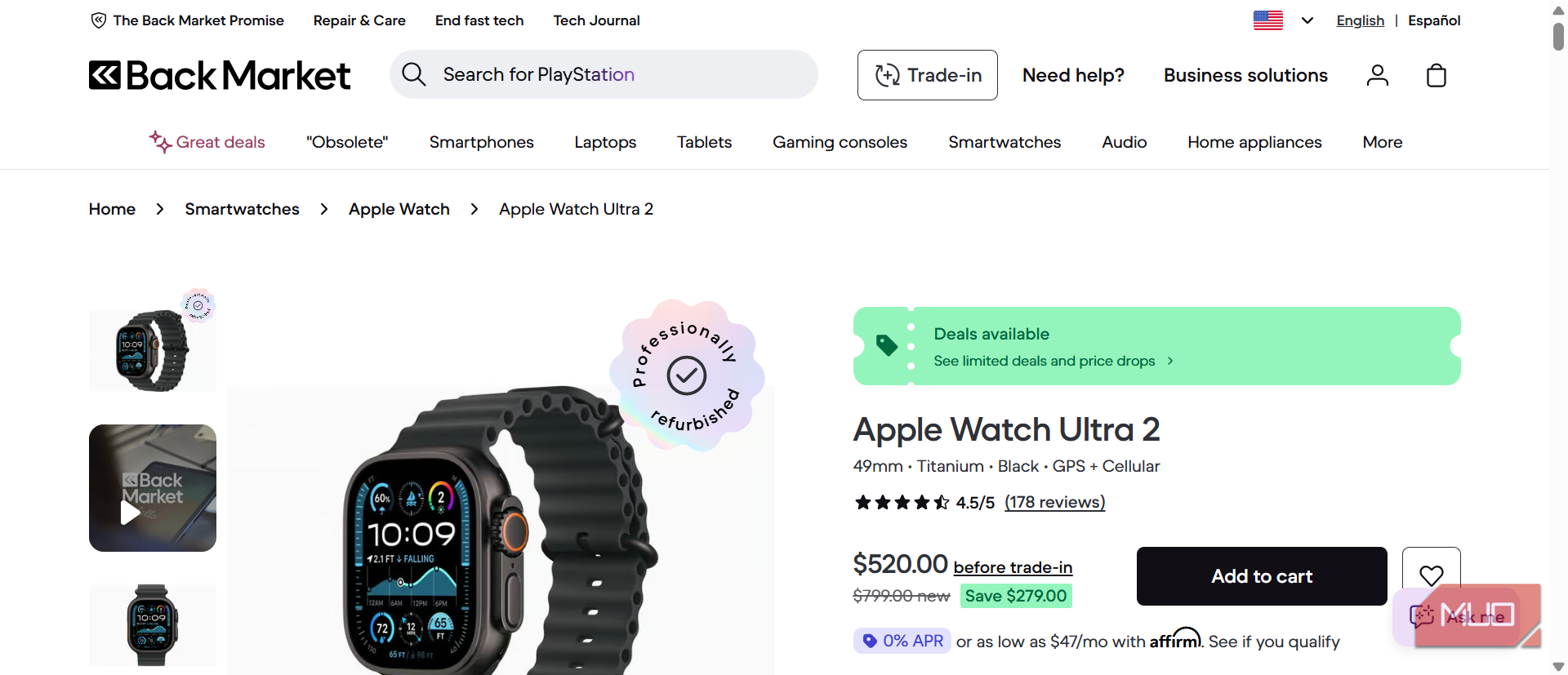
The Back Market model differs: independent sellers perform refurbishing under its Quality Charter. This process is done by independent sellers who work under its Quality Charter. Listing requires testing of ports, cameras, biometrics, buttons, and battery condition. Back Market uses seller scores and buyer-protection measures. The main difference here is that the manufacturers are not the ones doing the actual refurbishing.
Samsung has a Certified Re-Newed program, and the refurbishing path is similar to what Apple offers. I'm not suggesting one is superior, but simply pointing out that "refurbished" only indicates the device isn't new. Who decides if that device is fit for resale is a different story, which you must pay attention to even before considering the price.
"Excellent" is grading what you'll see, not what you're getting
The scratch-free phone and the honest one aren't always the same phone

Refurbished devices often include a cosmetic grade, and it's easy to assume this is a full device report when it's simply reporting on the device's exterior.
With Back Market, there is a clean separation of both because it uses grades that describe visible wear. There's a Premium grade that implies no sign of use when viewed from a normal viewing distance, but lower grades indicate light or more noticeable marks. The grades describe appearance; Back Market says the devices are fully functional regardless of grade.
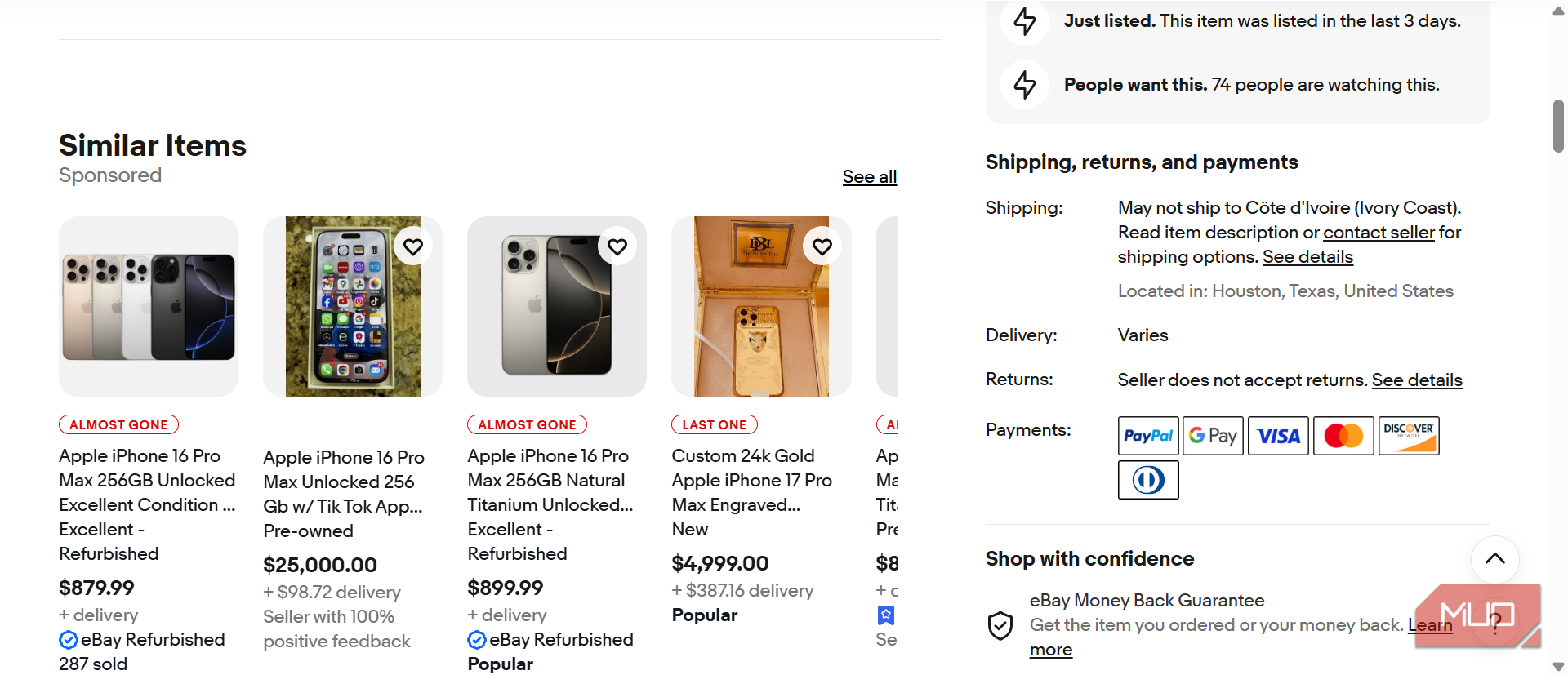
eBay uses the same split. It uses Excellent, Very Good, and Good for tracking cosmetic wear. Again, regardless of the grade, these are all fully functional. So a phone that is "Good" isn't automatically worse than one that's "Excellent." However, it shows more visible surface wear.
If you find a spotless "Excellent" listing, you still don't know anything about its battery or other internal components from that grade alone, and you have no extra information on how thoroughly it was tested.
For individual sites, you must read what their top grade promises before drawing any conclusions.
The battery is where "refurbished" changes its meaning
Same word, three different machines humming inside three different phones


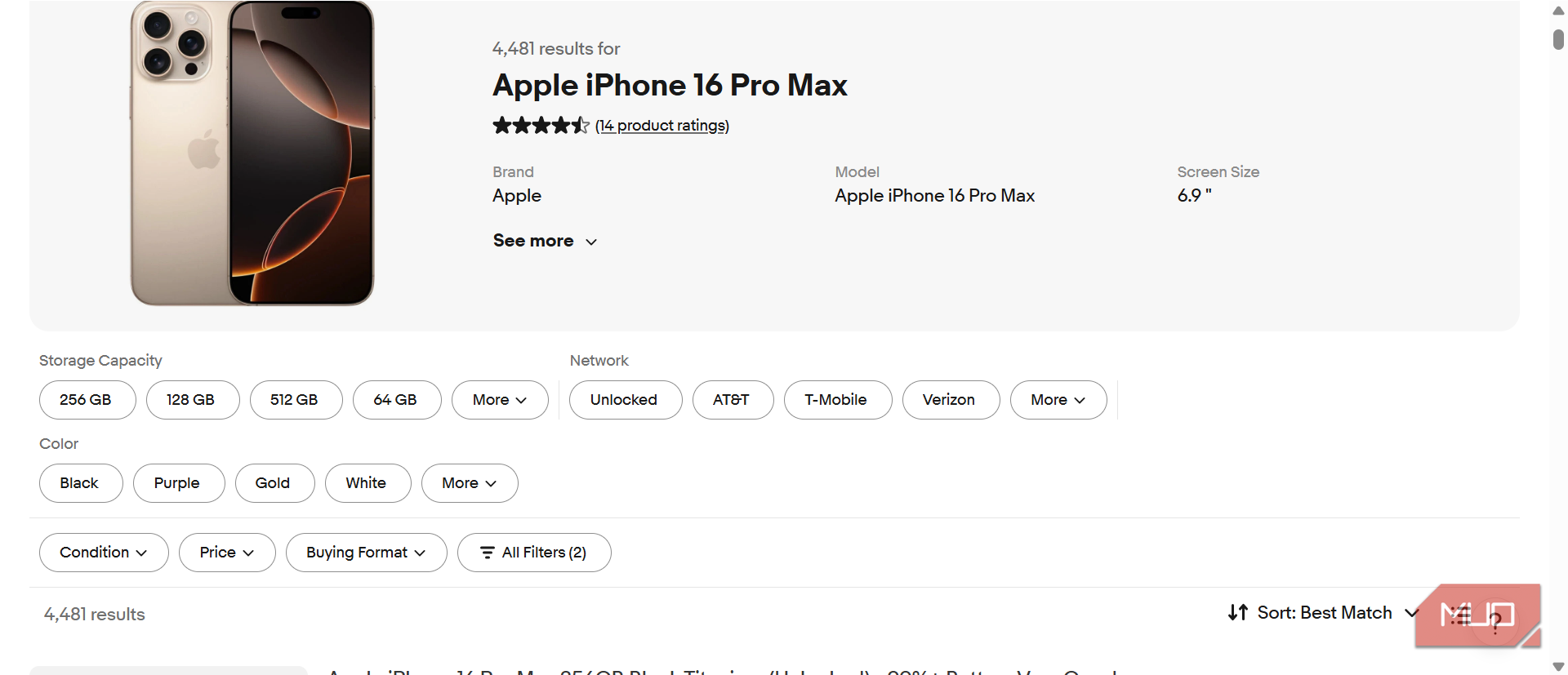
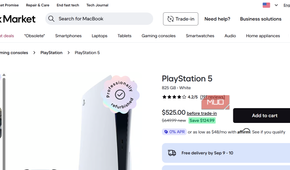
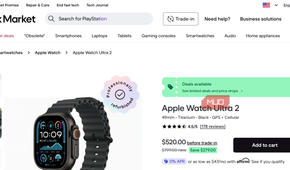
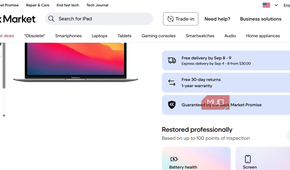
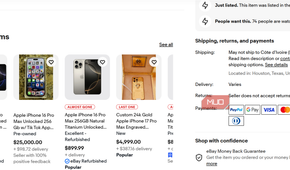
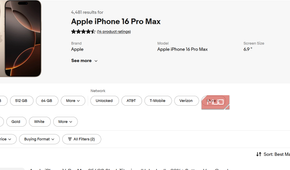
You may get a phone that looks untouched, yet just three months later, it needs to be plugged in after every hour of use.
The standard for refurbished phones on Apple and Samsung’s Certified Re-Newed programs includes battery replacement. Back Market requires 80% battery capacity, so as long as the phone meets this minimum, you may be buying a phone that still has its original cells.
These are three different companies with three different battery requirements grouped under the same word. One marketplace sets 80% as the minimum battery capacity for the refurbished phones it sells, but this isn't a universal floor. An 80% battery can still work perfectly well, but it won't have the same capacity as a fresh battery.
When a device is refurbished, check the battery health as soon as you receive it. This allows you to make a decision while the return window remains open. The number you see says more than a universal "refurbished" stamp does.
The return window is only the first test
While returns protect your decision to buy, warranties protect your decision to keep the device. Around day forty, the difference often becomes obvious. By then, the return window may have closed, and the seller's promise becomes the only difference between a working device and a paperweight.
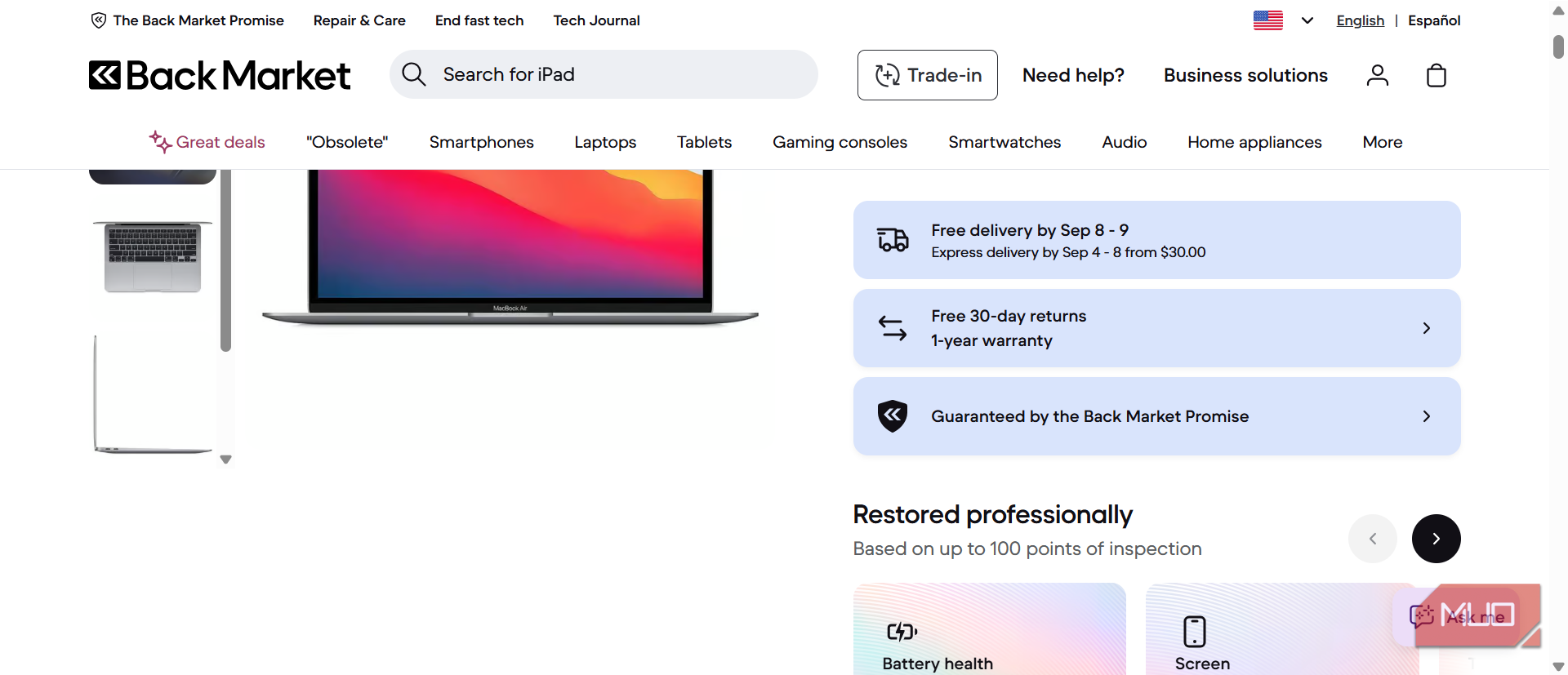
Apple's Certified Refurbished devices carry the same one-year limited warranty as new Apple products. Back Market attaches a one-year warranty to every sale and a free return window of 30 days. eBay Certified Refurbished is backed by two years of coverage handled through Allstate; there's one-year coverage on its Excellent, Very Good, and Good tiers.
It's good to know how long this coverage lasts, but that's just one side of the promise. The questions worth asking are: Who processes the claim? Does the remedy imply a replacement or a repair? Are you still covered if the original seller can't be found? We focus on price changes from one refurbished listing to another, but the promises aren't always the same, and that deserves some attention too.