


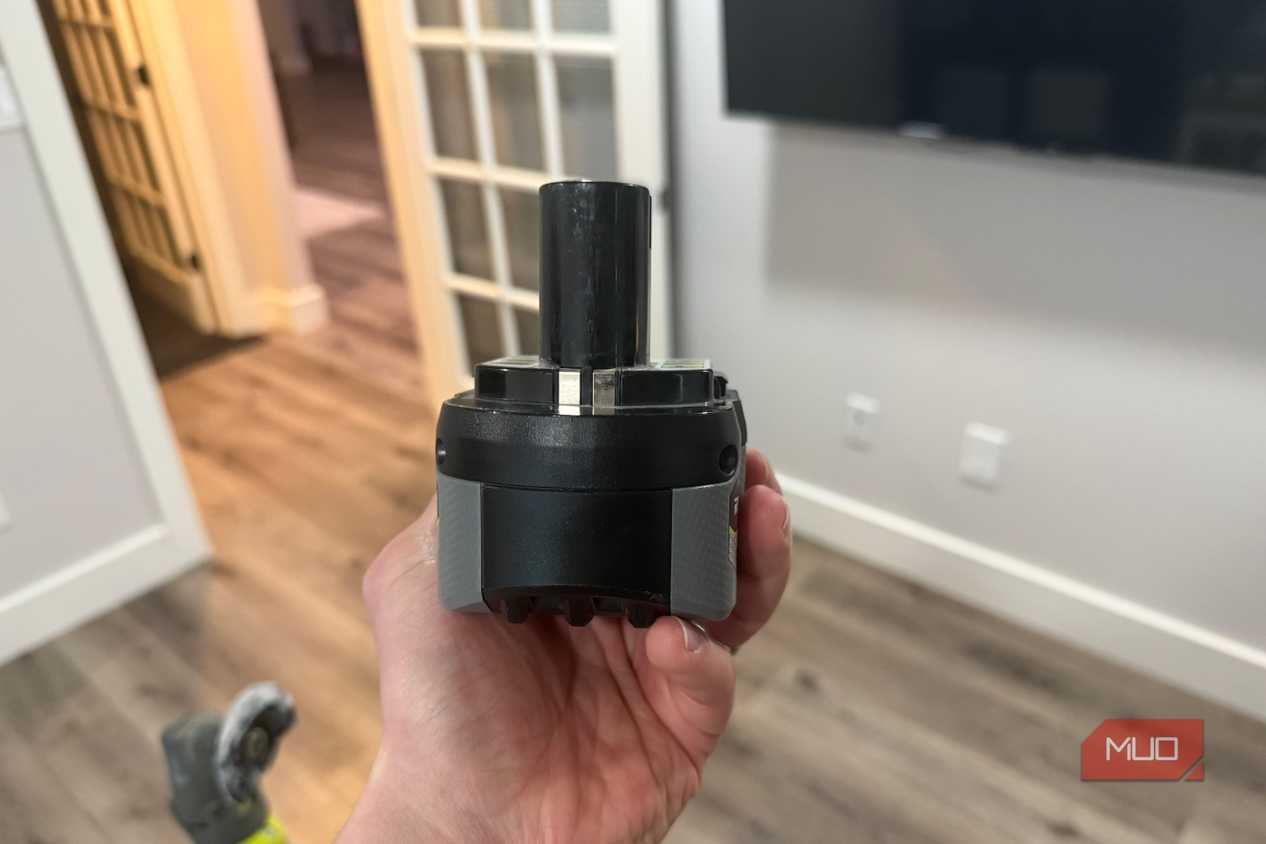
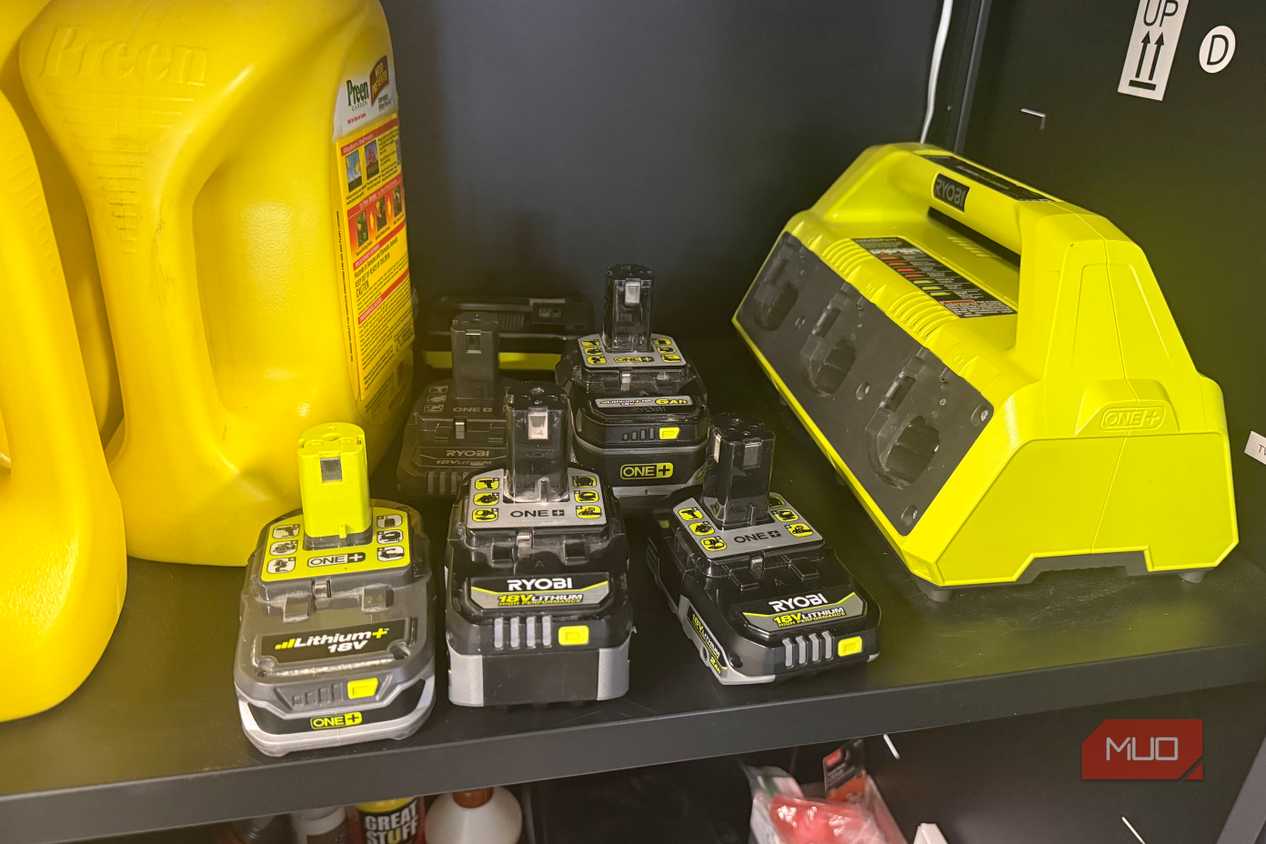
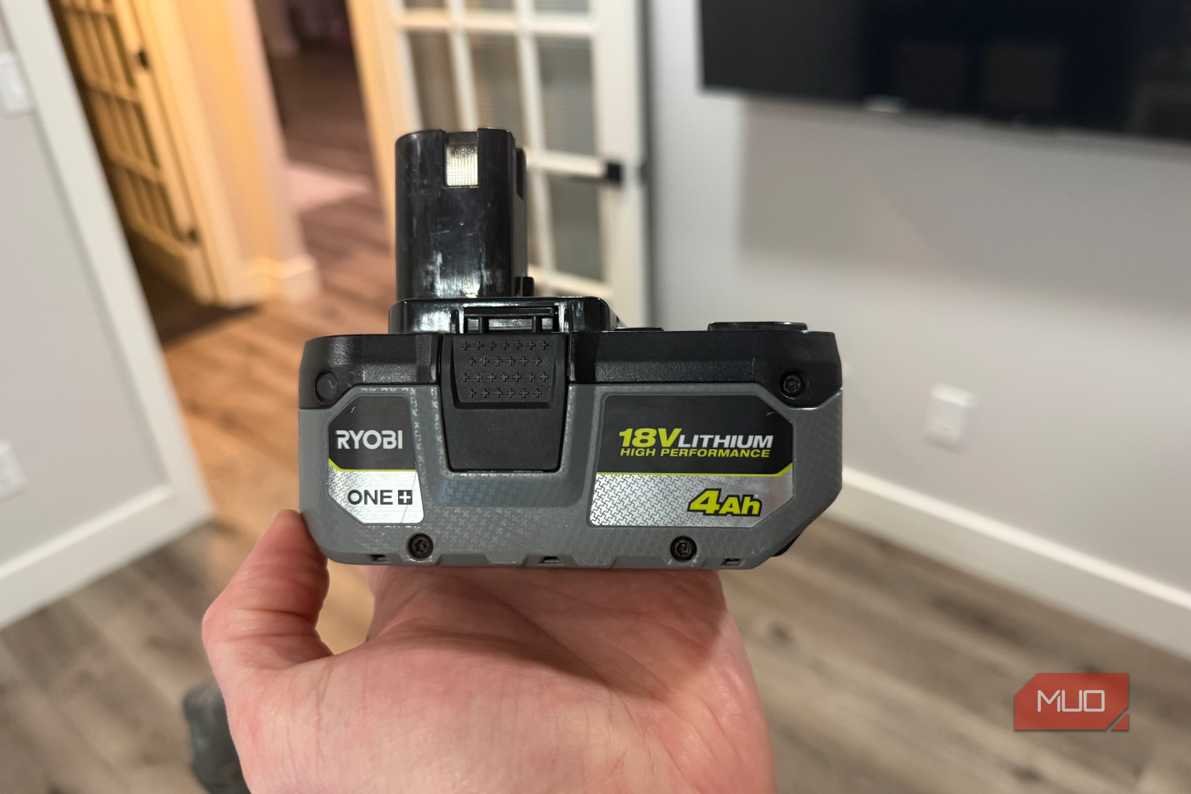
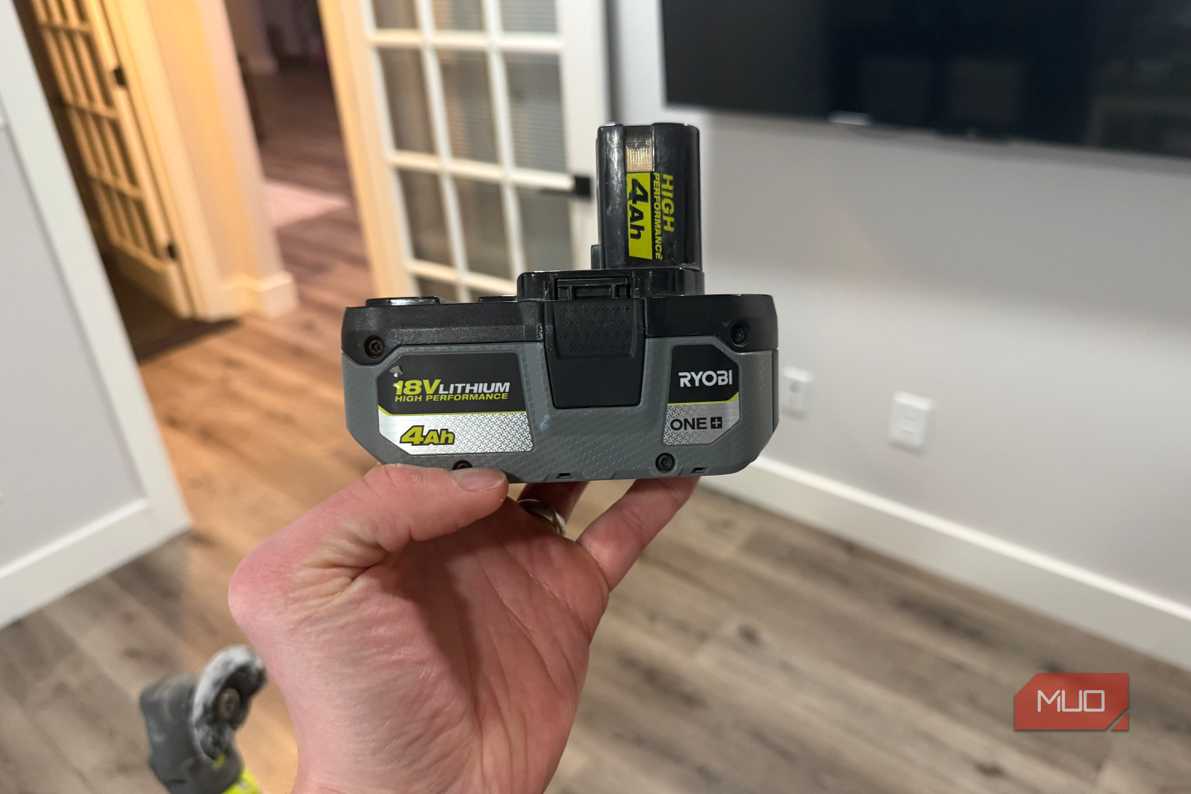
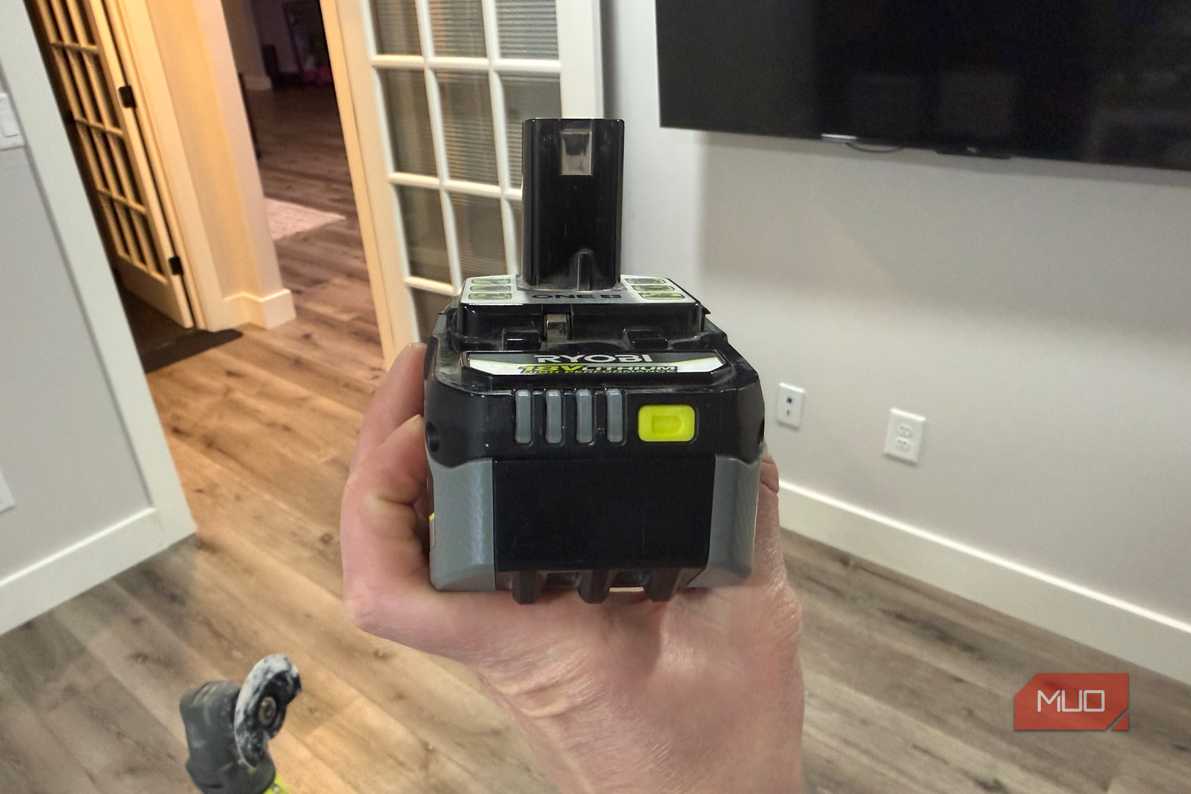
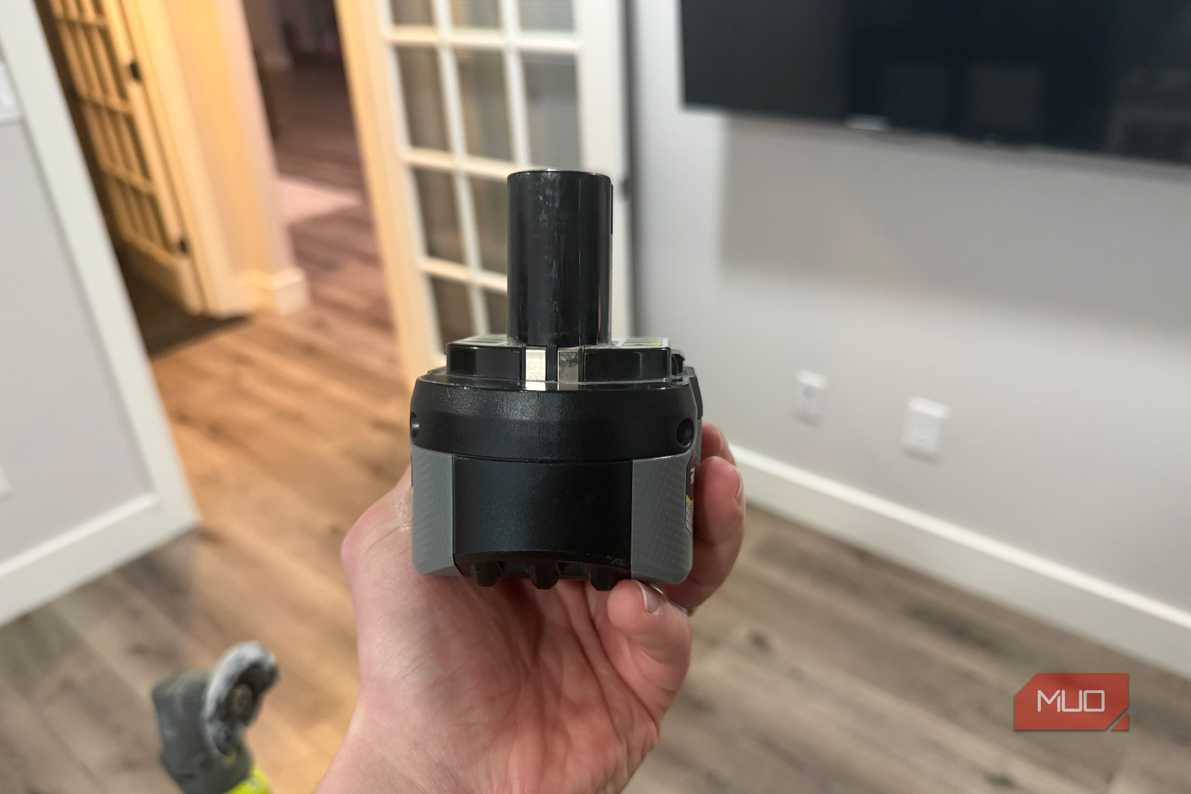
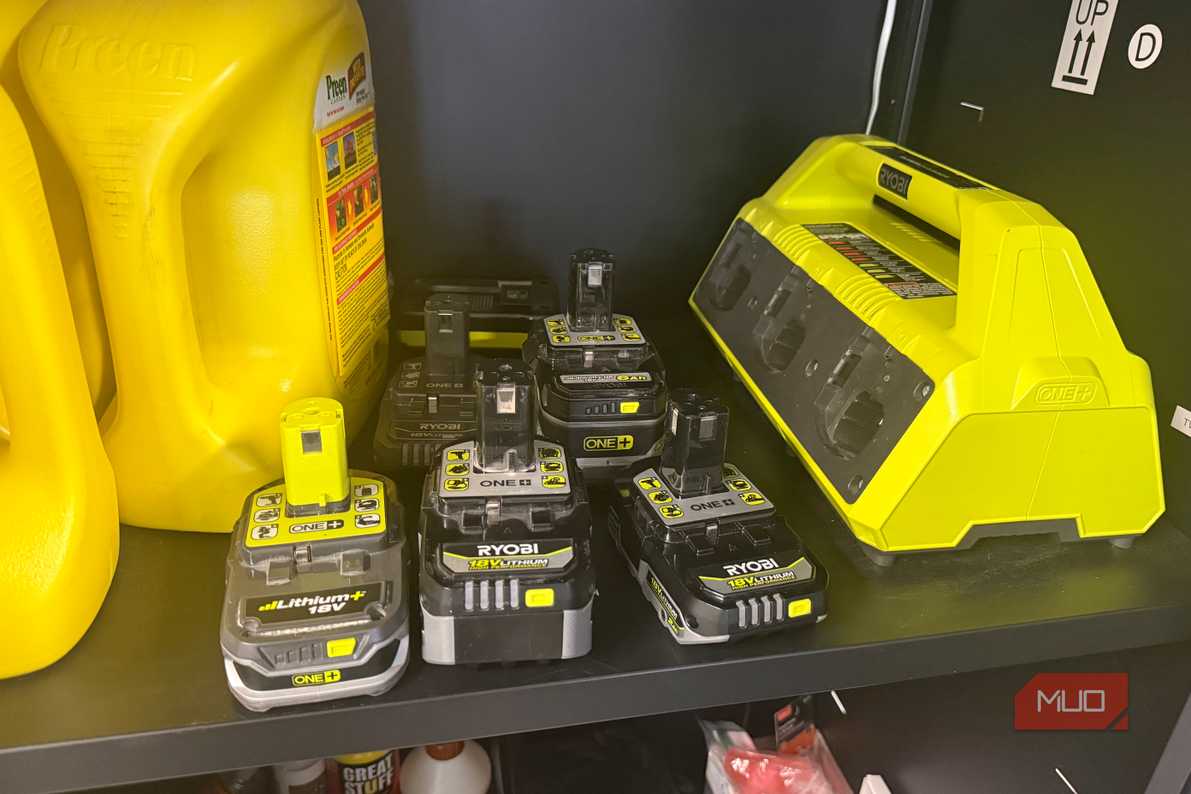
My garage runs on two Ryobi battery platforms that want nothing to do with each other. The 18V ONE+ packs behind my drill won't fit my string trimmer, and the 40V batteries that power my yard gear are useless on the workbench. I built my whole workshop around Ryobi ONE+, then added 40V equipment anyway, which looks like buying into the same brand twice. The system behind it is almost embarrassingly simple. Before any green tool goes in my cart, I check how long the trigger stays pulled. A few seconds at a time, and 18V wins. If the motor has to run from start to finish, I pay up for 40V. That one question has sorted every Ryobi purchase for years now, and it hasn't missed.
Trigger time decides the voltage
Burst tools rest between pulls, and marathon tools never do


 Credit: Jonathon Jachura / MUO
 Credit: Jonathon Jachura / MUO
 Credit: Jonathon Jachura / MUO
 Credit: Jonathon Jachura / MUO
 Credit: Chris Hachey / MakeUseOf



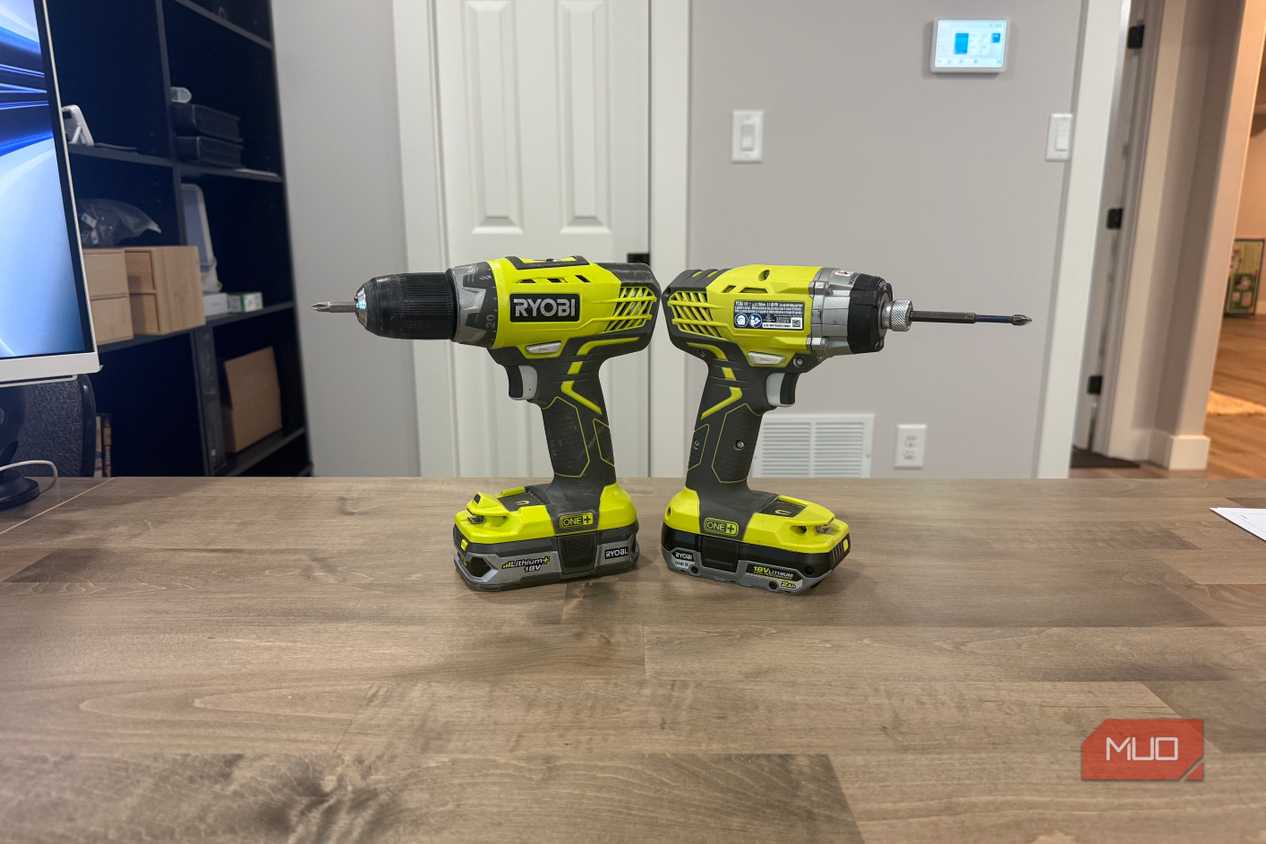
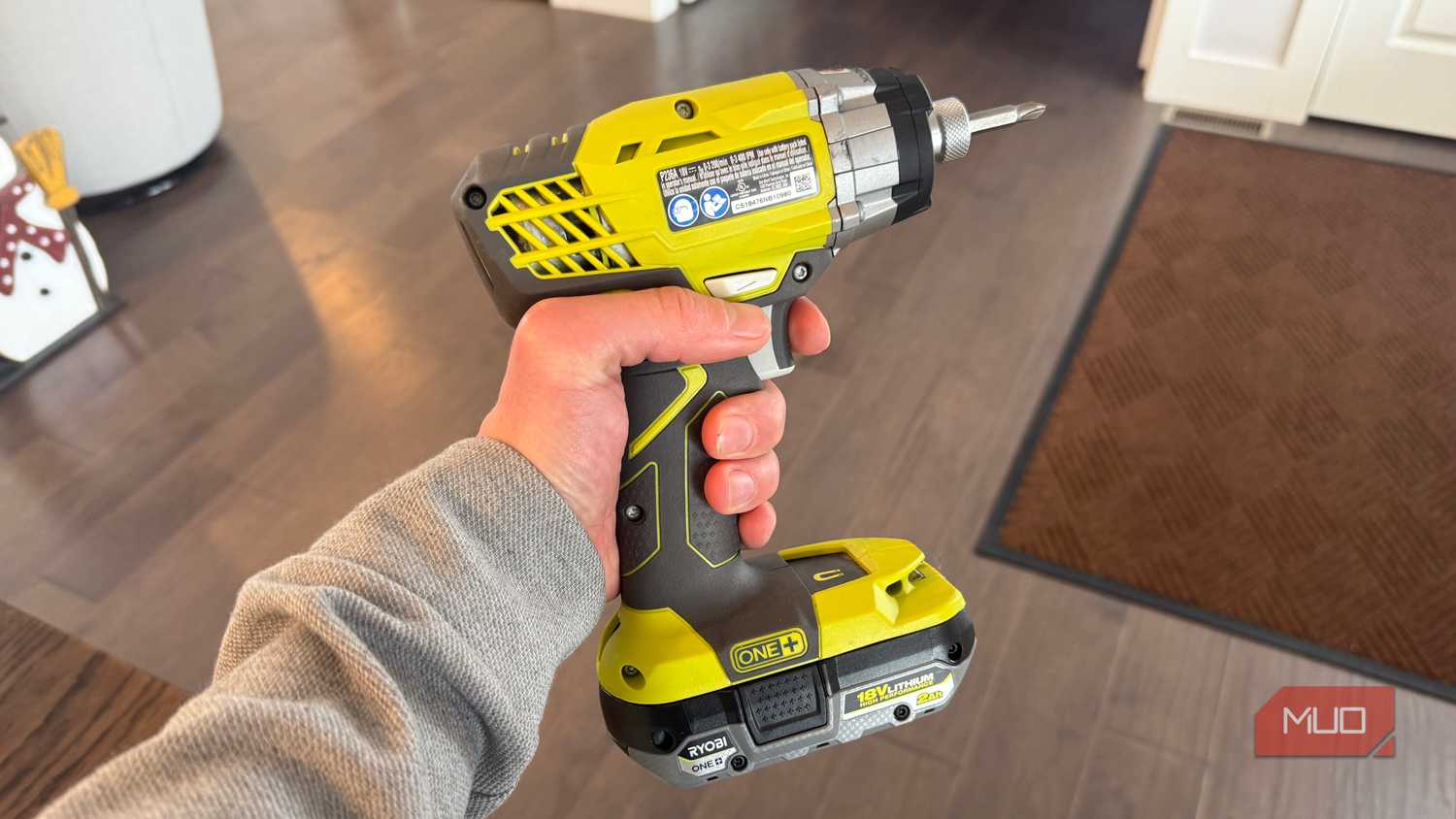
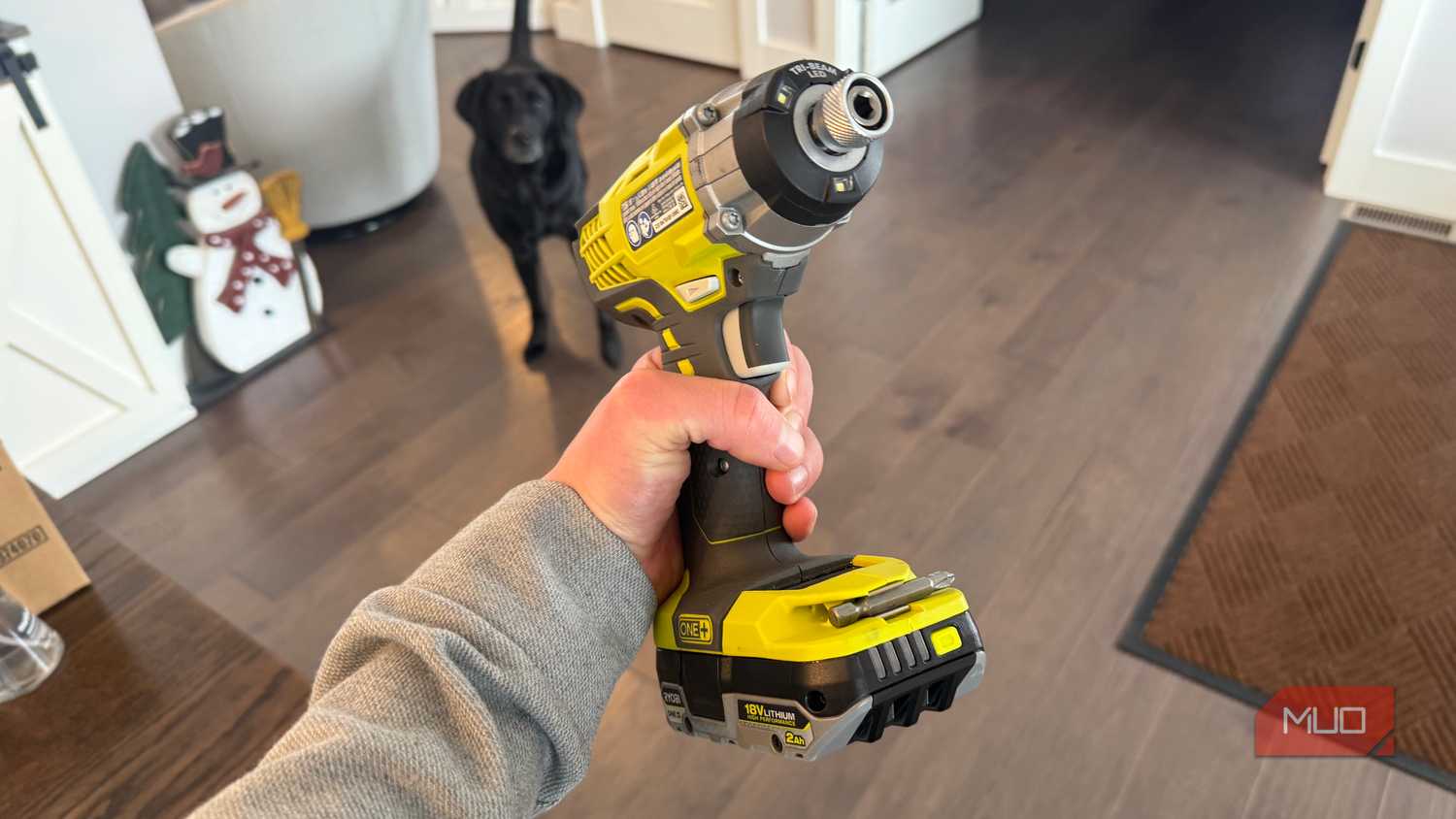
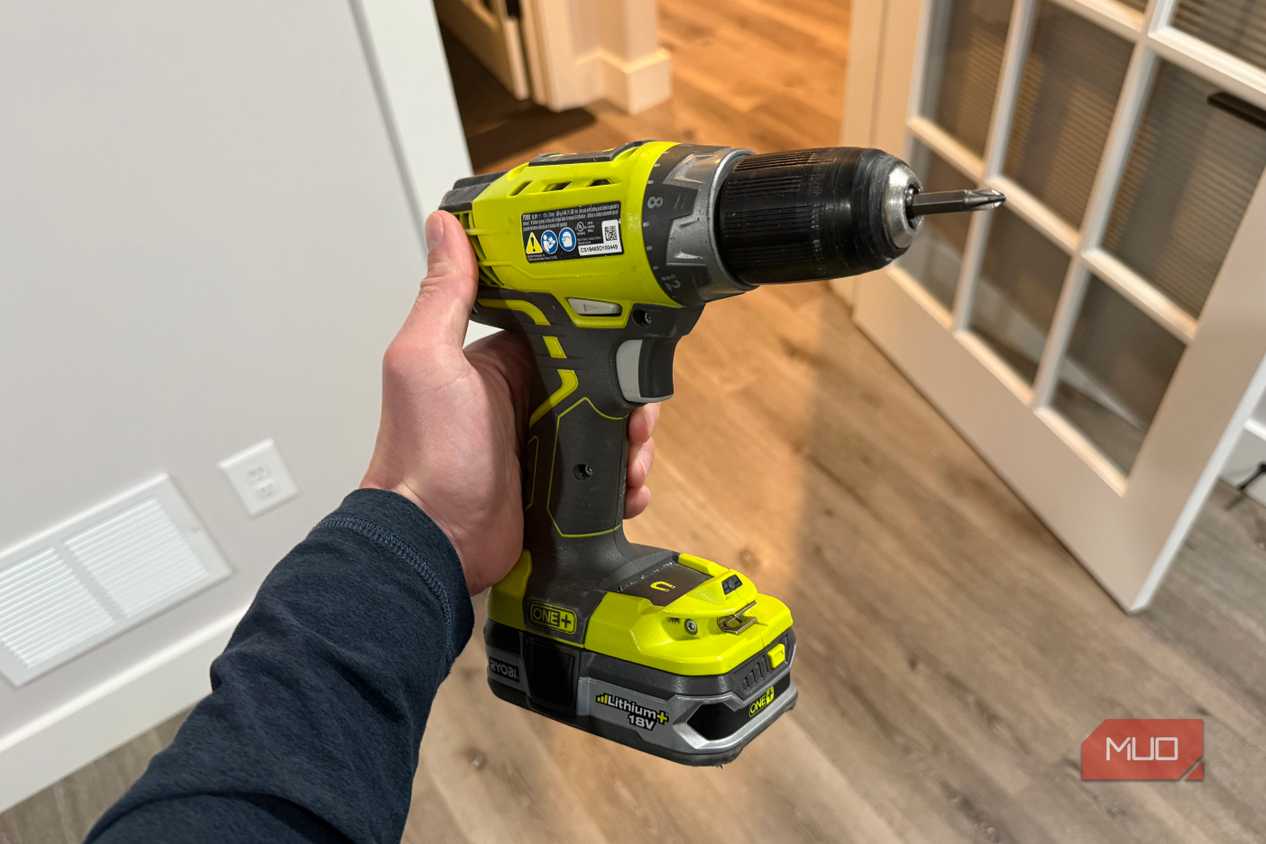
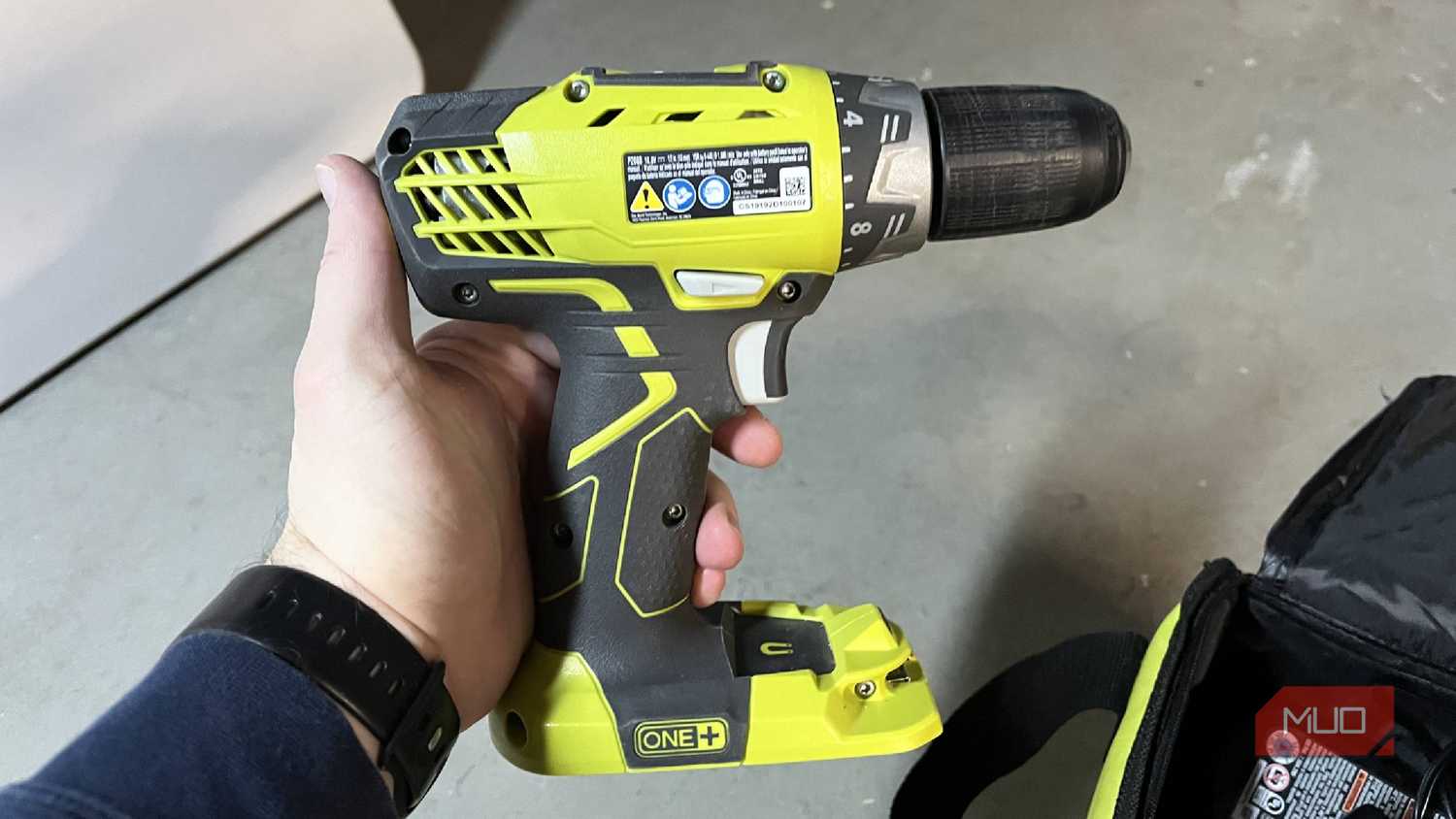
A drill spins for a few seconds, stops, then waits while you line up the next hole. An impact driver sinks a screw in two or three. Even my circular saw, the hungriest tool on the 18V shelf, only loads the battery for the length of a cut. Between pulls, the pack rests and the motor cools. That duty cycle is what 18V handles comfortably, and it's a big reason the ONE+ catalog has grown past 300 tools without most of them feeling starved for power.
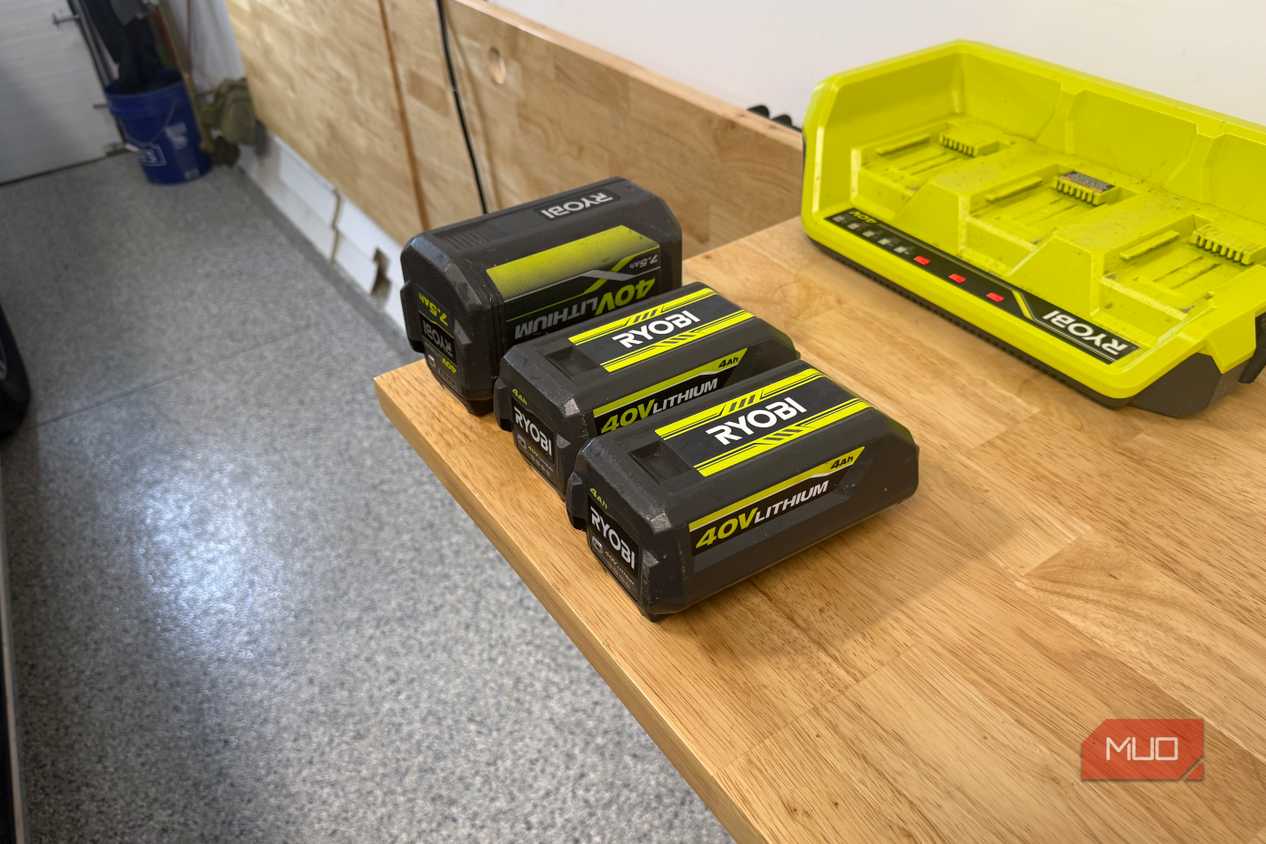
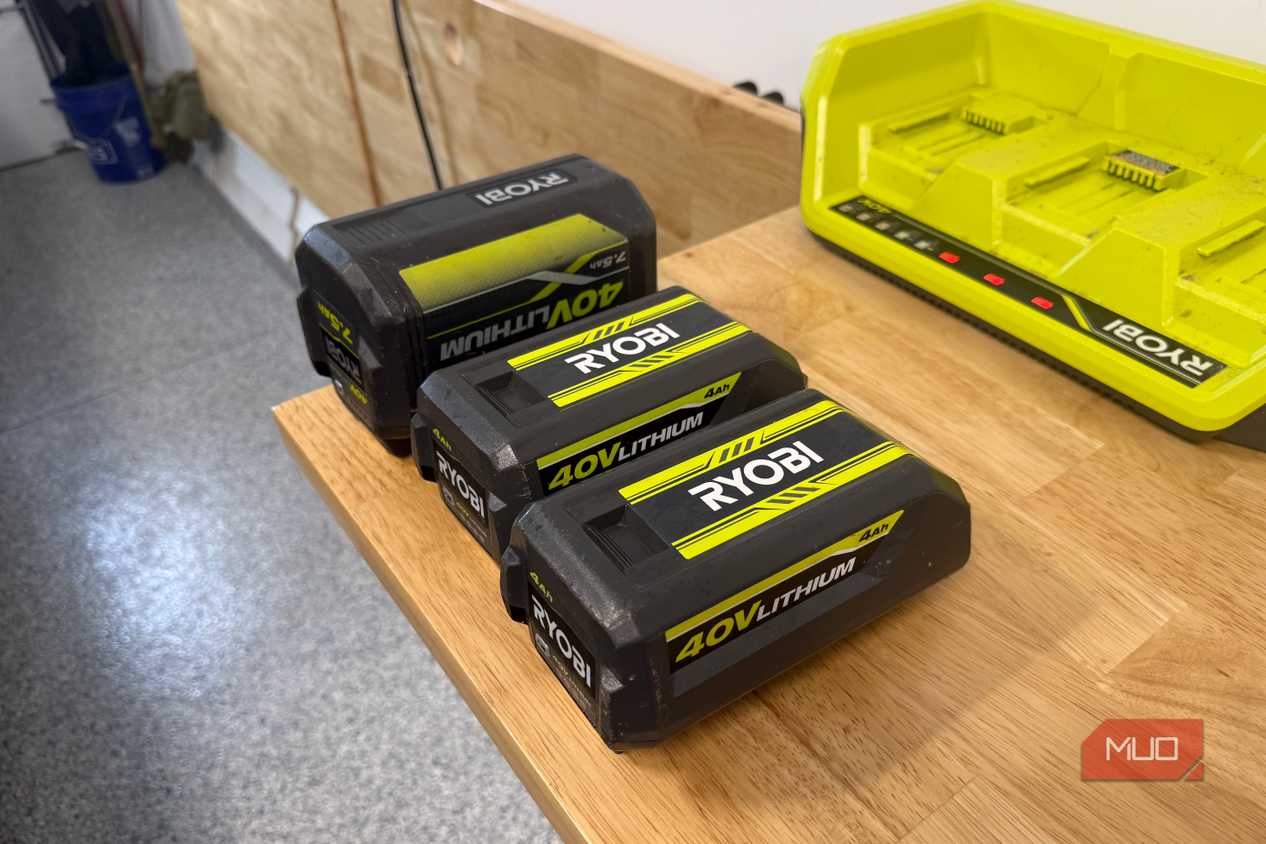
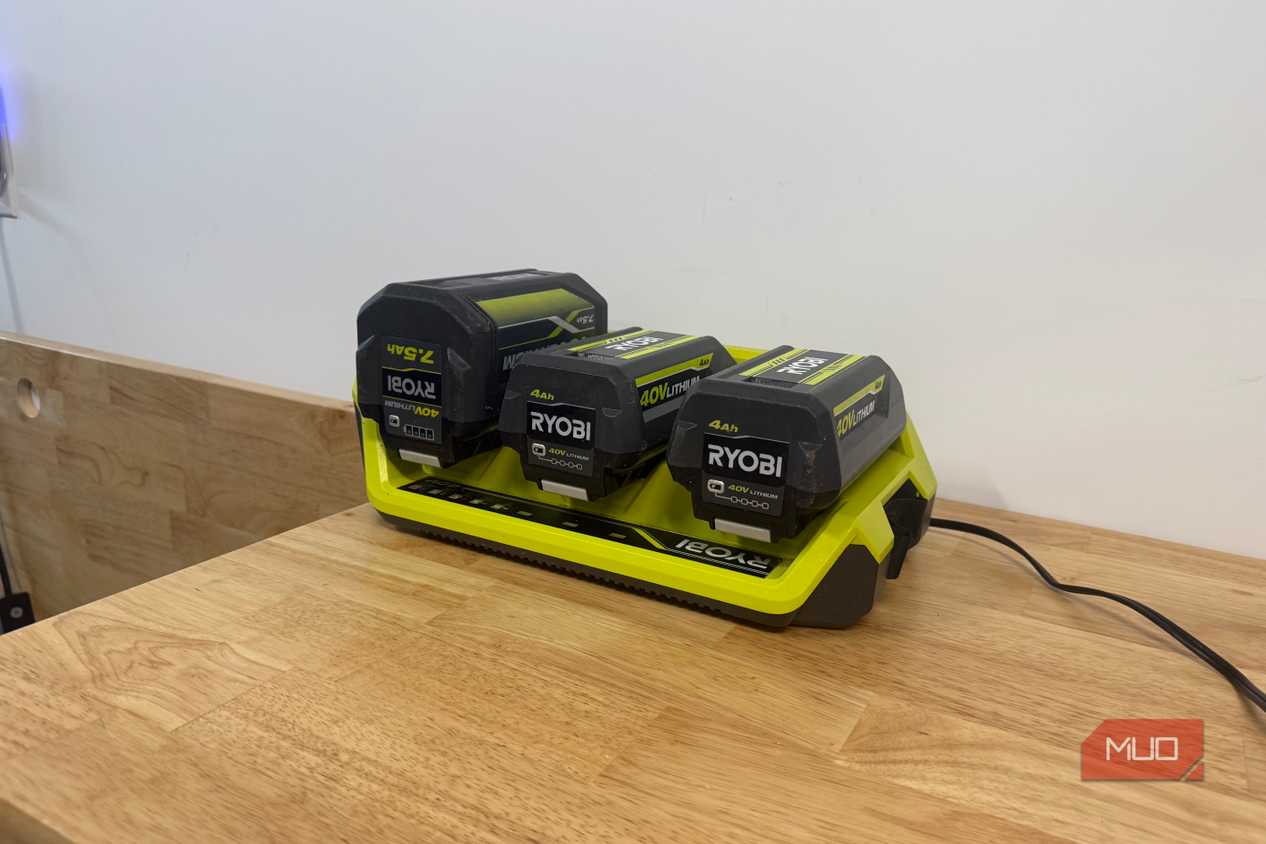
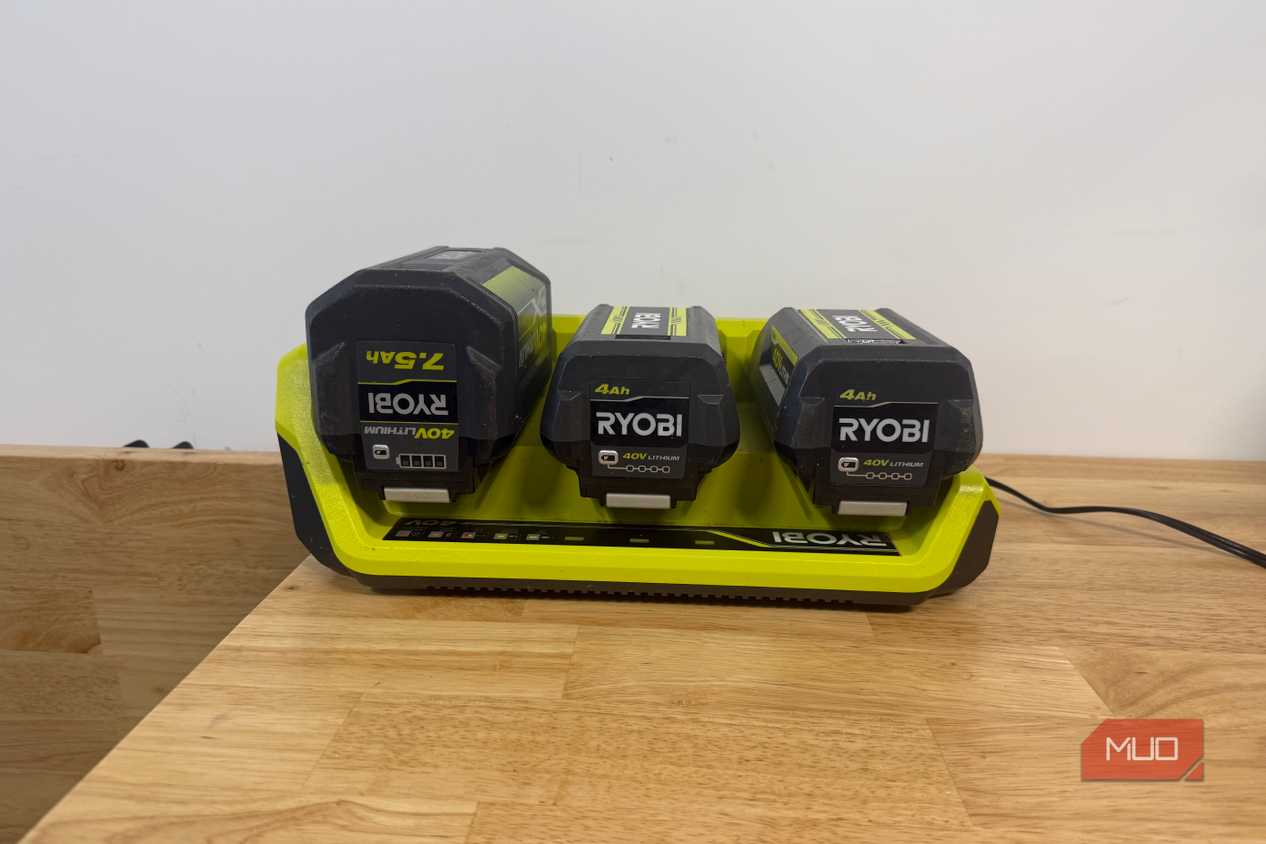
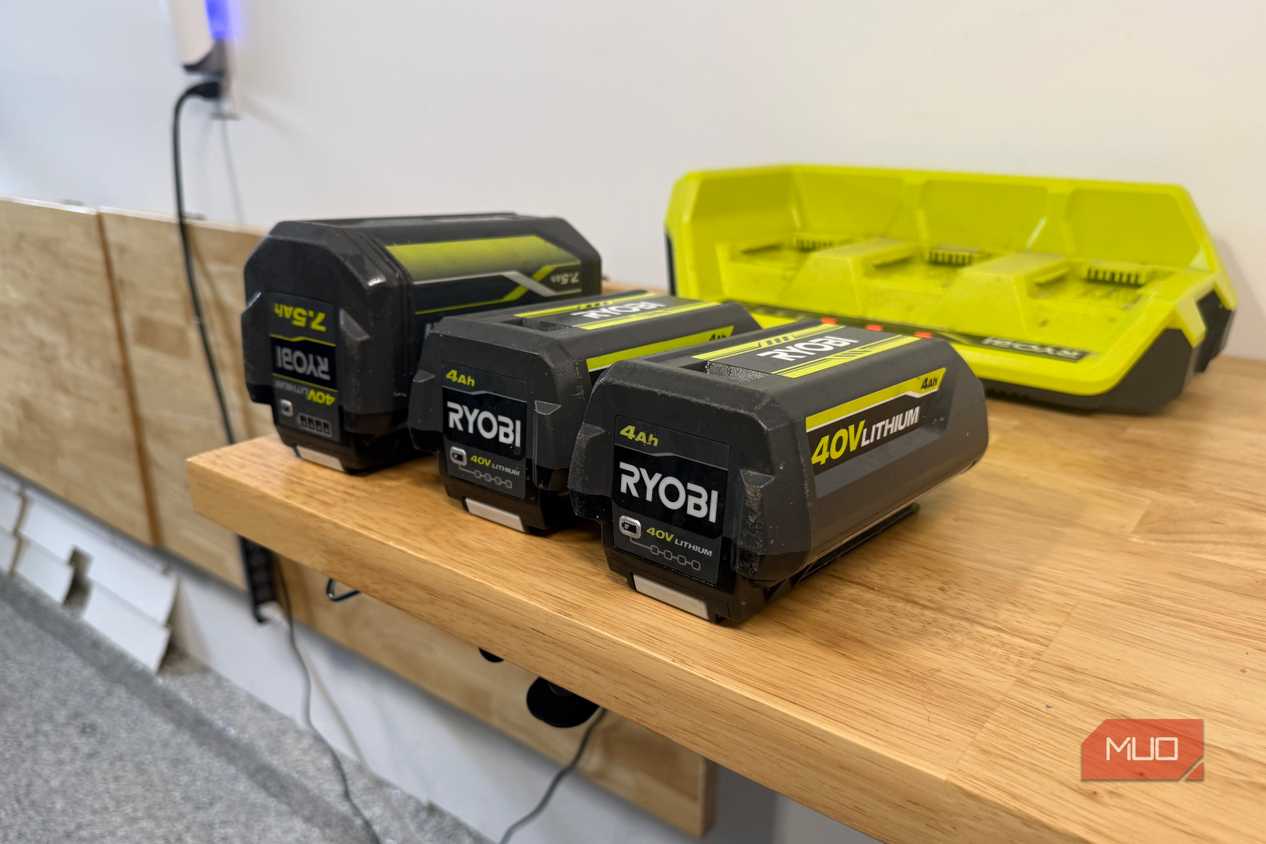
Yard work never offers those breaks. A string trimmer runs wide open from the first fence post to the last, often 30–45 minutes at a stretch. Continuous draw builds heat, sags voltage, and drains smaller packs in a hurry. Ryobi's own catalog admits as much. The 40V shelf reads like a roll call of marathon tools, with mowers, chainsaws, blowers, string trimmers, hedge trimmers, and snow blowers making up most of its 85-plus products. The company already sorted its lineup by runtime. My rule just traces the same line.
An 18V string trimmer taught me the rule the expensive way
One mismatched purchase drew the line for everything after


 Credit: Jonathon Jachura / MUO
 Credit: Jonathon Jachura / MUO
 Credit: Jonathon Jachura / MUO
 Credit: Jonathon Jachura / MUO
 Credit: Jonathon Jachura / MUO
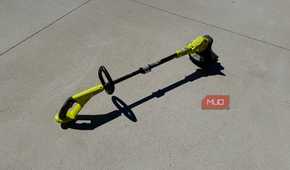
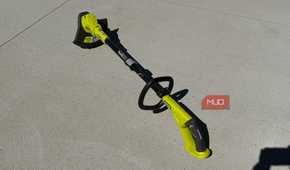
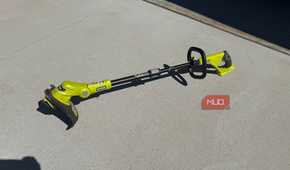
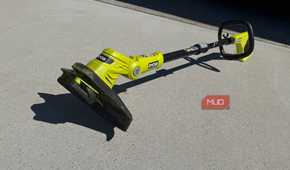
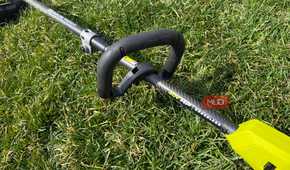
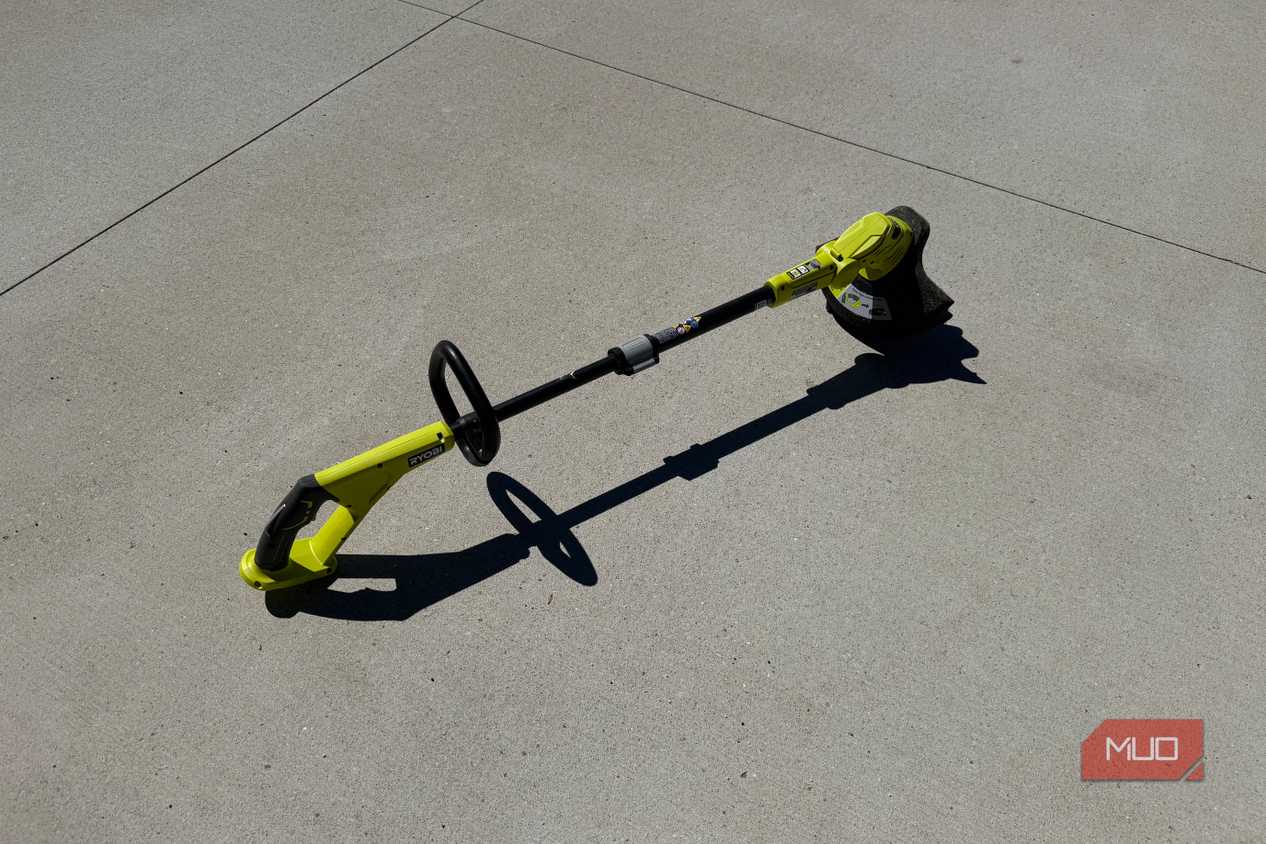
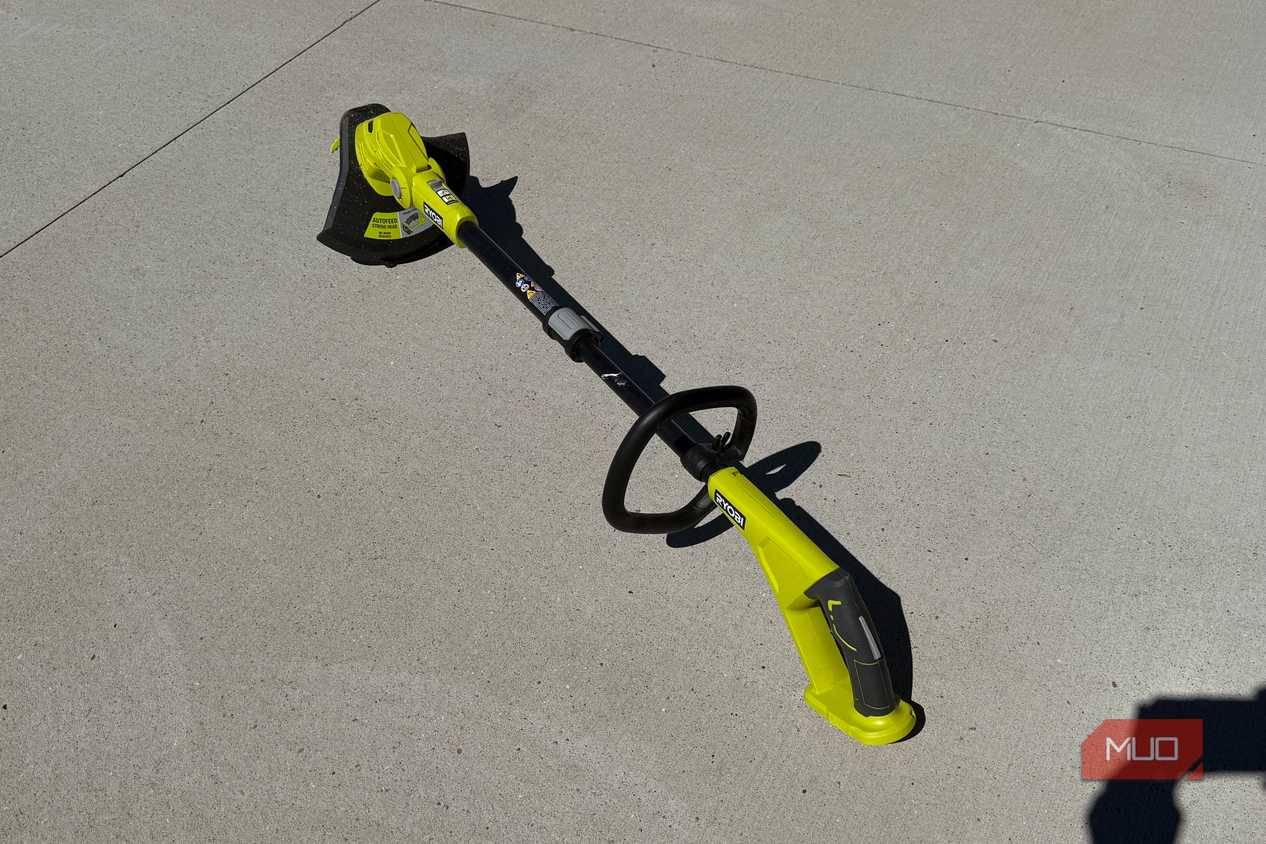
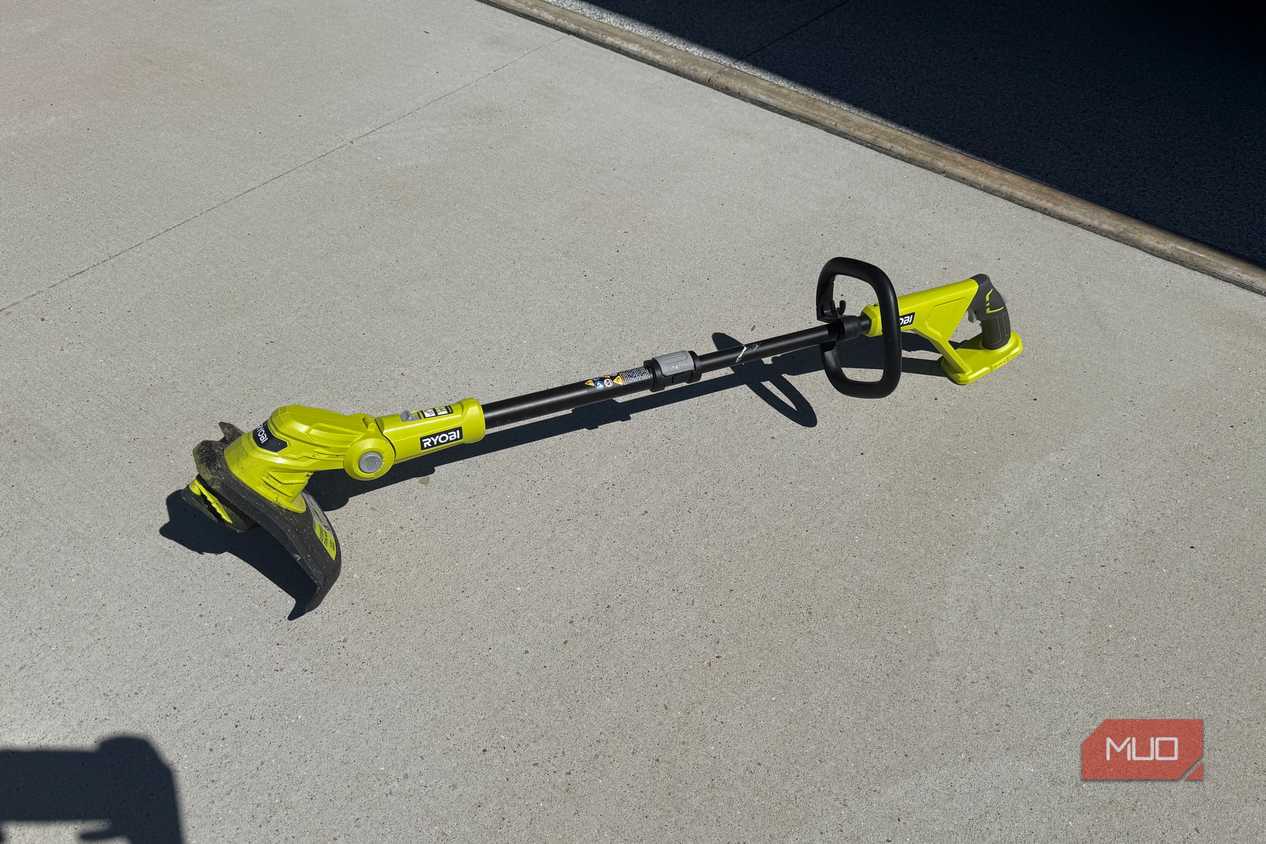
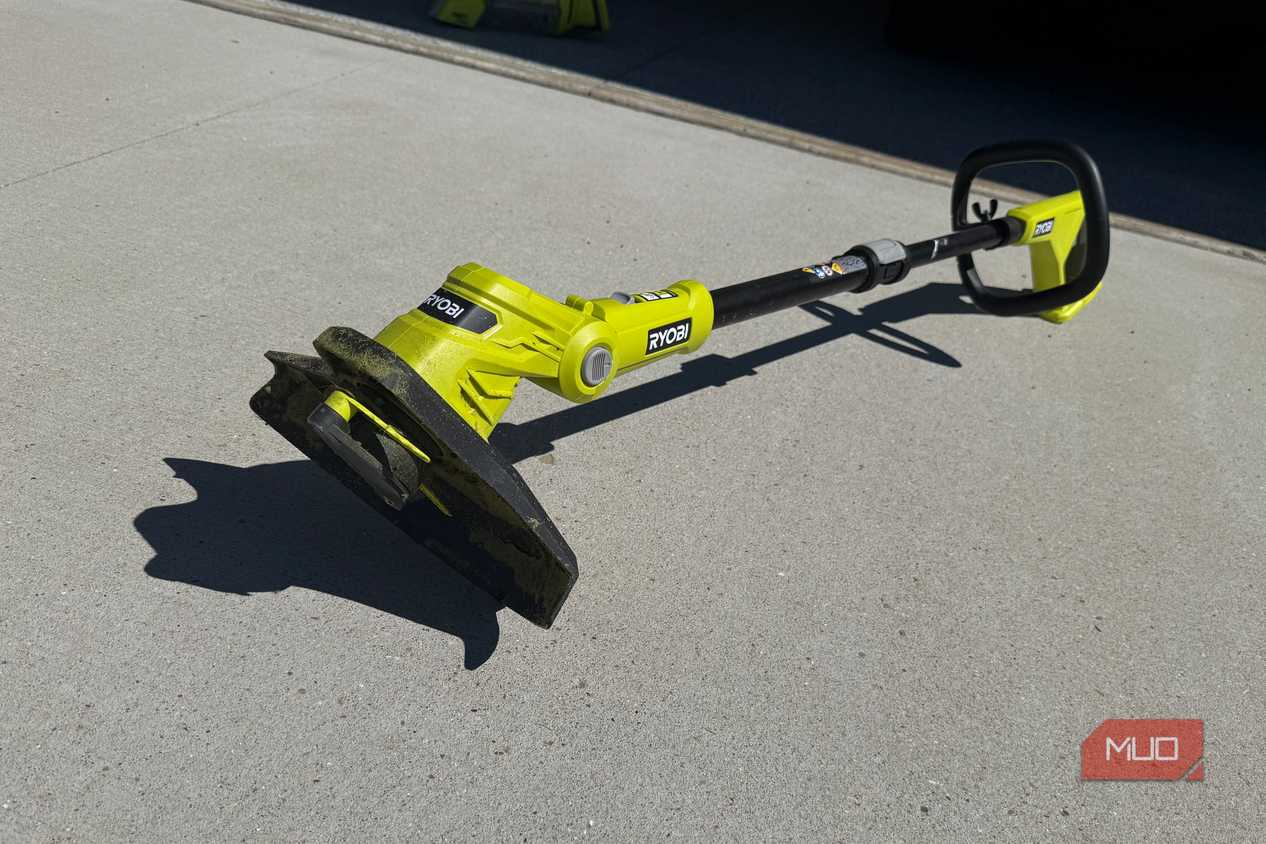
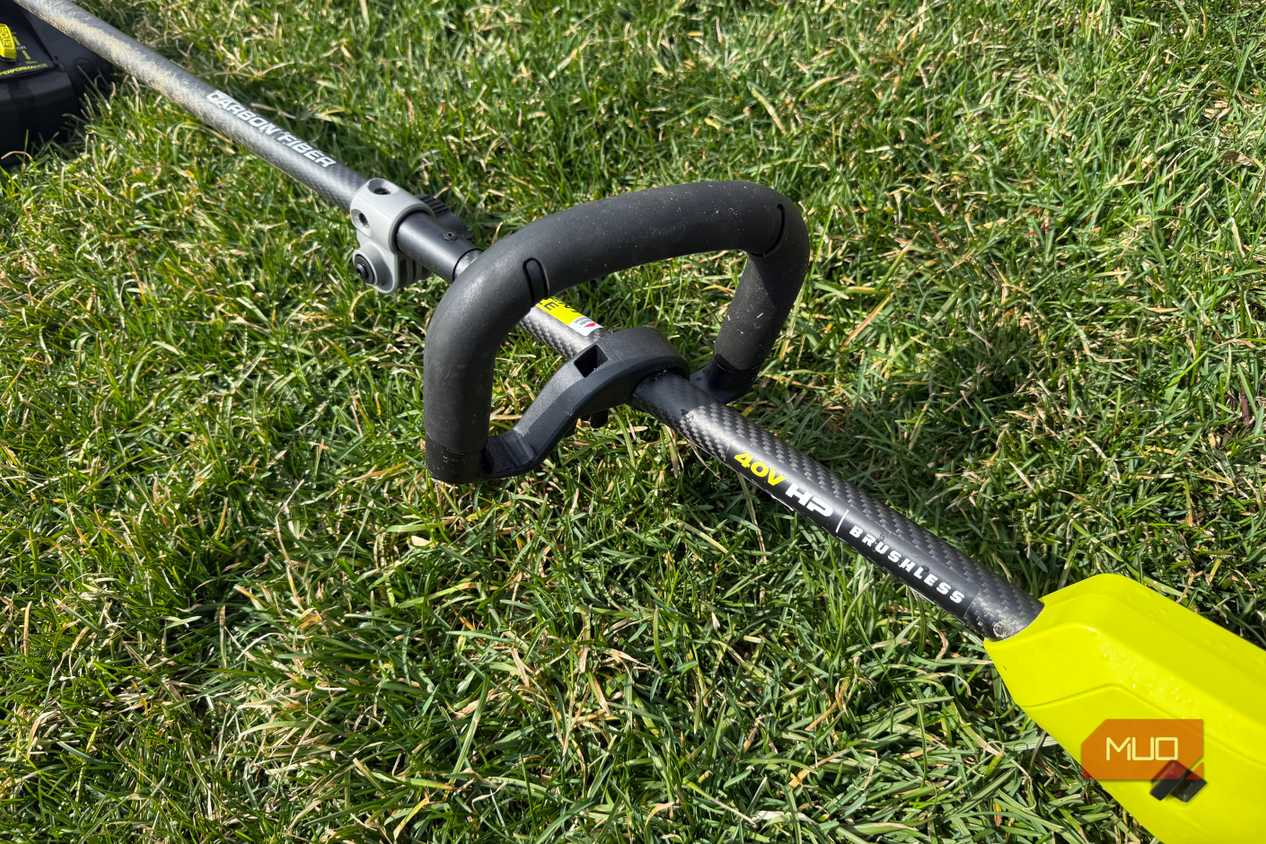
The rule exists because I broke it before I could name it. The 18V ONE+ string trimmer was my first step away from gas in the yard, and the logic felt airtight at checkout: I already owned a drawer full of ONE+ packs, so the trimmer would cost me nothing in new batteries or chargers. Then a wet Indiana spring rolled in. The head slowed to a crawl in anything past ankle height, and I drained two packs before the fence line was finished. The tool wasn't the problem. The assignment was.
Its replacement, the Ryobi 40V Expand-It string trimmer, ended the debate in one afternoon. The zero-turn covers our open ground, and the 40V trimmer now cleans up everything the mower can't reach on a single charge, with runtime to spare. The 18V version landed on my short list of Ryobi tools that weren't worth buying. The lesson it left behind became the only purchase filter I've needed since.
Everything with a short trigger pull stays on 18V
No burst job has ever asked me for more voltage
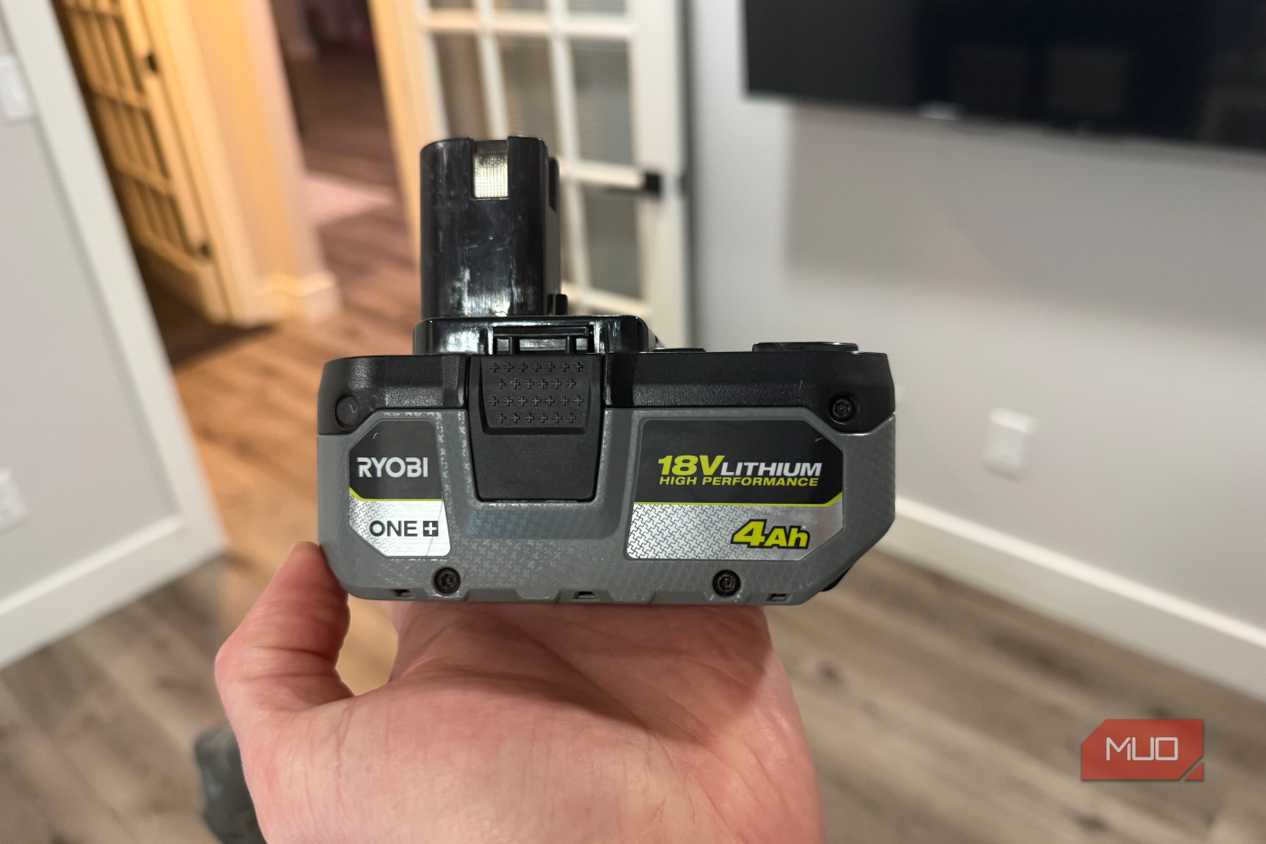
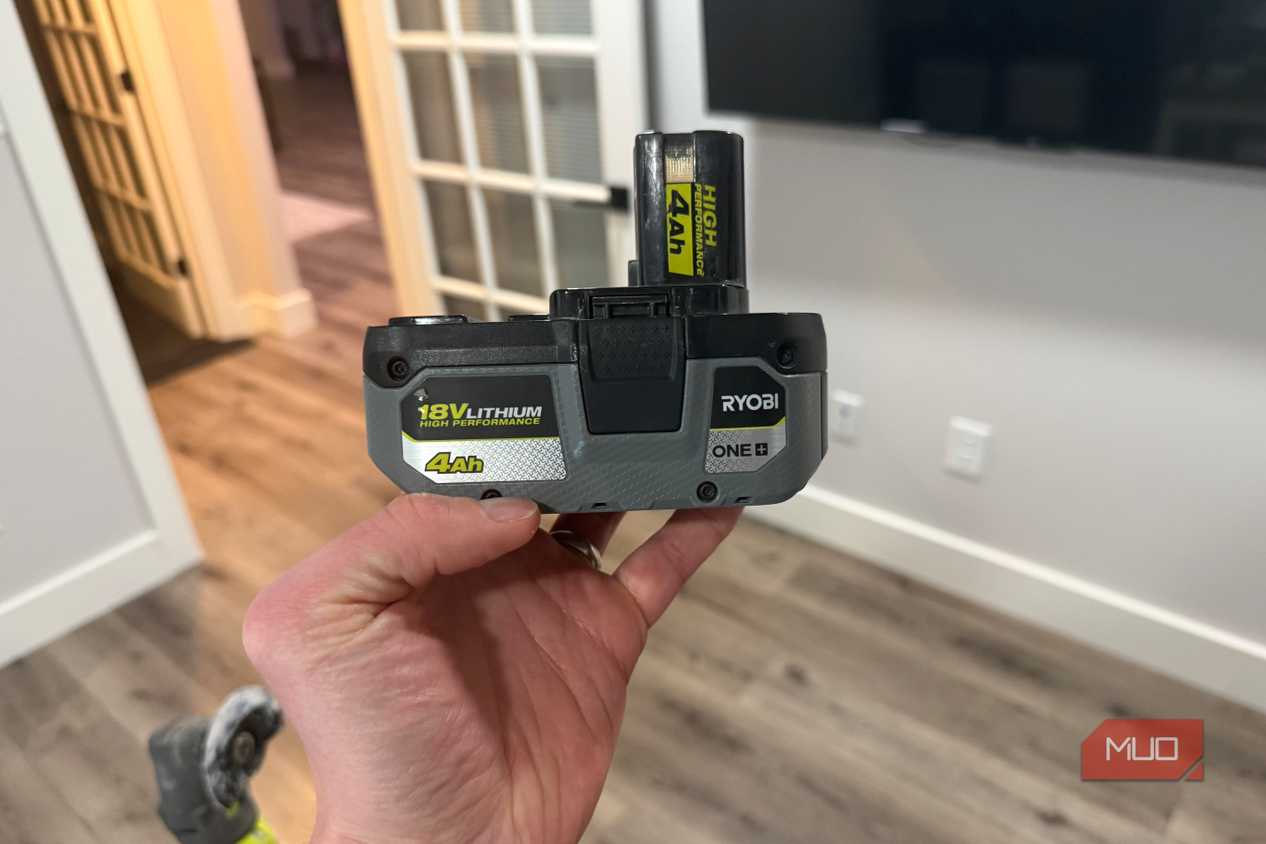
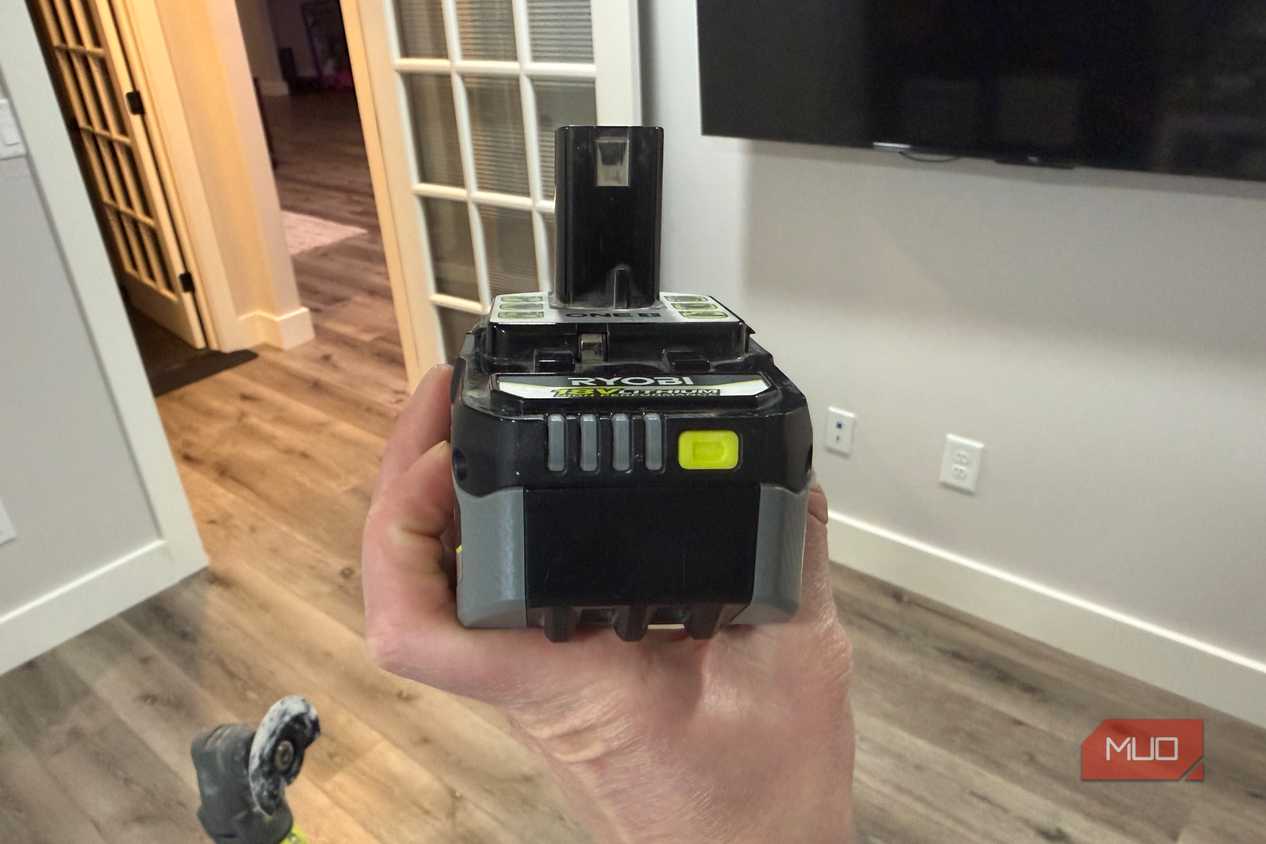


 Credit: Jonathon Jachura / MUO
 Credit: Jonathon Jachura / MUO
 Credit: Jonathon Jachura / MUO
 Credit: Jonathon Jachura / MUO
 Credit: Jonathon Jachura / MUO
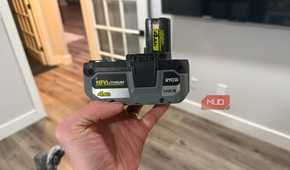
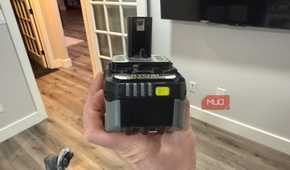
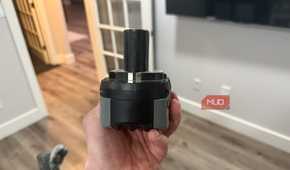
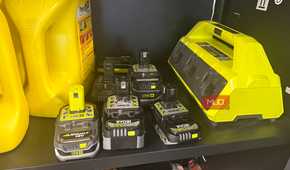
Run the rule in reverse and the 18V platform looks stronger, not weaker. My impact driver has sunk thousands of screws, and none of them took longer than a breath. The circular saw crosscuts a 2x4 in seconds. The heat gun runs in short sessions, the tire inflator tops off a soft tire in under a minute, and the spot cleaner works in quick passes across a cushion. None of those jobs wants a bigger battery. They want a cheaper one, and 18V delivers it.
Cheap compounds, too. Since the batteries are already paid for, every new burst tool comes home bare, with no charger or packs padding the receipt. That's how my collection crept past 15 tools without any single purchase feeling like a commitment, and it's why Ryobi's under-$100 shelf keeps surprising me. Paying for more voltage on two-second jobs buys headroom the trigger never asks for. Two seconds of load is two seconds of load, no matter what the battery could do.
The rule keeps a two-battery life affordable
Overlap categories are where the money leaks


 Credit: Jonathon Jachura / MUO
 Credit: Jonathon Jachura / MUO
 Credit: Jonathon Jachura / MUO
 Credit: Jonathon Jachura / MUO
 Credit: Jonathon Jachura / MUO
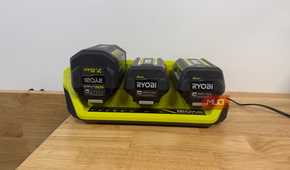
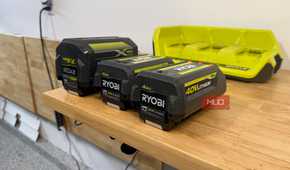
Running two battery systems that refuse to share sounds like the setup to an expensive punchline, and without a filter, it would be. The catalogs overlap on purpose. Ryobi sells string trimmers, blowers, hedge trimmers, and chainsaws in both voltages, and the 18V version is always the cheaper one on the shelf. That discount is exactly how I ended up trimming half a yard.
The rule settles those overlap calls before I reach the aisle. Anything that runs continuously outdoors goes 40V on a property like mine, though a small city lot could flip that math. The result is a deliberately small 40V footprint: a short list of tools, the packs to run them, and nothing that duplicates what 18V already covers. Everything else defaults to the 18V side, where the tools worth every dollar rarely cost three figures. I never buy the same category twice, and I never pay marathon prices for sprint work. Split down one clean line, two platforms cost me less than one platform bought on impulse ever did.

Ryobi ONE+ 18V Battery
- Battery Type(s)
- Lithium-Ion
- What's Included
- 2 Batteries
One question before the next green tool
Ryobi makes it easy to keep spending, and I say that as someone who enjoys the spending. Shared batteries make every new tool feel half paid for before it leaves the store. The platform only stays a bargain, though, when the right tools land on the right voltage, and sorting that takes one question rather than a spec sheet. Time the trigger. Stops and starts belong on 18V. Anything that runs the whole job through earns 40V. Years of green tools later, that line has never put the wrong battery in my hands, and it has kept two ecosystems feeling like one smart system instead of two expensive ones.