


I've ridden out a power outage on the same batteries that run my drill. A small clip-on inverter turned one of my 18V packs into a working outlet, keeping phones topped off and a lamp burning until the grid came back. Hardly anyone buys tool batteries with blackouts in mind. They get bought for deck projects and shelf brackets, then sit in the garage fully charged, holding more usable energy than every flashlight in the house. Ryobi, DeWalt, and Milwaukee owners all have this option waiting, and the battery platform was always the smart buy anyway. Pressing those packs into emergency duty costs a fraction of what dedicated backup gear runs.
A charged pack is stored power you already own
Lithium holds its charge for months on the shelf


 Credit: Jonathon Jachura / MUO
 Credit: Jonathon Jachura / MUO
 Credit: Jonathon Jachura / MUO
 Credit: Jonathon Jachura / MUO
 Credit: Jonathon Jachura / MUO
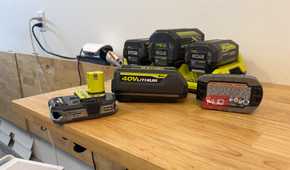
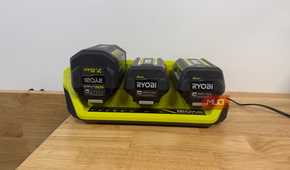
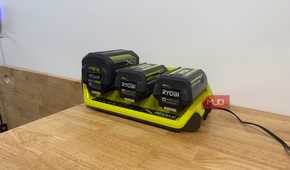
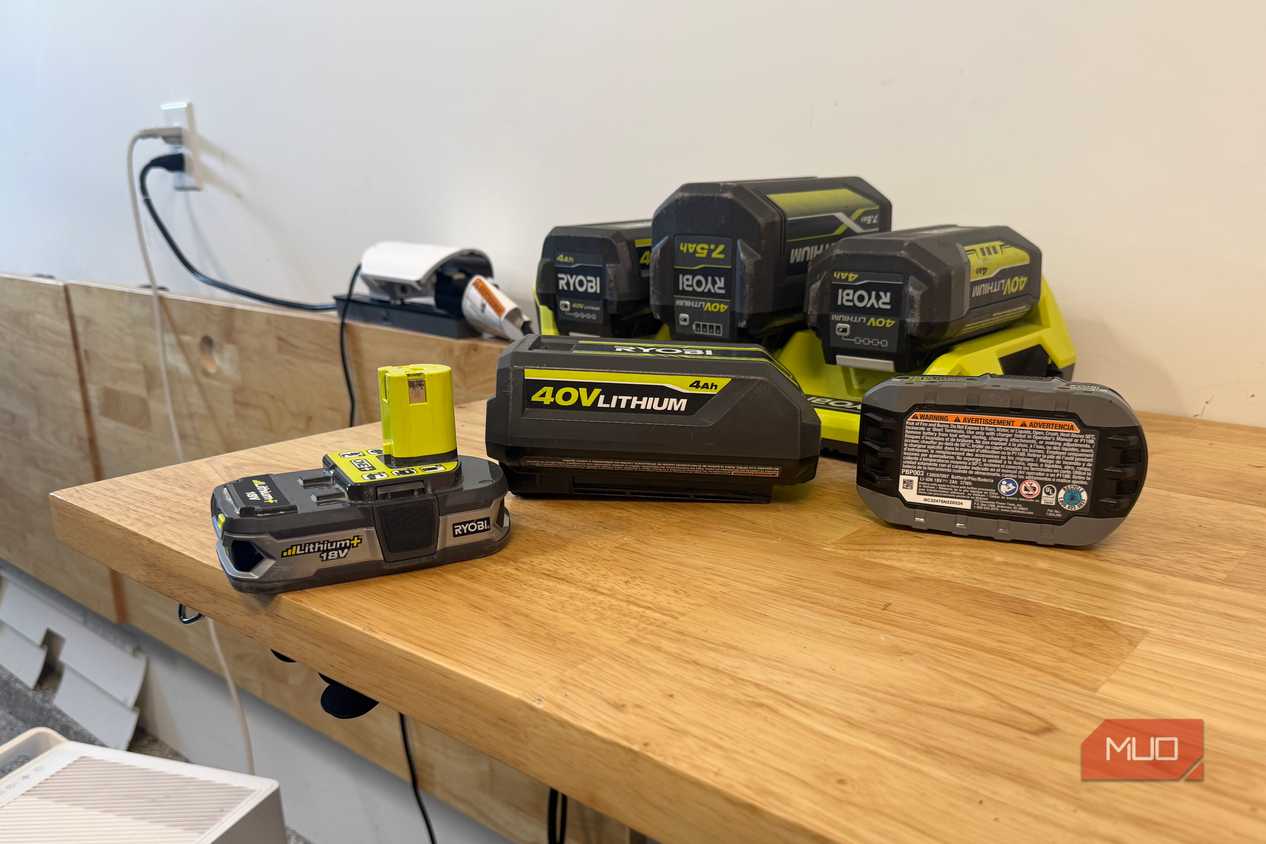
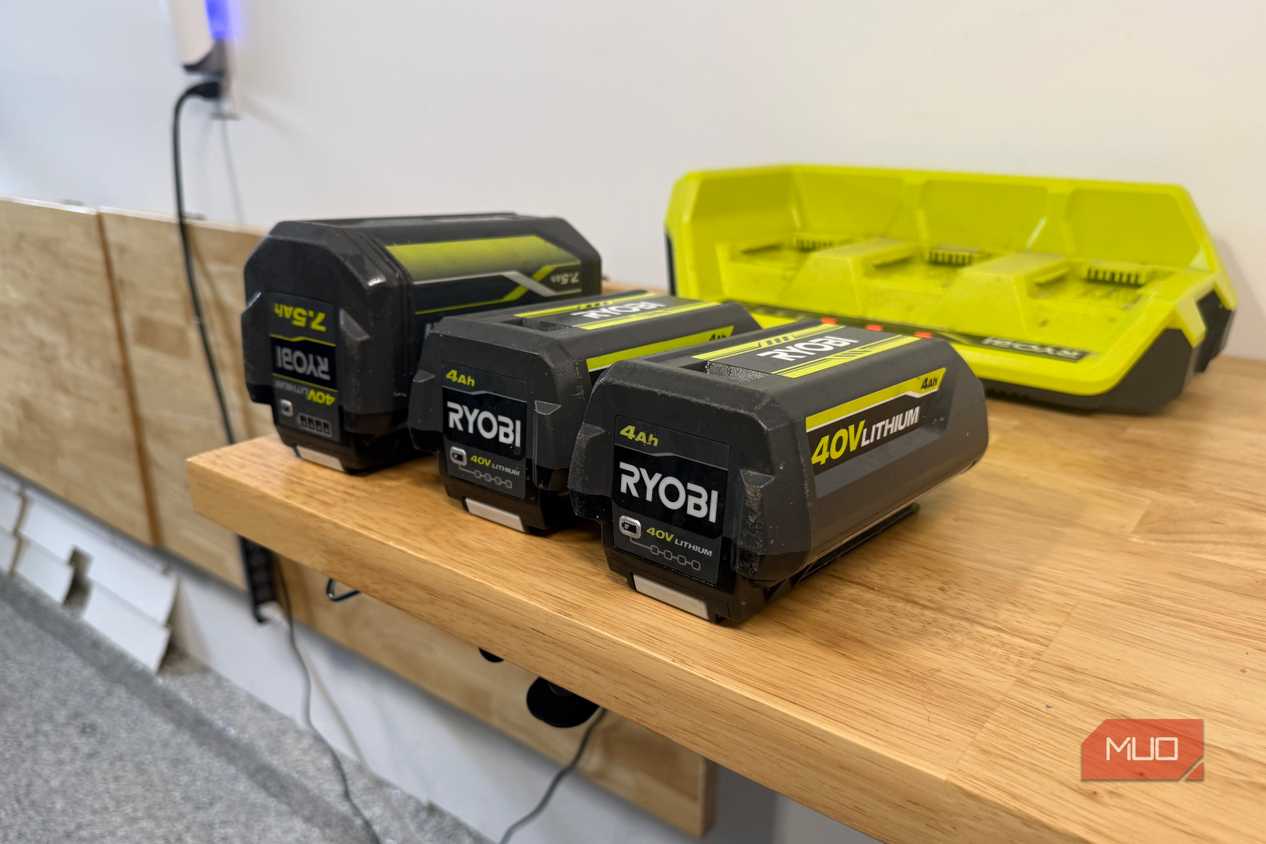
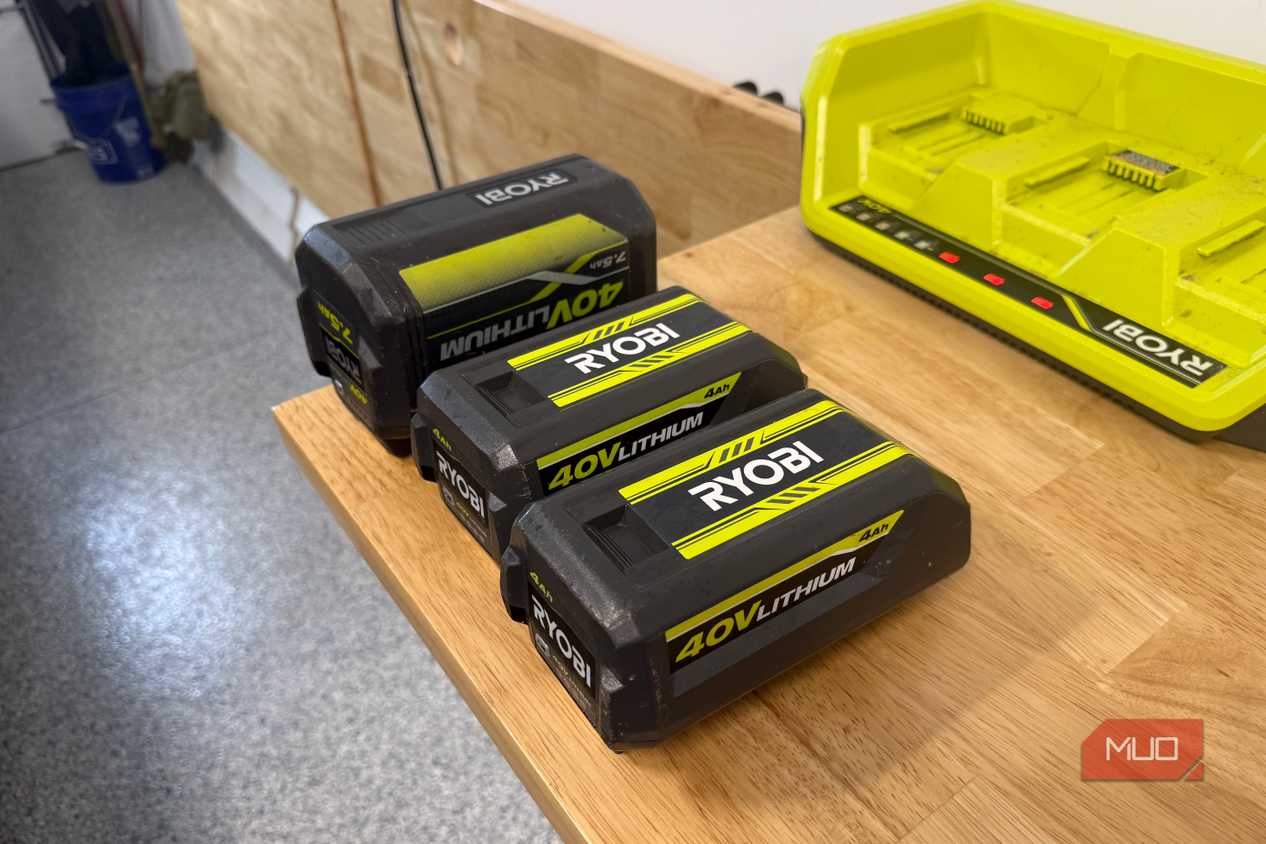
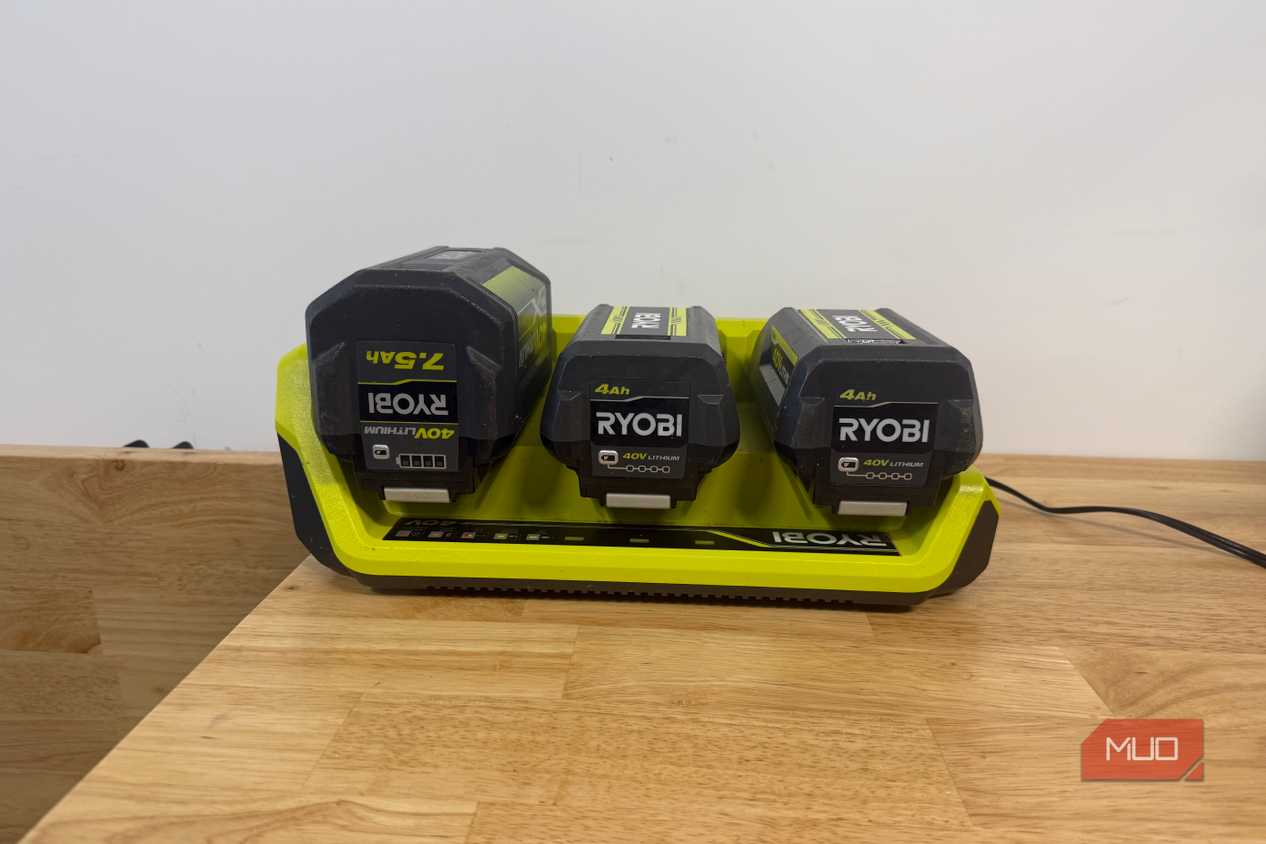
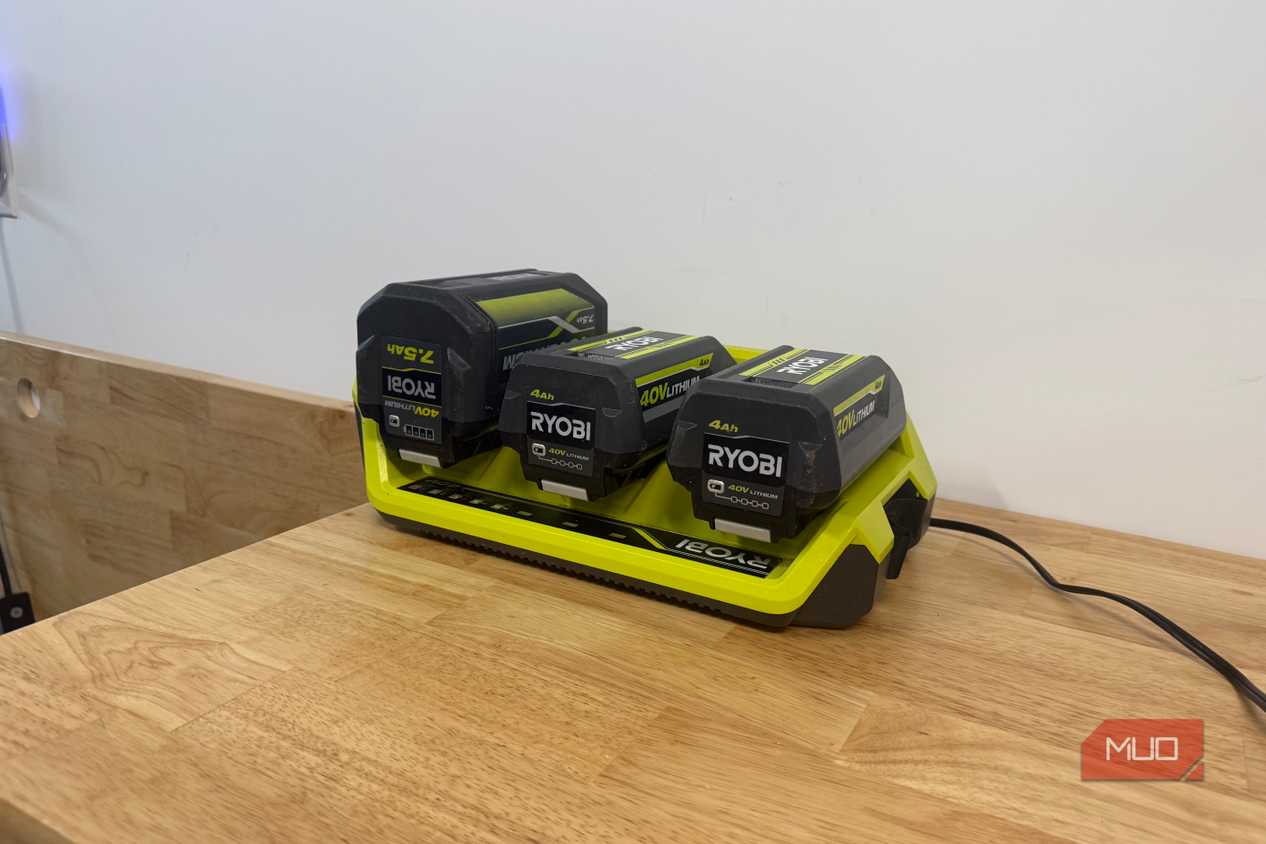
A tool battery holds a serious amount of energy for its size, and it barely leaks any of that charge while sitting on a shelf. The pack you topped off two weeks ago will still read close to full when the lights cut out. Capacity determines everything after that. Compact 1.5Ah and 2.0Ah packs, the kind bundled with drill kits, manage a couple of phone charges before they tap out. I reach for my 4.0Ah and 6.0Ah batteries instead, and Ryobi's numbers explain why: the company rates one 4.0Ah pack for more than six full phone charges through its 150W power source. DeWalt and Milwaukee capacities scale the same direction. If you own a drawer full of mixed sizes, figure out which packs are worth anything before an outage sorts them for you. Storage habits matter too. Packs kept around half charge in a cool spot hold most of that energy for months.
An inverter turns any pack into a wall outlet
Each brand solves the AC problem its own way


 Credit: Jonathon Jachura / MUO
 Credit: Jonathon Jachura / MUO
 Credit: Jonathon Jachura / MUO
 Credit: Jonathon Jachura / MUO
 Credit: Jonathon Jachura / MUO
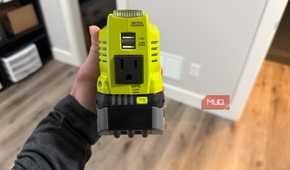
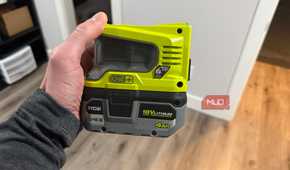
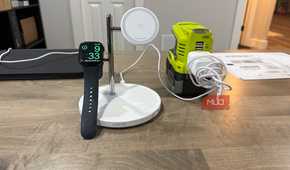
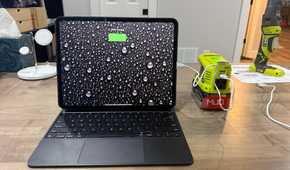
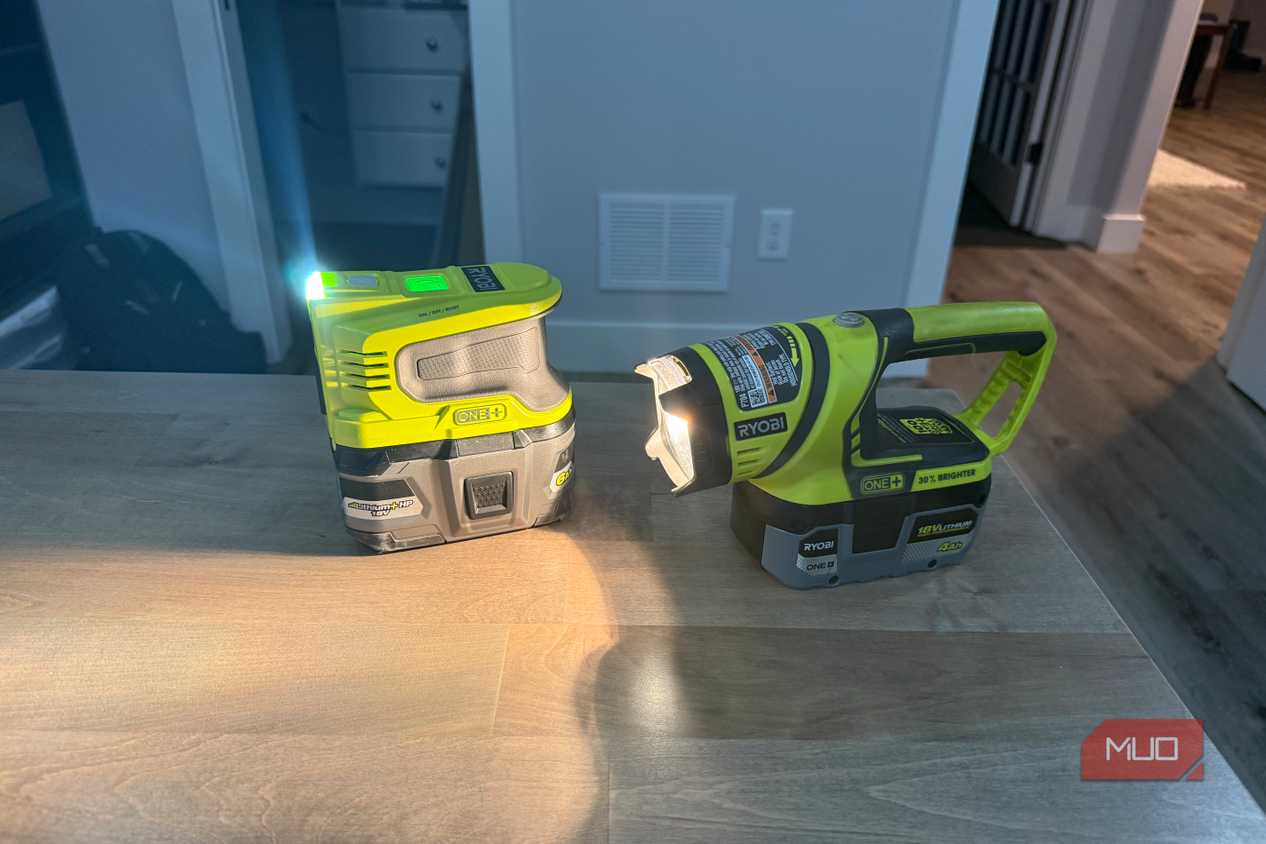
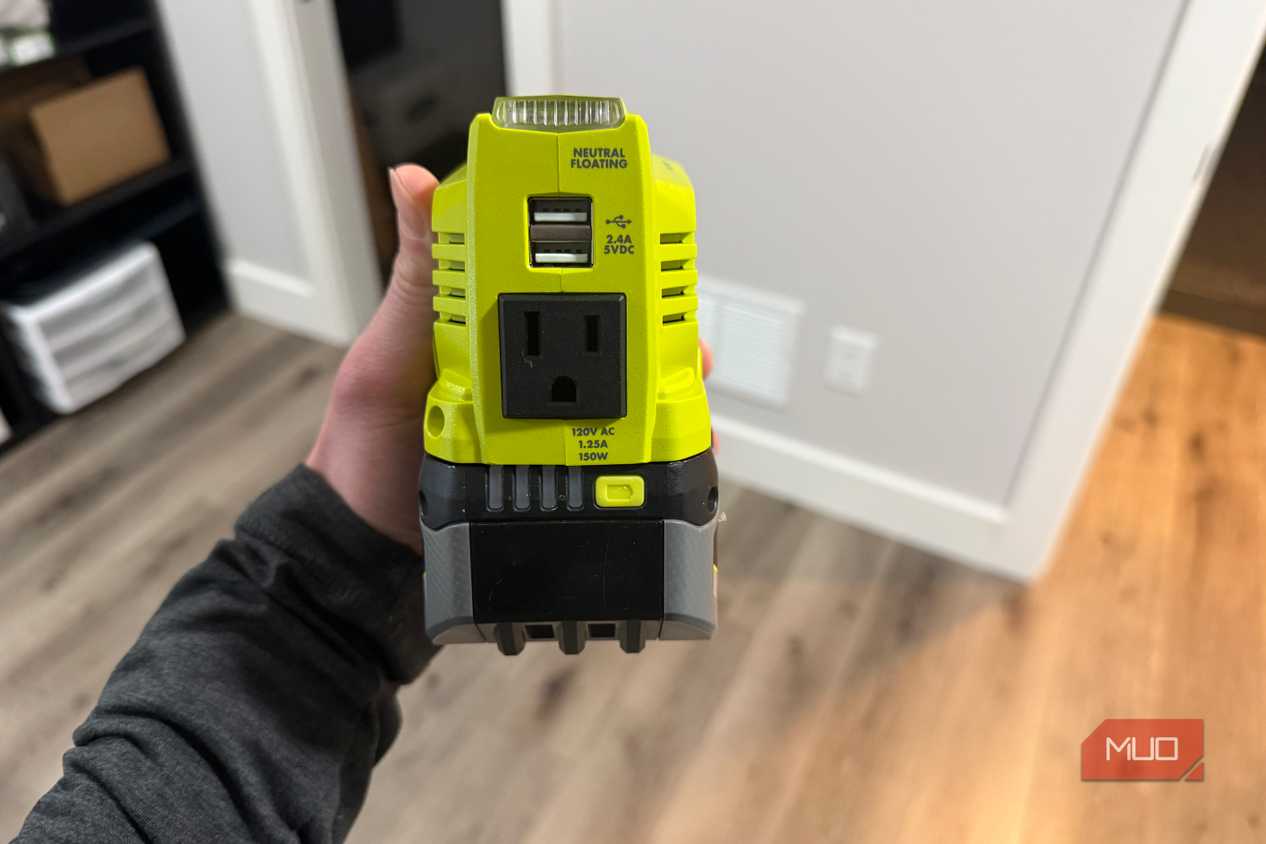
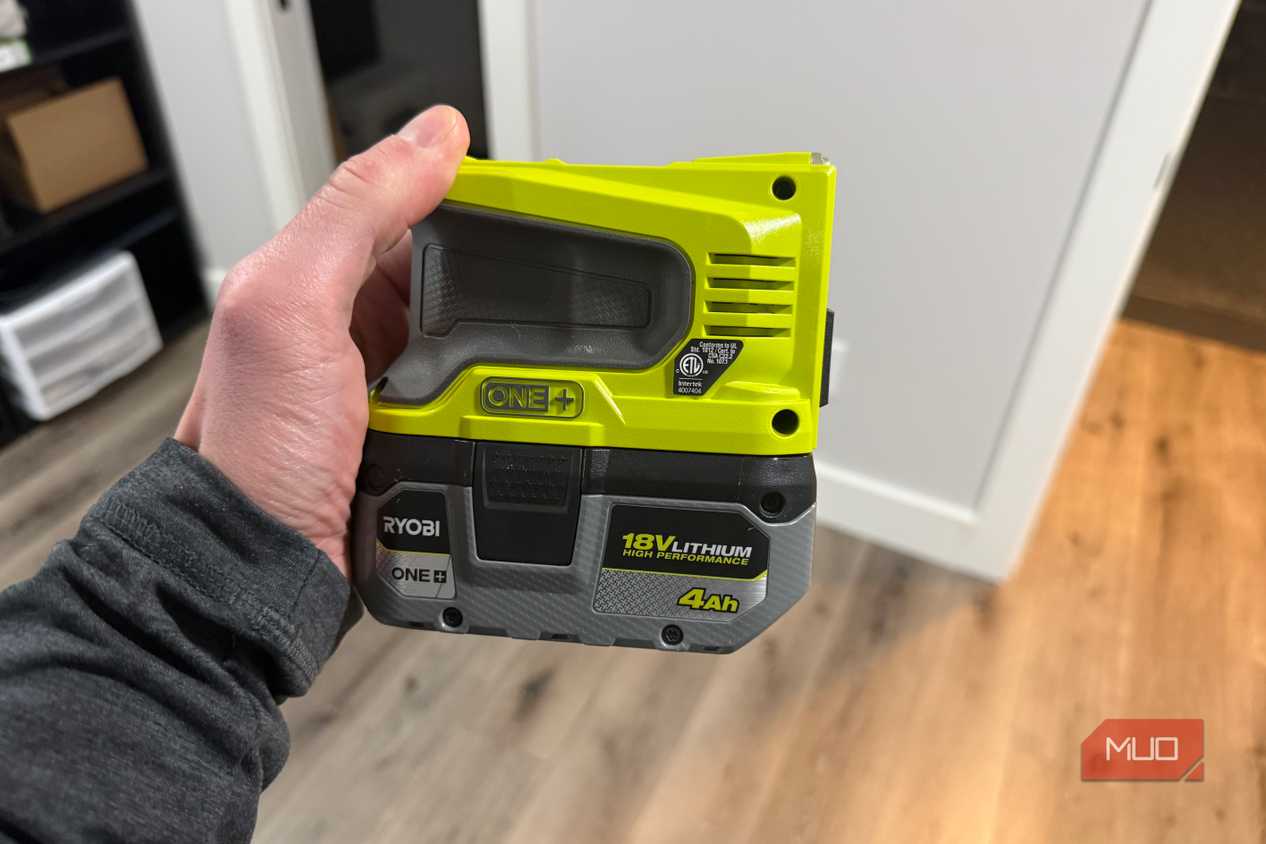
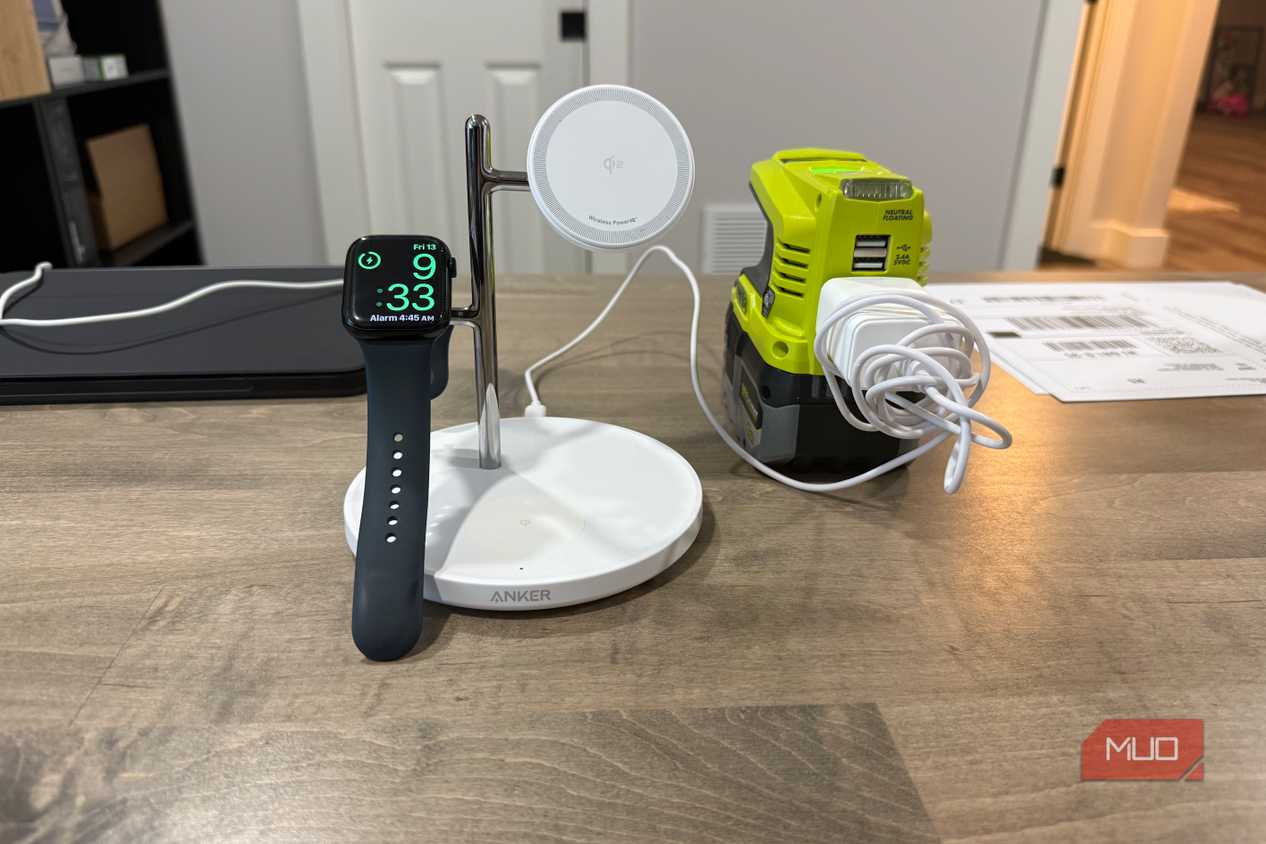
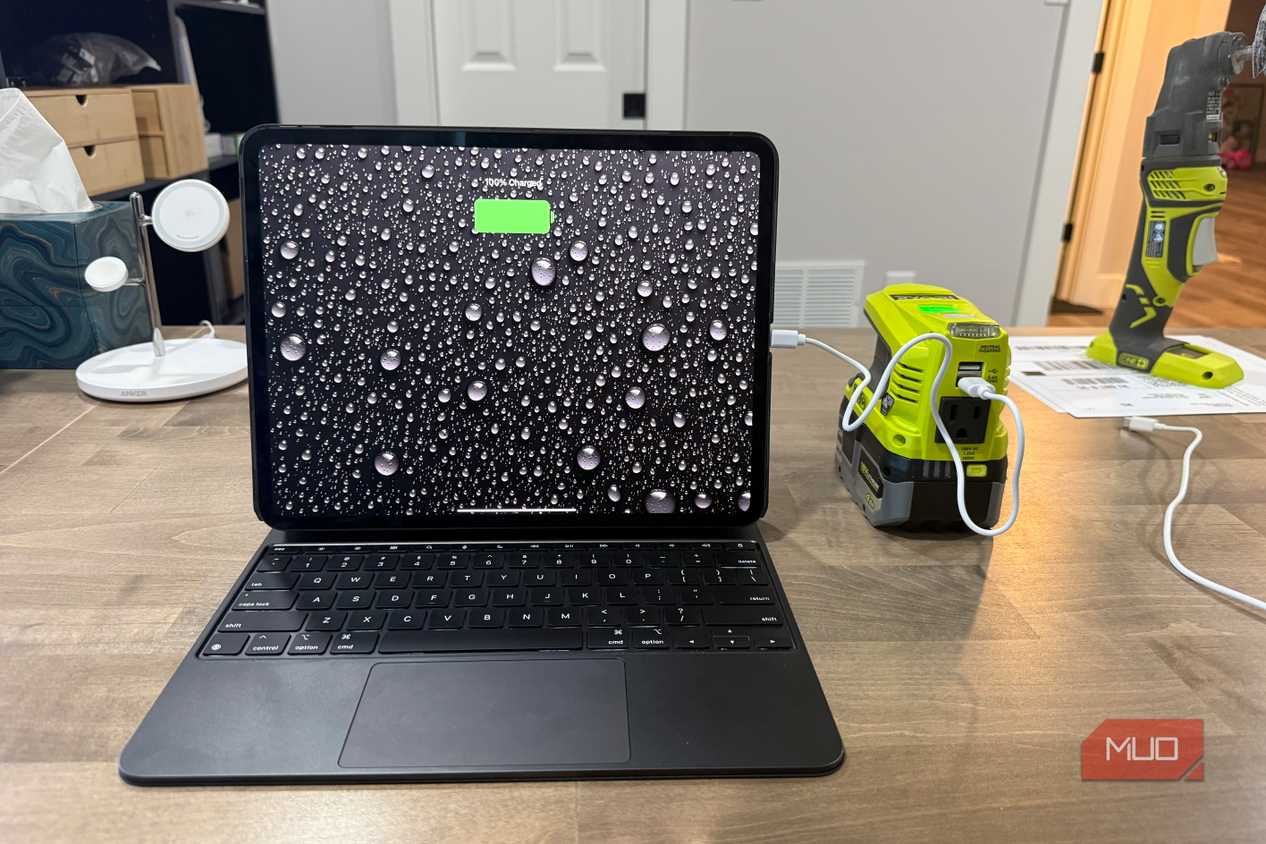
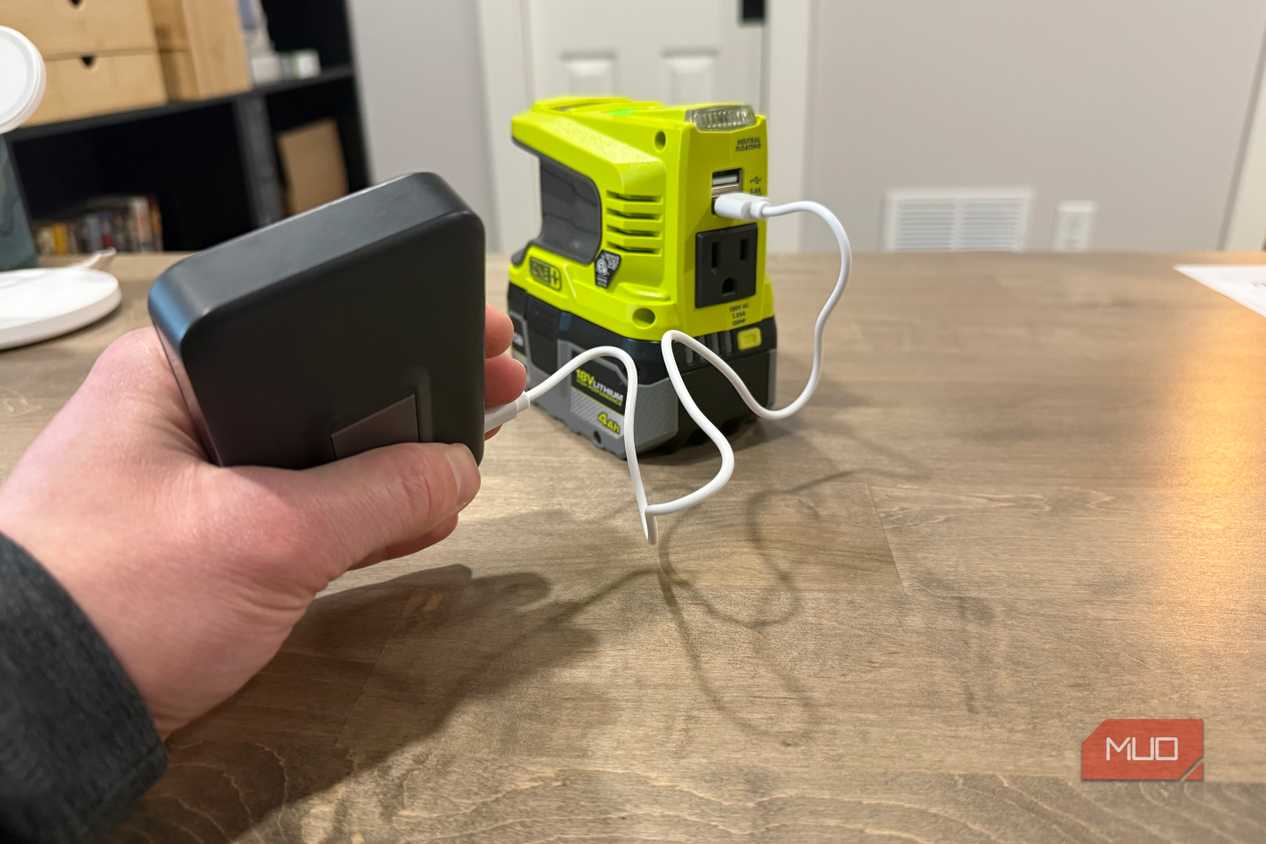
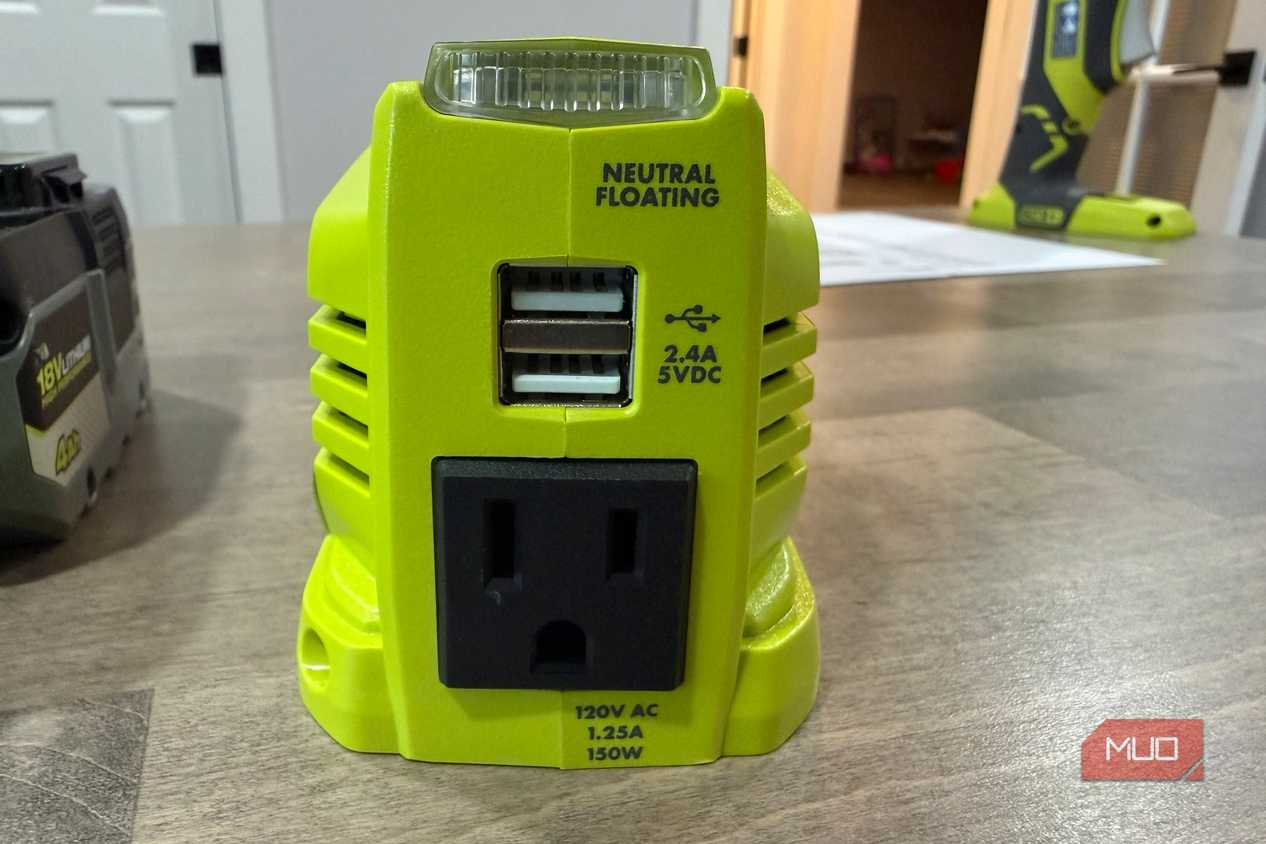
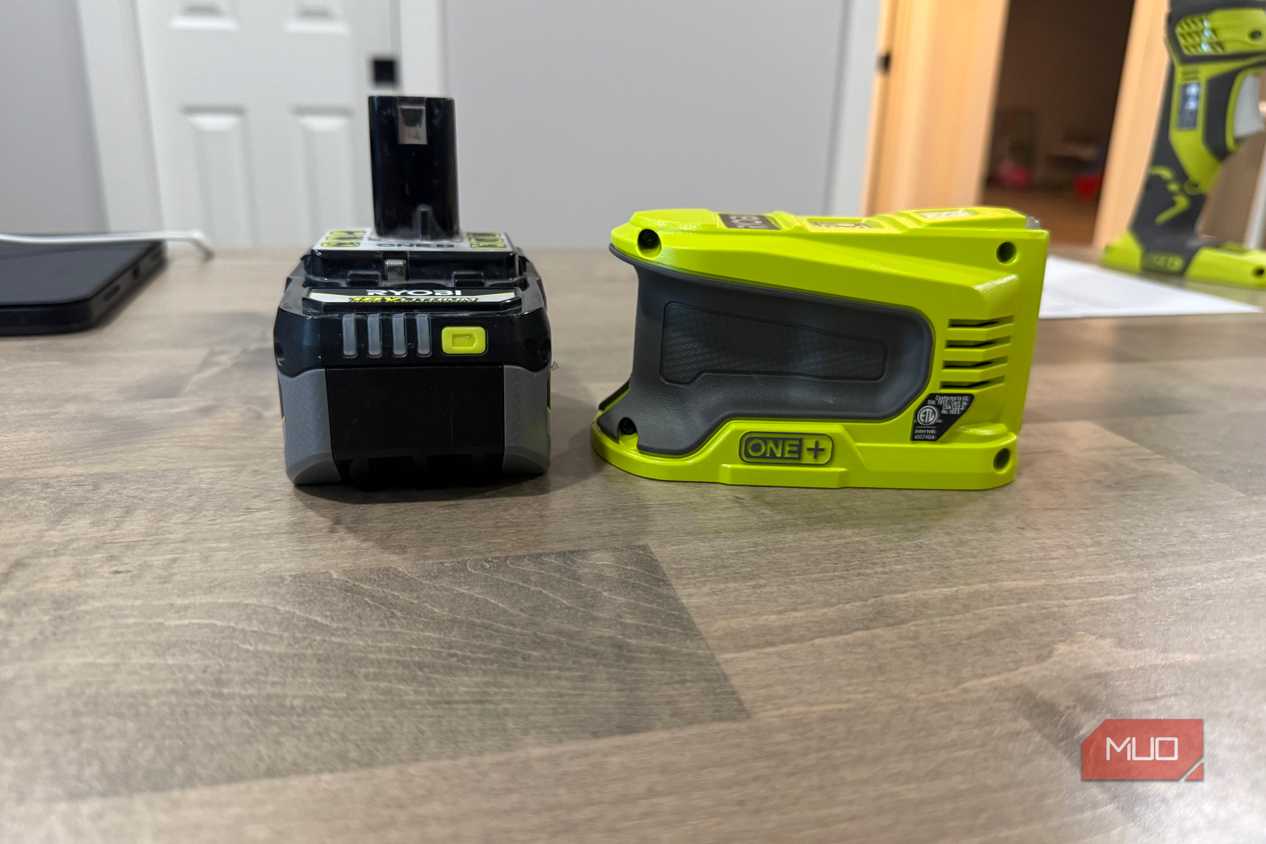
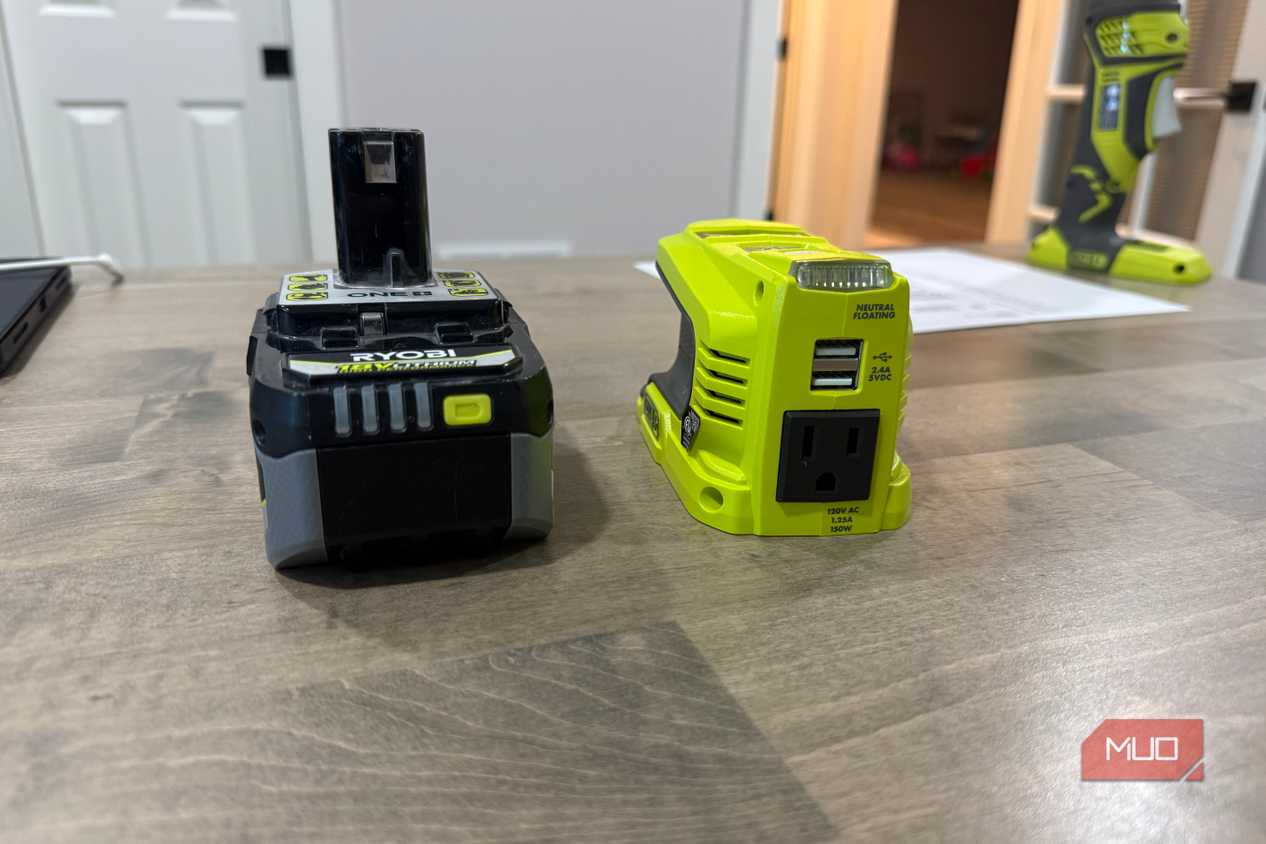
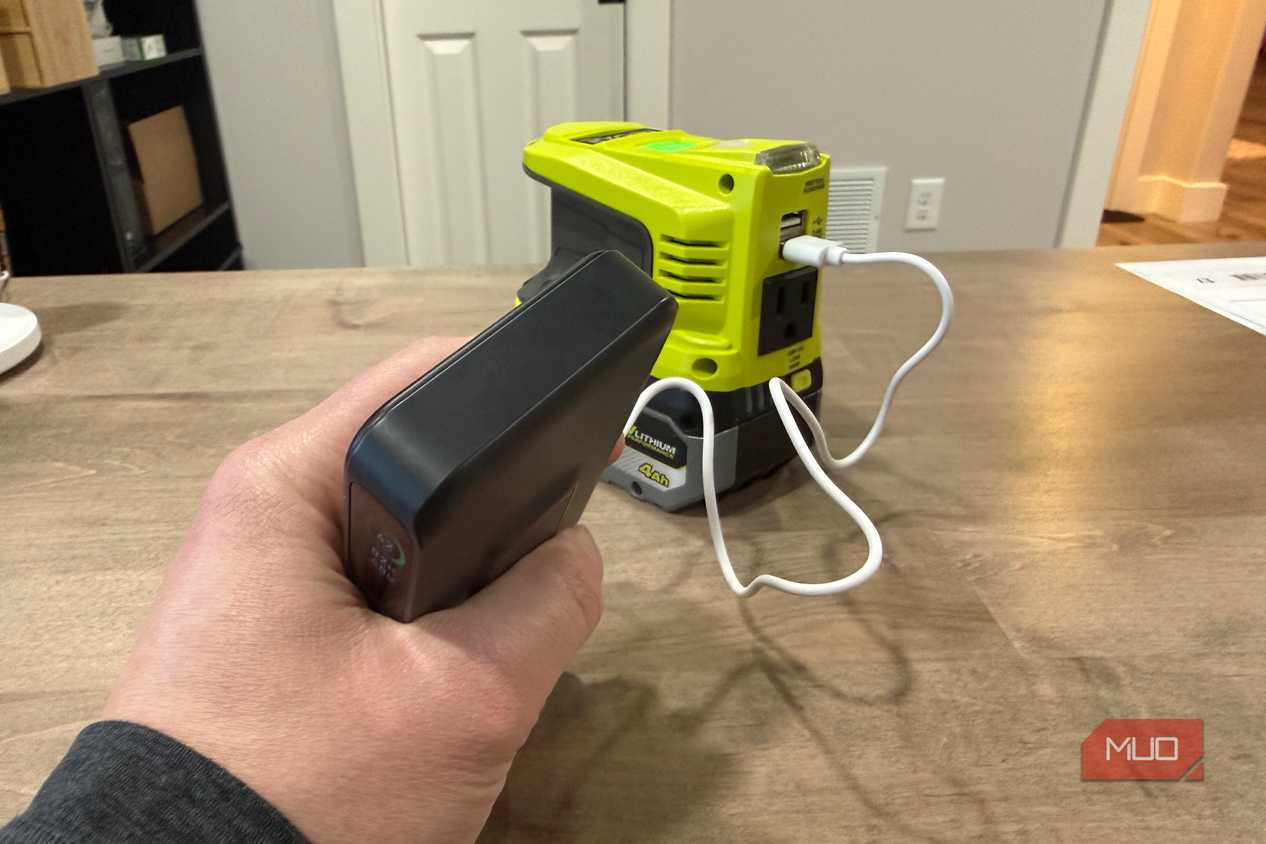
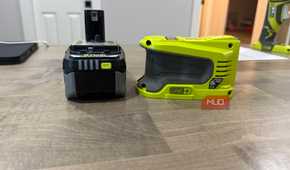
An inverter is the fastest path from tool battery to household power. Mine is Ryobi's 18V ONE+ 150W power source, which snaps onto any ONE+ pack and offers up a real 120V outlet plus USB. I've run it through an actual outage, charging devices and keeping a lamp lit, and for the short interruptions my area sees, it never left me wishing for a dedicated power station.
Milwaukee builds its own version of the same idea. The M18 TOP-OFF 175W takes any M18 pack and hands back a 120V outlet along with USB-C and USB-A ports. The USB-C runs at 45W, genuine laptop-charging territory, and arguably makes the TOP-OFF more capable than Ryobi's unit. The whole thing weighs under a pound before you clip a battery on, so it can live in a kitchen drawer until a storm knocks something loose.
DeWalt is the exception. The company makes a large four-battery power station and a USB charger, but it has never released a compact inverter of its own. DeWalt owners cover that gap with third-party units, most rated around 200W, that snap onto a 20V MAX pack the same way. They do the job, though you are handing an off-brand box control of your batteries.
Charging and light are the wins you'll actually use
USB power you can run without a full inverter


 Credit: Jonathon Jachura / MUO
 Credit: Jonathon Jachura / MUO
 Credit: Jonathon Jachura / MUO
 Credit: Jonathon Jachura / MUO
 Credit: Jonathon Jachura / MUO
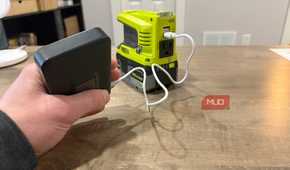
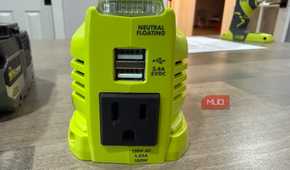
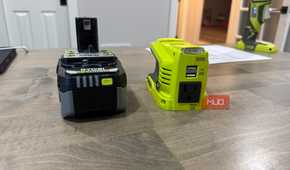
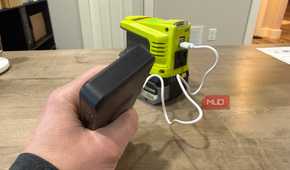
Most outages are undramatic. The lights blink off, the router goes dark, and what you really want is a charged phone and a way to see across the room. Charging is the plainest use and the one you will reach for most. If an inverter feels like overkill, each brand sells a bare USB adapter that clips to a pack and offers USB-A and USB-C. DeWalt's DCB094K is a popular choice, and it drops AC entirely to focus on devices. Milwaukee's TOP-OFF pulls double duty here, since its 45W USB-C port refills phones and laptops quickly.
Light is the other easy win. I keep a Ryobi cordless work light on an 18V pack, and a mid-size battery runs it for hours, far longer than a pack of disposable flashlights would last. DeWalt and Milwaukee both build area lights and lanterns on their platforms that do the same thing. If your setup feels thin, a handful of cheap adapters let one brand's batteries power another brand's lights, which stretches whatever gear you already have.
Where a battery stops and a generator starts
Know the ceiling before the storm hits
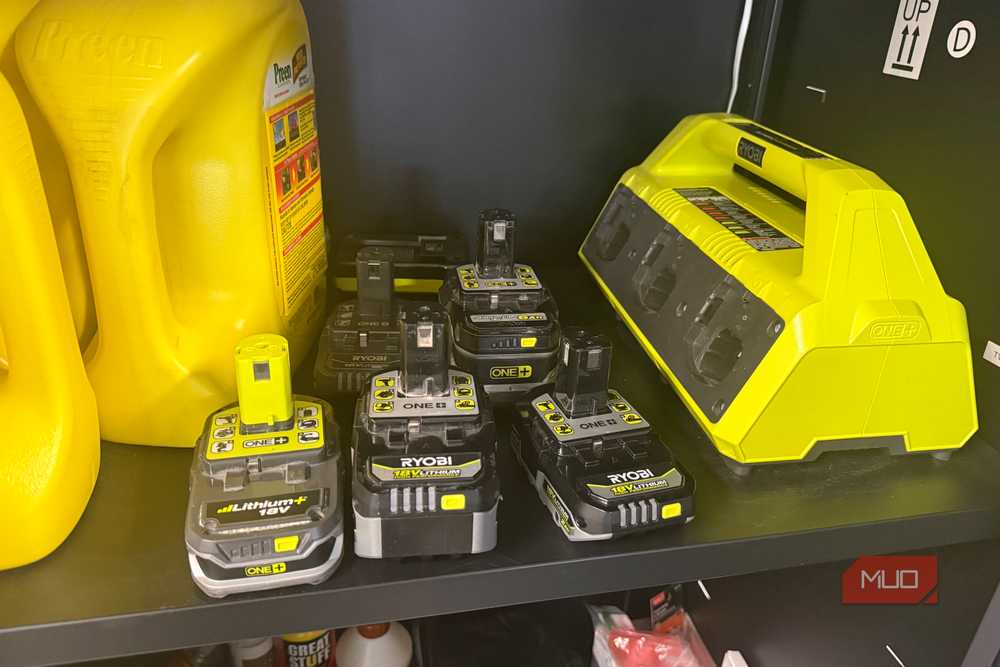
Managing expectations matters here. Tool batteries handle light duty well and nothing beyond it. Most of these inverters land between 150W and 300W, comfortable territory for phones, a router, LED lamps, and a laptop. Plug in a space heater or a microwave and the inverter cuts out rather than cook itself. A refrigerator looks tame on paper at a couple hundred running watts, but its compressor demands several times that during startup, so it trips the protection too. Total energy is the other wall. Even my biggest 6.0Ah pack holds roughly 108 watt-hours, a small slice of what a mid-size power station carries. Treat the batteries as a bridge for the essentials. Outlasting a multi-day outage still takes a generator or something with far deeper reserves.

Ryobi Power Inverter 120 Watt
- Tool Type
- Power Inverter
- Voltage
- 18V
- Output
- 12V DC
You've already bought the hard part
The costly piece of any battery platform is the batteries, and you paid for those when you kitted out the drill. Adding blackout coverage barely moves the needle: an inverter or USB adapter runs $20–$100, and the packs are already charged on the shelf. Ryobi and Milwaukee make it plug-and-play with first-party gear, while DeWalt gets there with third-party boxes. However you landed in one of these ecosystems, the next storm is reason enough to keep a couple of packs topped off and one small inverter within reach.