


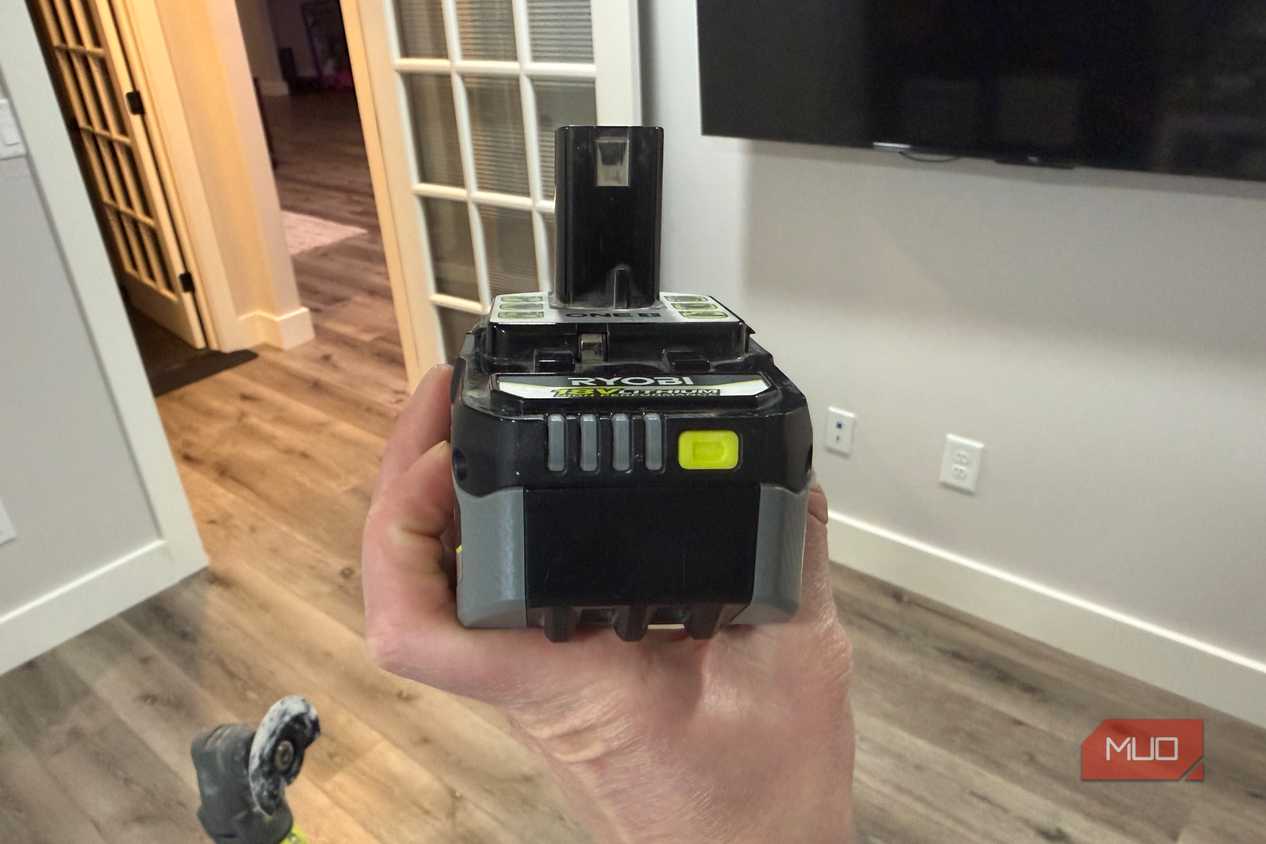
The most expensive Ryobi purchase I made this past year never drove a screw or made a cut. It was a pair of batteries. My earlier self would have called that a waste, because for years I shopped the green aisle the way most people do, hunting tool deals and treating the pack in the box as filler. Then the math caught up with me. Ryobi is better than its reputation suggests, and I own enough of the lineup to say so with a straight face, but the tools were never where my money worked hardest. The packs were. Once that sank in, I quit paying extra for premium tools and bundled kits, and every Ryobi dollar since has gone out on the theory that the batteries are the real purchase. So far, the theory holds.
Every kit I bought was really a battery purchase
The spare chargers figured it out before I did


 Credit: Jonathon Jachura / MUO
 Credit: Jonathon Jachura / MUO
 Credit: Jonathon Jachura / MUO
 Credit: Jonathon Jachura / MUO
 Credit: Jonathon Jachura / MUO
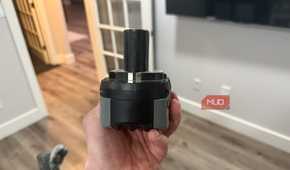
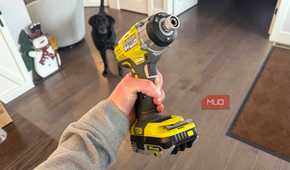
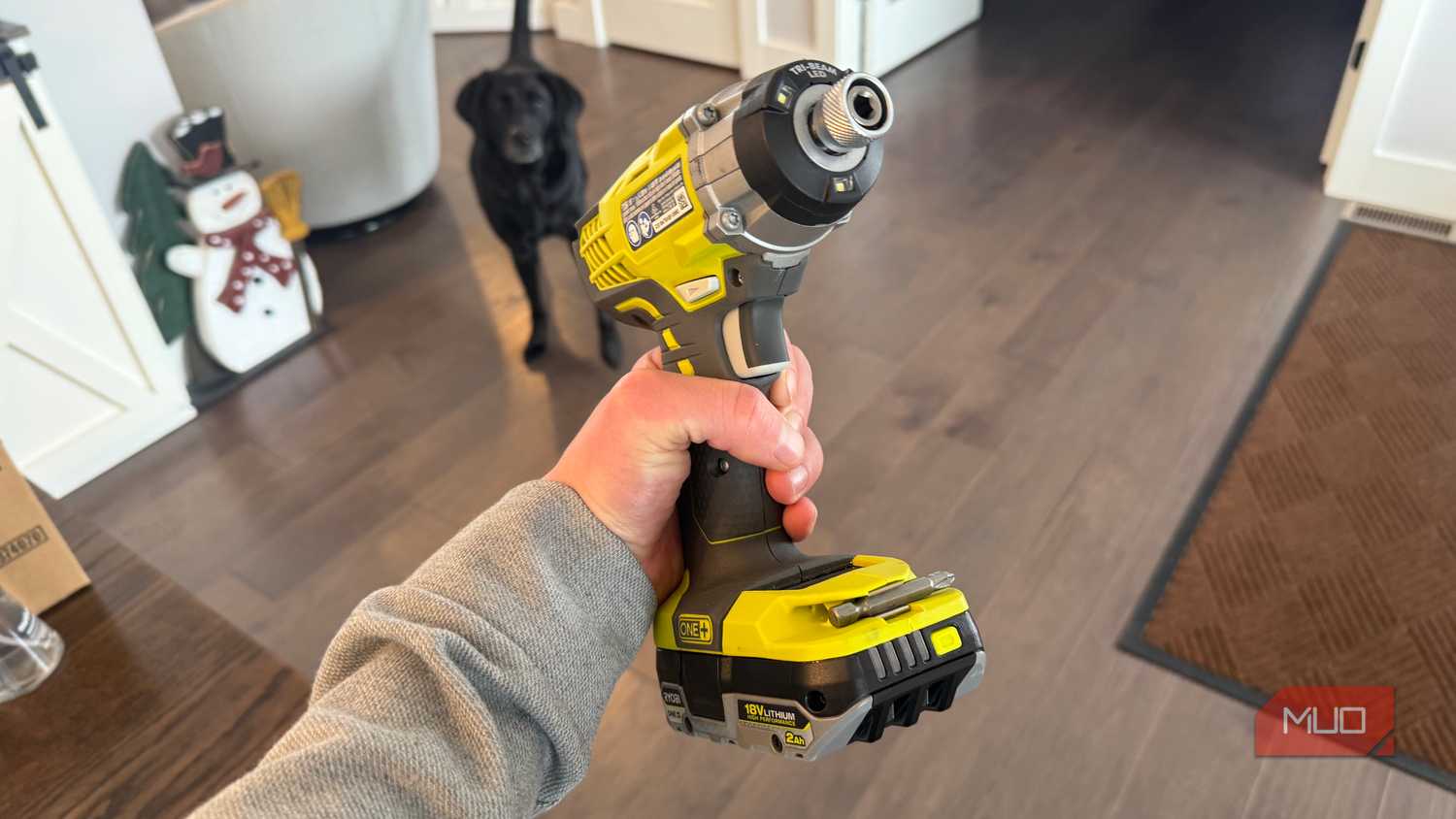
My first stretch as a Ryobi owner ran on kits. A kit felt complete, one box holding the tool, a pack, and a charger, and the sticker seemed fair for all three. By the third box, the pattern was hard to ignore. Chargers I didn't need were stacking up in a drawer. Small 1.5Ah and 2.0Ah packs multiplied, the kind that fade fast in anything hungrier than a drill. And each kit hung on the rack roughly $40–$80 above the bare version of the same tool. That gap has nothing to do with tool quality. It's the pack and charger, billed to me again every time. Once you own a charger and a few strong batteries, the kit premium just buys you duplicates. Looking back, I wasn't collecting tools during those years. I was buying the same power supply over and over, with a different tool stapled to it each time.
Bare tools became cheap add-ons instead of real purchases
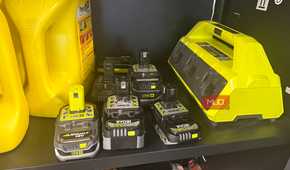
A shelf of charged packs shrinks every price tag after it


 Credit: Jonathon Jachura / MUO
 Credit: Jonathon Jachura / MUO
 Credit: Jonathon Jachura / MUO
 Credit: Jonathon Jachura / MUO
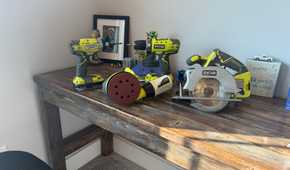
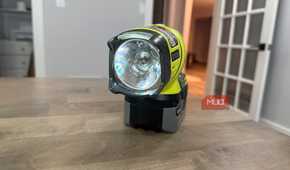
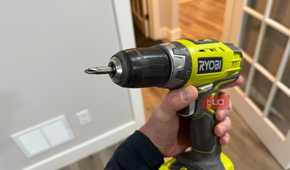
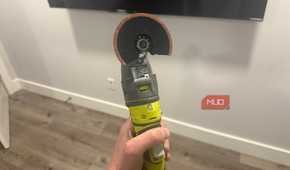
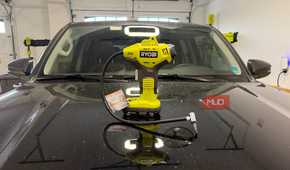
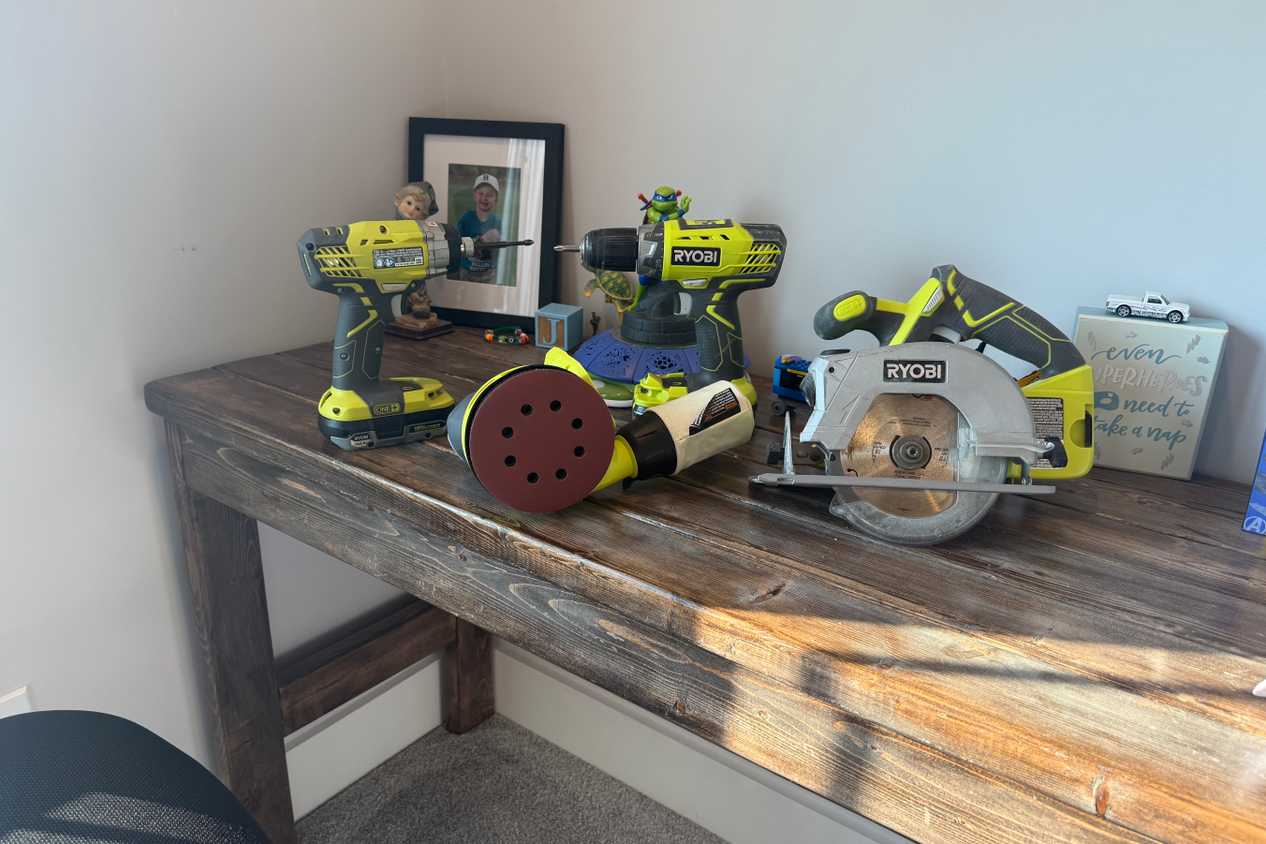
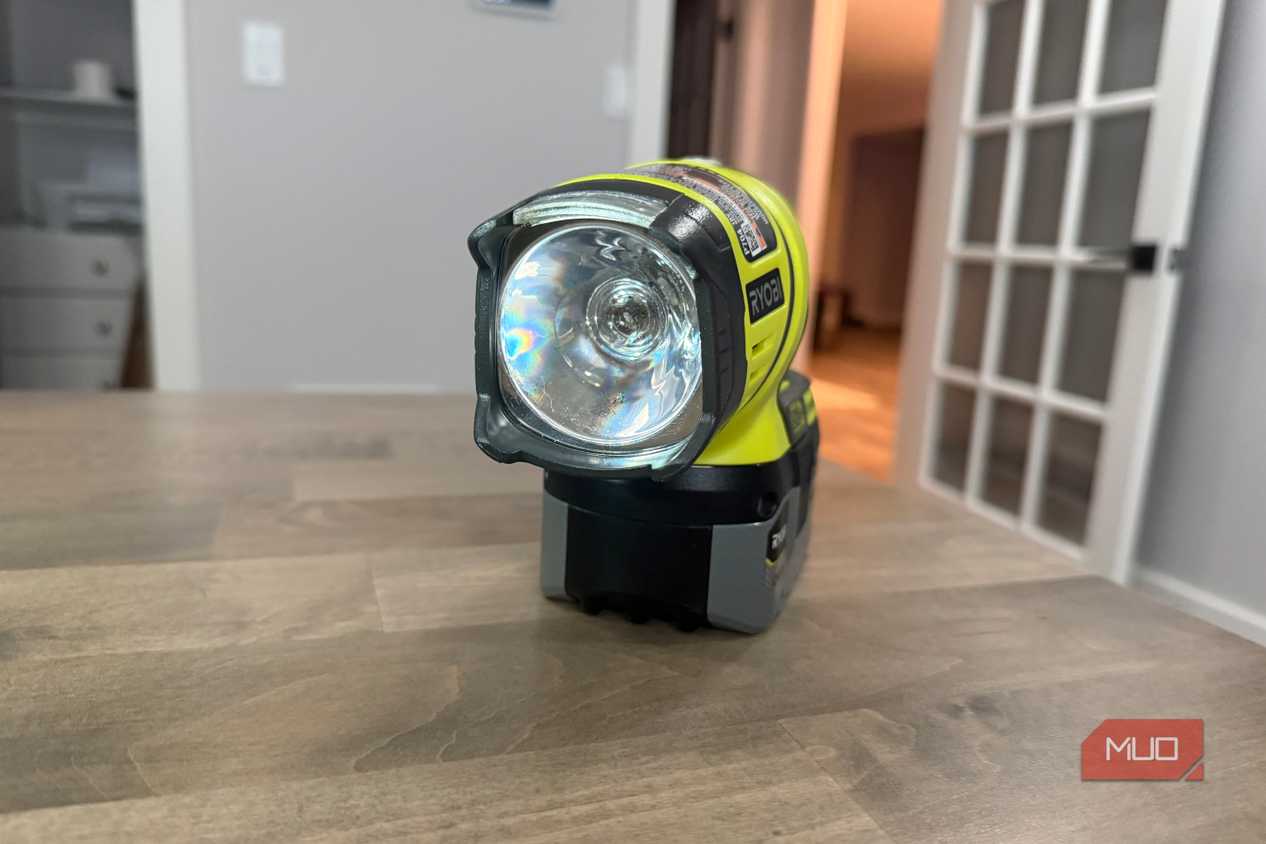
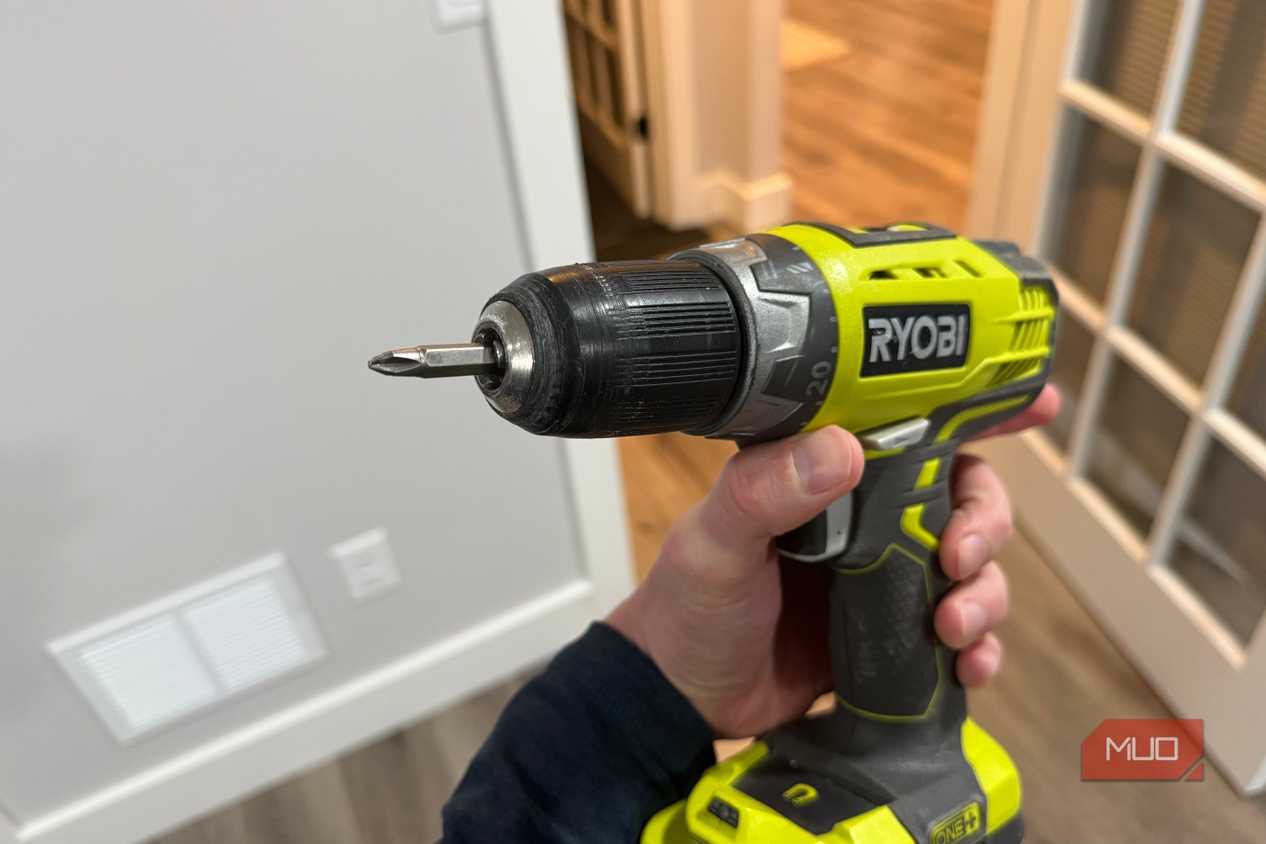
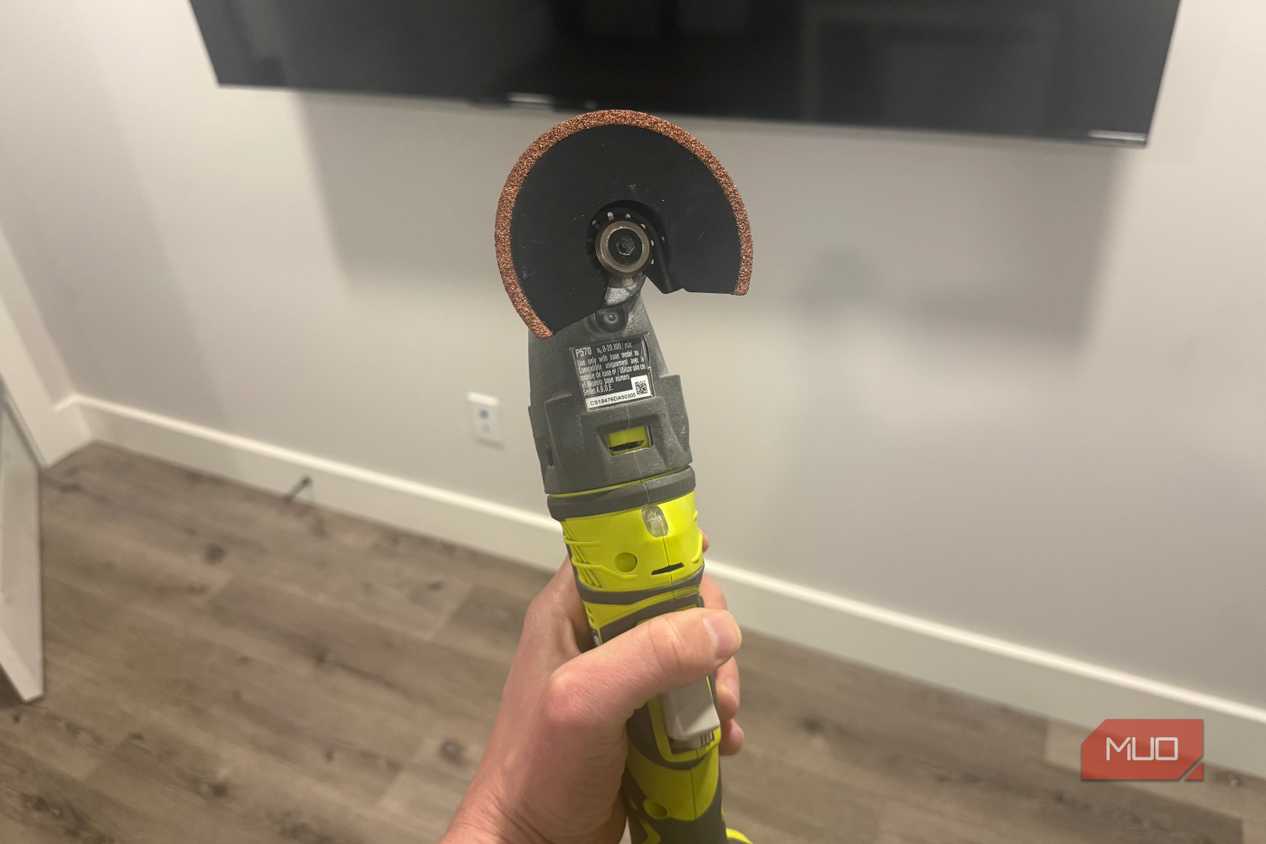
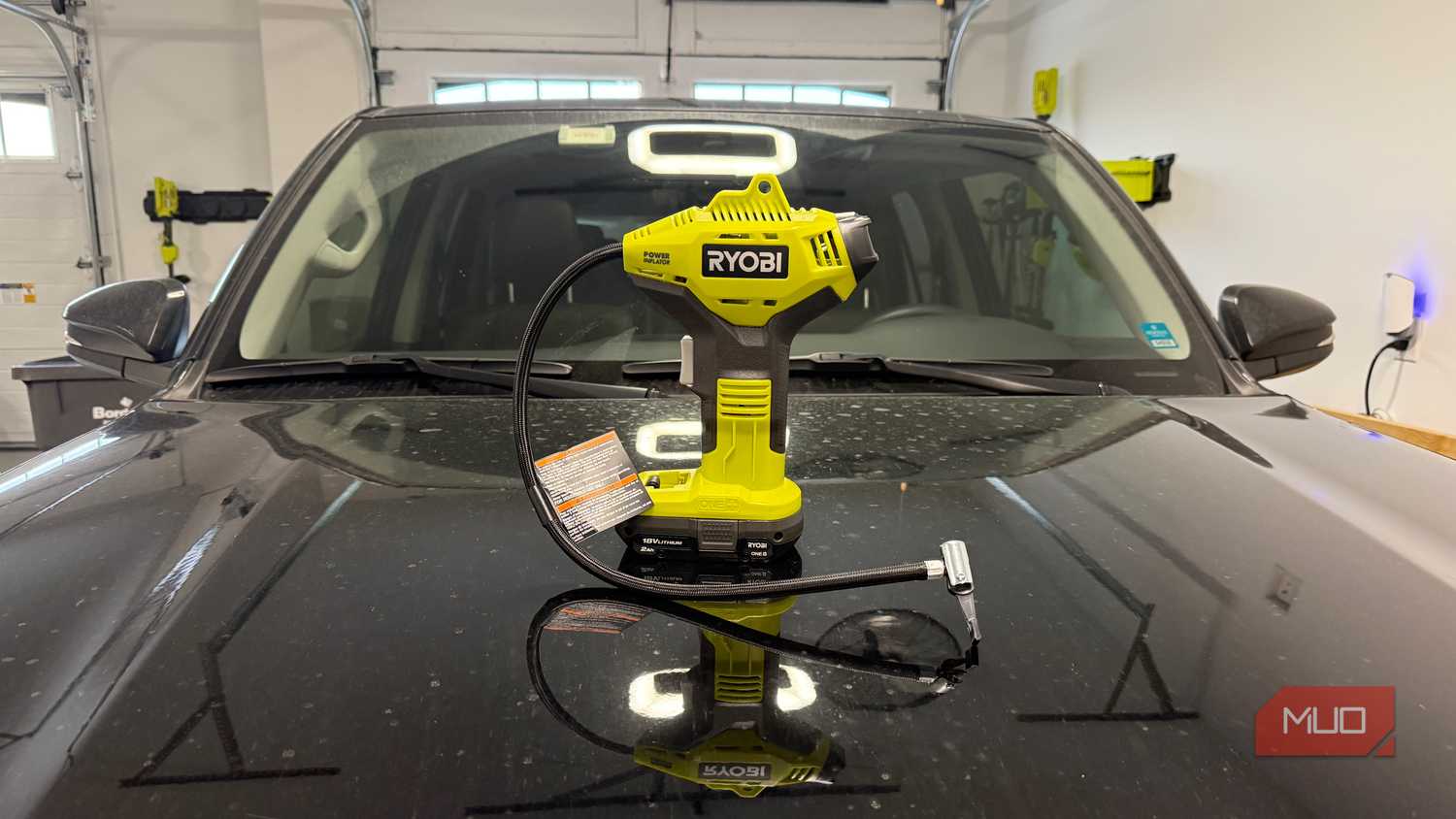
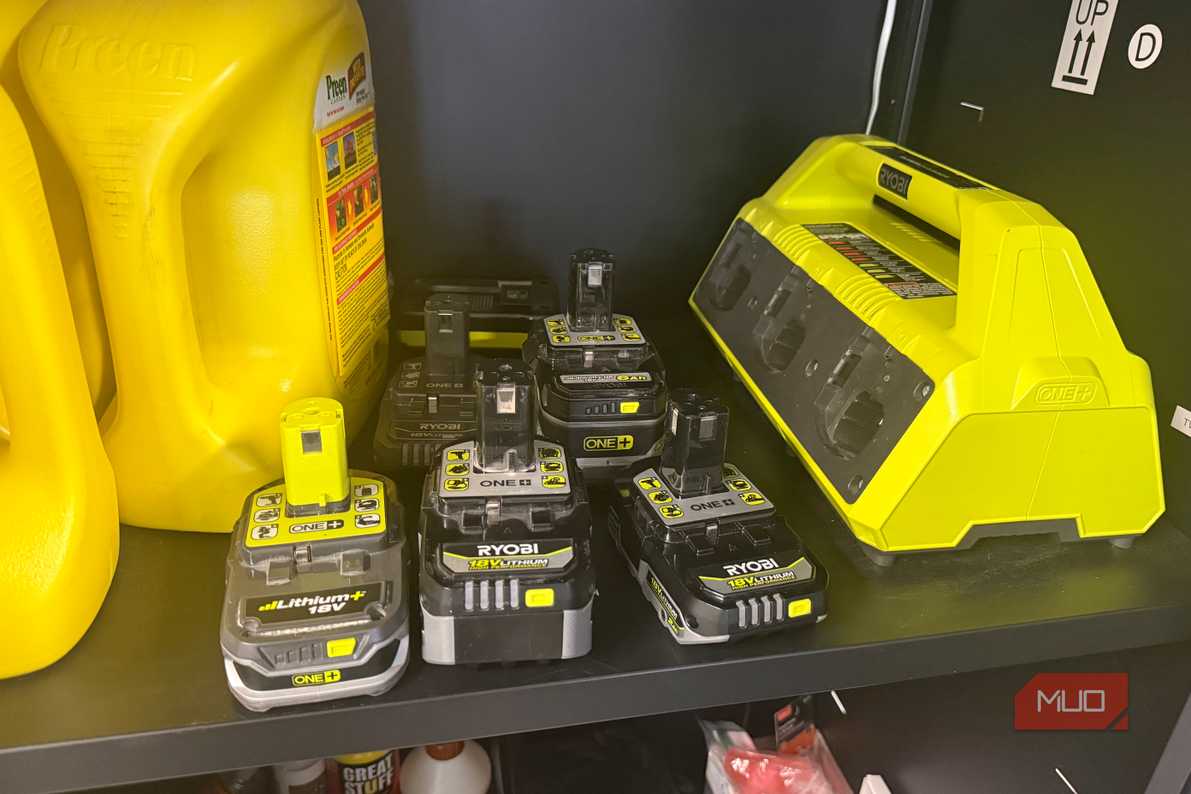
With a bench of batteries in rotation, adding a tool stopped feeling like a decision. The ONE+ system covers more than 300 products on the same 18V pack, and every battery going back to 1996 still fits, so a bare tool is just a new attachment for power I already own. That's how my collection drifted into categories I never planned on. The power scrubber, the tire inflator, the spot cleaner, and the random orbit sander all came home because the bare-tool price made trying them a low-stakes bet. Some of the cheapest Ryobi tools punch far above their price, and those low stickers exist because the platform expects you to arrive with packs in hand. The reverse holds, too. A bare tool without a charged battery is shelf decoration. On a busy Saturday, the packs are what I ration, and whichever job gets a fresh one is the job that happens.
A stronger battery beat a newer tool
High-capacity packs woke up tools I already owned




 Credit: Jonathon Jachura / MUO
 Credit: Jonathon Jachura / MUO
 Credit: Jonathon Jachura / MUO
 Credit: Jonathon Jachura / MUO
 Credit: Jonathon Jachura / MUO
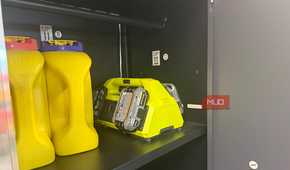
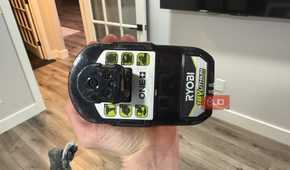
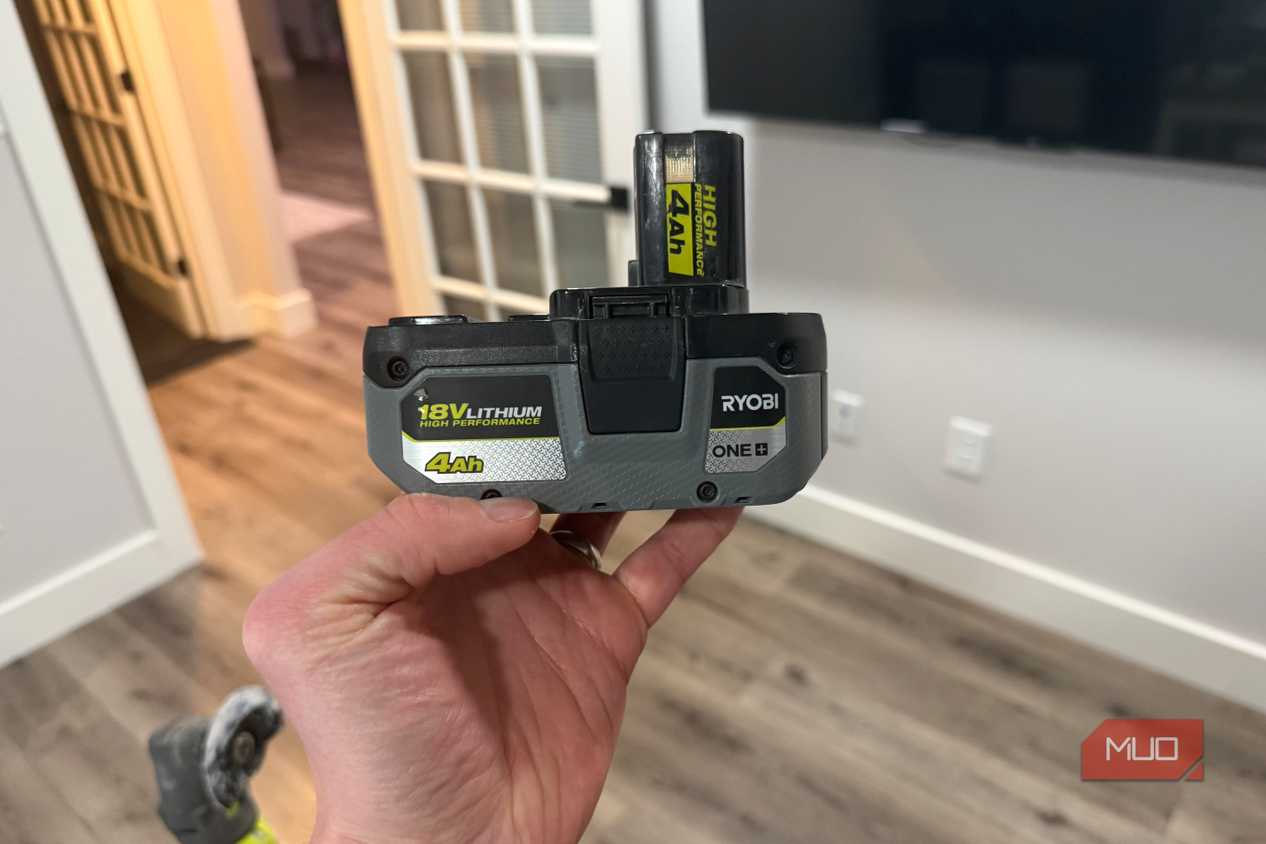
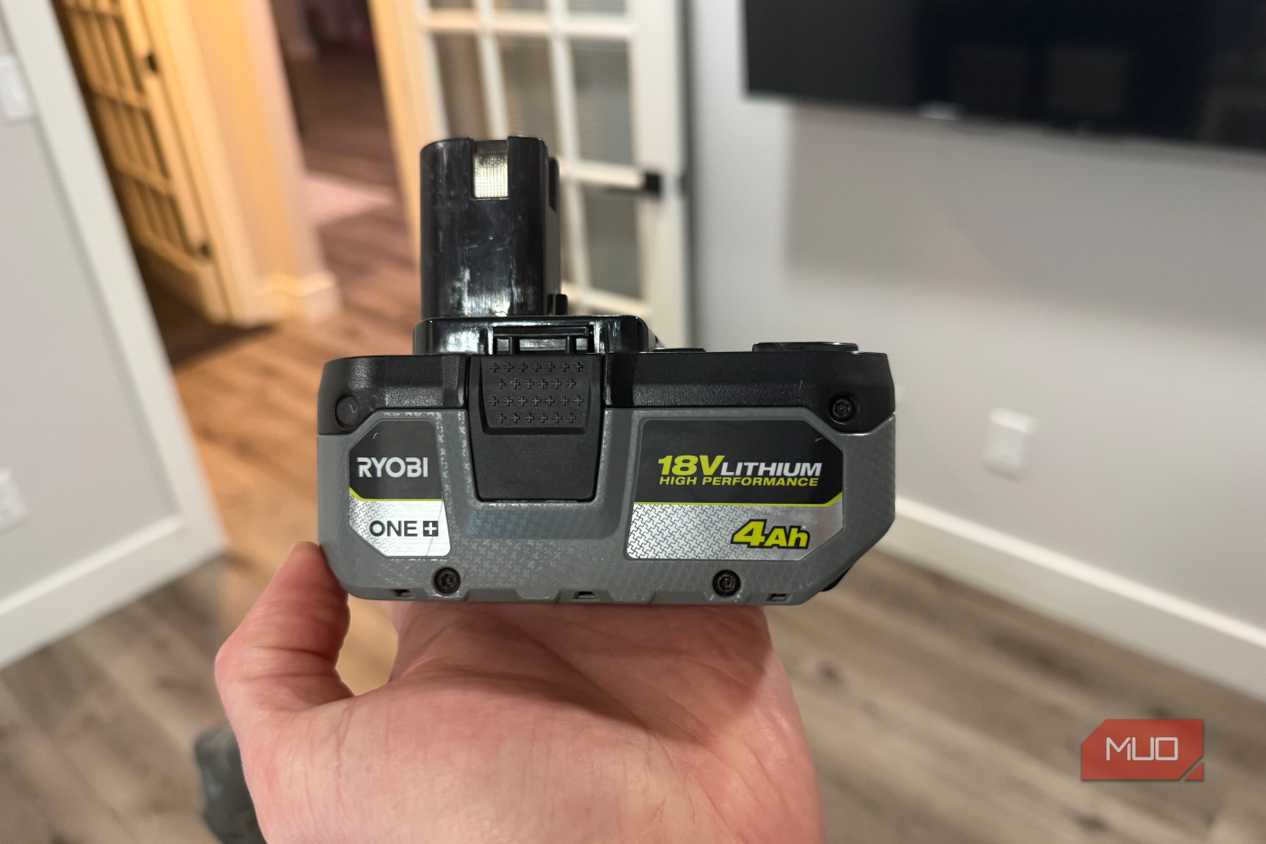
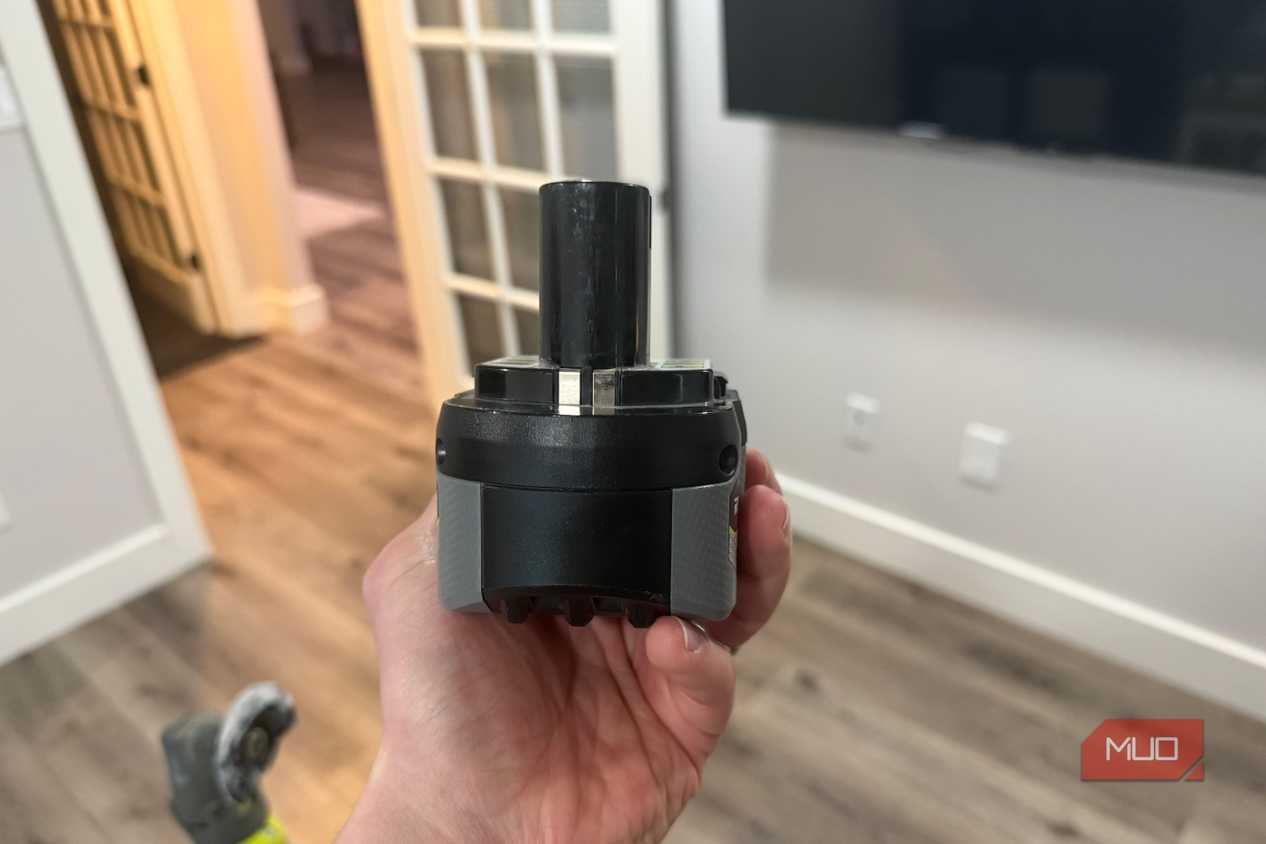
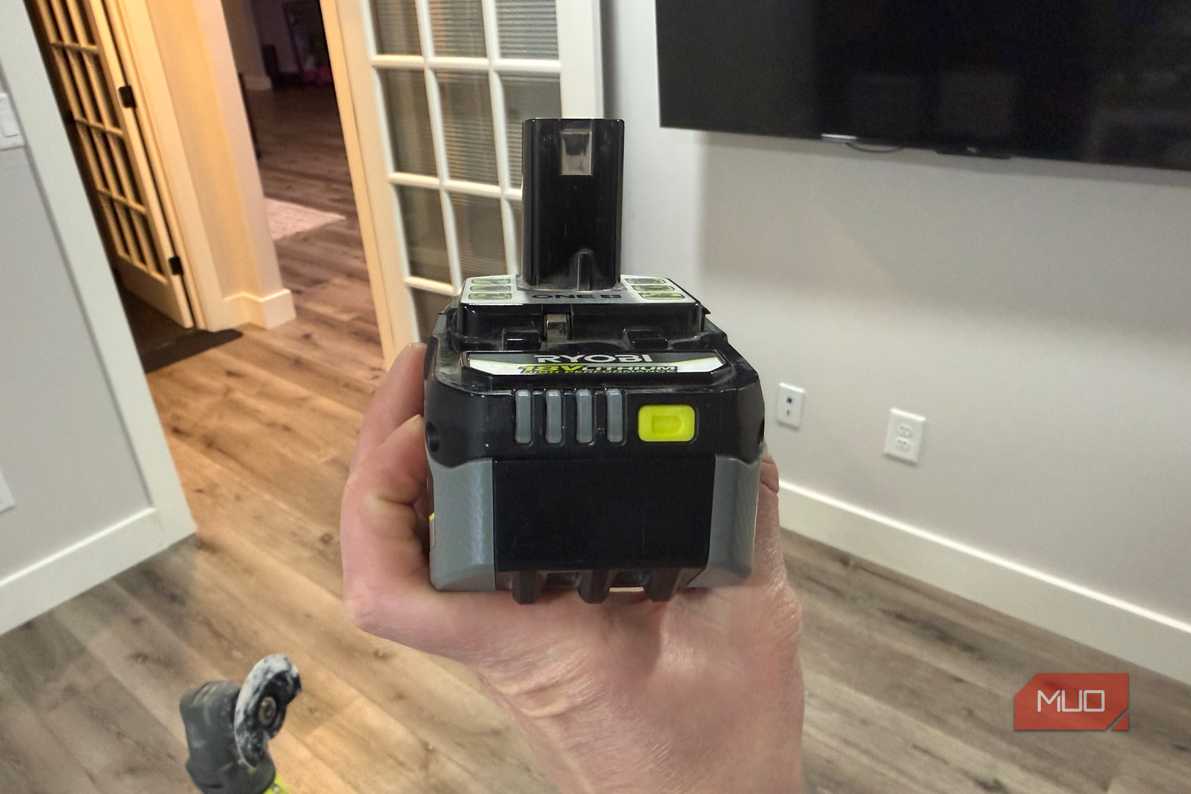
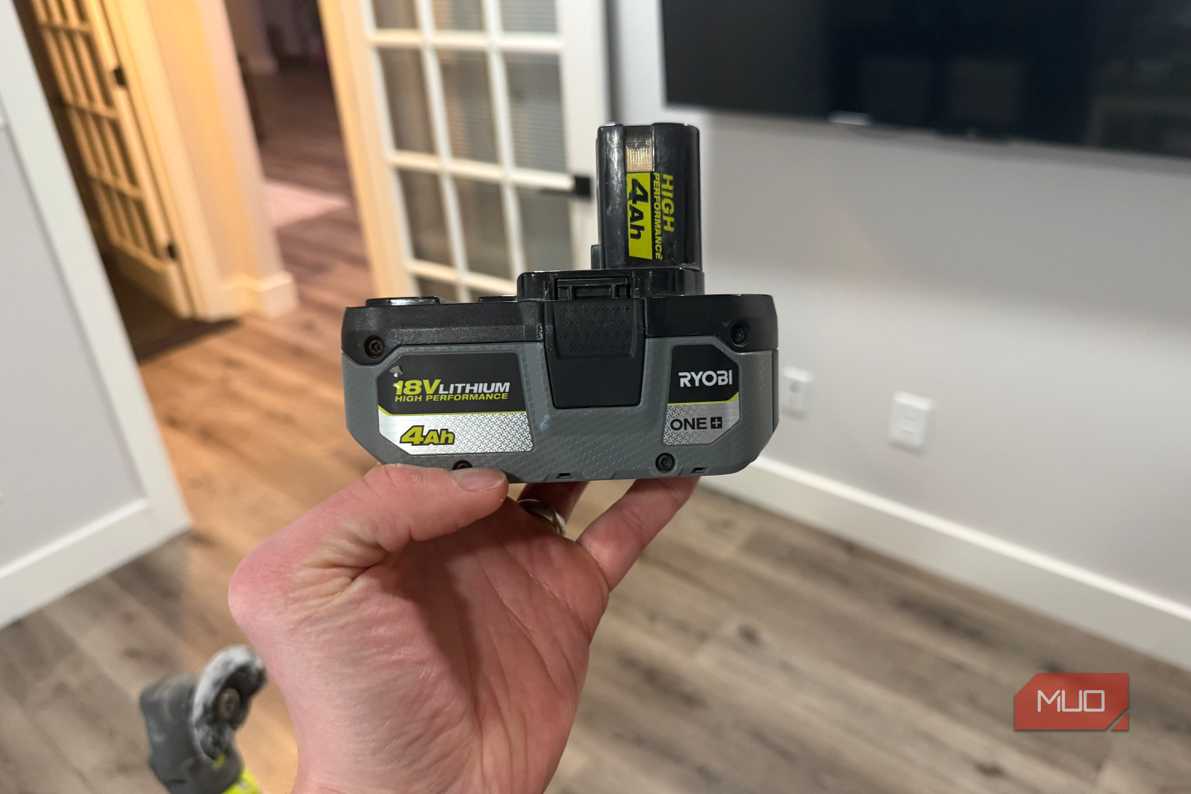
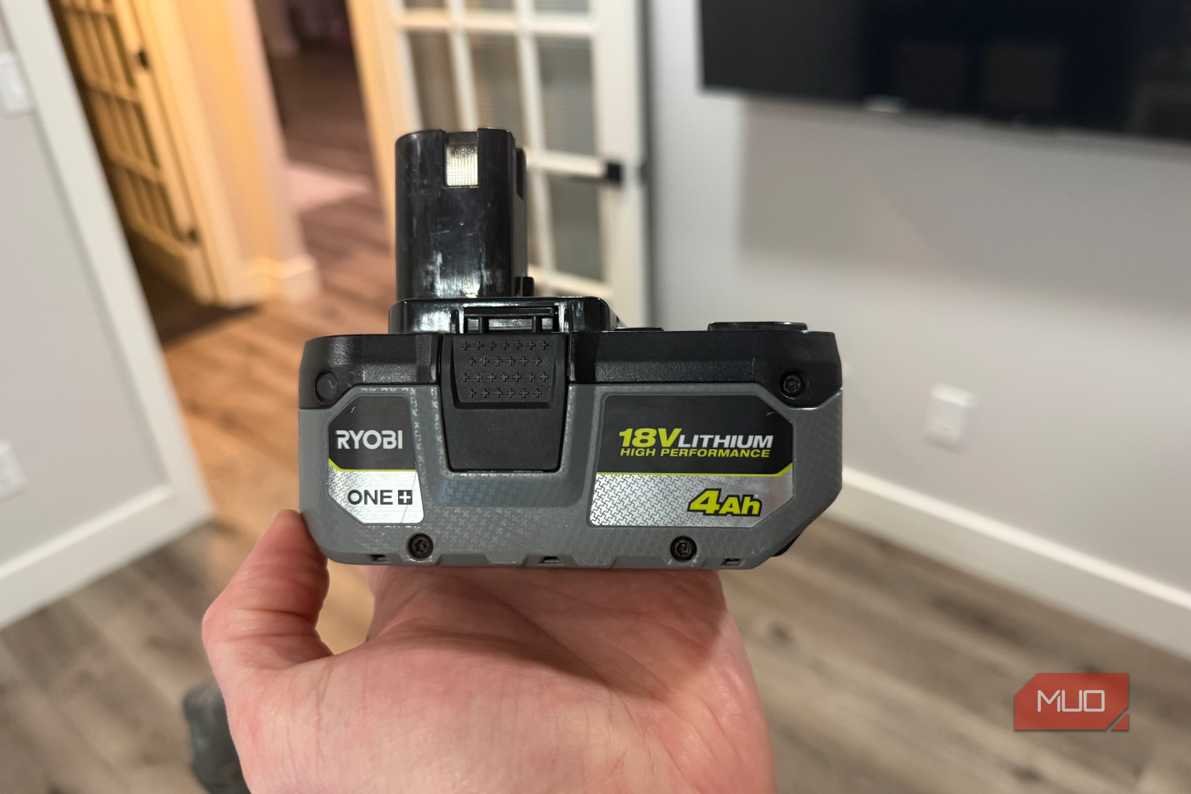
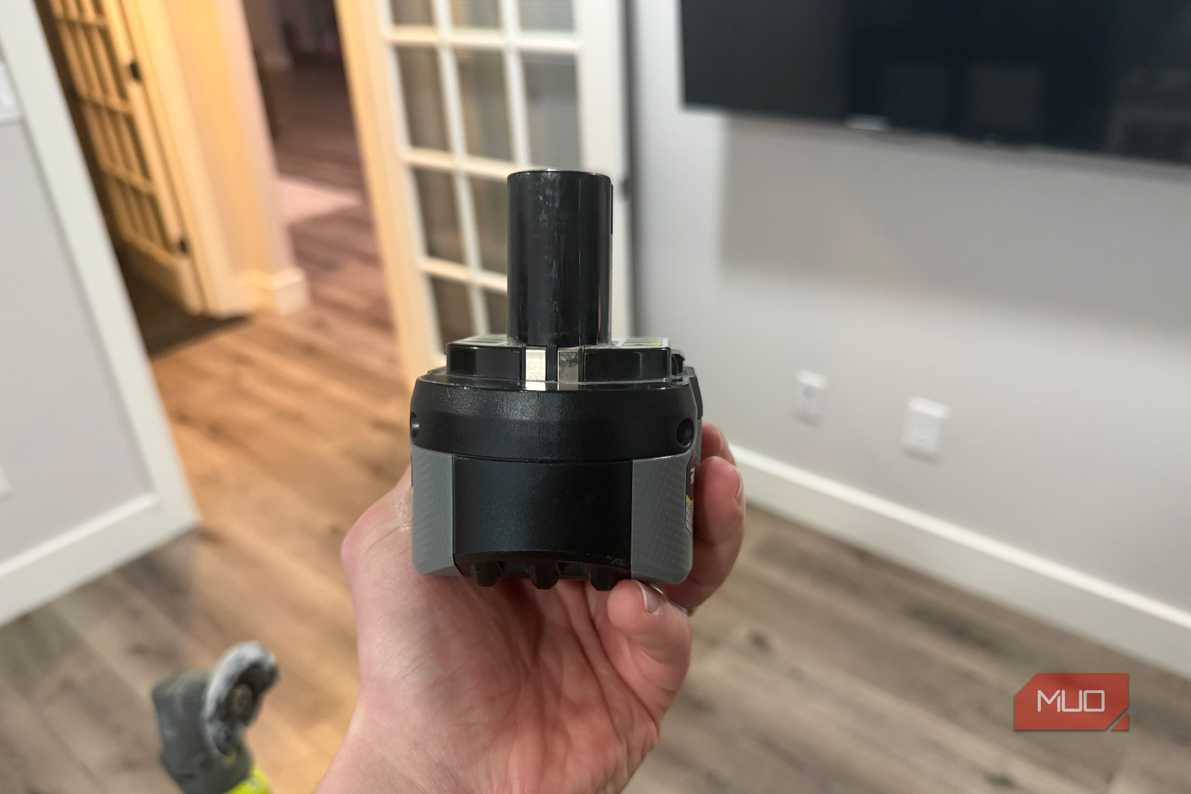
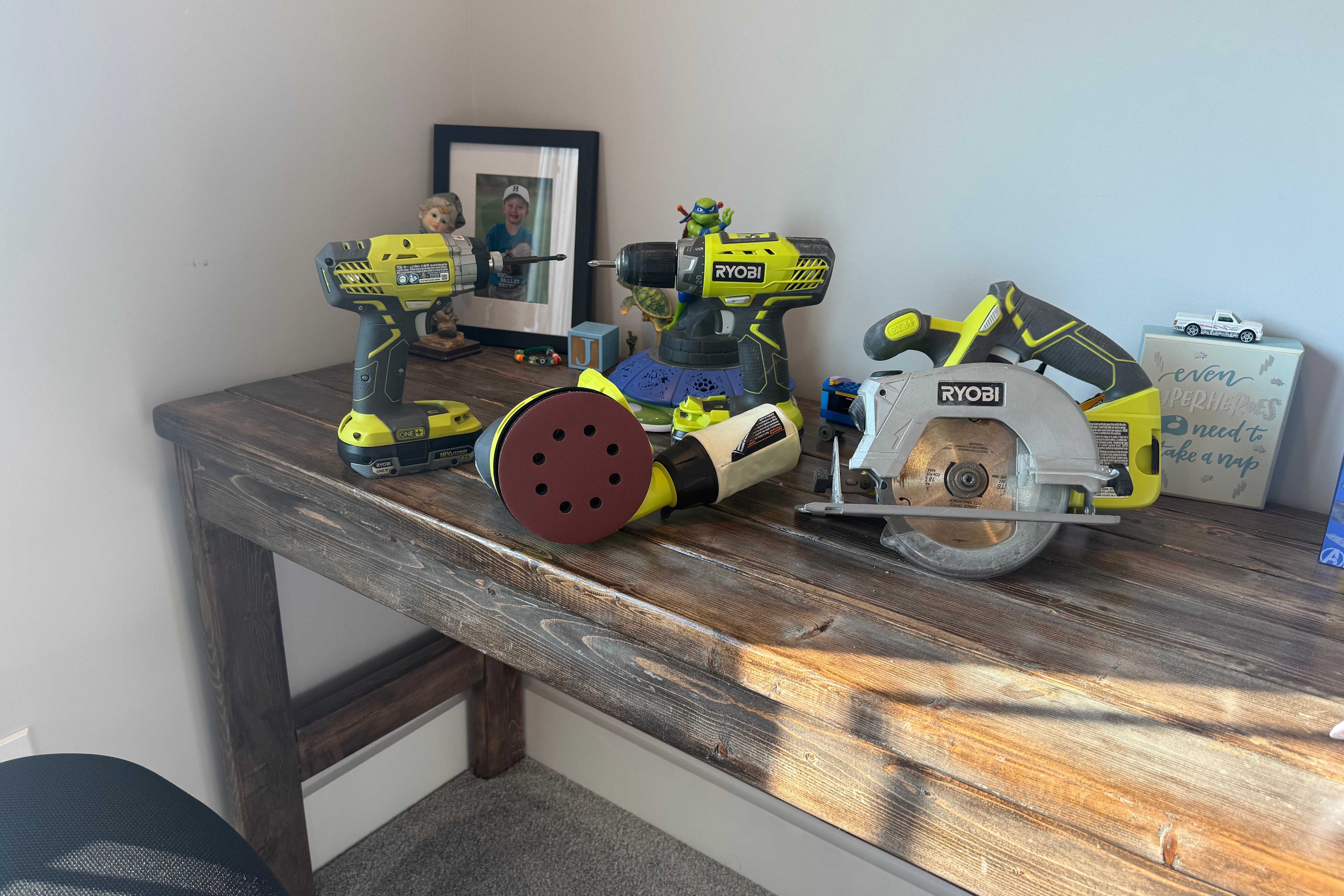
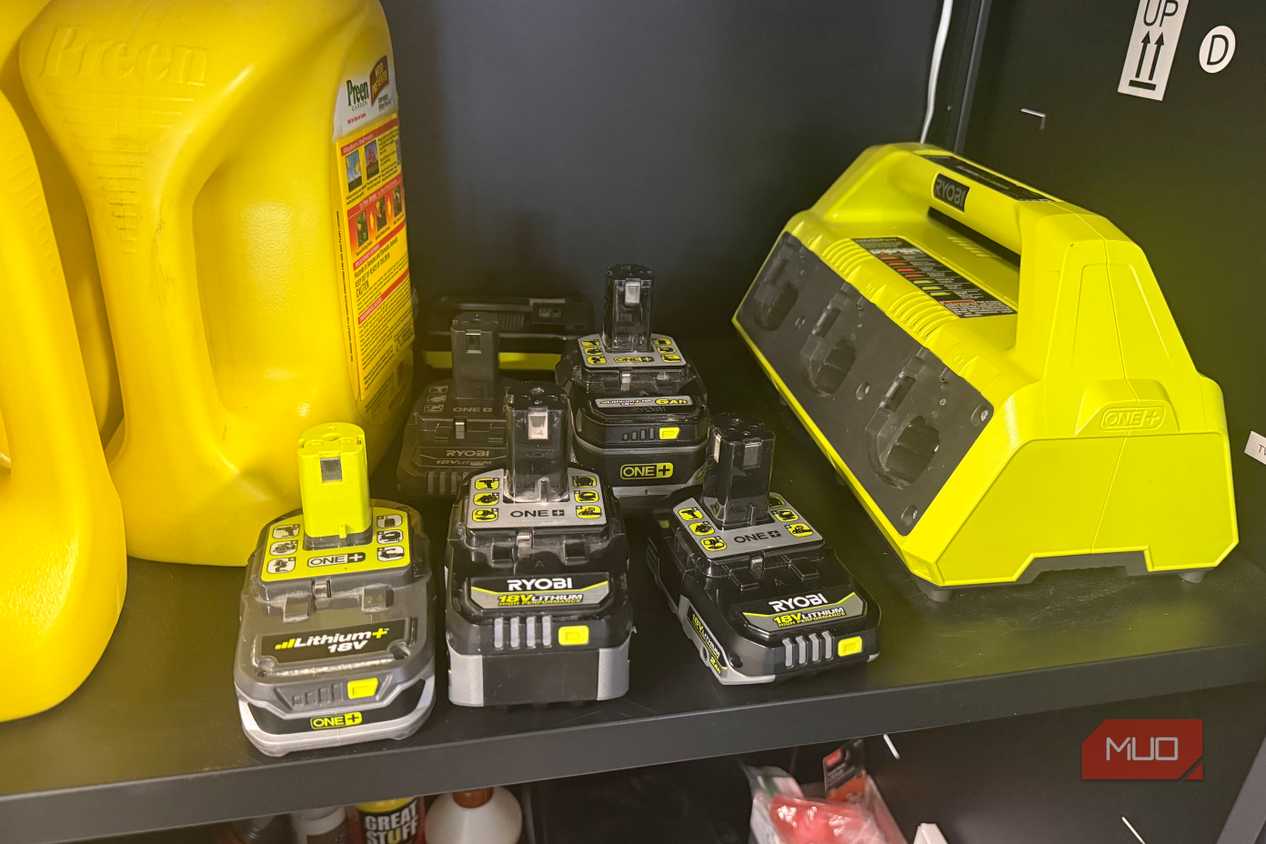
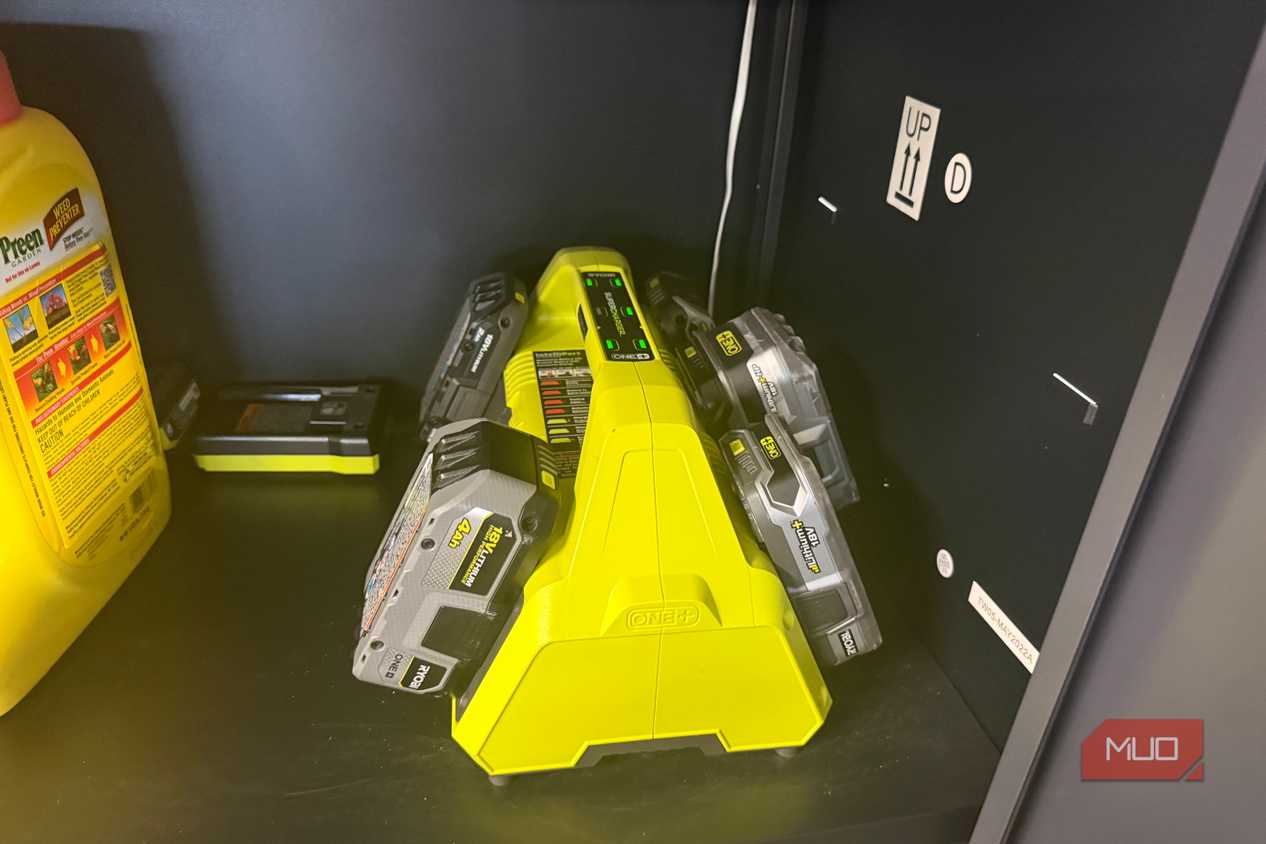
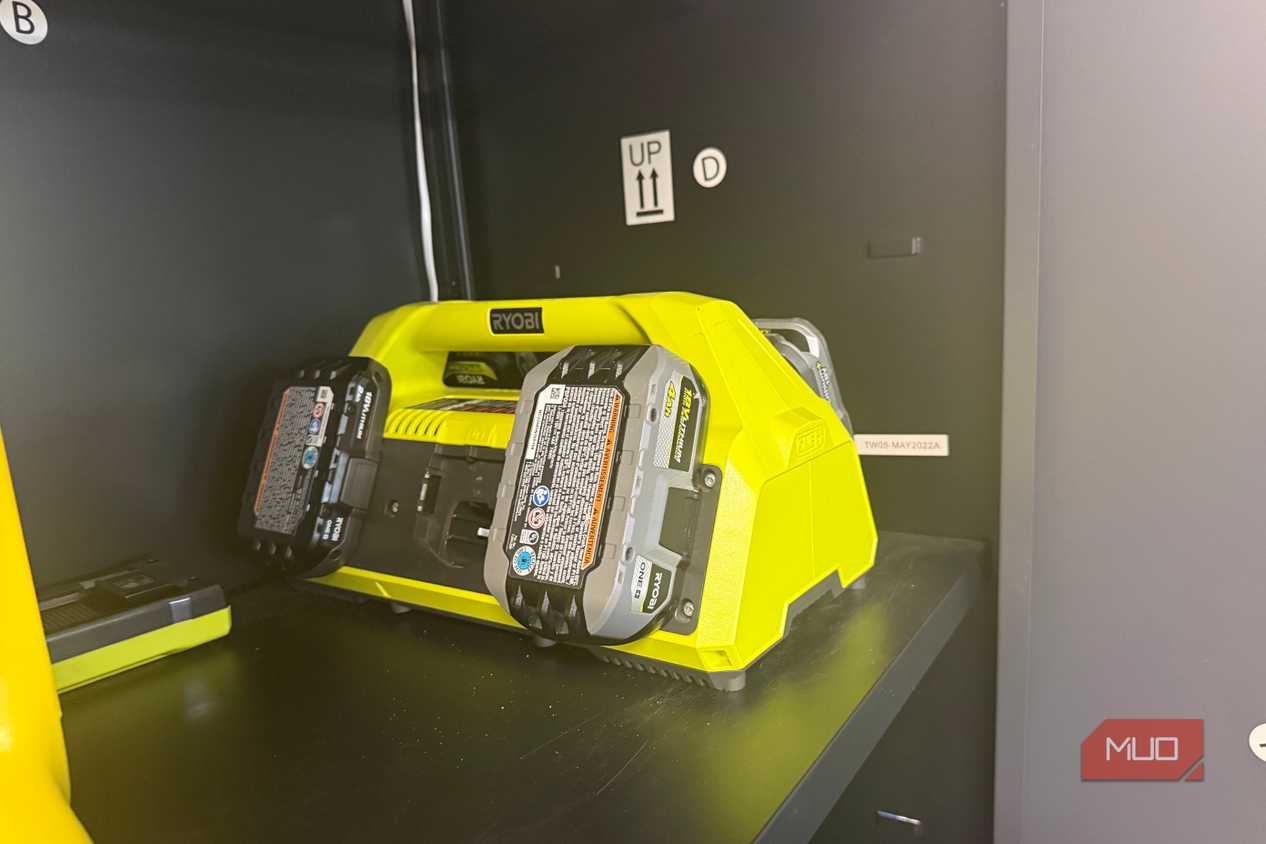
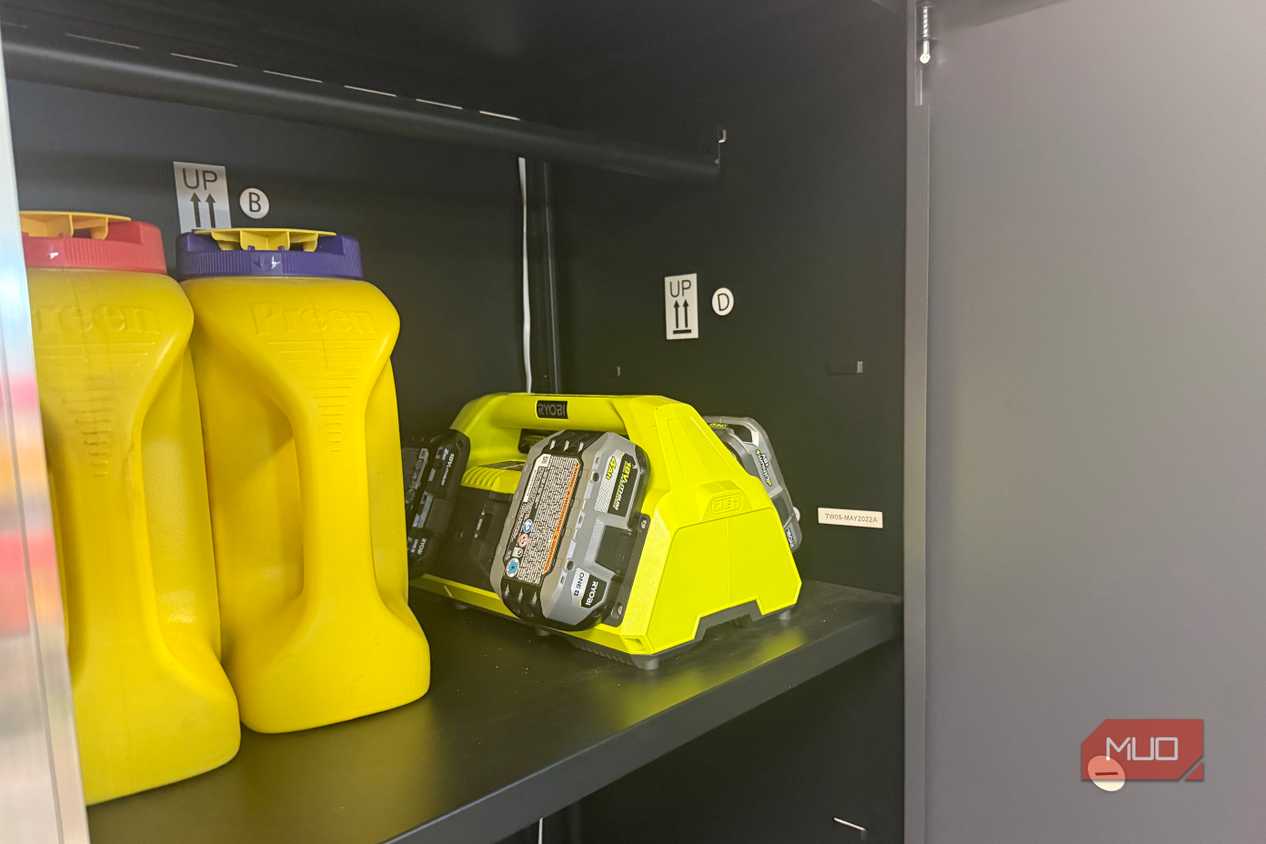
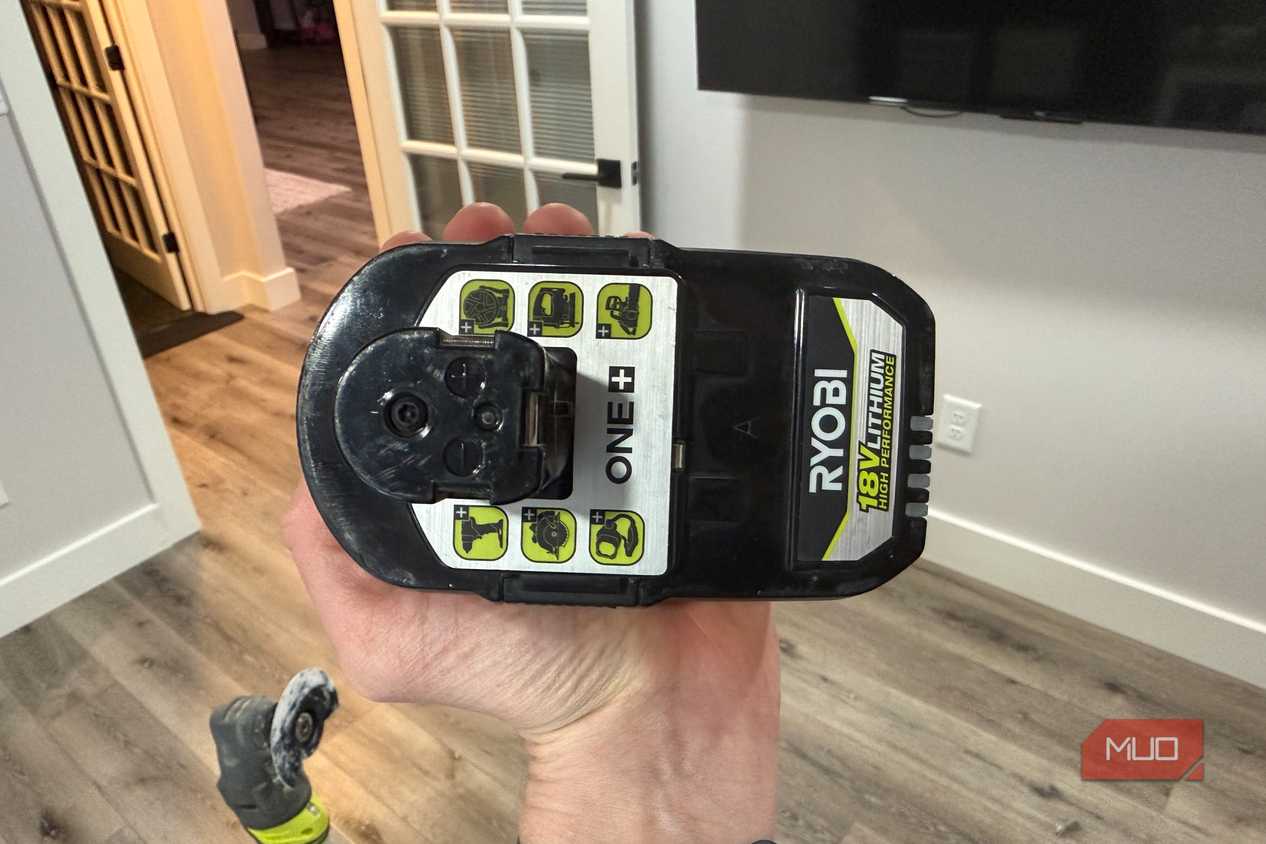
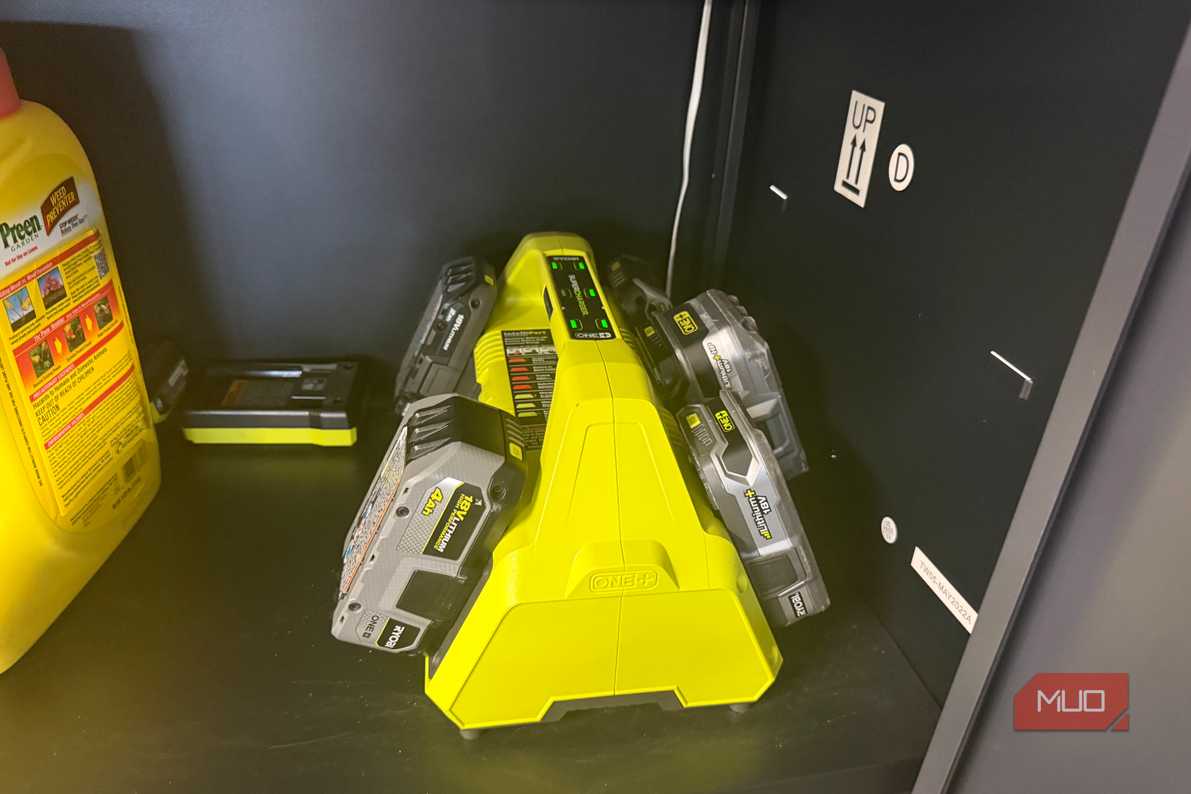
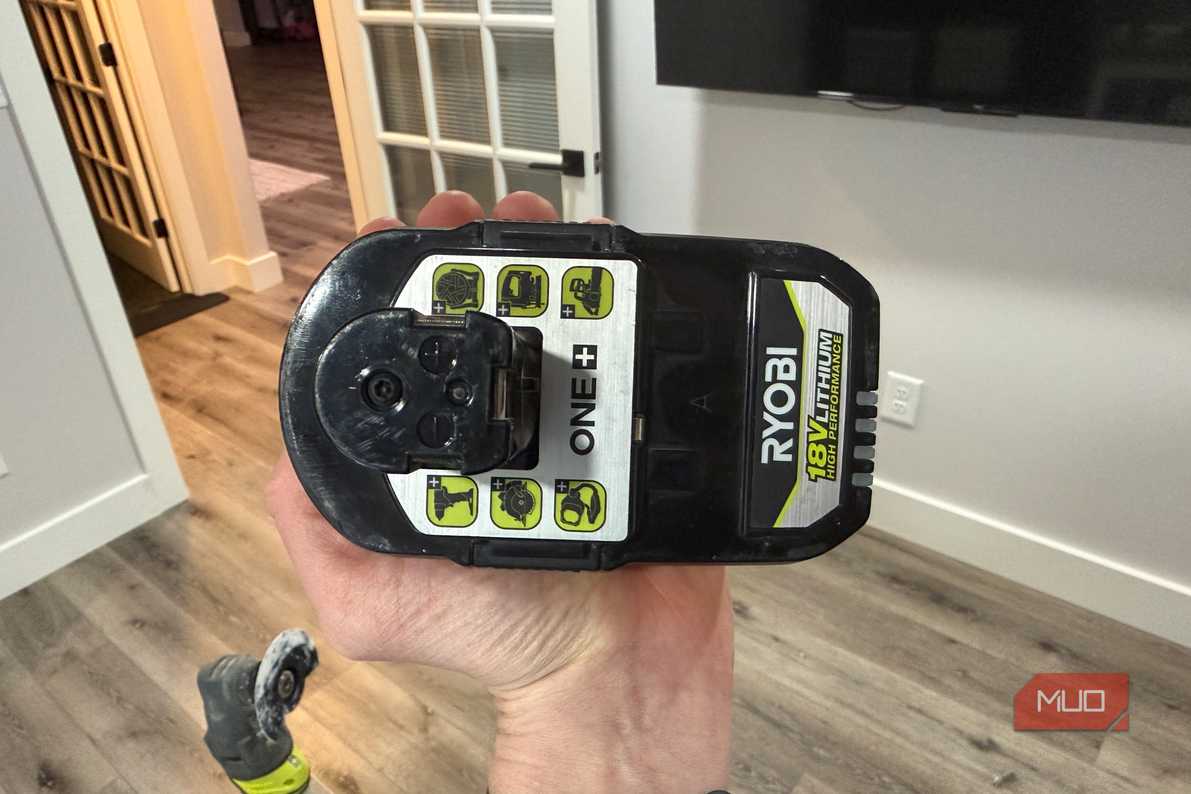
The moment that changed my spending came from a battery swap rather than a purchase. The little packs that ship with kits wilt in high-draw tools. My circular saw used to bog down partway through longer rips, and I had started pricing a replacement before I thought to run it on a 4.0Ah pack instead. The saw I already owned came back to life, with more grunt and noticeably longer runtime. The lesson stuck. When a Ryobi tool disappoints, the pack is the first suspect, and it's usually the guilty one. These days, the only premium I pay is on the batteries themselves. Ryobi's High Performance packs carry extra contacts and higher-output cells, and HP brushless tools draw real extra muscle from them, while older tools still accept them and simply run longer. The tools that had already earned their keep in my garage got a second wind from better packs, for a fraction of what replacing any of them would have cost.
Now I plan around battery promos, and the tools tag along
Retailers hand out the tools and charge for the packs

Full-price batteries are the shock that proves the point. A High Performance 4.0Ah two-pack lists at $149, which is more than almost any bare tool in my garage. So I buy packs the way other people buy TVs, on a calendar. This year's Ryobi Days event at Home Depot ran a $99 starter kit, pairing a 4.0Ah HP pack with a 2.0Ah pack and a charger that normally sell for about $228, and the deal included a free tool worth up to $89. The $199 tier bundled three HP packs, with a free-tool menu topped by that same $149 battery two-pack. Home Depot charges for the batteries and gives the tools away, which is about as clear a signal as retail ever sends about where the value sits. I carried the same thinking to my 40V yard tools, which run on a separate platform, and priced the packs before the first tool. And since the batteries are the investment, mine live indoors, off the charger, and away from my garage's Indiana temperature swings.

Ryobi ONE+ 18V Battery
- Battery Type(s)
- Lithium-Ion
- What's Included
- 2 Batteries
- Brand
- Ryobi
- Voltage
- 18V
- Capacity
- 4.0 Ah
Spend on the packs and cheap out on the tools
If I were starting over, I'd wait for a battery promo, take the starter kit and the free tool, and never pay a kit premium again. Every tool after that first box would be a bare tool bought on sale, powered by packs I already trust. Priced one at a time, the green tools look almost disposable, and that's the tell. The catalog only makes sense for people whose serious money went into batteries. Mine finally does, and the strange payoff is that every tool in my garage got better the day I stopped spending so much on tools.