


Since its first Z Fold launch almost eight years ago, which looked like a gadget straight out of a sci-fi movie, to the launch of its latest Galaxy Fold 8, Samsung has come a long way in its foldable journey and positioned itself as the go-to brand for foldable smartphones.
The latest generation Fold 8 is lighter than its predecessor, has a better camera, a slimmer profile, a better and bigger display, and an almost non-existent hinge mechanism. Despite all the advancements, Samsung's foldable displays have a persistent problem that's visible every time I open my Galaxy Flip phone. While Samsung is making progress in eliminating it, it's a hard problem to solve.
The crease still wins
Samsung's biggest visual fix doesn't survive the first week


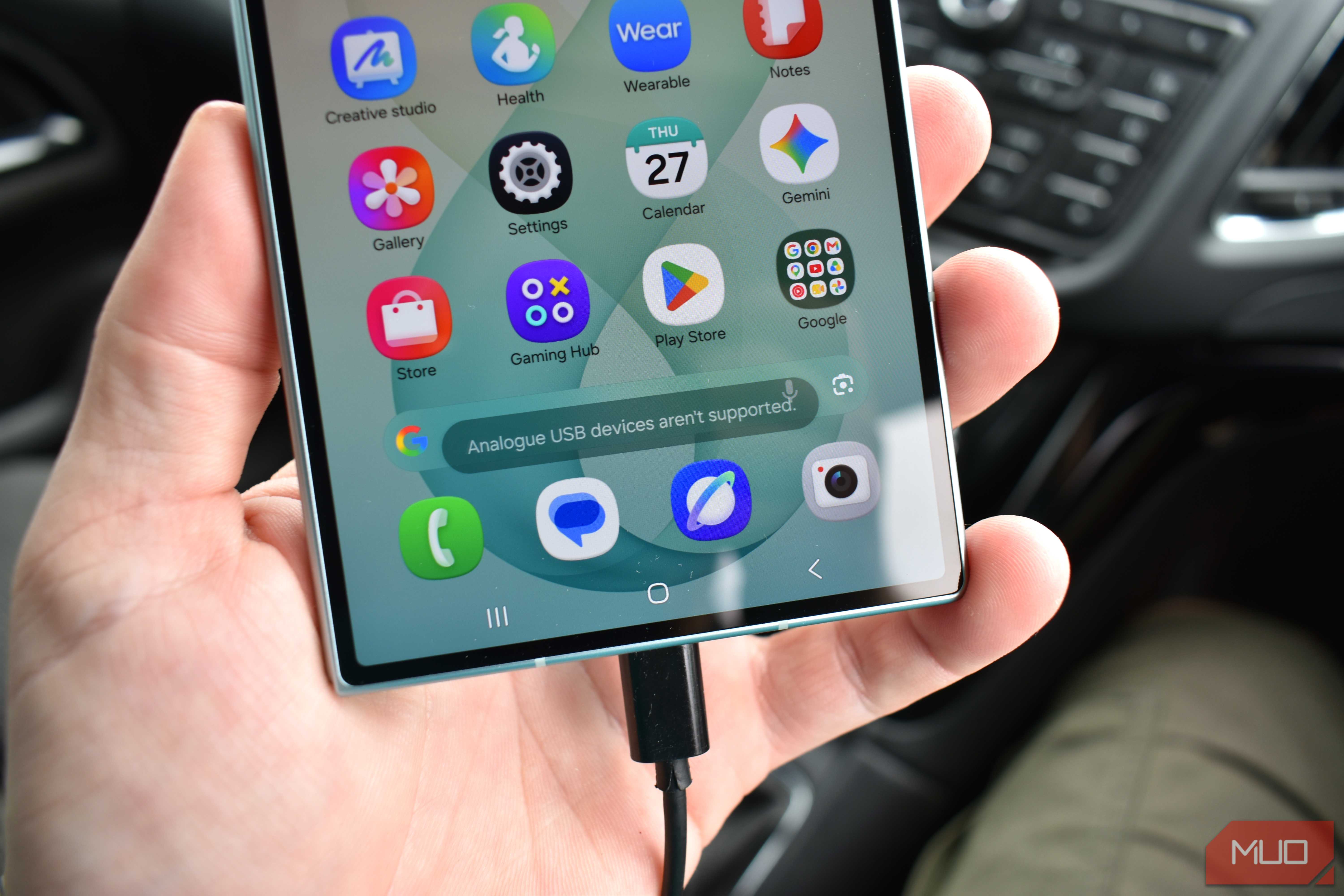
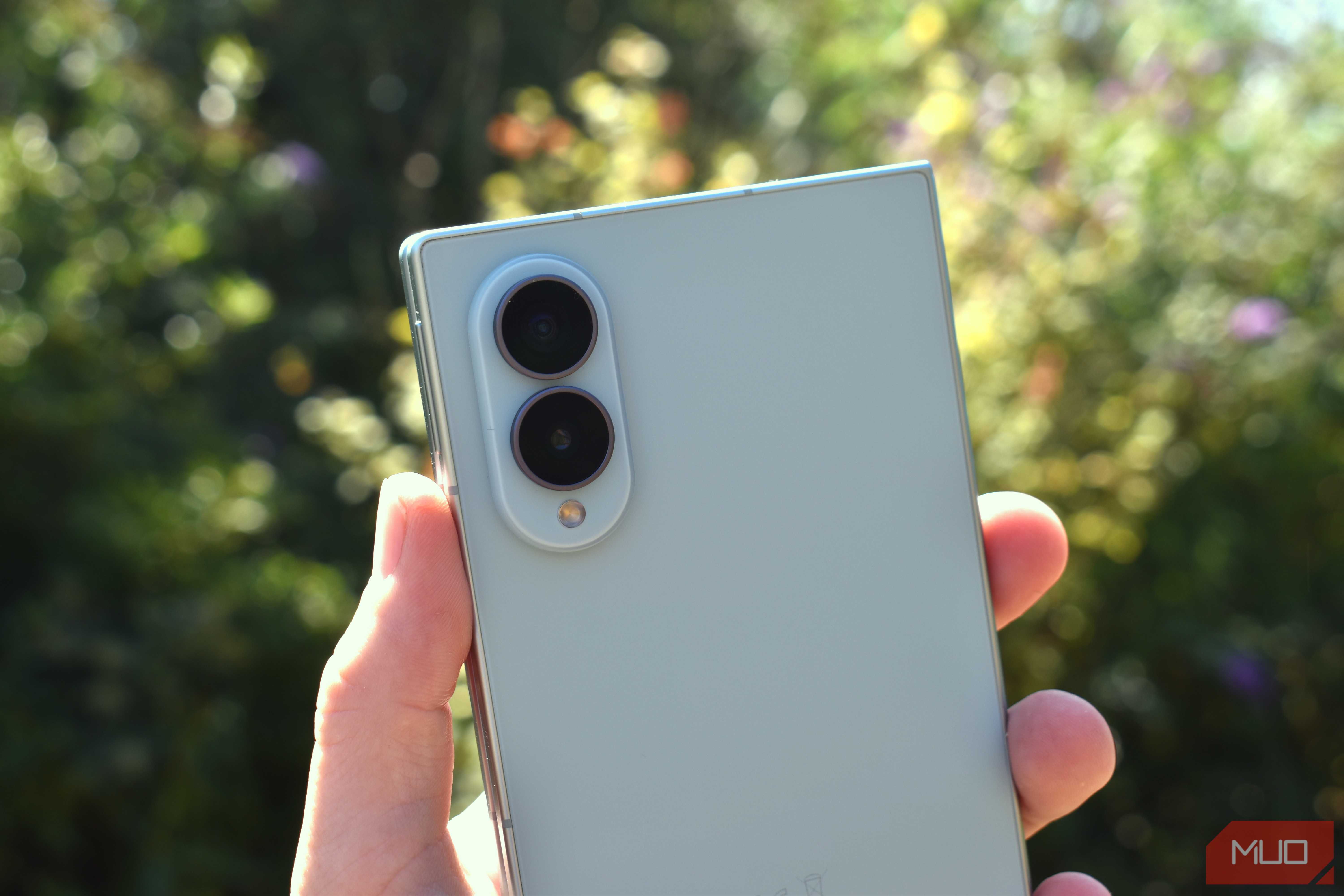
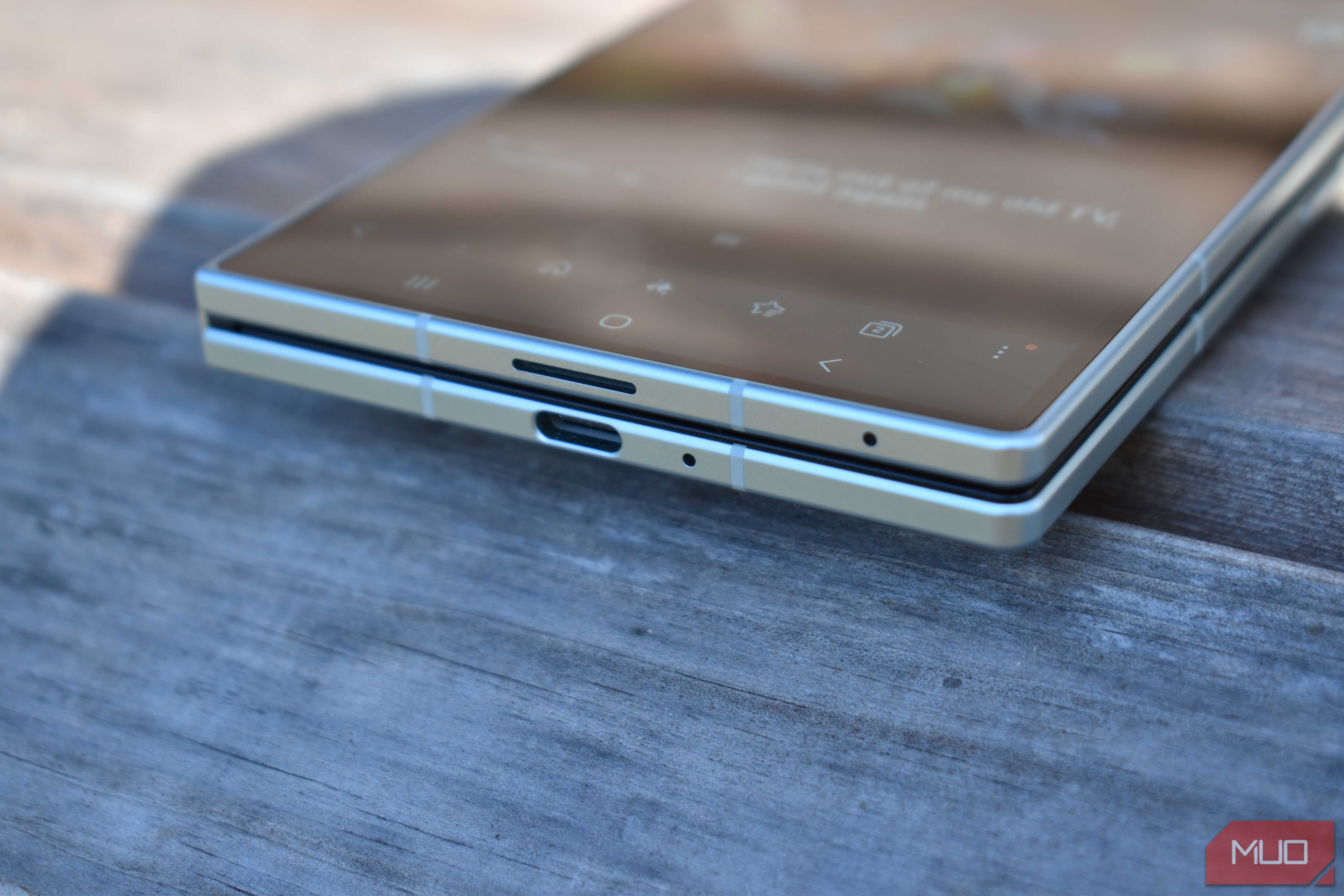
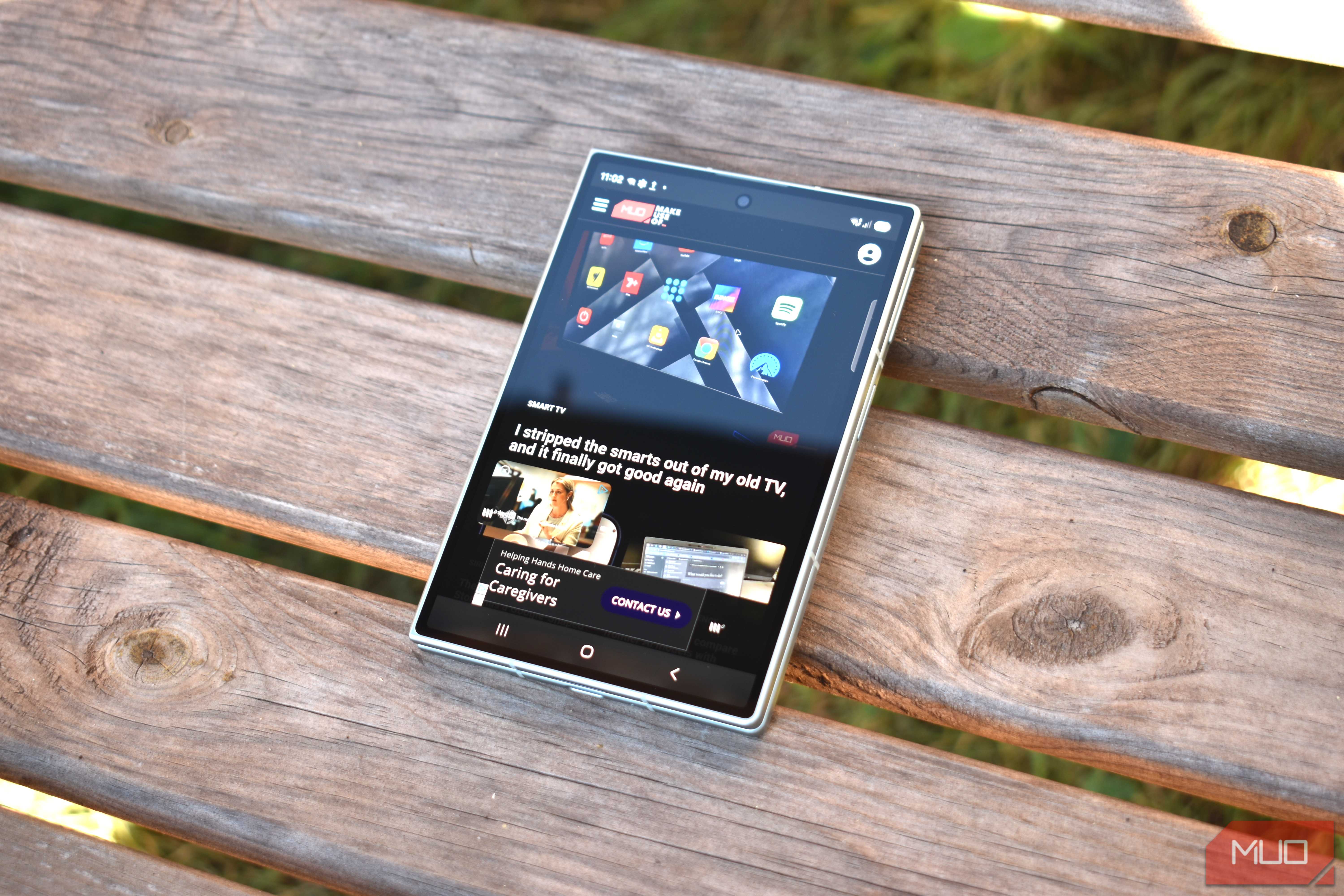
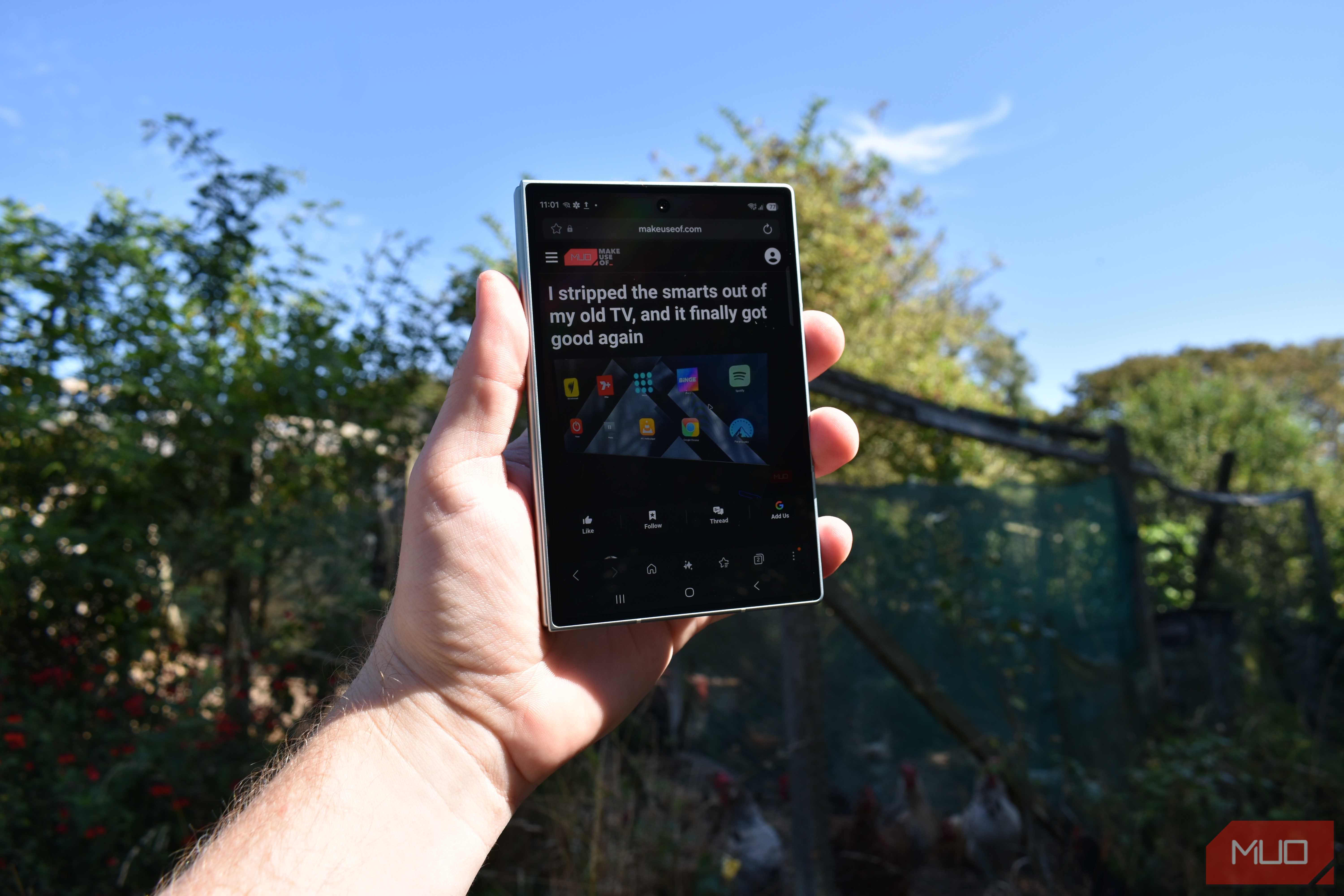
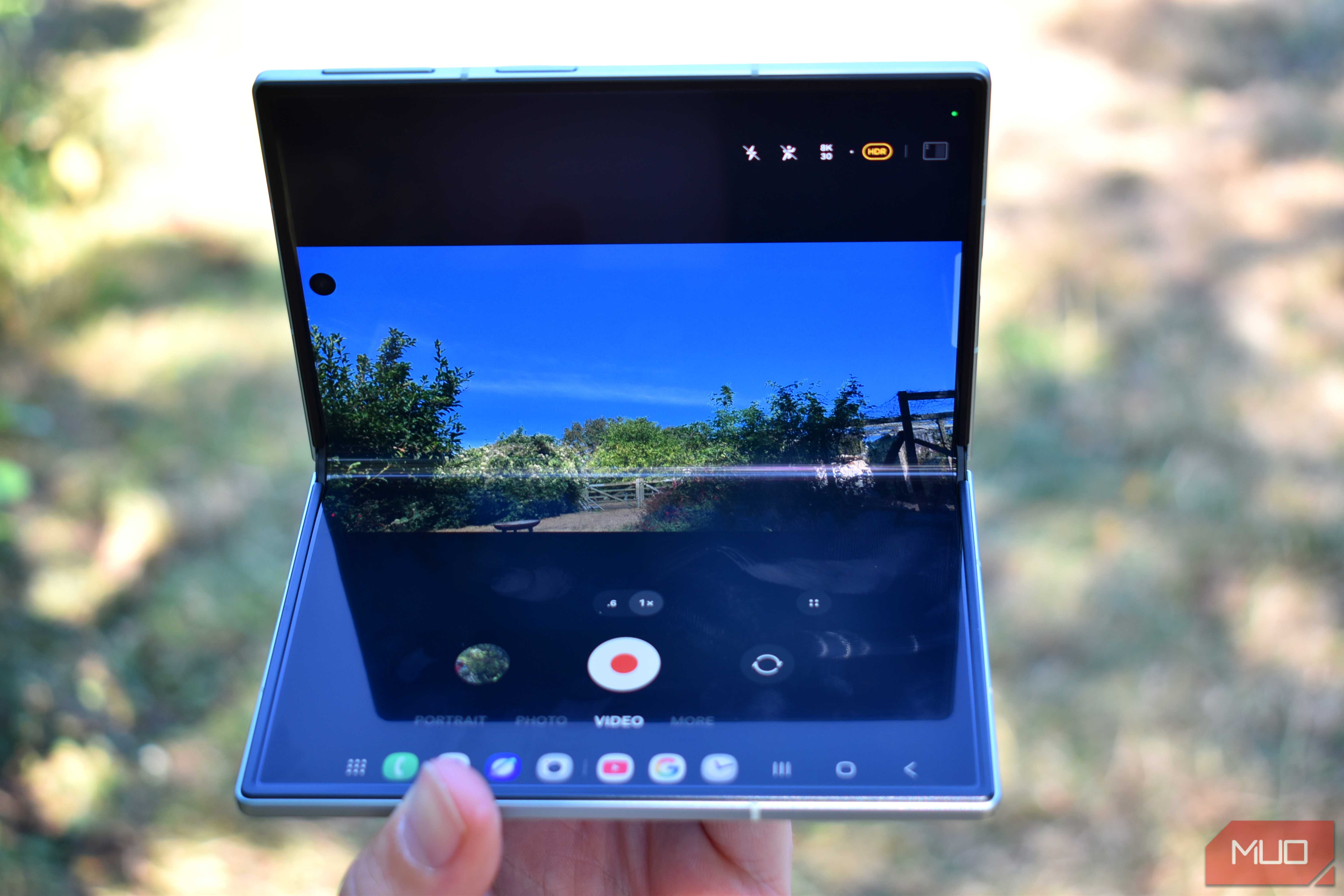

Every foldable phone bends its display along a hinge. That repeated bending creates a visible line down the center of the screen, the crease. It's been there since the original Galaxy Fold in 2019, and it's there on the Z Fold 8 too.
To address this, Samsung introduced Flex Titanium on the Z Fold 8, a titanium alloy film and plate layered beneath the display. On day one, the results are impressive, and the crease is nearly invisible. Compared to the Z Fold 7, the improvement is immediately noticeable, and Samsung deserves credit for the progress.
However, the crease problem still exists. First, running a finger across the display still produces the same bump-dip-bump sensation as the Fold 7. The hinge design itself hasn't changed this generation. Flex Titanium is a visual fix, which makes the crease look better, but it feels identical.
Second, and this is the bigger issue, the crease becomes visibly more pronounced after about a week of regular use. The crease-free appearance you see on day one is a temporary illusion. The anti-reflective coating can make things worse, too, because the distortion in the reflection becomes more obvious when you hold the phone against a harsh light source.
Rivals already fold flatter
OPPO and Honor proved the physics allows for near-creaseless folds


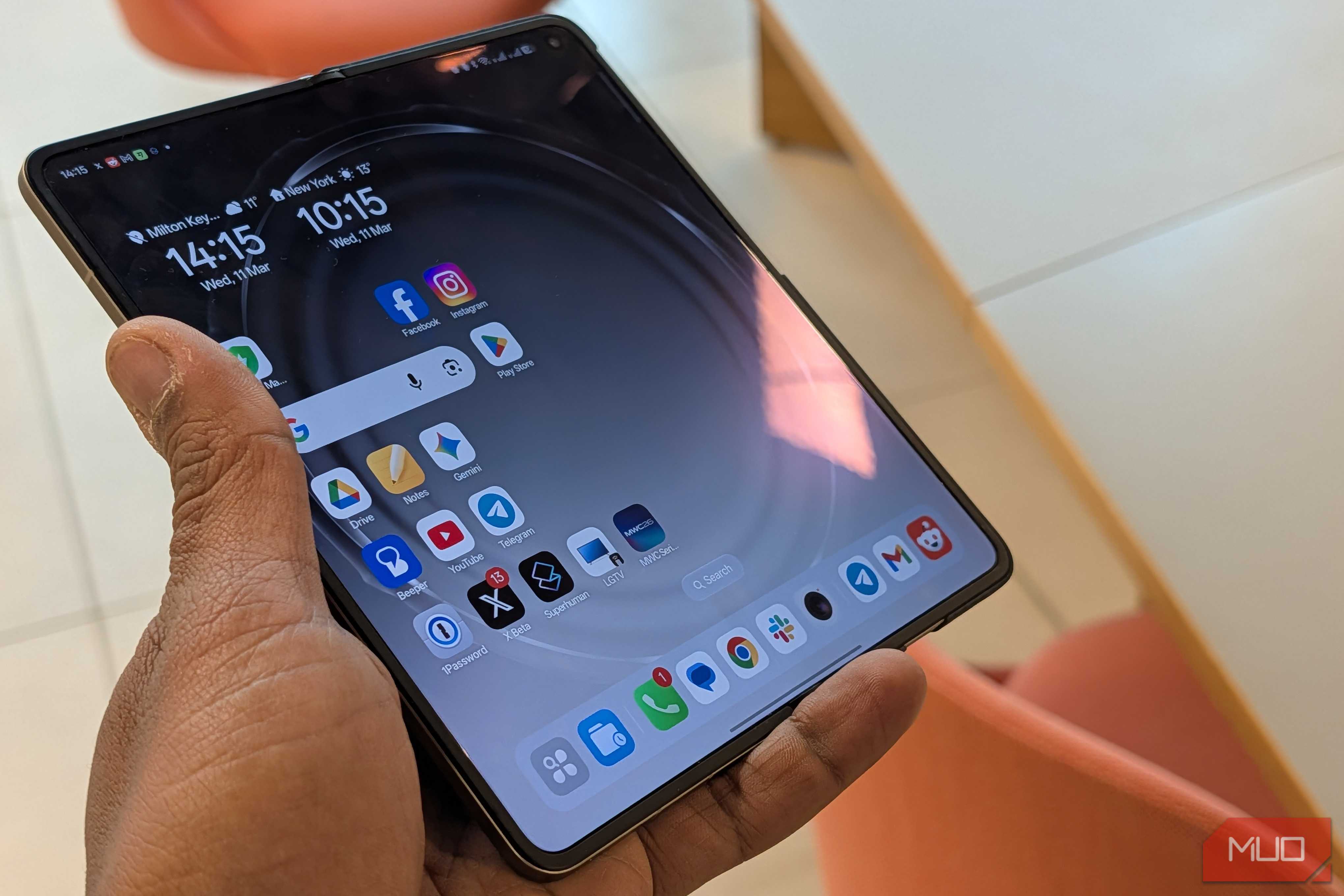
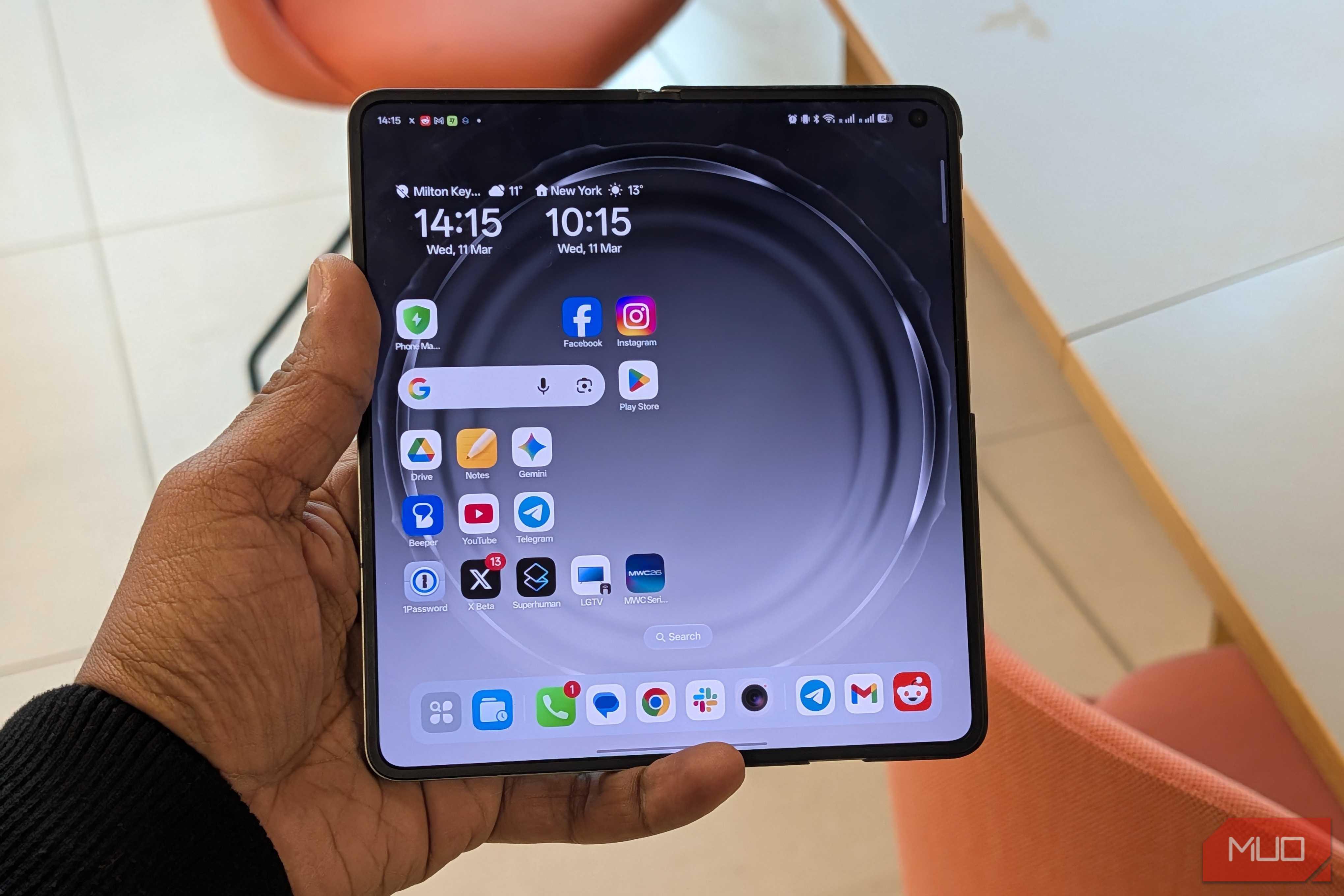
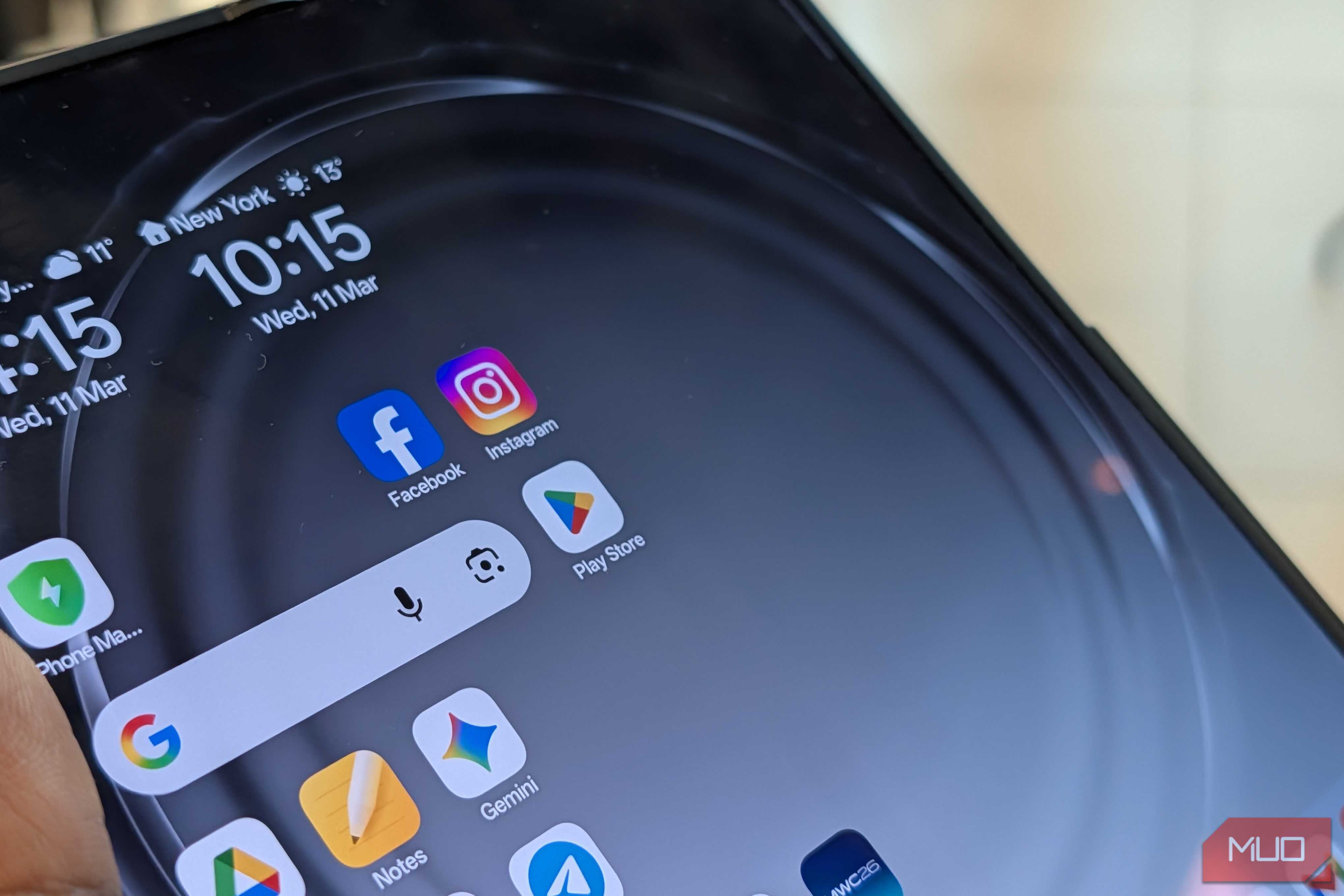
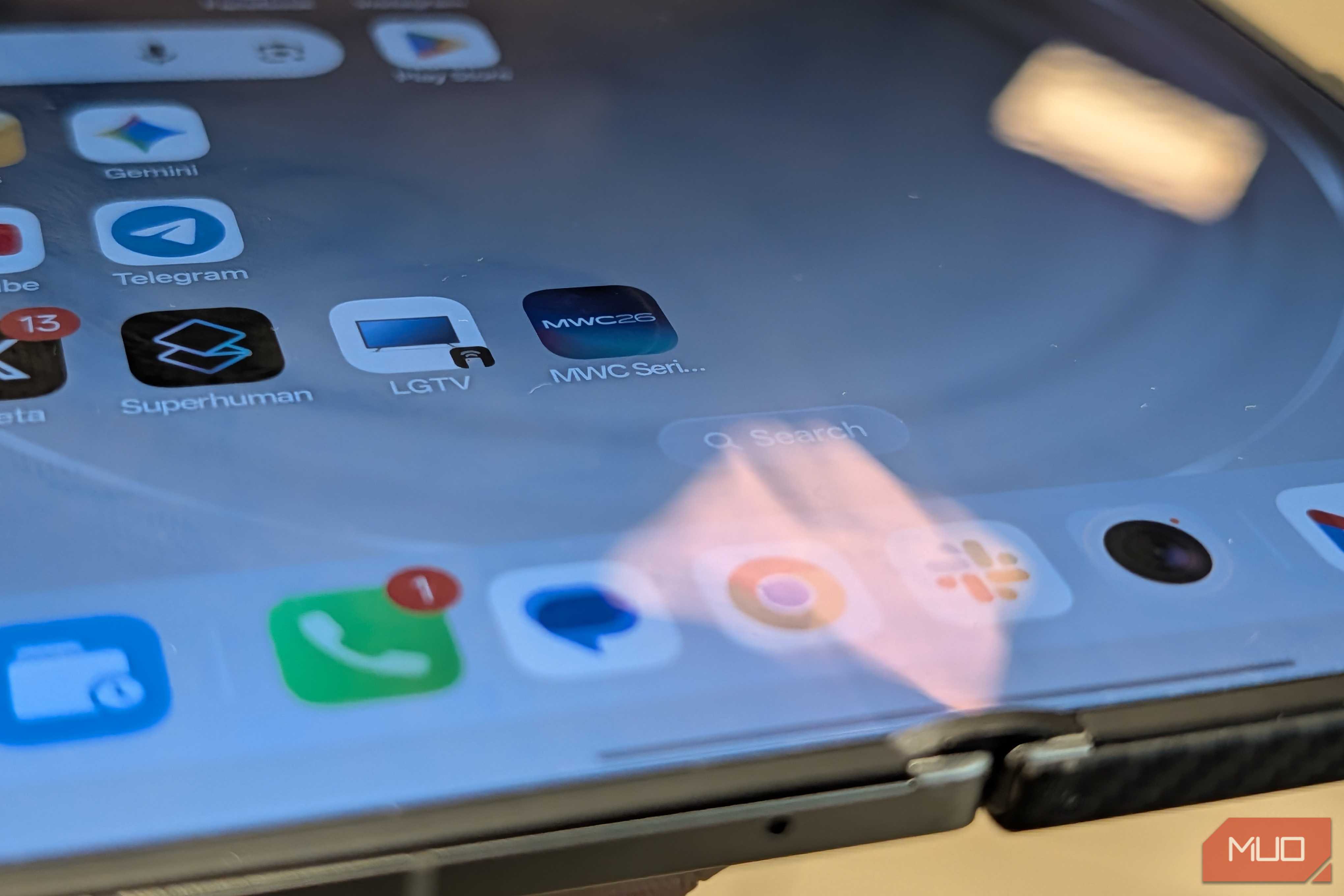
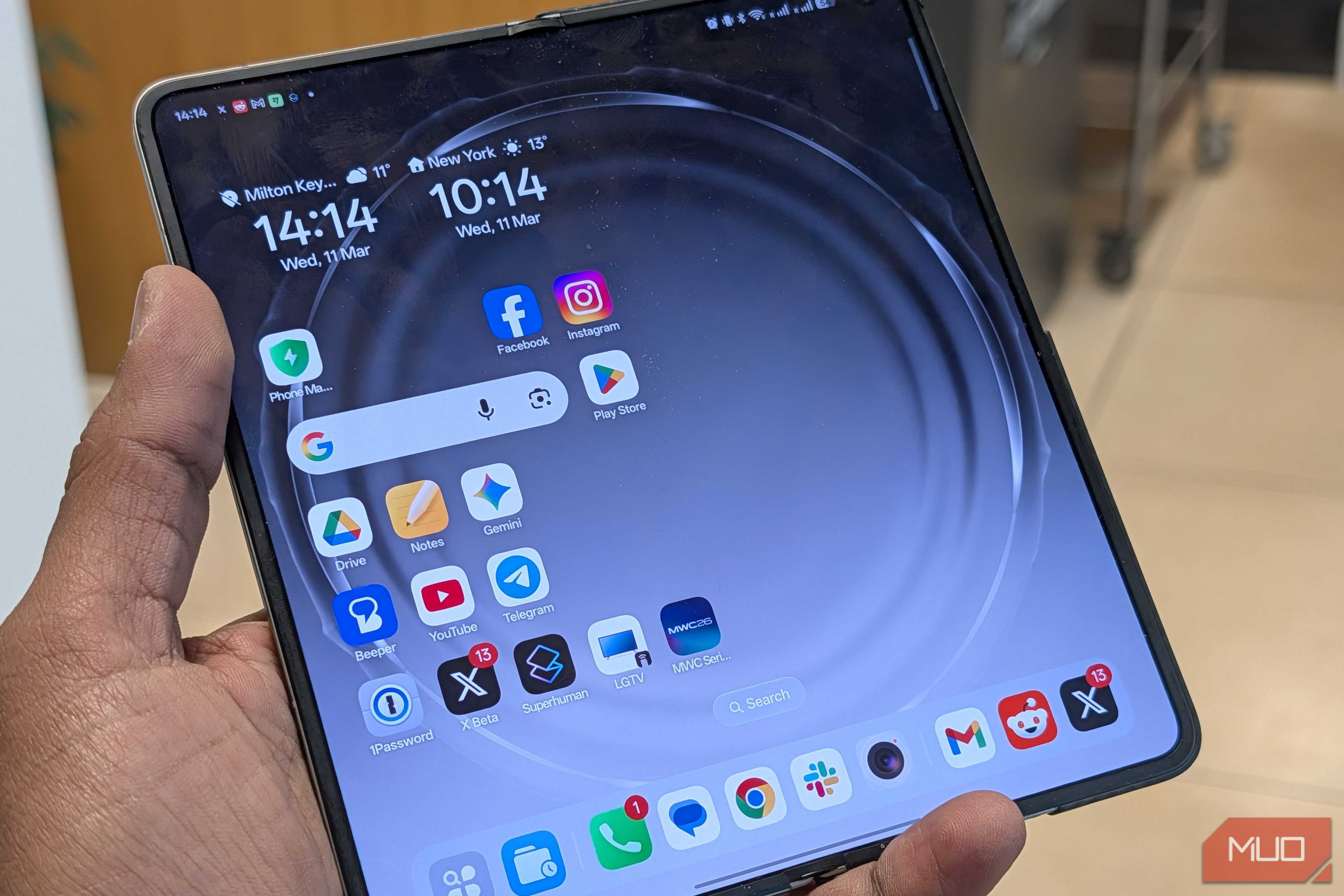
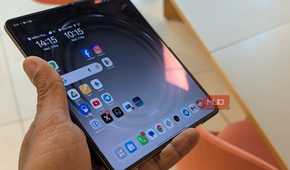
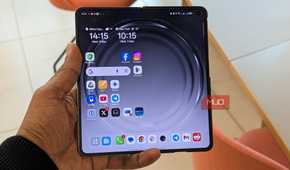
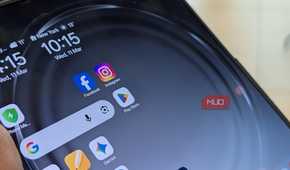

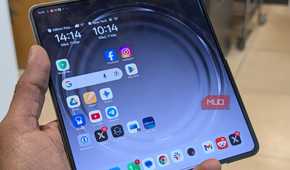
Two competitors in particular have proven the crease is more solvable than Samsung's pace suggests.
The OPPO Find N6 is the current gold standard when it comes to a crease-less foldable. OPPO achieved what it calls a "Zero-Feel Crease," the world's first foldable display where the crease is almost invisible to touch and essentially invisible to the eye. They did it with a 2nd-generation Titanium Flexion Hinge that uses 3D liquid printing to smooth out microscopic surface irregularities. Each hinge goes through more than 20 cycles of laser scanning, printing, and UV curing to bring the surface variance down to just 0.05mm. OPPO has been refining this approach across every Find N generation since 2021. A four-month-old Find N6 still has a shallower crease than a two-week-old Z Fold 8 Ultra.
The Honor Magic V6 is close behind. The fold is practically invisible in regular use unless you hold the phone at very specific side-on angles. It's the kind of foldable where you can forget you're using one.
While impressive, the OPPO Find N6 and Honor Magic V6 don't exist for most Western countries. Limited regional availability is a real constraint, and Samsung doesn't have that problem. OPPO and Honor have proved that near-creaseless folds are physically achievable today. So Samsung has no excuse for being behind on the engineering, especially when its own display division already had the technology. Samsung now faces real competition in the US foldable market too, so the pressure is building from all sides.
Physics isn't Samsung's real problem
The crease persists because of business decisions, not hardware limitations

Yes, bending a display creates a crease, and there's no dispute about the actual physics. But Samsung's crease likely persists because of business decisions, not physical constraints, and the evidence is hard to ignore.
Samsung Display (the display subsidiary) and Samsung Electronics (the phone division) are separate entities. Samsung Display showcased a creaseless panel on a foldable phone at MWC 2025. Then at CES 2026, Samsung Display showcased a new foldable OLED that appeared completely crease-free, featuring a laser-drilled metal plate that distributes stress more evenly during folding. That's more aggressive engineering than what shipped in the Z Fold 8.
It was rumored that this creaseless display could also appear on Samsung's Galaxy Z Fold 8, provided Samsung's mobile division was willing to pay the premium. That's the tell. Samsung Display had the creaseless tech. Samsung's mobile division chose a cheaper approach, Flex Titanium instead of the full laser-drilled plate, because it was a cost decision. Samsung even removed the creaseless panel from its CES booth shortly after the initial demonstrations, likely to avoid awkward questions when the Z Fold 8 launched with something less impressive.
And now, Samsung is rumored to be developing center-etched thin glass (CTG) for the Z Fold 9. CTG works by thinning only the central folding portion of the cover glass while keeping the surrounding display thicker, so the screen folds easier without sacrificing structural strength.
Samsung will eventually fix the crease problem; we just don't know when
The Galaxy Z TriFold already showed Samsung can push boundaries when it wants to. The crease should be next. With Apple's foldable iPhone reportedly using Samsung Display's own laser-drilled panels, Samsung's mobile division may soon find itself in the strange position of supplying its biggest rival with better display technology than it puts in its own phones. If that doesn't force Samsung's hand, nothing will.