


SD cards are great for when you need extra storage, whether that's in a content capture device, security camera, handheld gaming system, some phones (though the selection of phones with a microSD card slot is limited nowadays), or other product that accommodates them. When you're looking to buy, you might want to get one with the fastest possible speed, especially since SD cards are insanely fast right now. But not every device supports the fastest speed, which is where you need to be careful.
Just like getting a 60W charger for a phone that only supports up to 45W charging, using a faster memory card in a device that can't support its speeds will simply cap out at its limit. It should still work, however, so you'll never know. But in actuality, you're paying for something you can't even use.
The fastest SD card speed
microSD Express is here!

Currently, the fastest SD card speed for consumer products is the microSD Express. Effectively, the cards can read and write data more quickly than others because they use both PCIe and NVMe interfaces. UHS-I bus speeds with higher speed cards are up to 50 MB/s, UHS-II up to 156MB/s, and UHS-III bus up to 312MB/s. That's a pretty marked difference. For devices that involve video, V90 represents a minimum write speed of 90MB/s compared to slower V60, V30, V10, and V6 options. These speeds are most useful for devices like drones and action cameras.
microSD Express cards can reach read speeds of up to 985MB/s, depending on the specs and classes, using thermal controllers to keep them cool and prevent overheating. Naturally, they make the most sense for products that require a lot of bandwidth storage, power, and quick streaming. Using one in your old point-and-shoot camera, then, won't yield any benefits. It's one of the mistakes to avoid when buying a microSD card.
Device support is limited
Handheld gamers, listen up


 Credit: Ben Stegner/MakeUseOf
 Credit: Ben Stegner/MakeUseOf
 Credit: Ben Stegner/MakeUseOf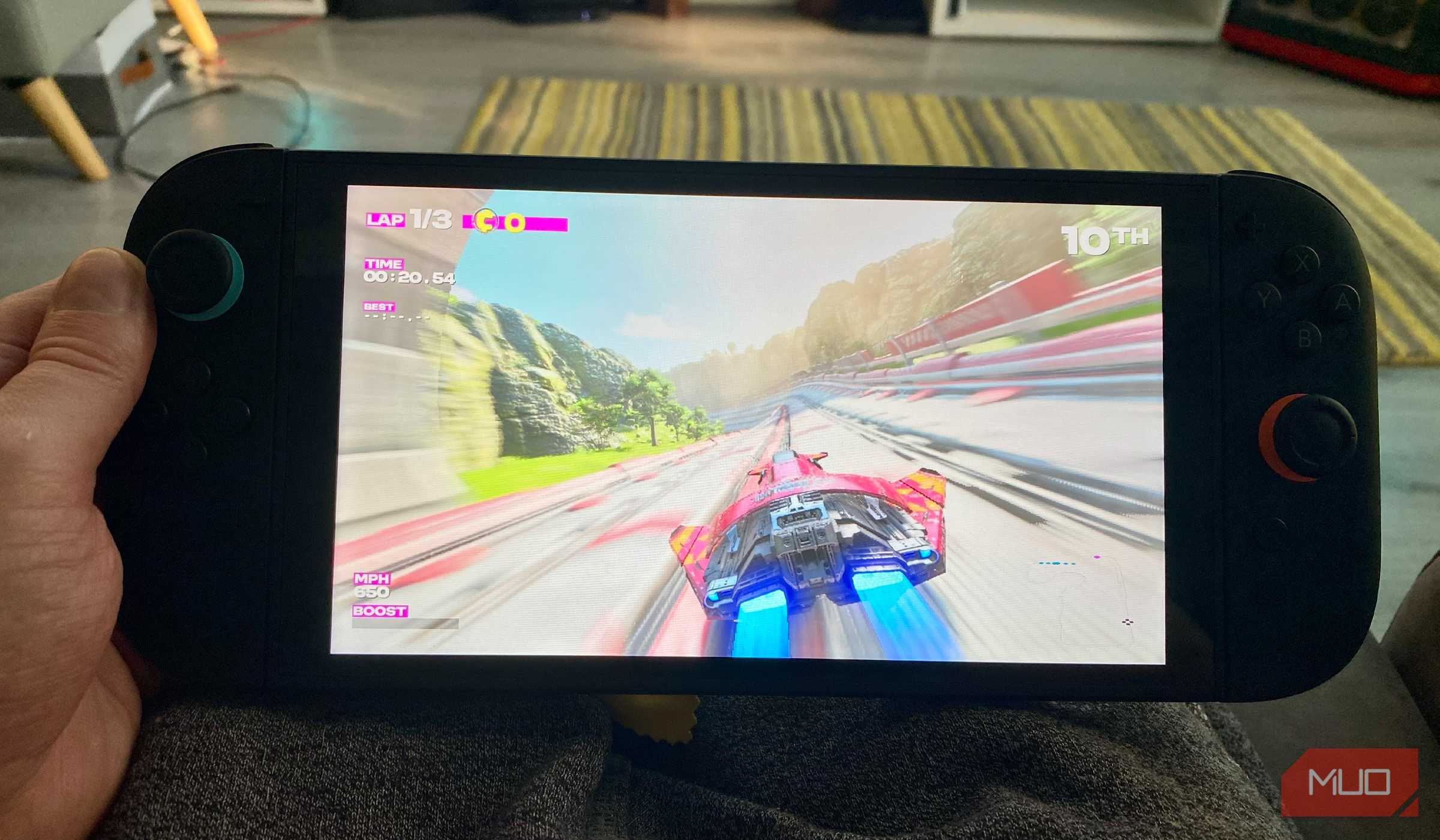
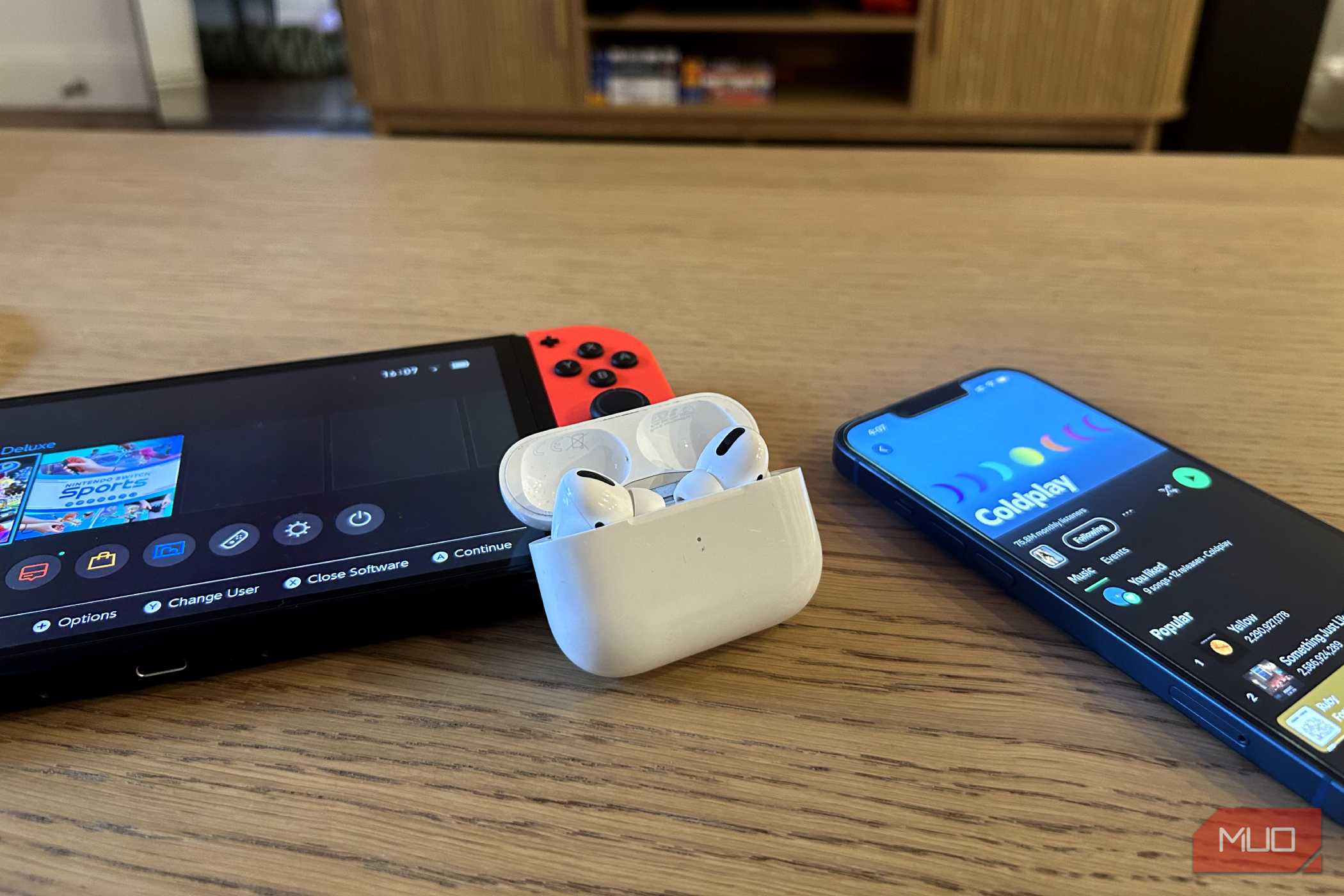
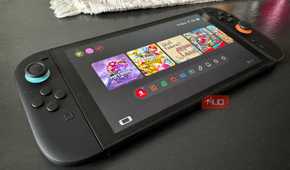
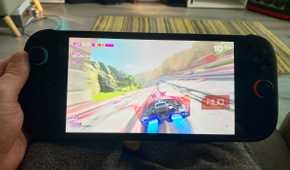
Despite SD cards getting faster, there's little point in investing in one unless your device supports it. Currently, the most known mainstream product that supports microSD Express cards is the Nintendo Switch 2 handheld gaming console. In fact, it's the only card that will work with the console. It's important because when you store extra games on the card, you want them to load quickly. With these cards, games load almost as quickly as if they were in the device's internal storage, making the gaming process seamless while allowing you to store a wide collection of games on separate cards.
It's also theoretically useful for constant data streams, like while using a content capture device to shoot 4K or even 8K footage. This can eliminate pesky issues like frame drops and stutter that can impact your video quality. For photographers capturing RAW footage on a DSLR or other device, these rapid speeds can also make file transfer a breeze. However, there aren't any consumer cameras on the market yet that support microSD Express. So, while you can use these cards right now, you aren't leveraging the speeds you think you are.
Check your device first
Be informed and don't overbuy

So, when you see a great deal on a microSD Express card, it might be worth picking one up to future-proof the investment for when you upgrade equipment that supports its speeds. But those aren't here in droves just yet. If you have a Nintendo Switch 2, that's definitely a reason to buy. But for other devices, check what speed and card type it supports and follow that guide instead of overpaying for something you can't use. For example, I'm using the DJI Osmo Pocket 4 gimbal camera right now, and it can accommodate a microSD card at V30 or higher or UHS-I U3. But its read and write speeds top out at 250MB/s and 150MB/s, respectively. The ASUS ROG Ally handheld gaming system will work with microSD Express cards, as will most other devices. But you revert to slower speeds when inserting one, not the top speeds the card is capable of.
So, while you'll find microSD Express cards on the market already from top brands like Lexar, Samsung, and SanDisk, you don't need one yet unless you have a Nintendo Switch 2. You could buy one in anticipation of future products that support it, which will likely include devices like drones and other cameras, especially if you find good deals. But right now, stick with what the device is capable of, so you aren’t overpaying or thinking you're getting speed benefits you aren't.

Lexar 512GB Play PRO microSD Express Card
The Lexar Play PRO microSD Express microSD memory card is a UHS-1 V30 card that offers up to 900MB/s, making it compatible with the Nintendo Switch 2 as well as other handheld gaming devices like the ASUS ROG Ally and Steam Deck.