


Battery life is one of the top considerations for buyers considering a new smartphone, and there's no shortage of specs that tell you how a phone's battery will perform. The capacity of a phone battery is measured in milliampere-hours (mAh), and a phone's charging speed is described in watts (W). You might also see manufacturers quantify their phones' runtime by their maximum hours of video playback on a single charge. But none of these specs preview how your phone's battery will perform months and years down the road.
Instead, the most important battery spec is its rated cycle count. Smartphone manufacturers publish a rated battery cycle count, which sets clear expectations as to how many times your phone's battery can be completely discharged and recharged before it drops below 80% usable capacity. In other words, it's a preview of how your phone will handle battery degradation over time. You don't have to wait for issues to pop up years after your phone's warranty has lapsed to get a sneak peek at how it'll age.
The European Union's energy label database includes rated charge cycle counts for every smartphone sold in the region, and I combed through it to find the numbers for each flagship phone.
Samsung Galaxy phones have a long lifespan
Some flagships have batteries rated to last longer than the competition's
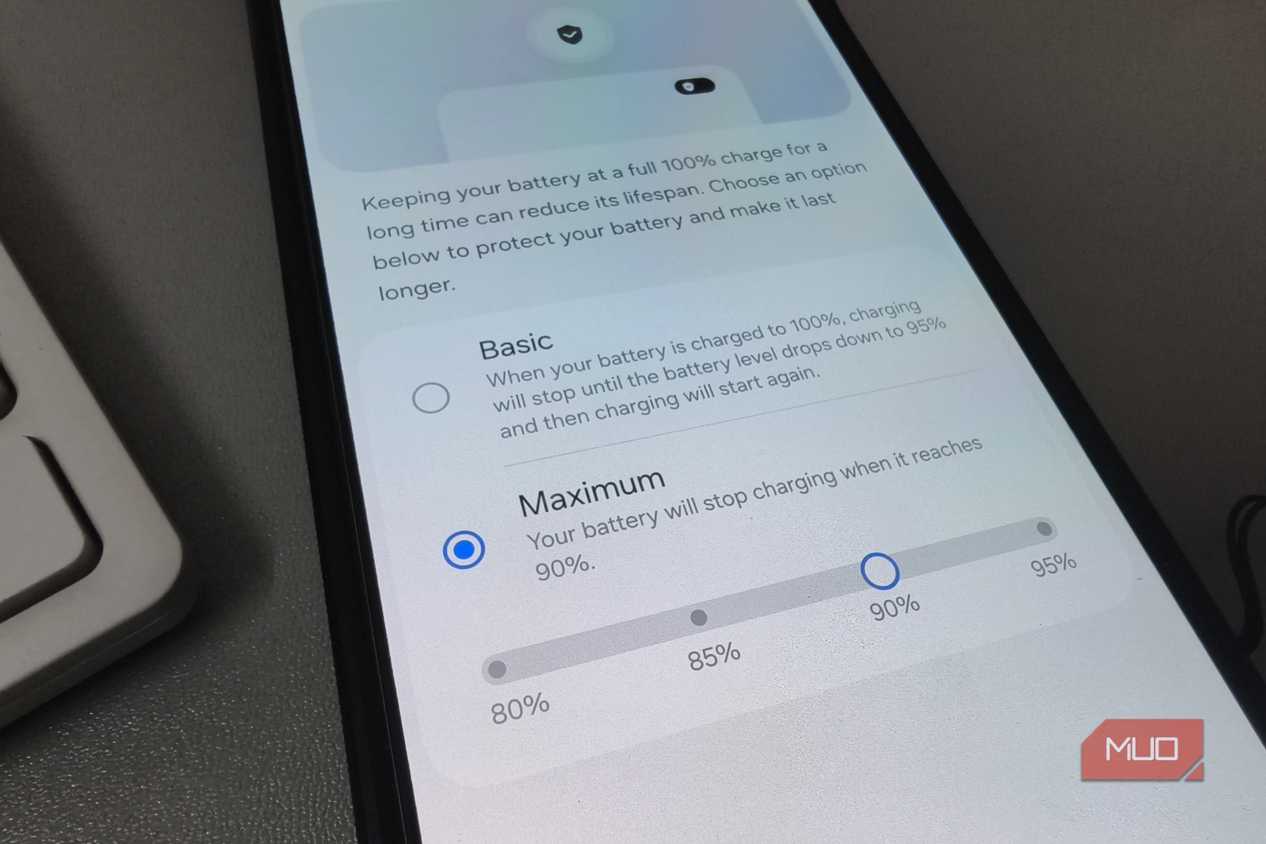


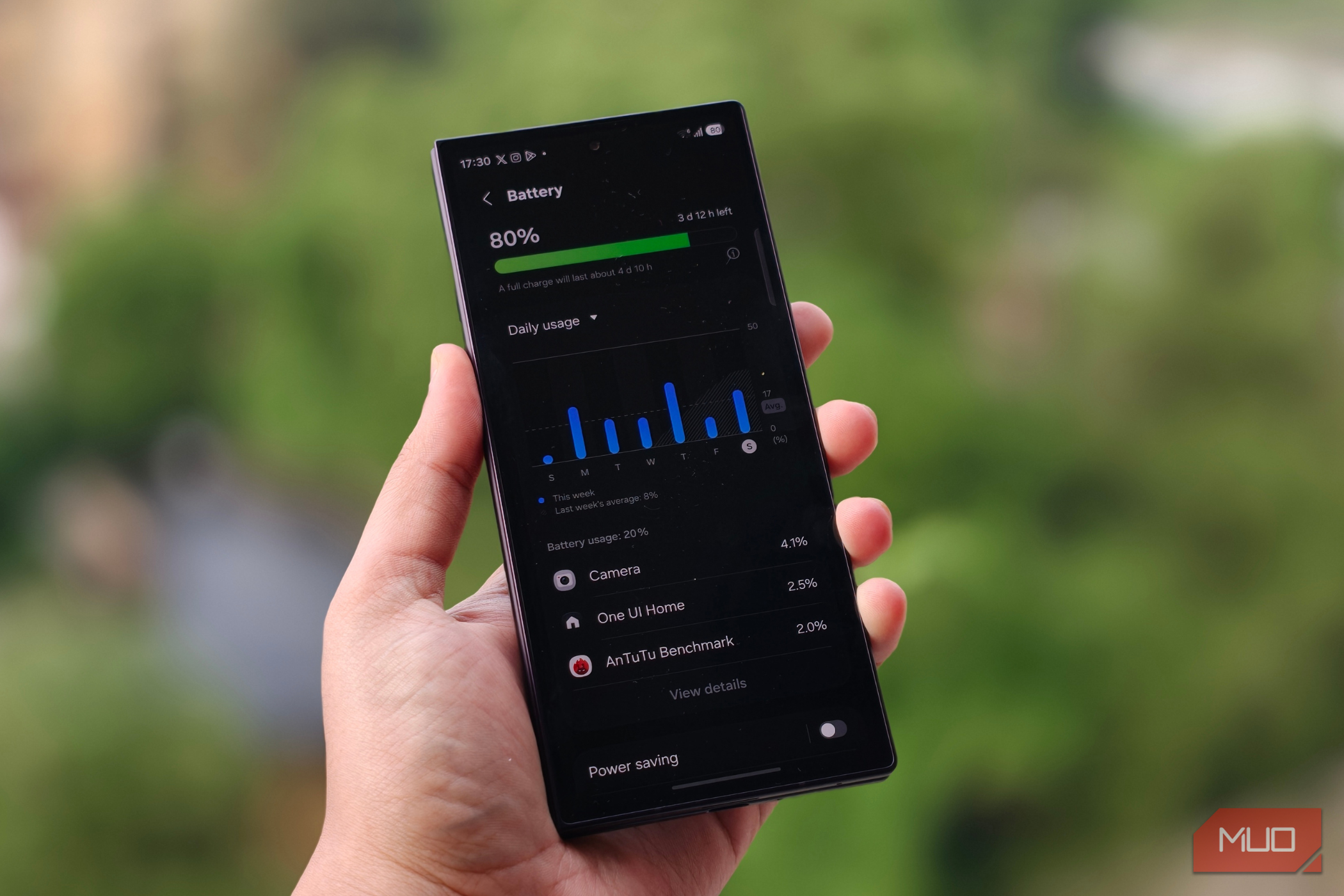
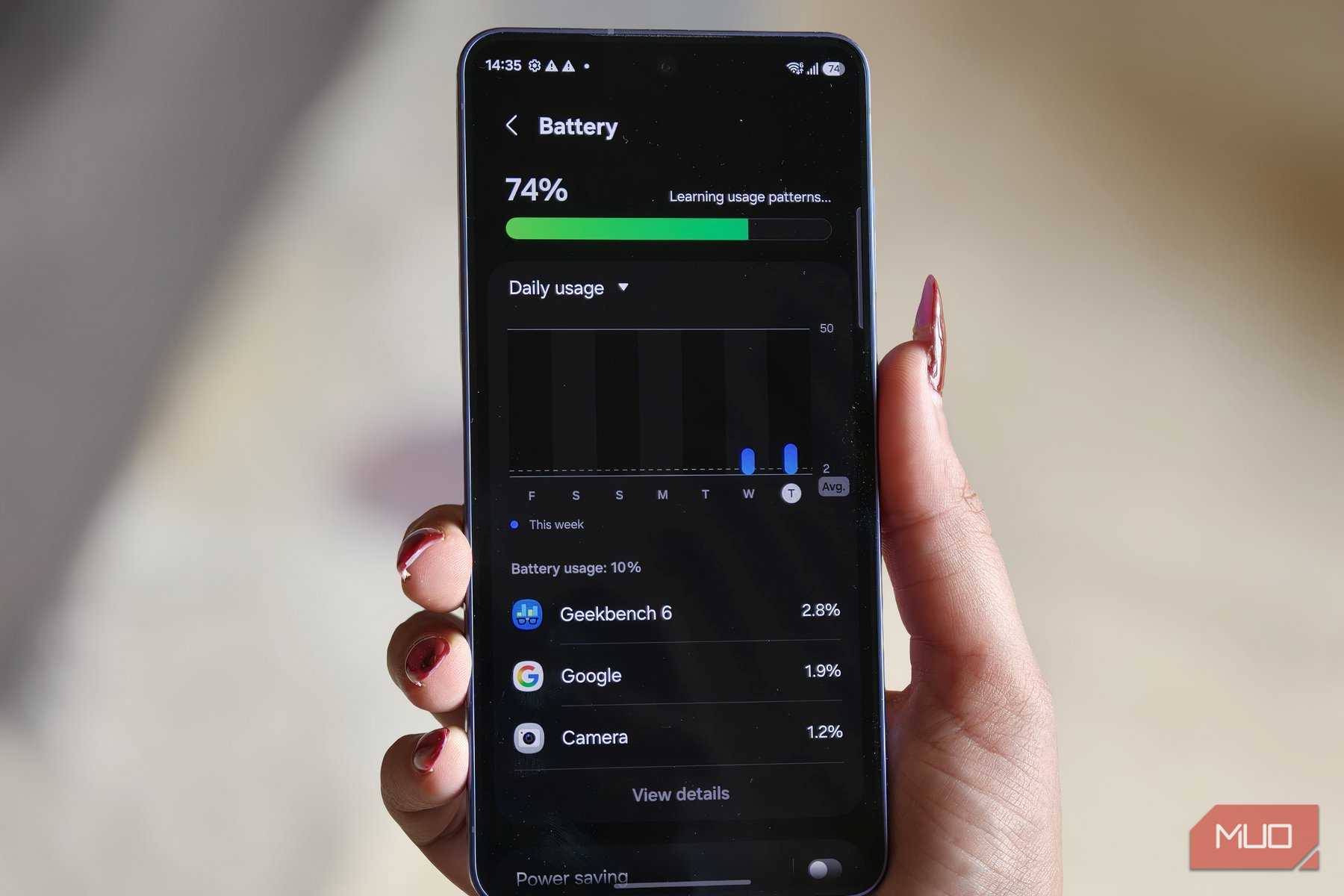
 Credit: Christine Persaud / MUO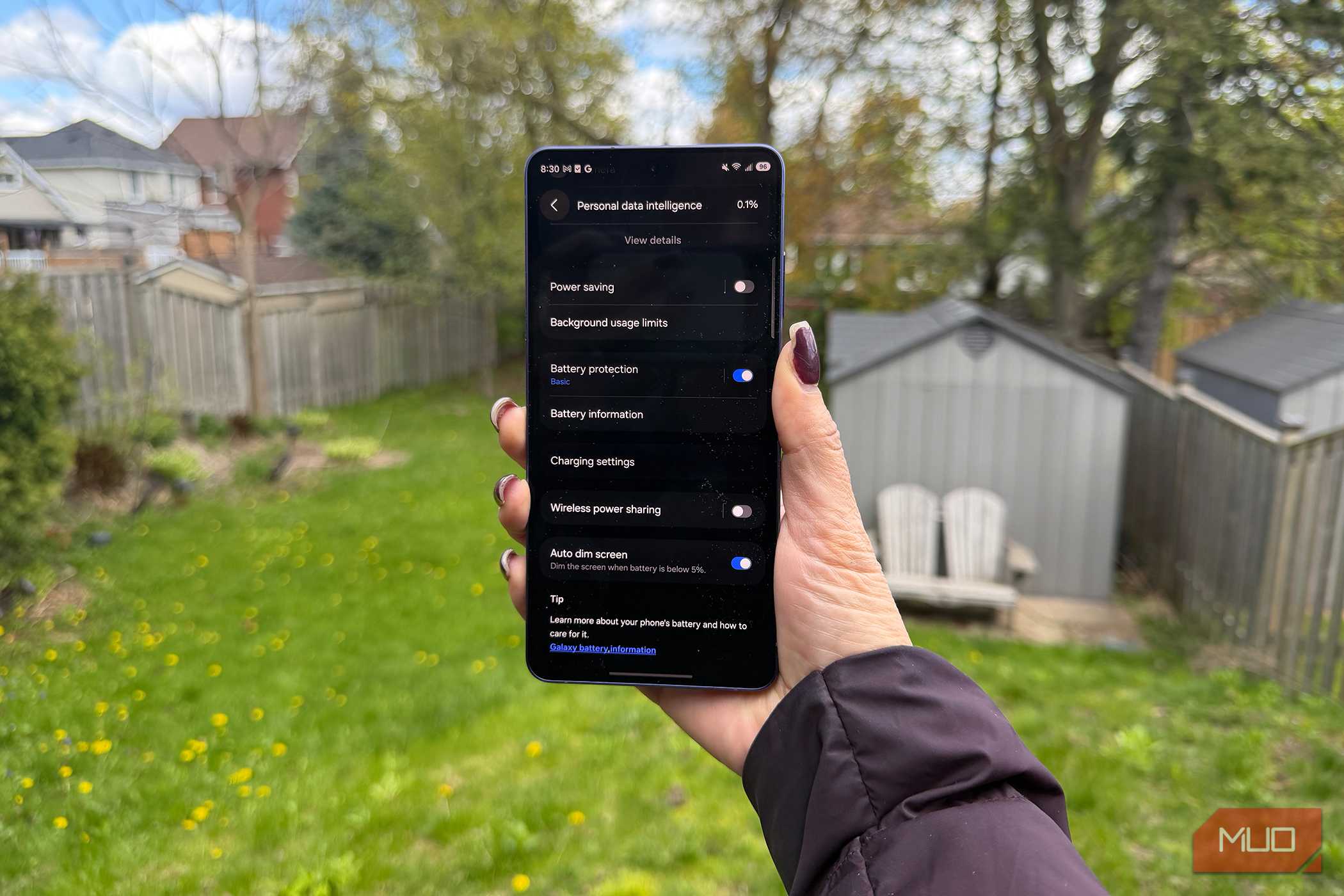
 Credit: Digvijay Kumar / MakeUseOf


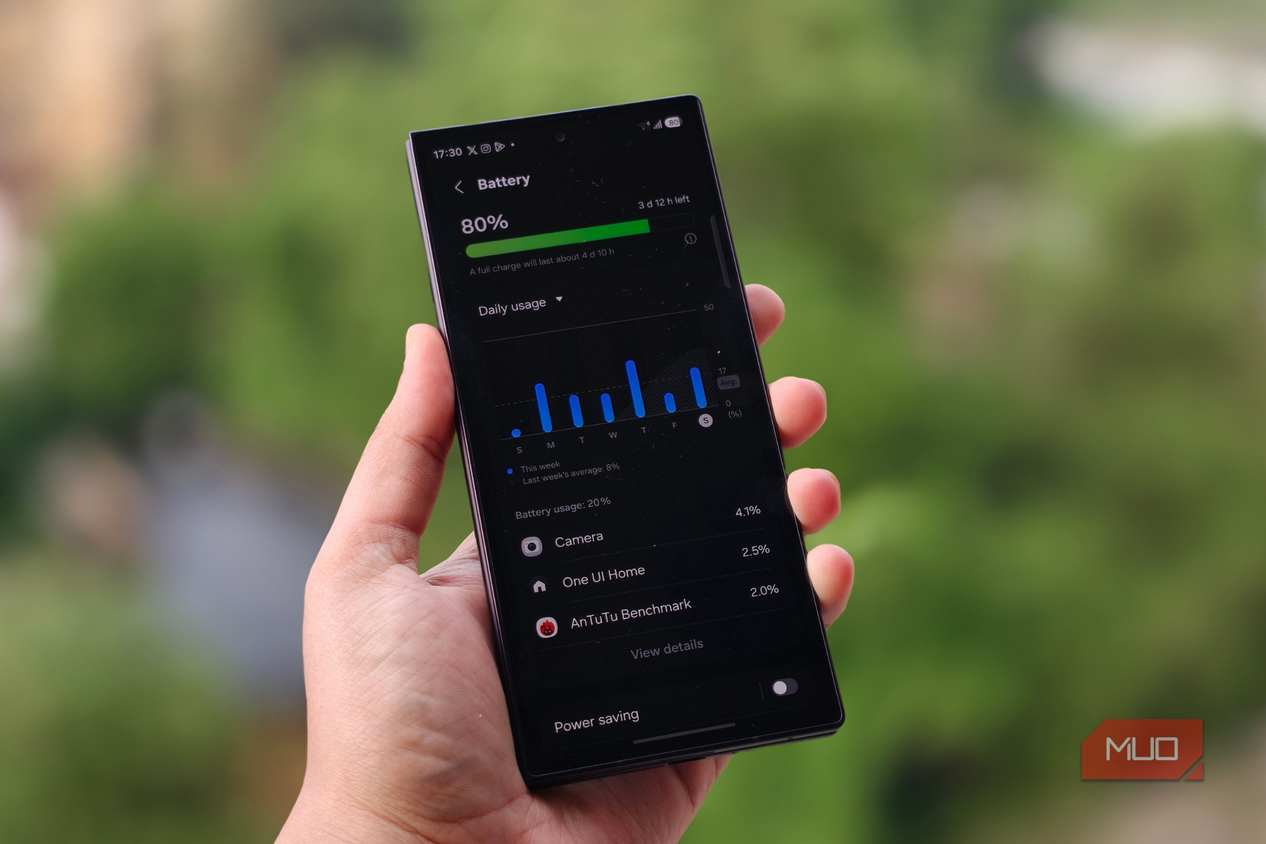
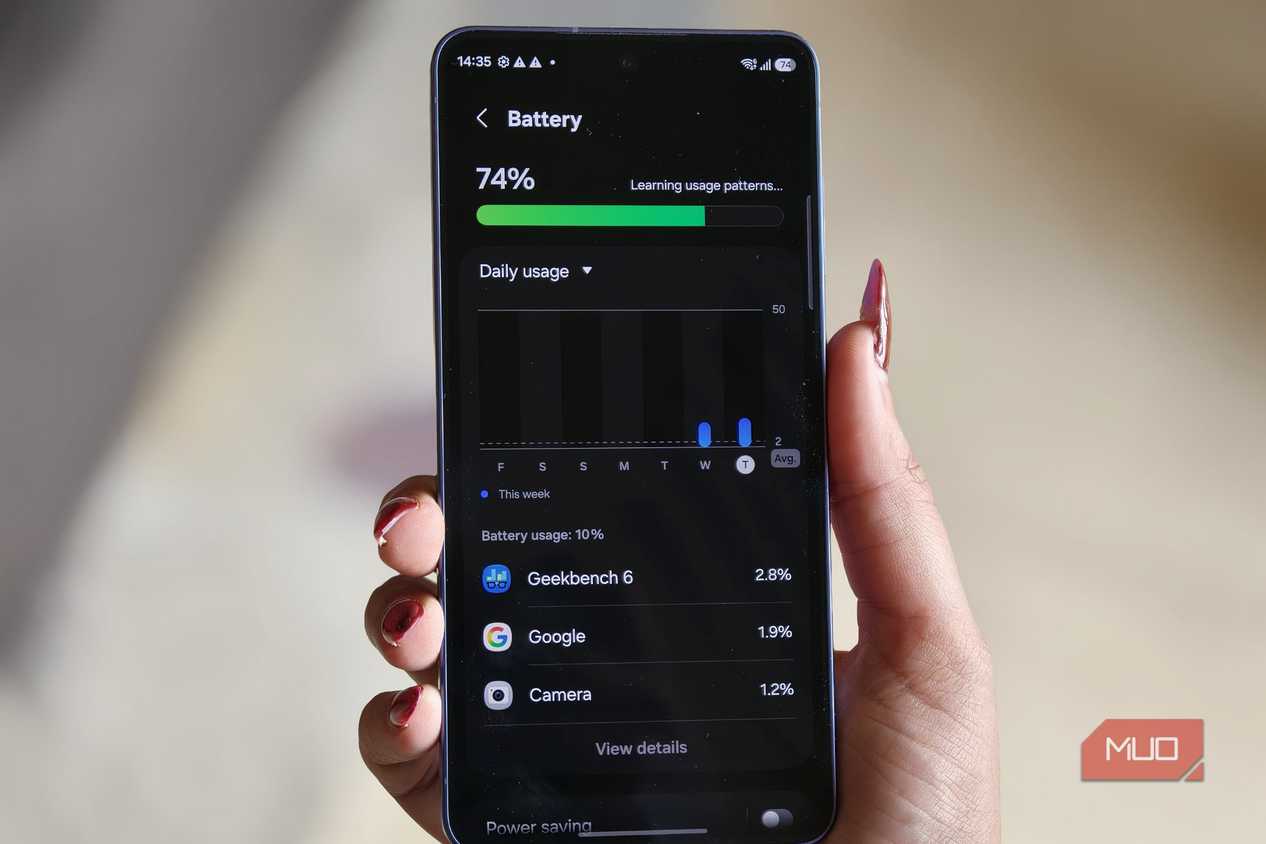
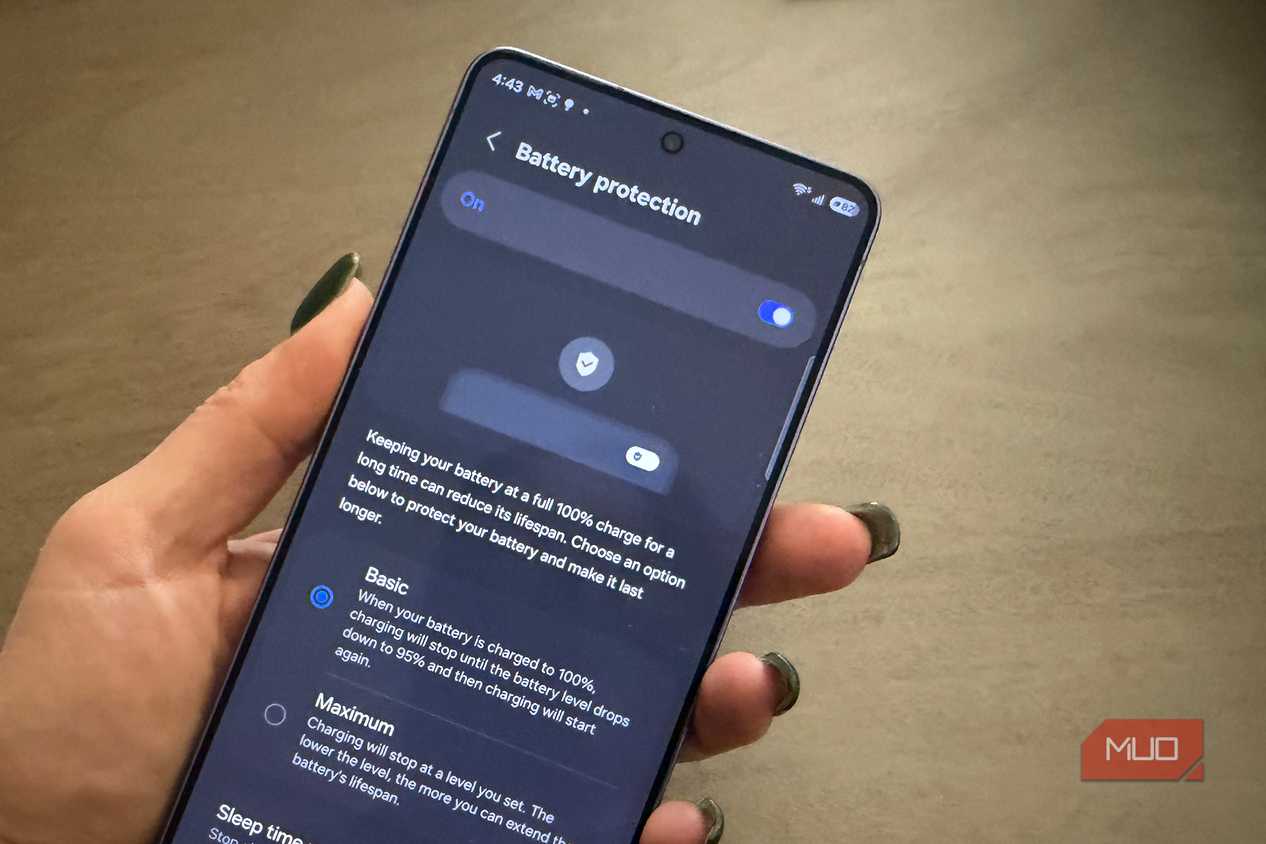
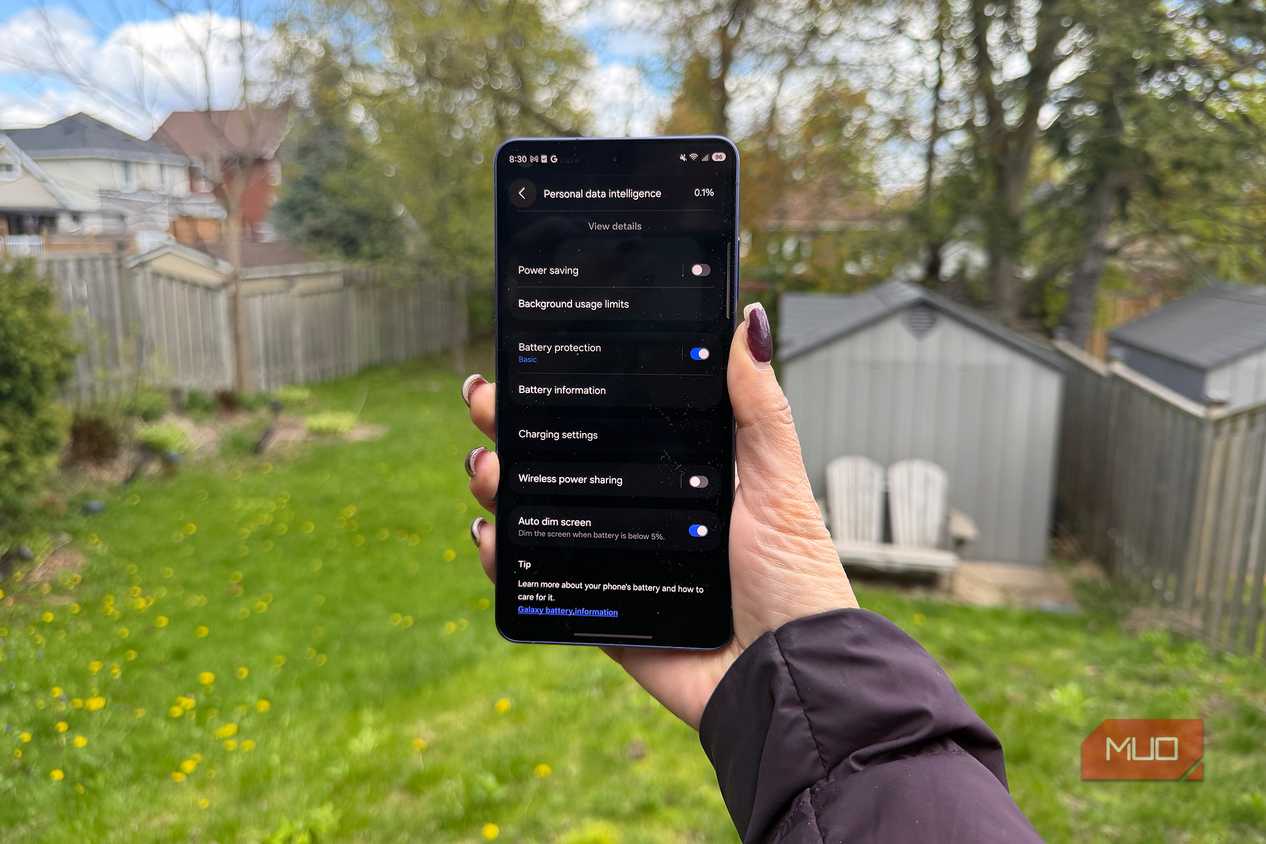
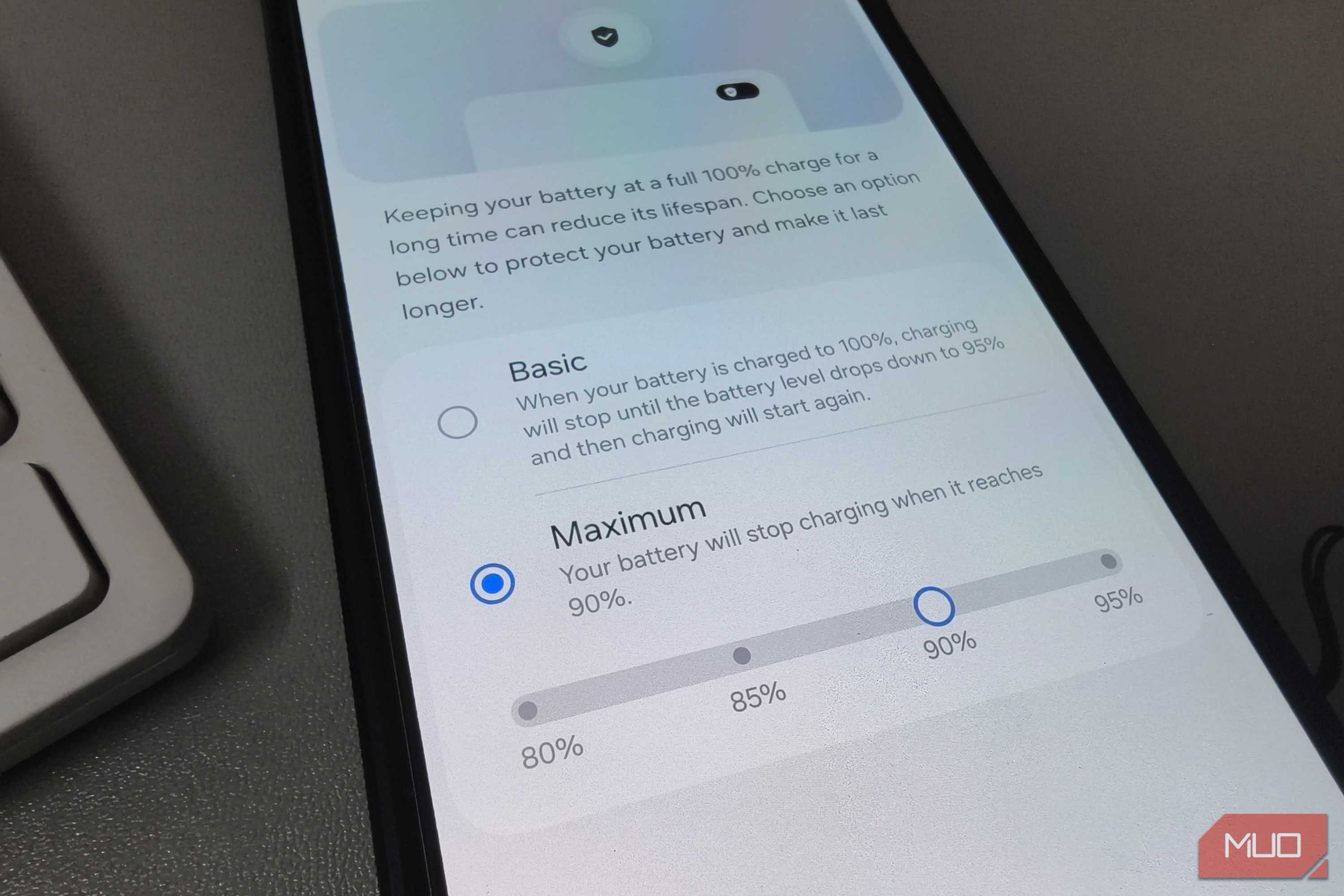
A year ago, I would've written that Samsung Galaxy phones offer the highest rated cycle counts of any flagship brand in the U.S. The entire Samsung Galaxy S25 series is rated for 2,000 cycles. In simple terms, Samsung claims that the Galaxy S25, Galaxy S25 Plus, Galaxy S25 Ultra, Galaxy S25 Edge, and Galaxy S25 FE should offer 2,000 complete charge cycles before falling to 80% of its original capacity.
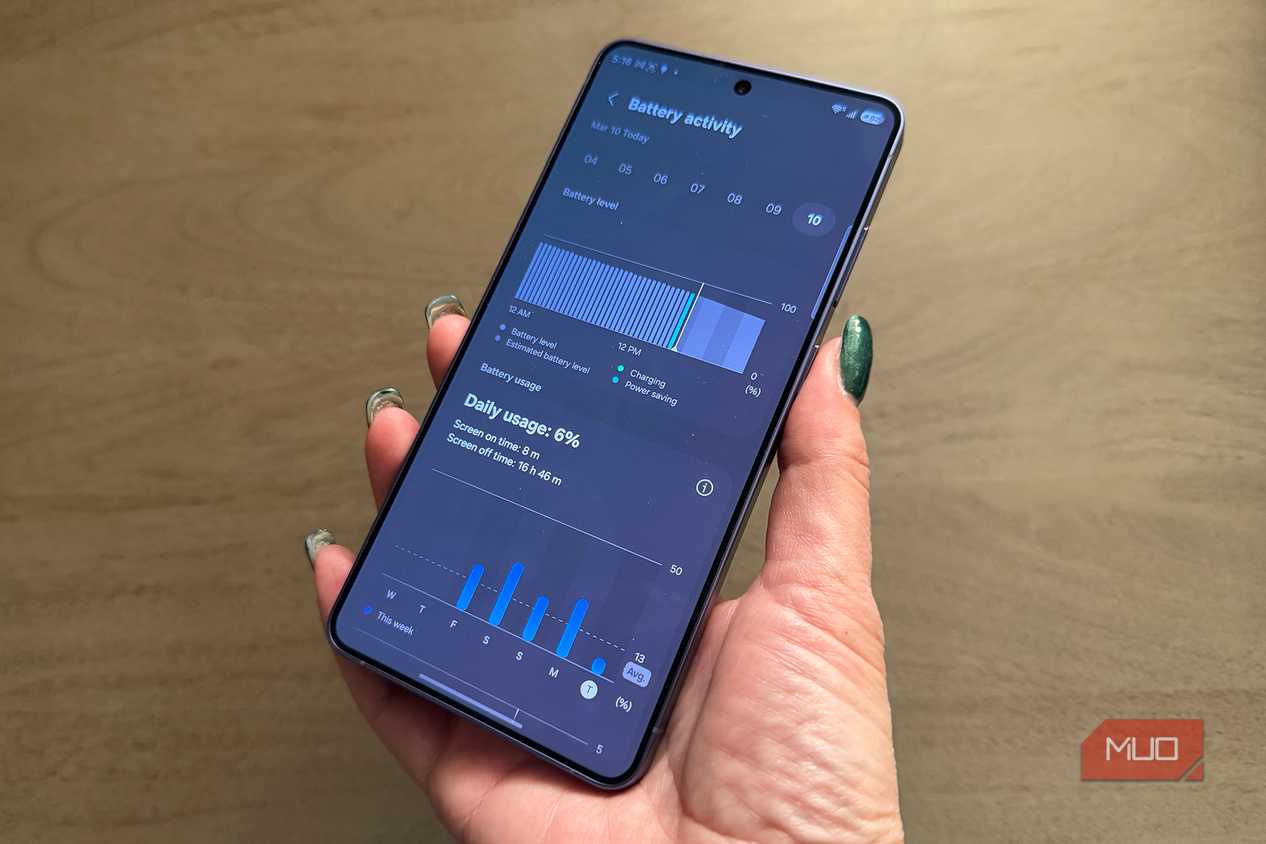
A charge cycle is a complete discharge from 100% to 0%, and a subsequent recharge from 0% to 100%. Your phone's charge cycle count is the number of times it has been completely charged and discharged. A charge cycle doesn't have to happen all at once — if you use half your phone's battery one day and the other half the next day, and recharge it, that constitutes one cycle.
Surprisingly, the new Galaxy S26 series brought a battery downgrade with it. Samsung rates the Galaxy S26, Galaxy S26 Plus, Galaxy S26 Ultra, and Galaxy S26 FE for 1,200 charge cycles. That's still higher than some other flagship phones, but it's 800 cycles less than the Galaxy S25 series that came before it.
The Samsung Galaxy Z Fold 8, Galaxy Z Flip 8, and Galaxy Z Fold 8 Ultra are all rated for 1,200 battery cycles as well. This is notable, because Samsung's 2026 trio of folding phones are the company's first to use silicon-carbon batteries. The regulatory filings suggest that you'll get the same expected lifespan from Samsung phone batteries regardless of whether they use traditional lithium-ion or silicon-carbon batteries. The new phones still have a shorter expected lifespan than the old ones, though.
Motorola, Nothing, and OnePlus phones impress
Despite their small US presence, these brands' batteries are long-lasting






 Credit: Brady Snyder / MakeUseOf
 Credit: Brady Snyder / MakeUseOf
 Credit: Brady Snyder / MakeUseOf
 Credit: Brady Snyder / MakeUseOf
 Credit: Brady Snyder / MakeUseOf





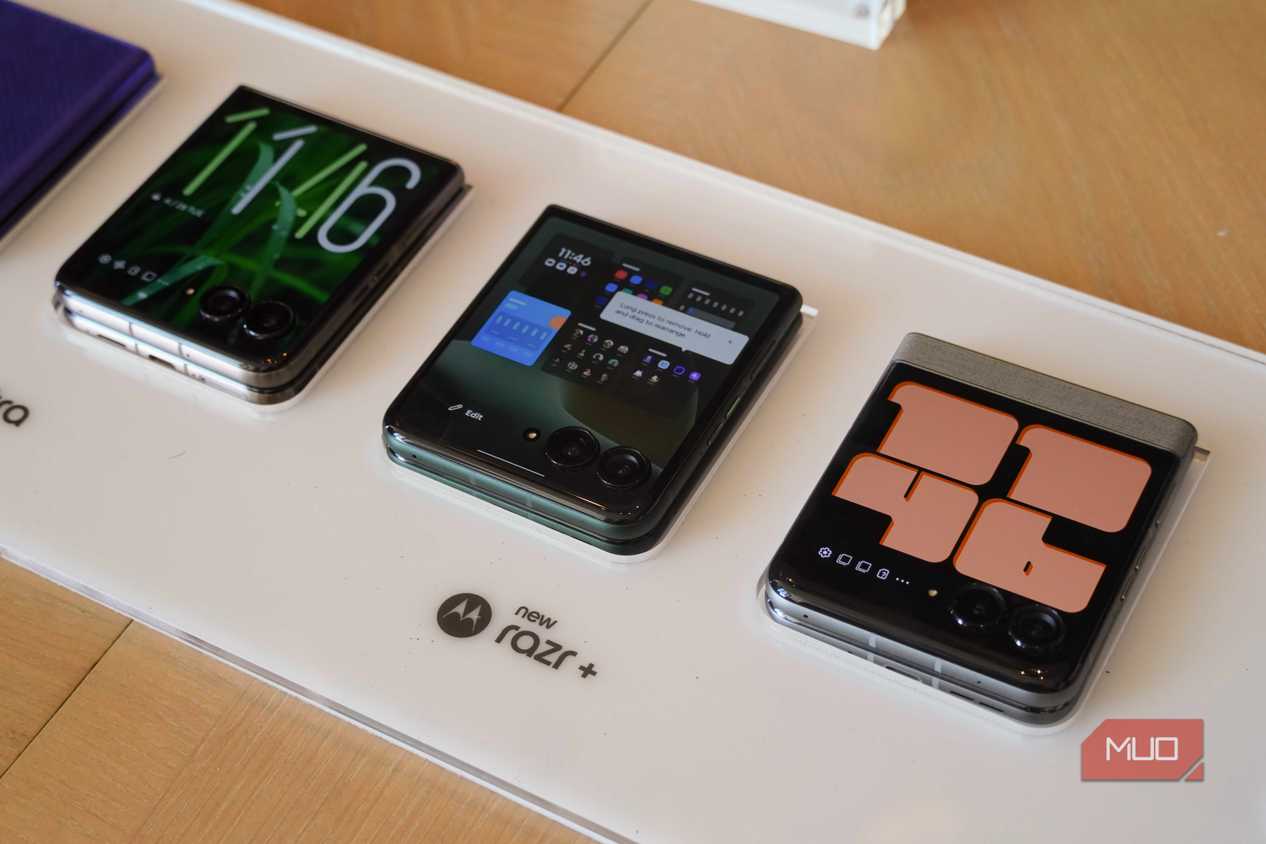
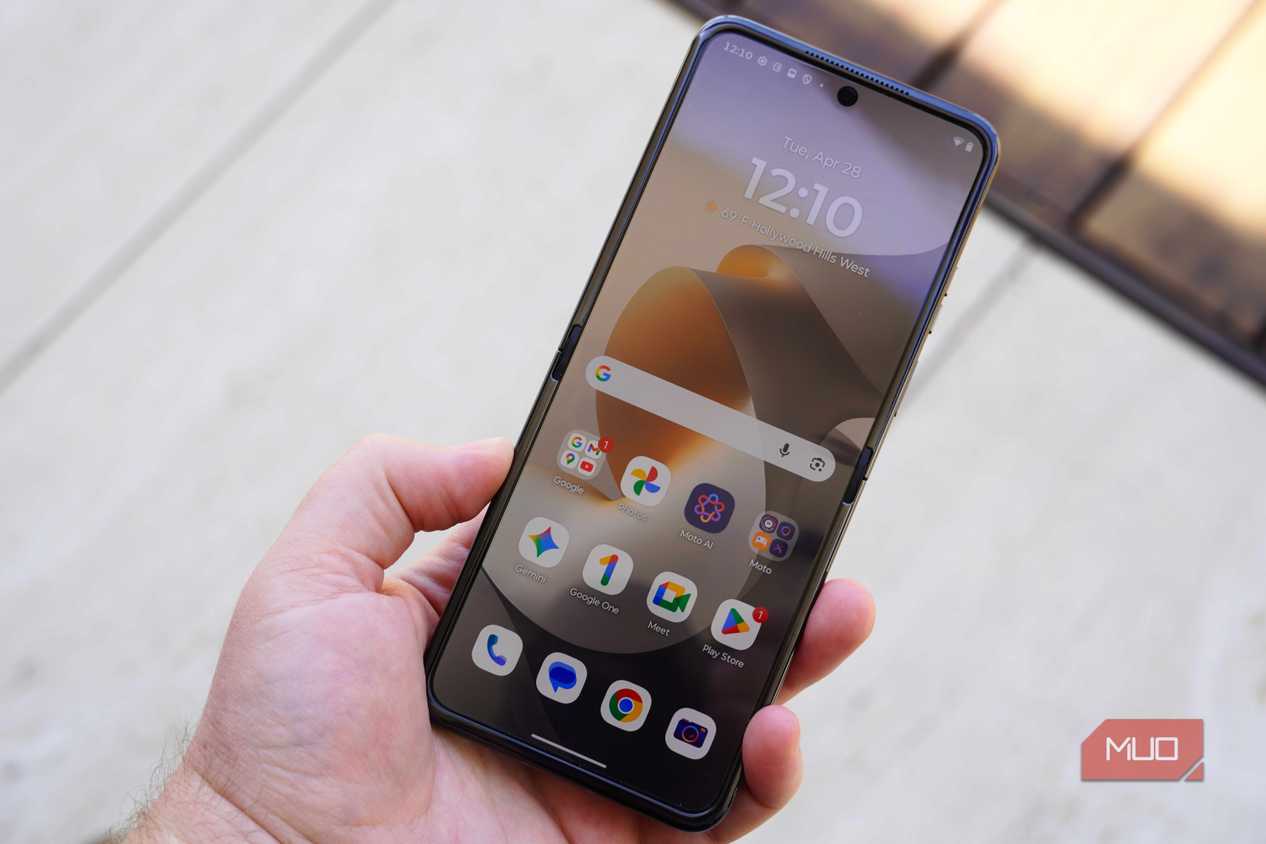
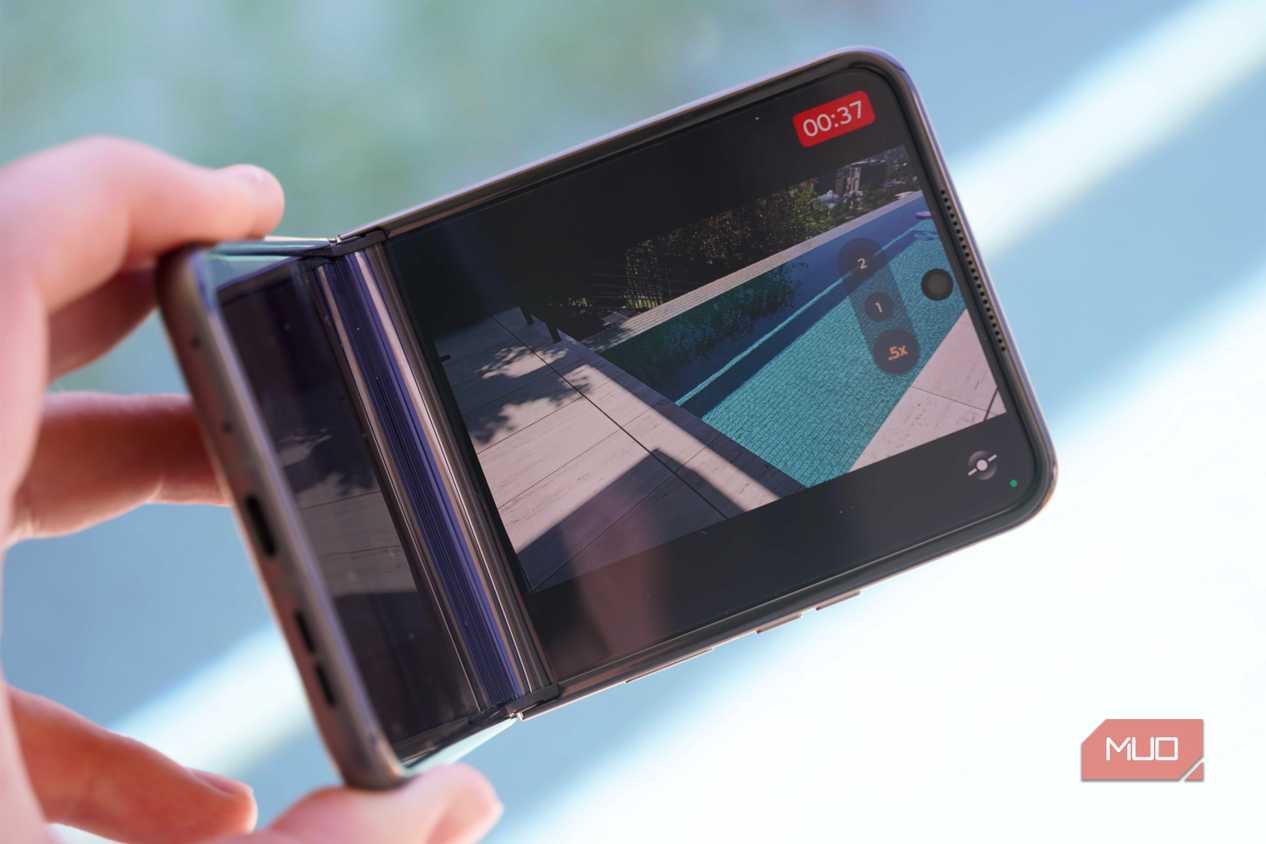
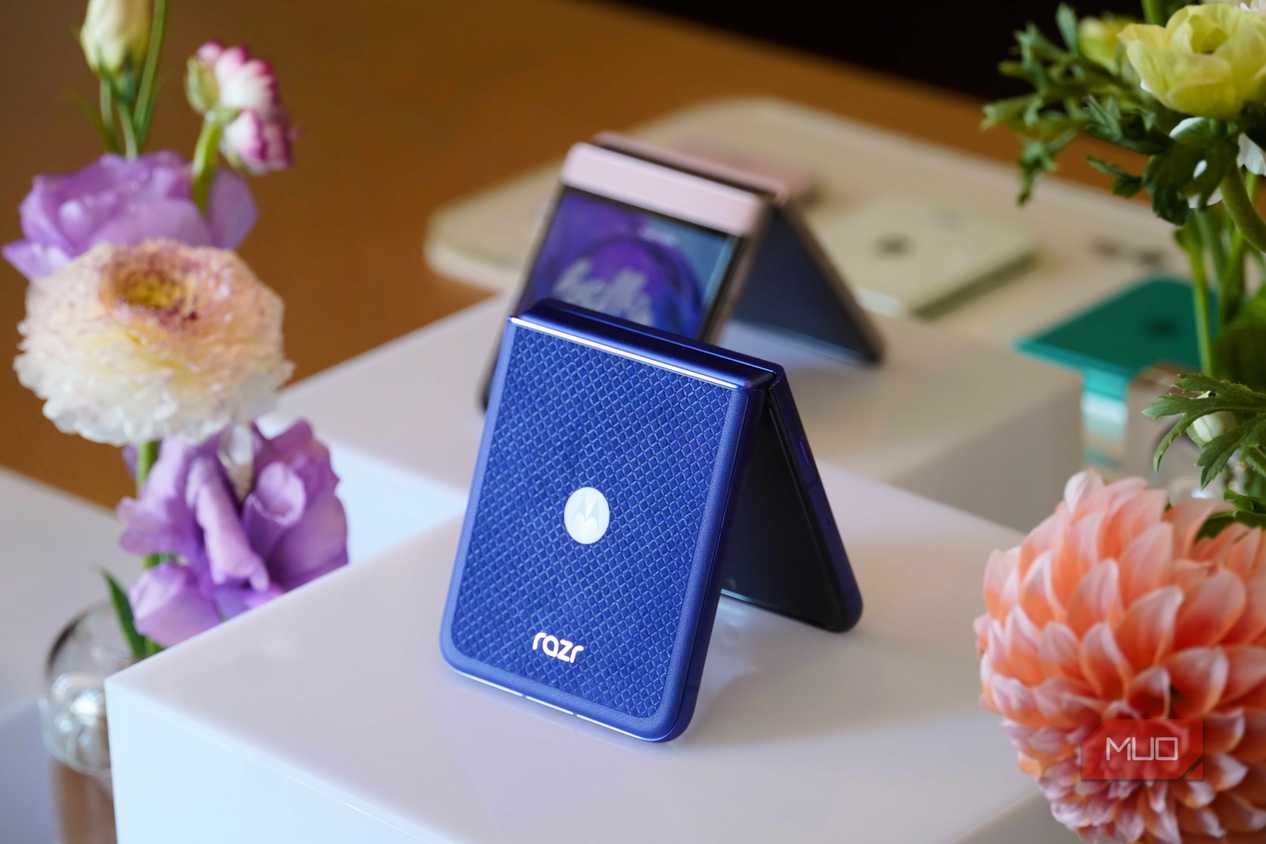
Motorola's recent flagships are rated for the same 1,200 charge cycles as Samsung's latest phones. Specifically, the bulk of the Motorola Edge 70 series is expected to retain 80% capacity through 1,200 cycles, and the same goes for the Razr Fold and Razr Ultra 2026. There are some exceptions, like the Motorola Edge 70 Fusion, which is a midrange device rated for 1,000 charge cycles. Motorola's budget and midrange phones tend to be rated for fewer charge cycles than the brand's flagships.
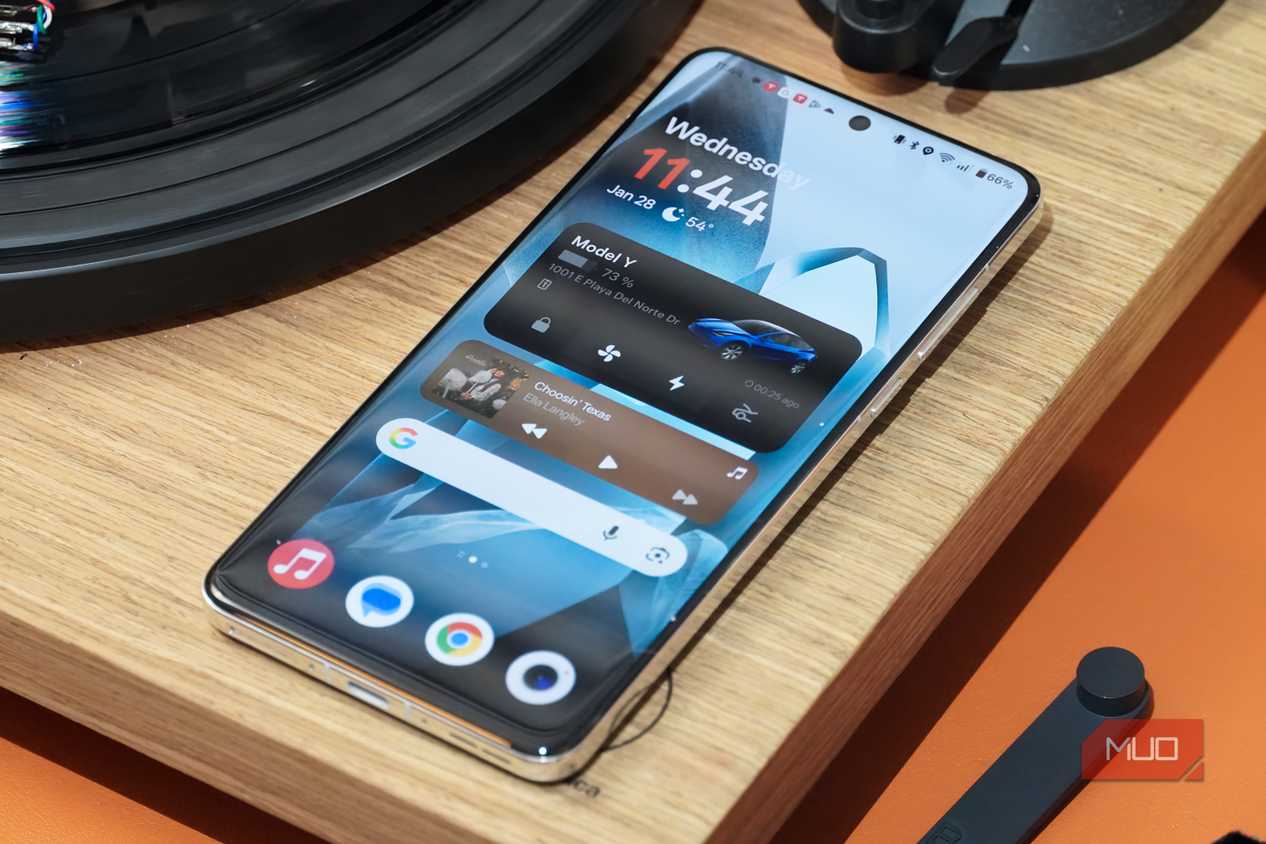
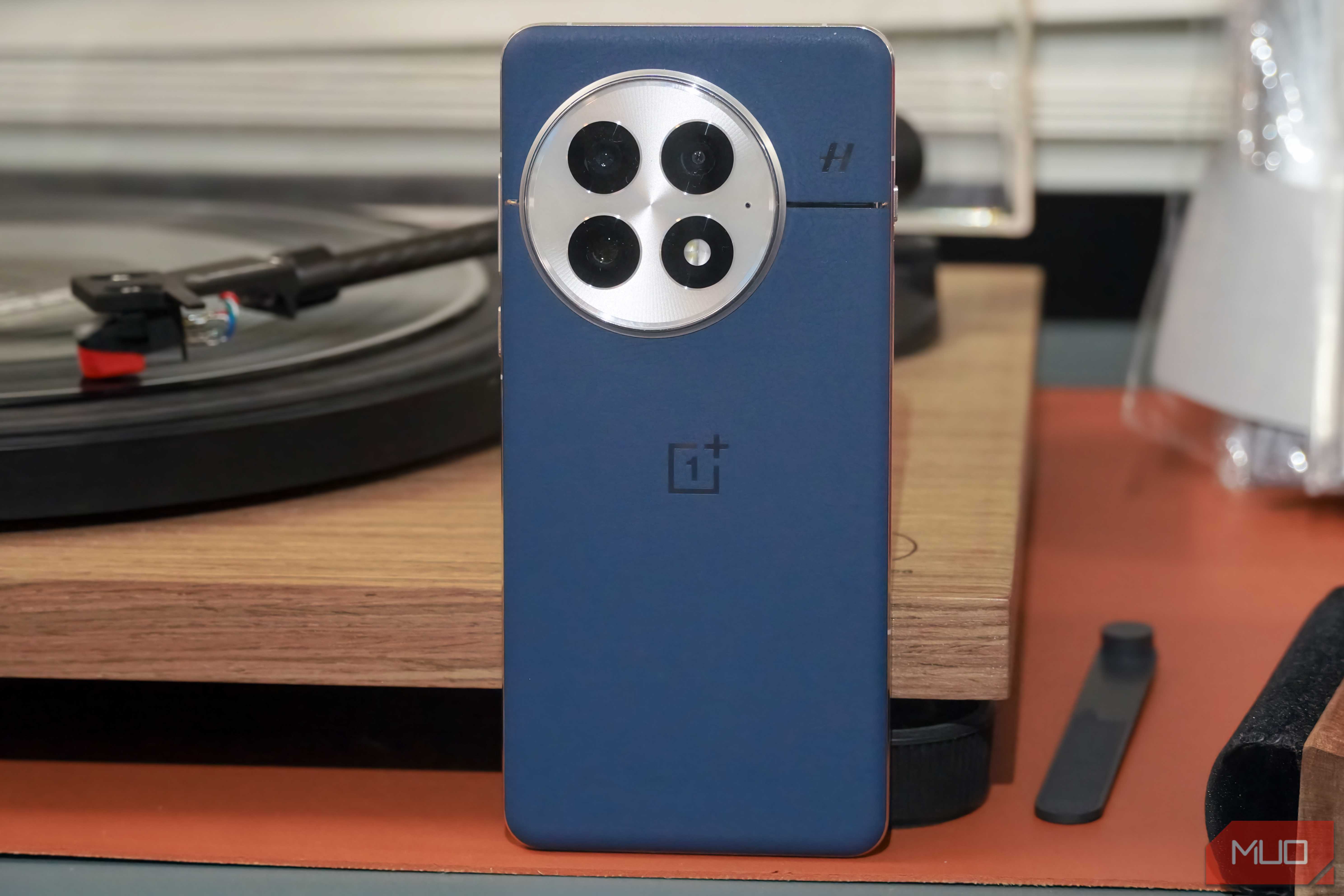
OnePlus says its flagship OnePlus 15 is rated for 1,400 battery cycles, which is an uptick compared to the OnePlus 13 that came before it. The OnePlus 13 was merely rated for 1,000 battery cycles, and the OnePlus 13R split the middle at 1,200 battery cycles. It's also worth noting that OnePlus phones use high-capacity silicon-carbon batteries, and still claim a long usable lifespan.



 Credit: Brady Snyder / MakeUseOf
 Credit: Christine Persaud / MUO
 Credit: Christine Persaud / MUO
 Credit: Brady Snyder / MakeUseOf





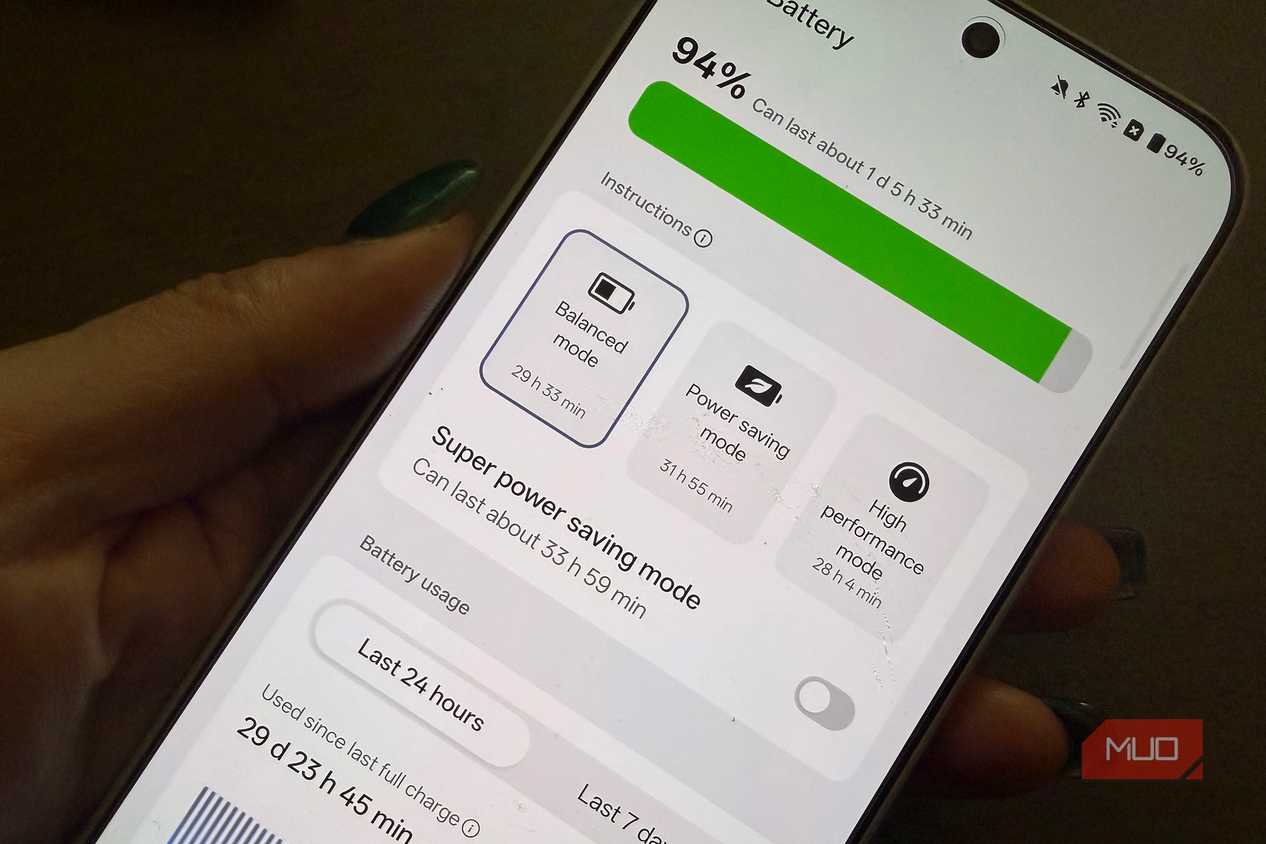
Nothing's latest phones, from the budget CMF Phone 2 Pro to the flagship Phone 3, are all rated for 1,400 charge cycles. Moreover, Nothing says that its phones can maintain up to 90% capacity after 1,200 charging cycles — a lofty claim, if Nothing phones can back it up over time.
iPhone and Google Pixel phones are tied
But there's a catch — Google's going to throttle your Pixel battery


 Credit: Amir Bohlooli / MUO
 Credit: Shimul Sood / MakeUseOf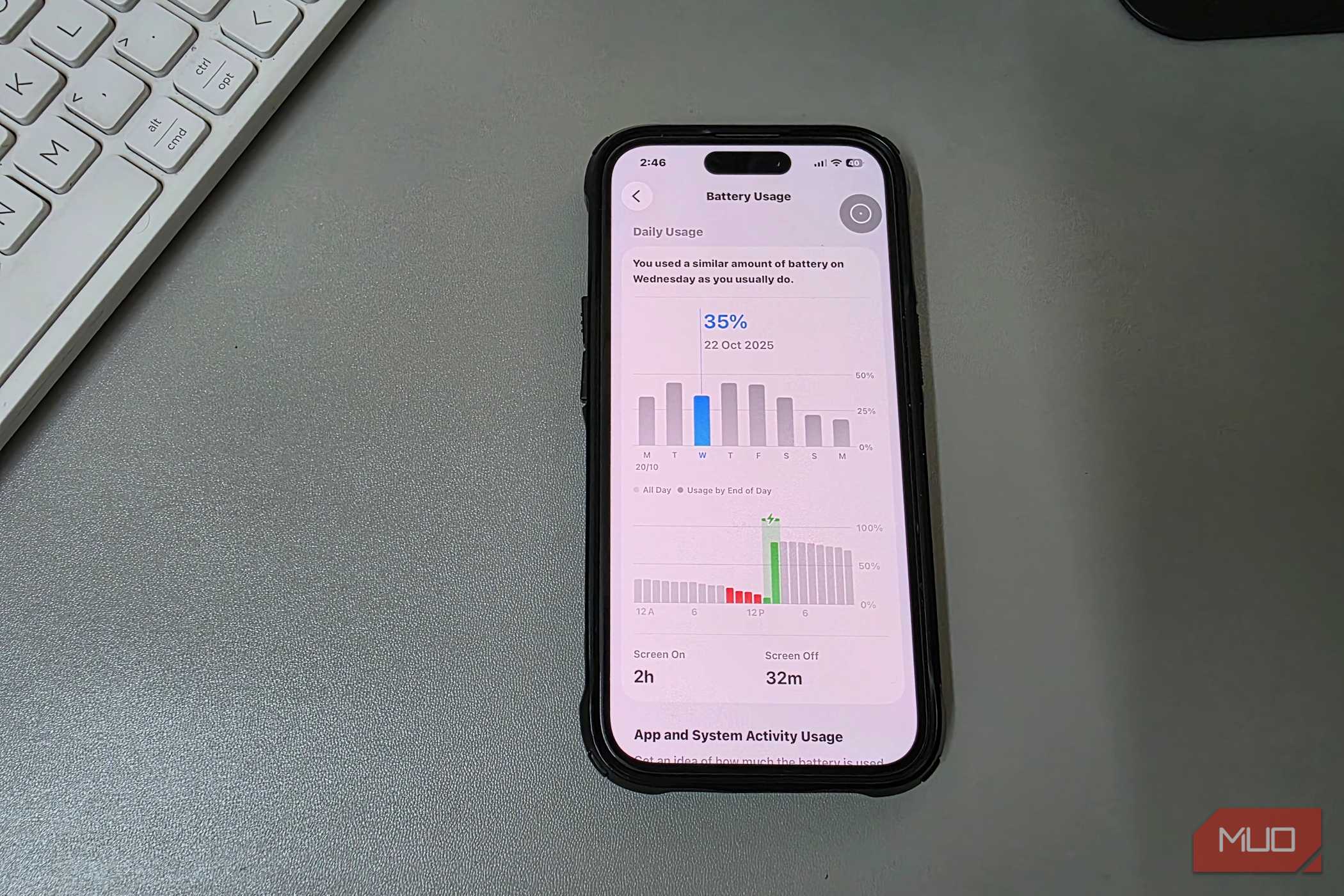
 Credit: Shimul Sood / MakeUseOf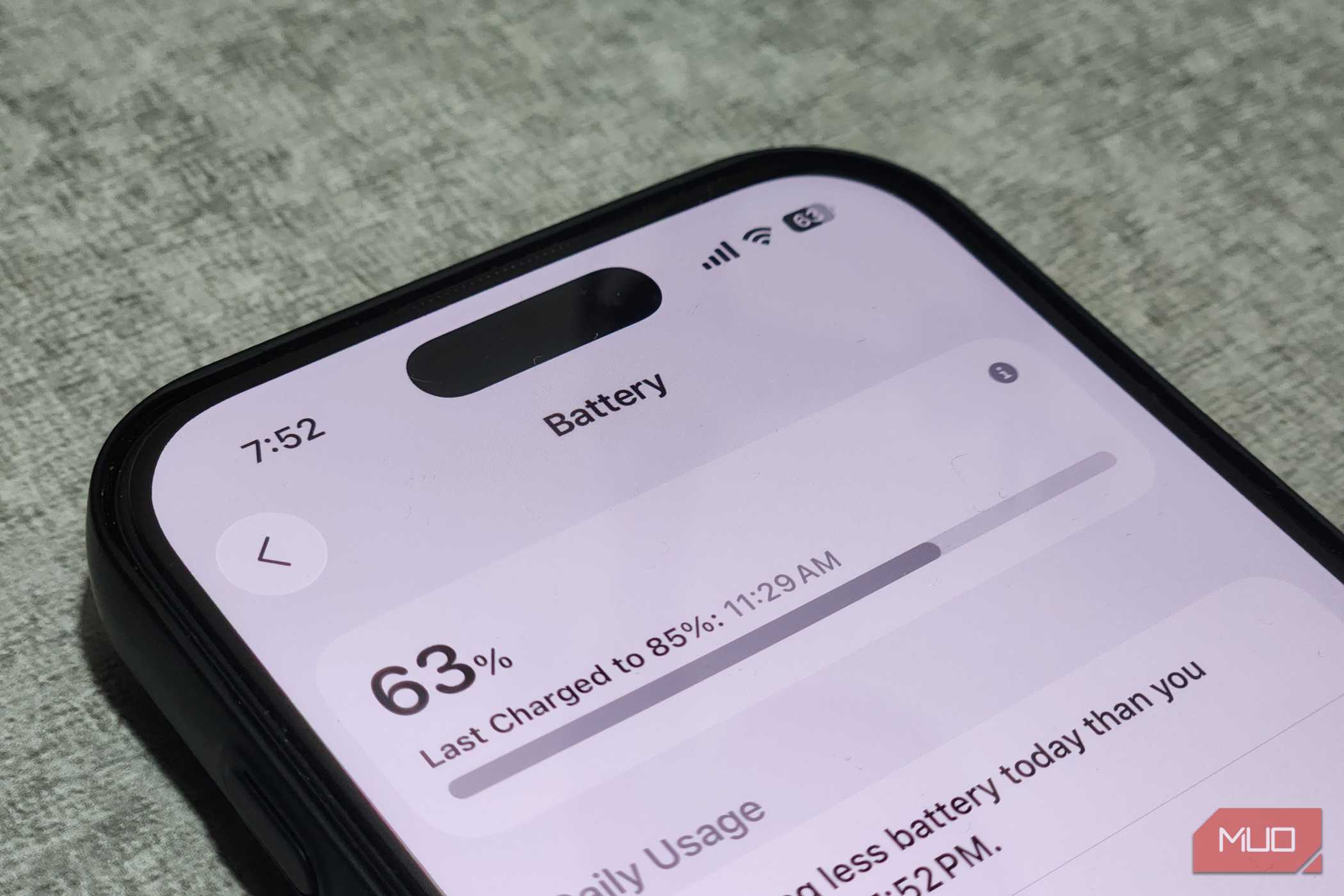

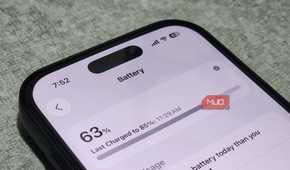
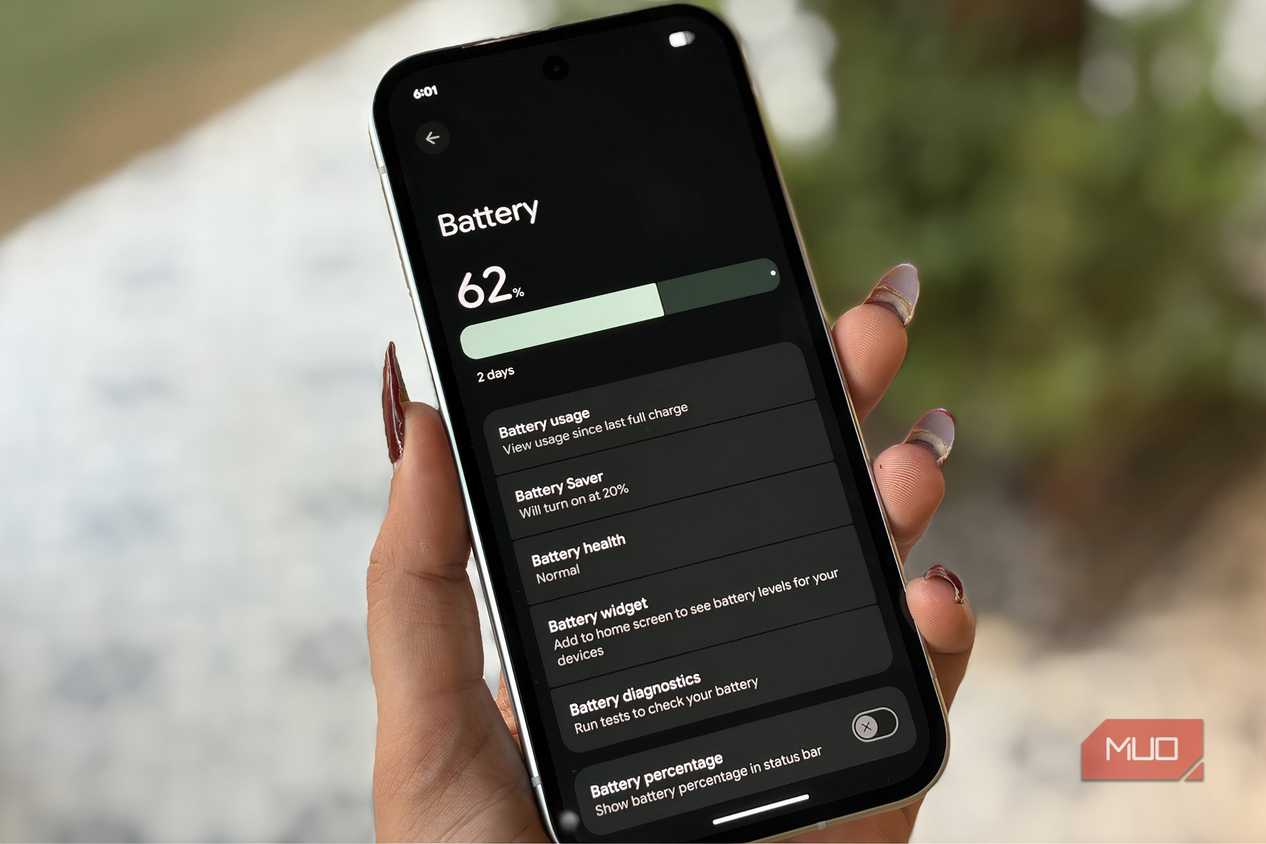
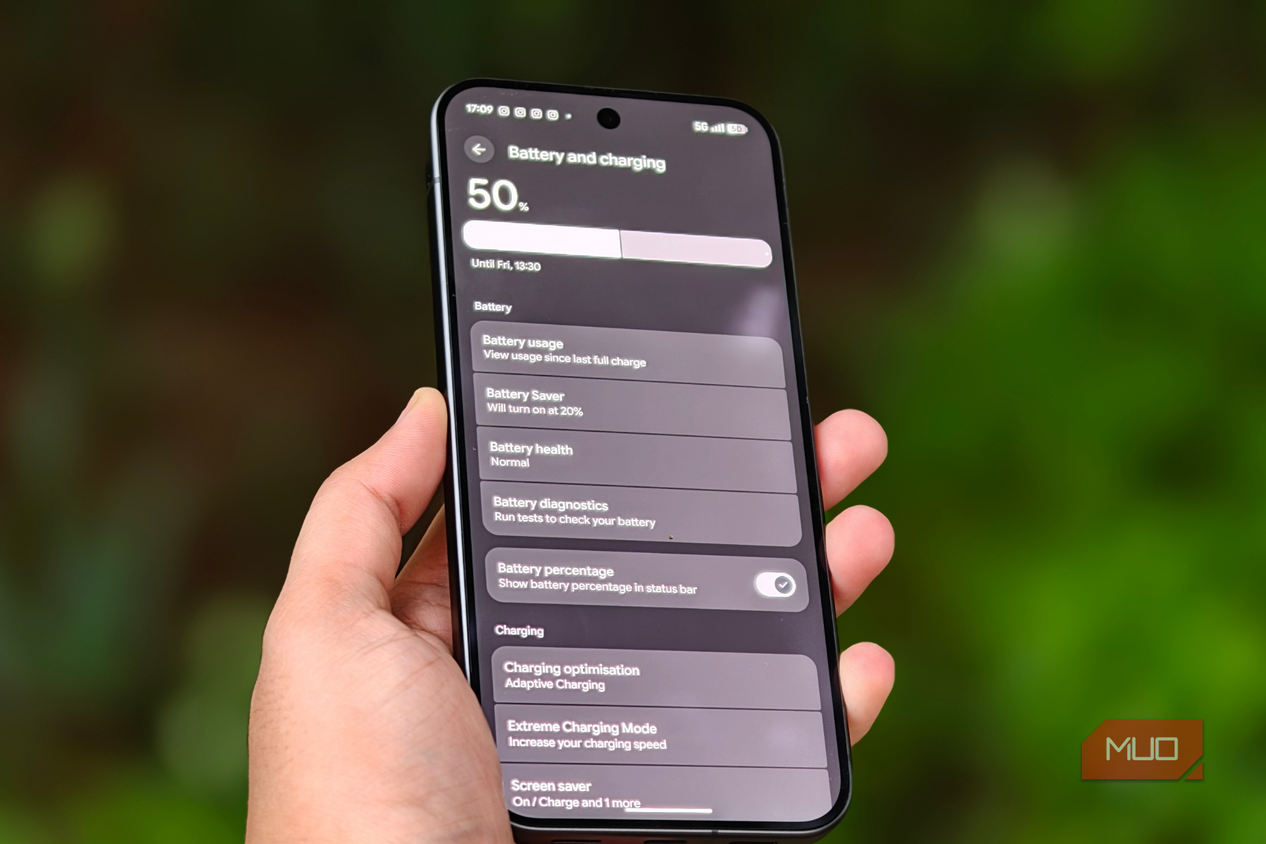
Google Pixel phones have had their fair share of battery issues over the year, including mandatory "battery performance programs" for the Google Pixel 4a and Pixel 6a. On paper, the Google Pixel 8a and later phones should keep 80% of their original capacity for about 1,000 charge cycles. Earlier models, specifically the Pixel 3 through Pixel 8 Pro and the original Pixel Fold, are only rated for 800 charge cycles.
However, there's a catch. Beginning at 200 charge cycles, a mandatory Battery Health Assistance feature will start throttling battery and charging performance on Pixel 9a and newer phones. The result? Shorter battery life and slower charging speeds, after new Pixels cross the 200-cycle threshold. These phones are still rated for 1,000 charge cycles, but Google is using software battery management features to hit that rating.
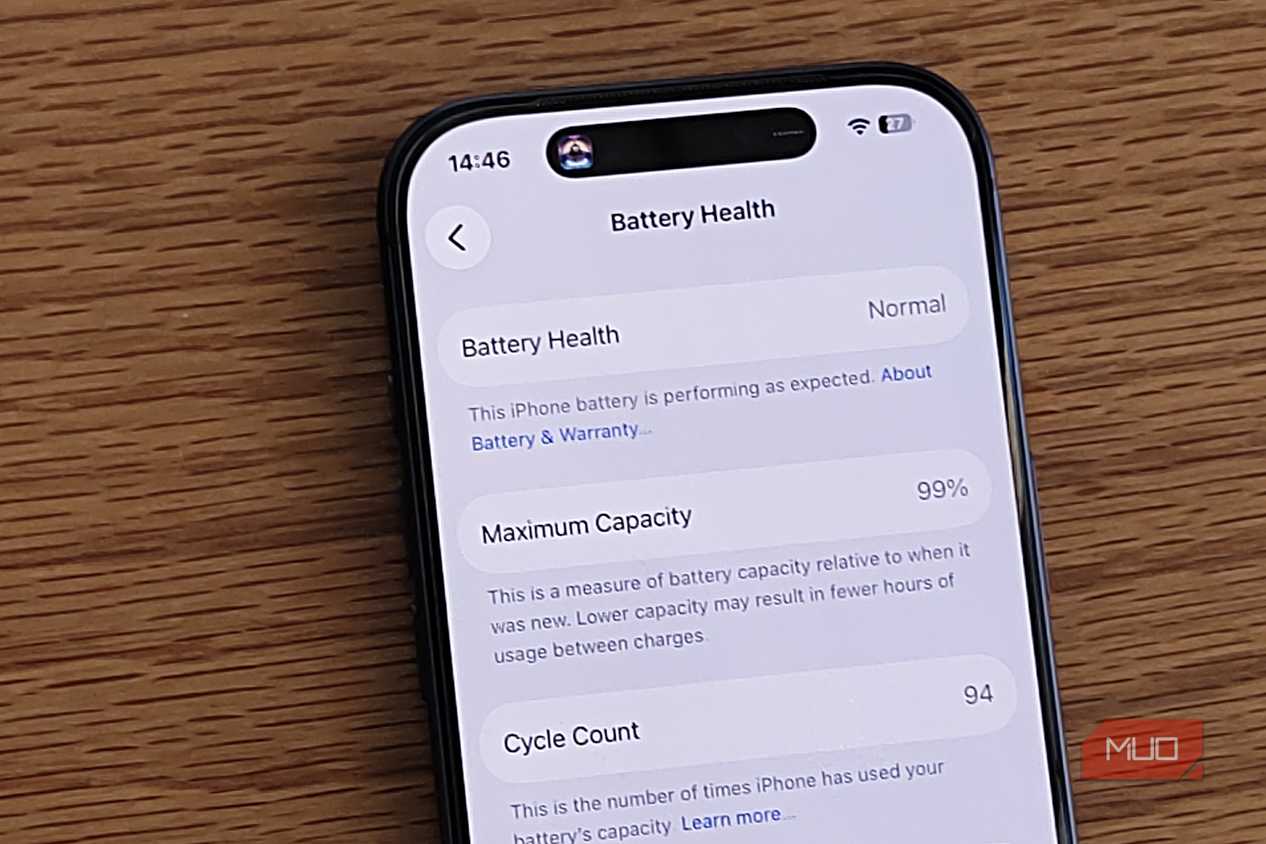
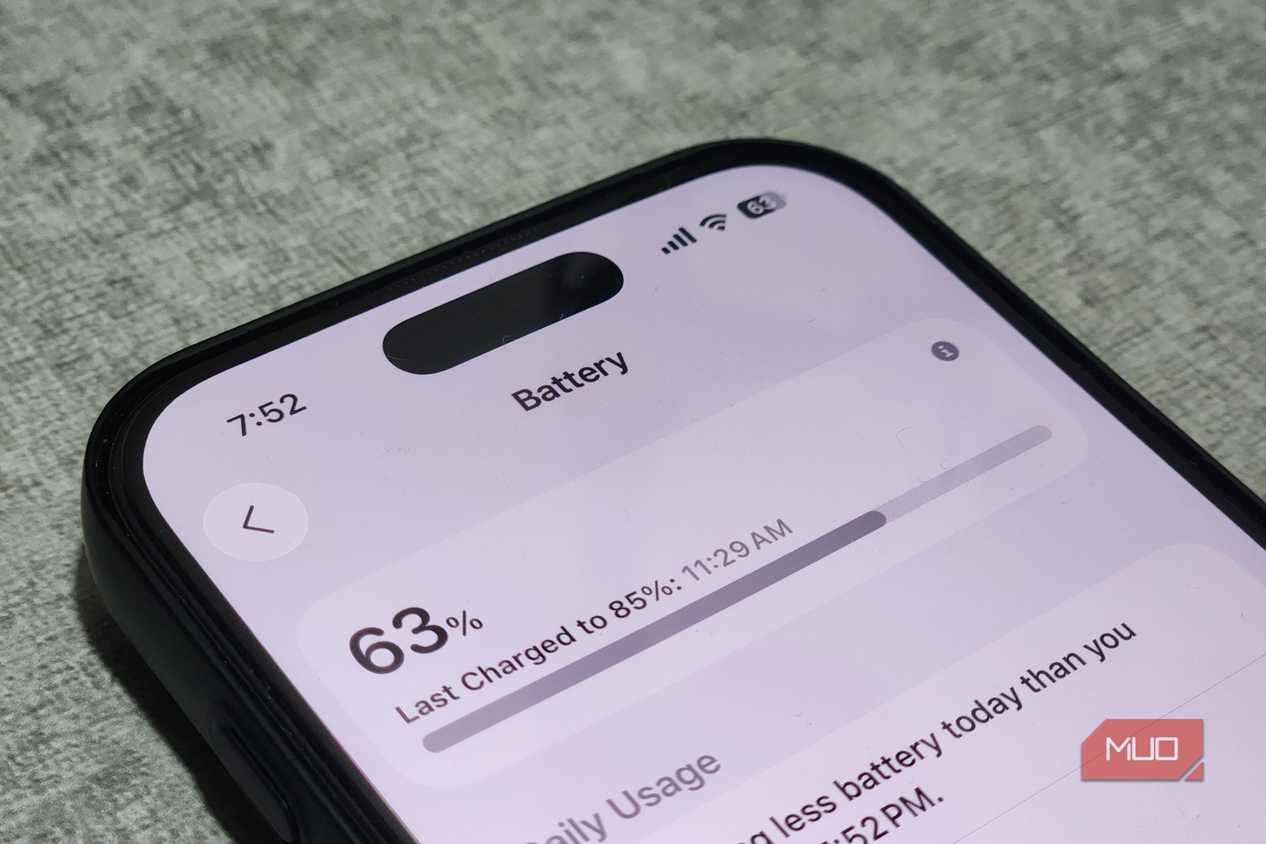
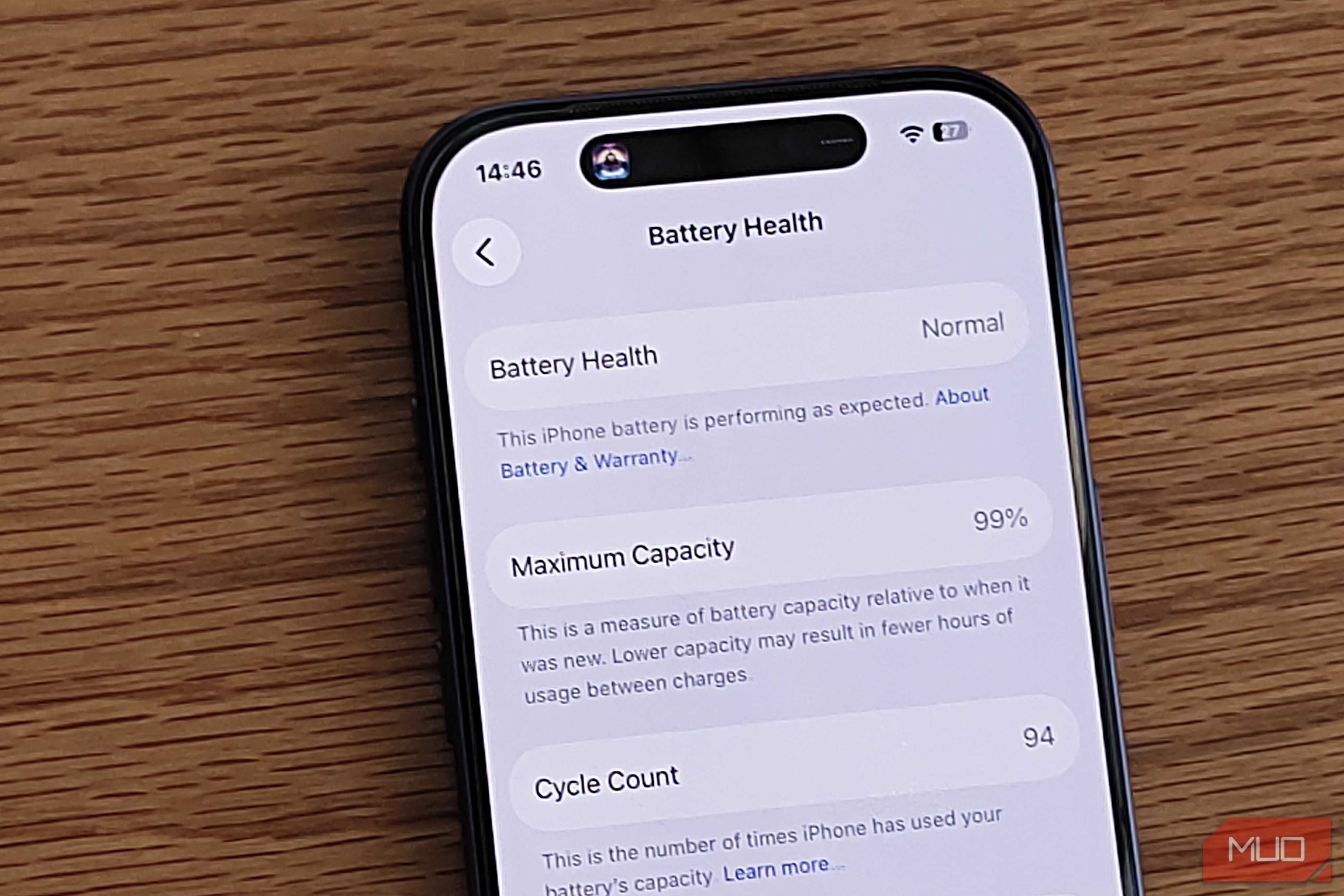
For iPhones, the situation varies significantly depending on which model we're talking about. The iPhone 14 series and older phones are rated to retain 80% of their original capacity for 500 charge cycles. This is a low figure, especially compared to the other flagships we've covered. The good news is that the iPhone 15 series and newer phones are rated for 1,000 charge cycles, putting iPhones on par with Pixels and just behind most other Android models.
What happens when your phone runs out of cycles?
Don't recycle your phone or upgrade, get a new battery


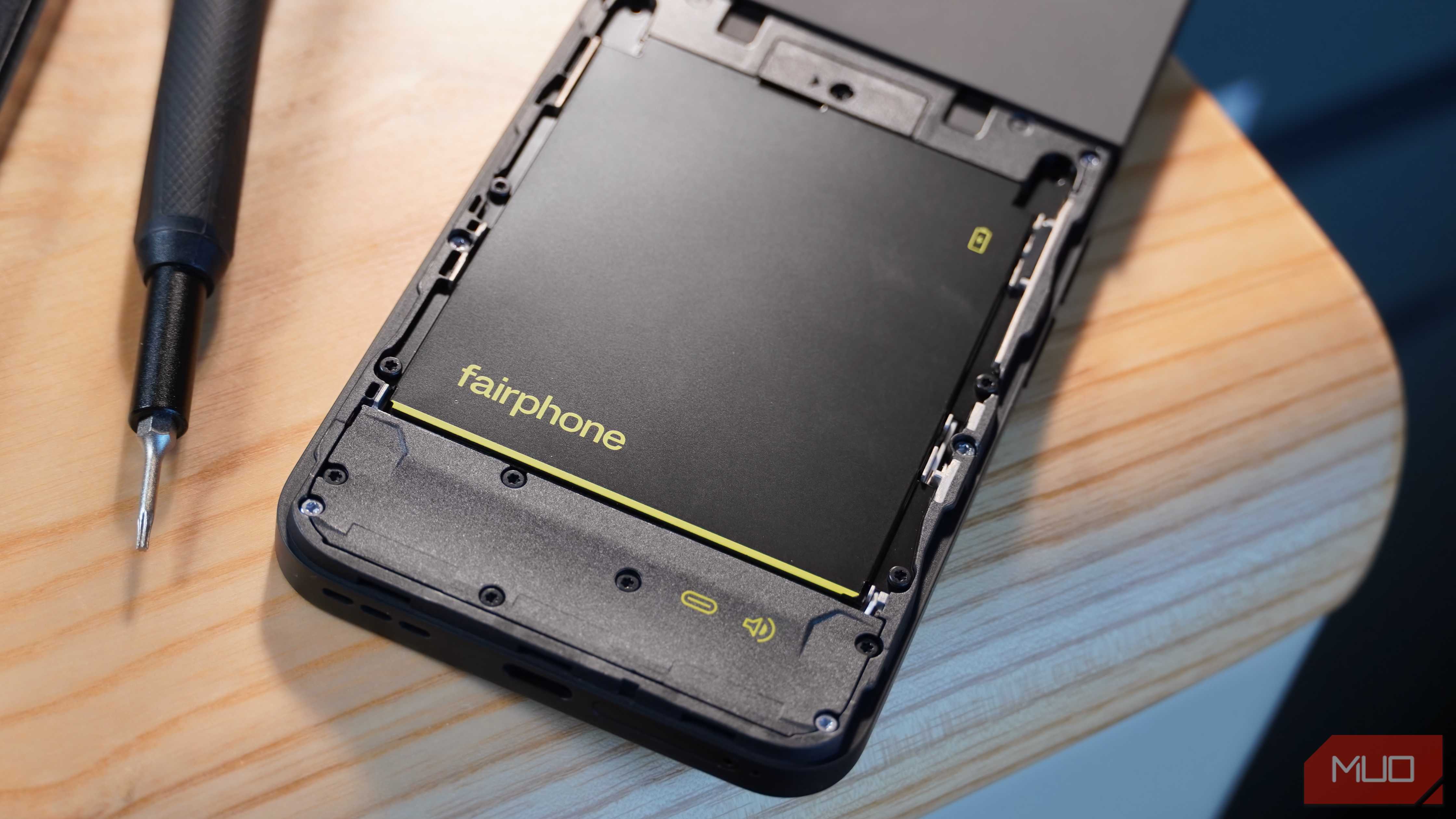
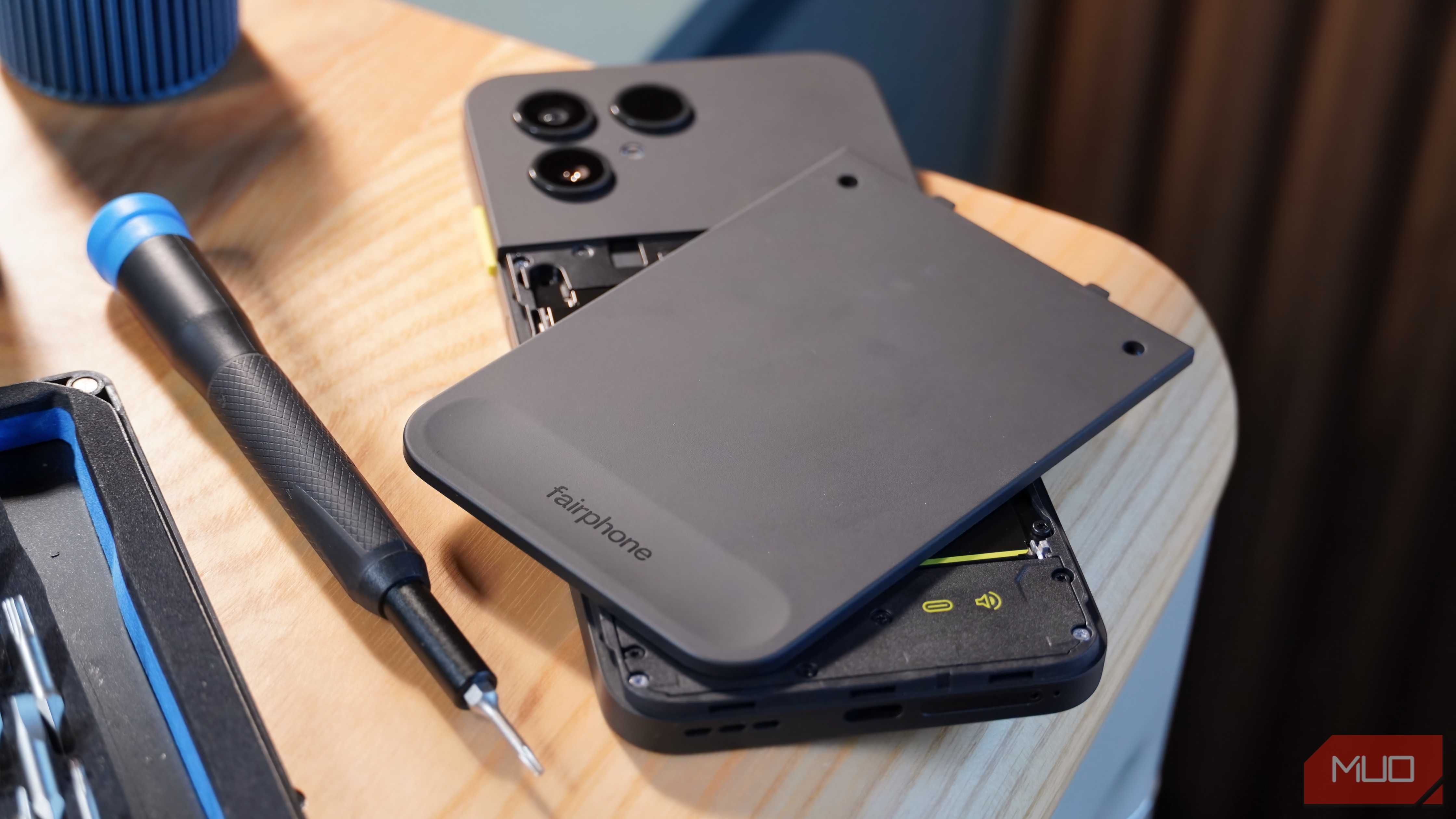
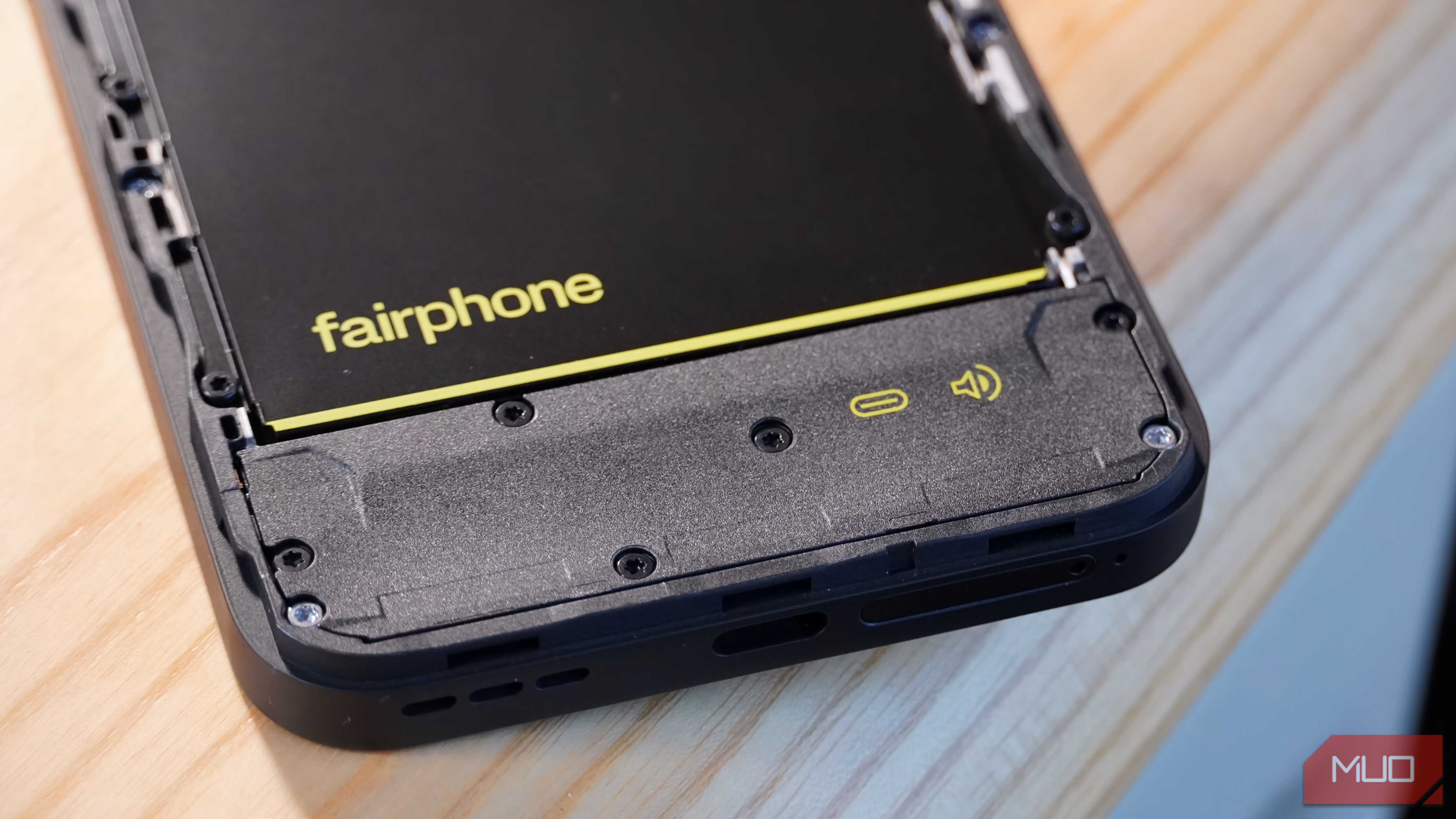
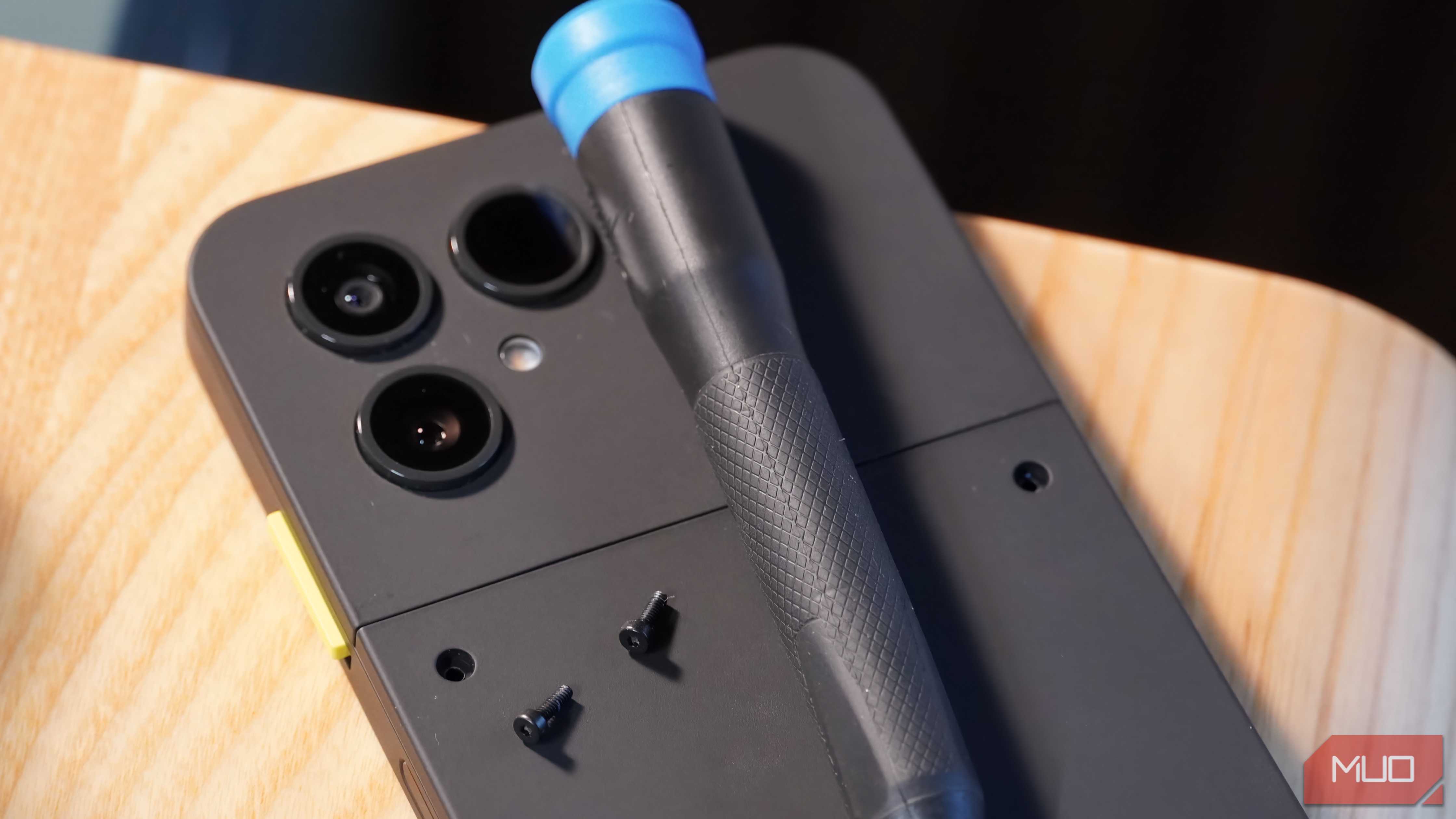
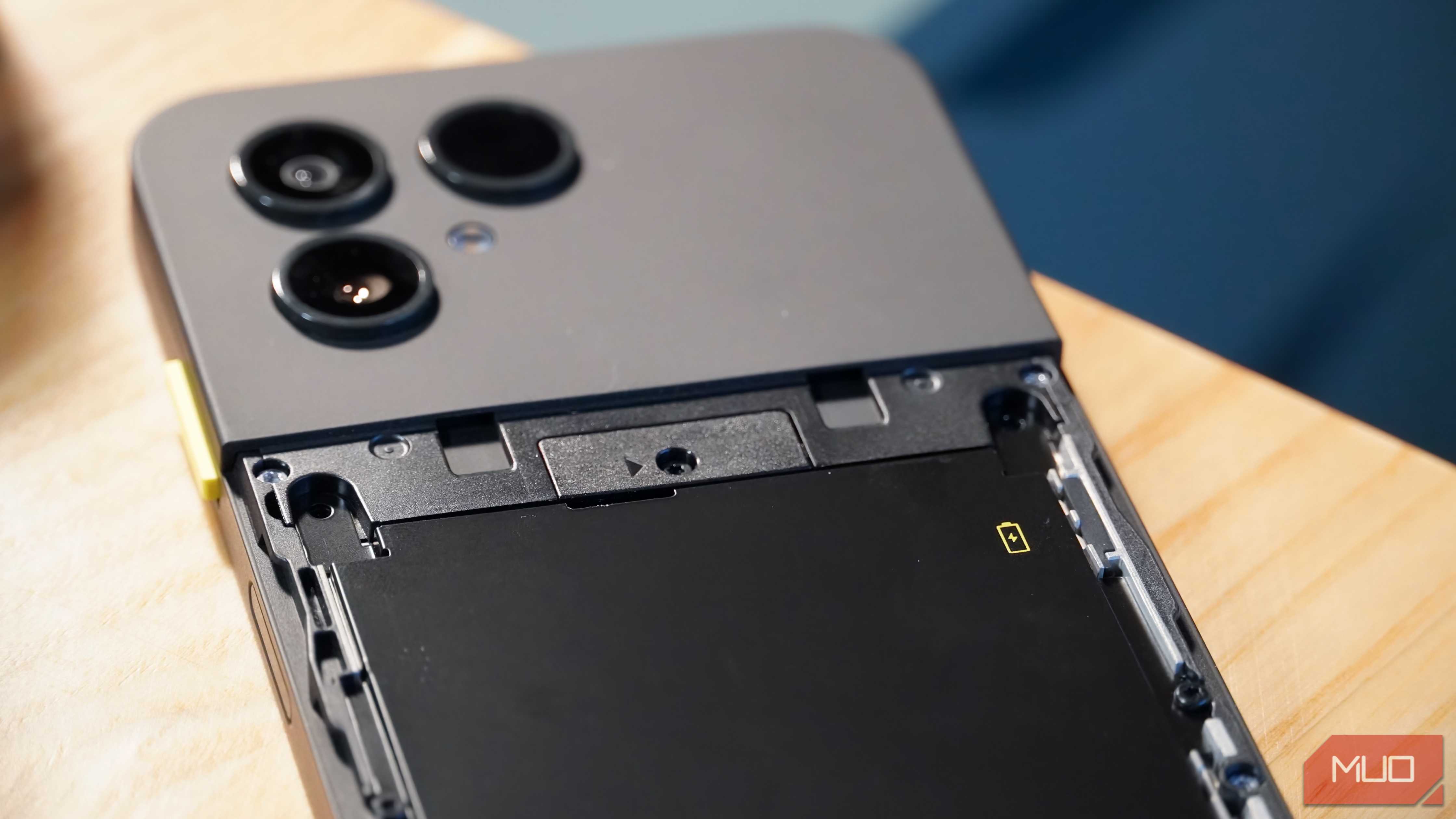





You now probably know your phone's expected battery lifespan. If you have a phone I haven't covered, you can conduct a public search of the European Union's energy label database for yourself. But what should you do with this information, and what happens when your phone runs out of charge cycles?
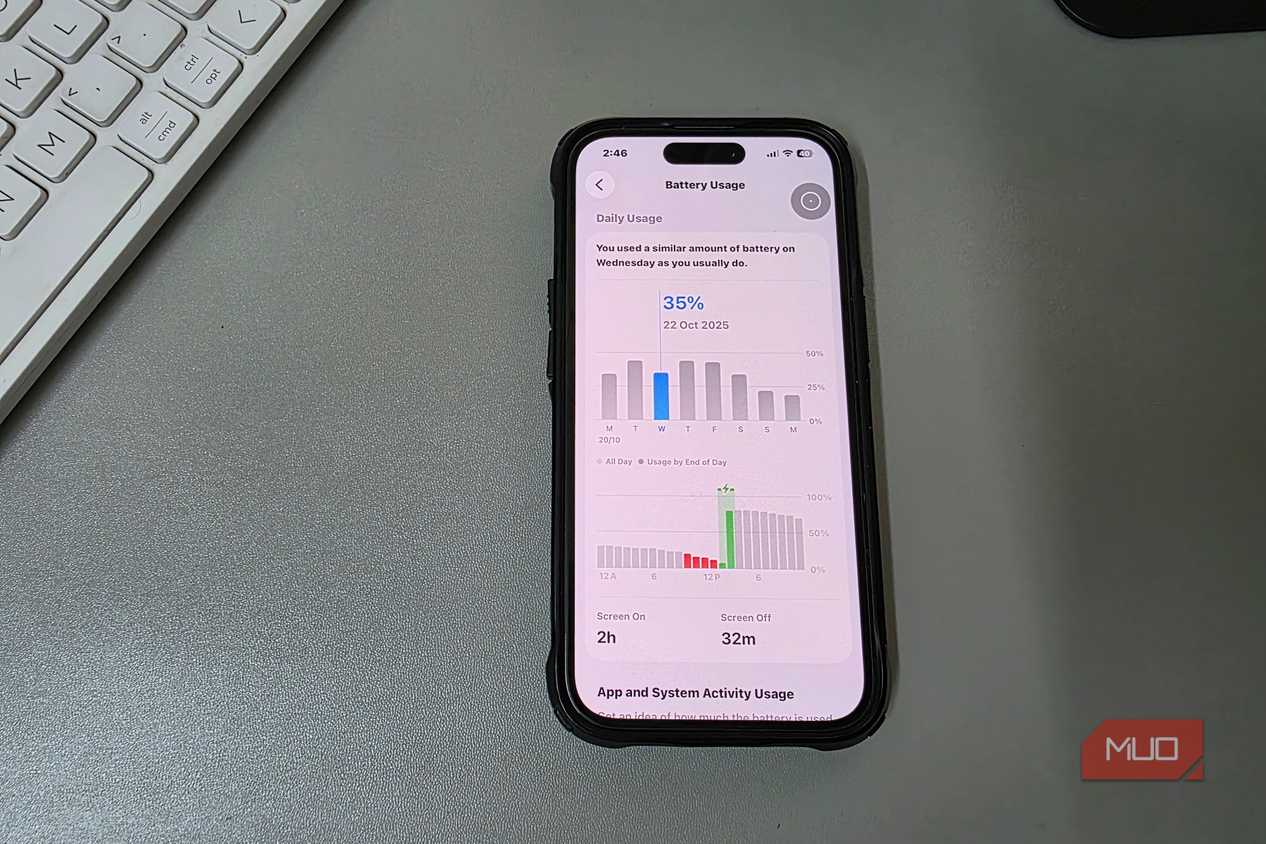
It's estimated that light smartphone users tally up 150 to 200 charge cycles annually, while heavier users can reach 400 cycles and beyond per year. You can use napkin math to determine how many years you expect to keep your phone, and estimate how long a phone will last. Battery capacity factors into the equation, too, because phones with small batteries will need to be recharged more often. And thus, they'll rack up charge cycles more quickly.
For example, Galaxy and Pixel phones promise seven years of software support. If you use 200 cycles per year, you'll reach the end of your battery's expected lifespan before your device runs out of software upgrades. Meanwhile, if you buy a OnePlus or Nothing phone with a rated cycle count of 1,400, you'll get a device that actually stands a chance of lasting seven years on its original battery. This is how a phone's claimed cycle count can factor into your buying decision.
Luckily, when your phone's battery degrades, you don't have to recycle or replace it entirely. Simply replace the battery instead. It's a relatively cheap repair available for every mainstream phone, and it'll make your old device feel like new.