


There have been several Linux distros promising to replace Windows, and I've tested a lot of them. Some are often the same kernel with the same trade-offs, just with a new wallpaper. I was intrigued to hear about Redox OS, an operating system that tries to solve Linux problems without being Linux.
It's a Unix-like system developed in Rust, and even though it's rough and unfinished, it seems to be one of the most interesting developments in operating systems.
Redox OS didn't start with Linux
Why rebuilding a Unix-like operating system from scratch is such a radical idea

Redox OS isn't a Linux distro, and it certainly isn't an OS design that merely bolts on a fresh skin and package manager. It comes with a distinct kernel, or more accurately, a microkernel, with many drivers and system services moved out of the kernel and into userspace. This contrasts with Linux's monolithic architecture, where most drivers sit in the kernel. The Linux design has certain speed advantages, but a single bad driver may take the entire system down.
The Redox OS team intentionally chose to implement it in Rust because of its many merits. Rust catches entire classes of memory bugs at compile time — bugs that have caused many Linux security vulnerabilities. This provides automatic OS hardening through the language choice, rather than relying on practices and tools to catch bugs after the fact.
Redox OS is simply asking if it's still the correct decision to continue building Unix-like systems the way we have since the '70s.
The real challenge isn't writing the code
Replacing three decades of Linux's ecosystem is the part that needs attention






Every time people get excited over the newest kernel, they seem to forget that the kernel was never the only hard part. The code is great, but it isn't the real advantage that Linux has. What counts most are all the things built around it. For instance, there are three decades of drivers for every laptop, printer, and GPU. But then there is also a deep ecosystem of software that lets you find packages for almost any need, and the fact that hardware vendors will write Linux support because it will be used.
These are valued elements that Redox OS lacks. Hardware support is built one machine at a time. This task, compared to designing a kernel, is much slower and less glamorous. However, it's still one of the biggest deciding factors in whether an OS gains any true relevance outside a VM.
Redox isn't a highly funded corporate project. It's mainly donation-backed, and this may not always cover running costs. Given its resources, the project may be too ambitious to attempt to rebuild an entire OS. But in recent years, we've seen Linux pulling Rust into parts of its own kernel, so such a bet may not be crazy after all. There’s a glimmer of hope when the platform you’re trying to replace begins to adopt some of your ideas.

Redox OS
- OS
- Redox OS
- Security
- Microkernel architecture
- Software Version
- 0.9.0 (latest stable, as of mid-2026)
Redox OS is a complete Unix-like microkernel-based OS written in Rust.
Redox already feels surprisingly complete
But the hardware support just isn't there yet

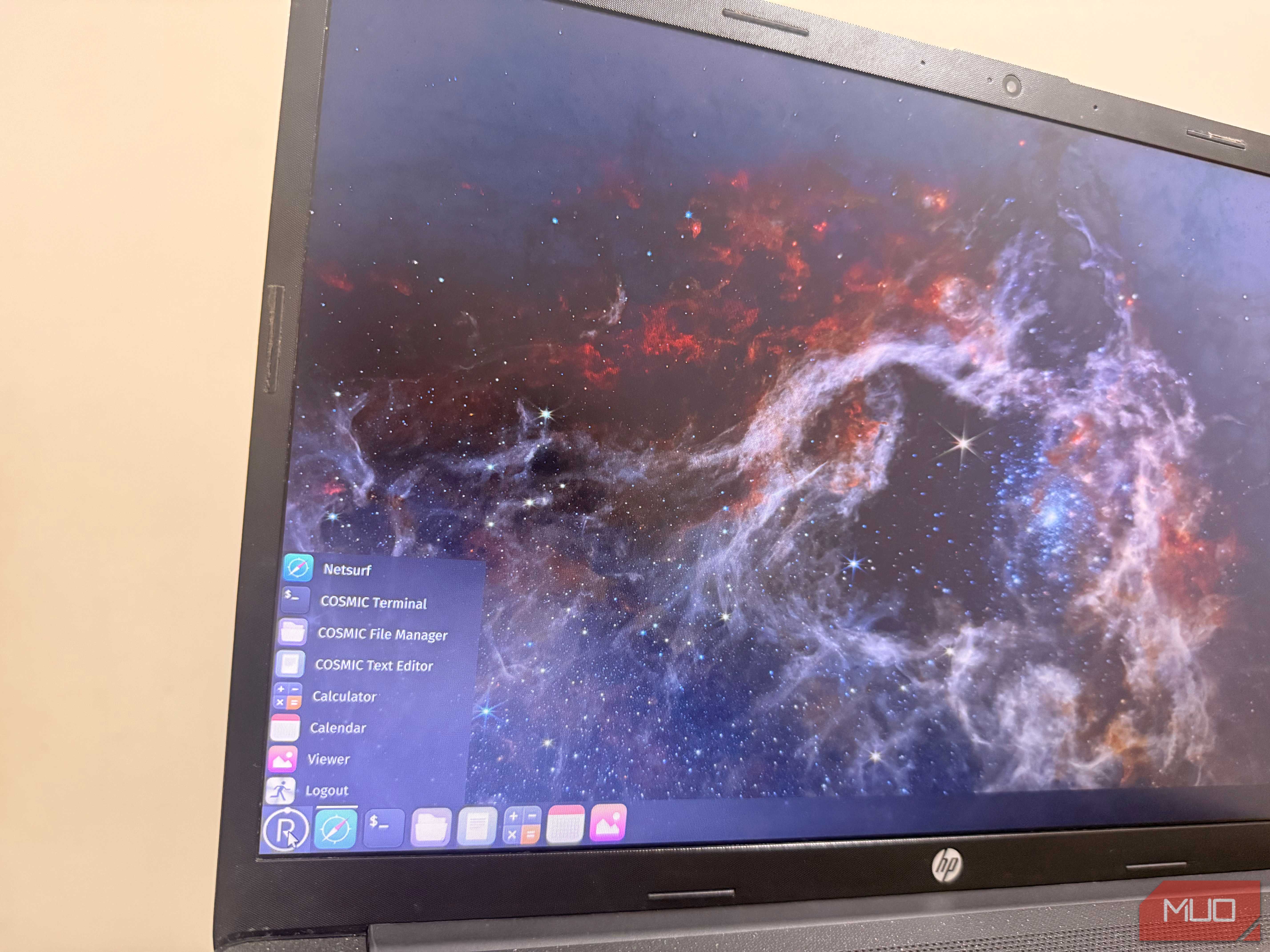
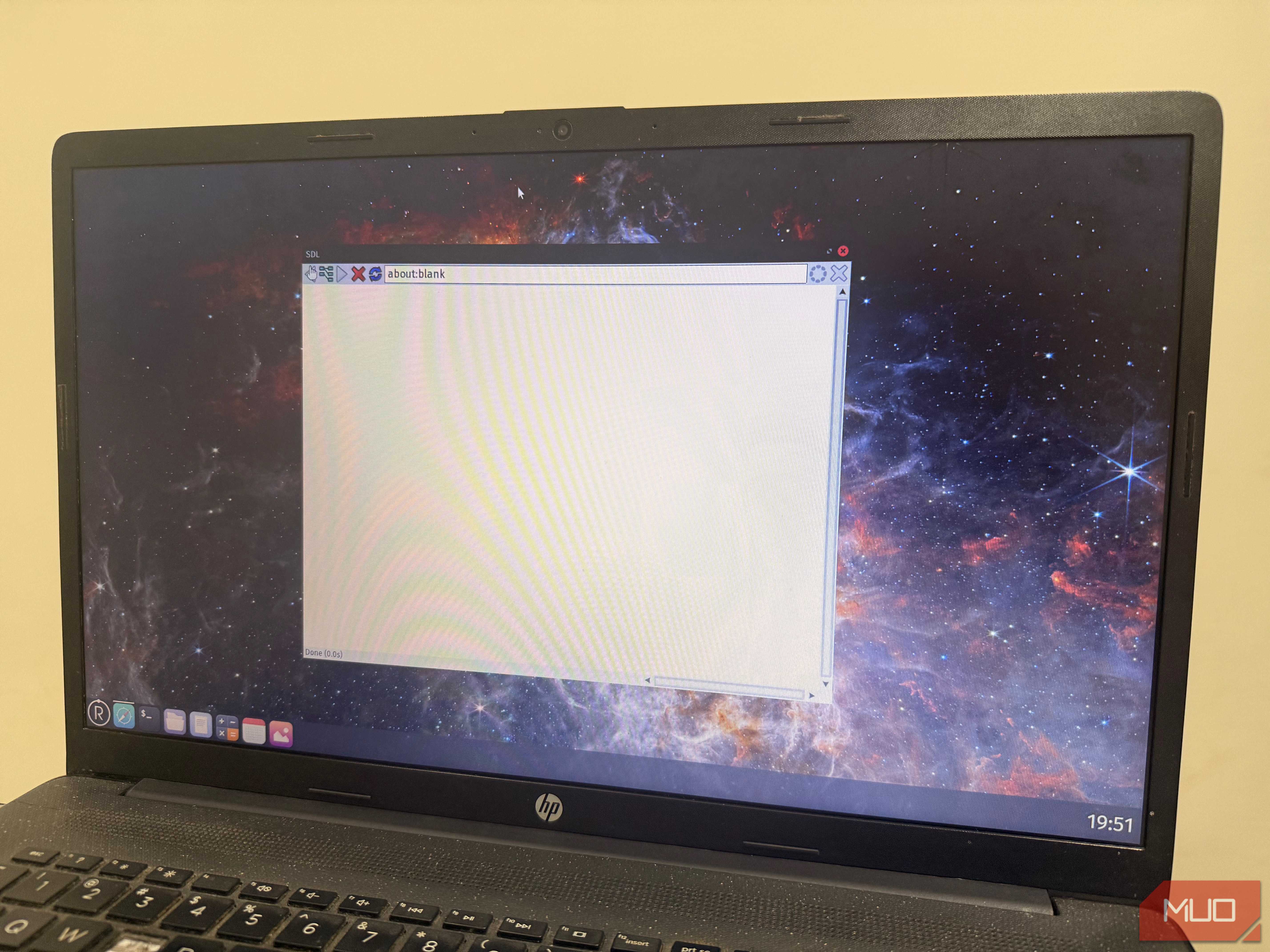
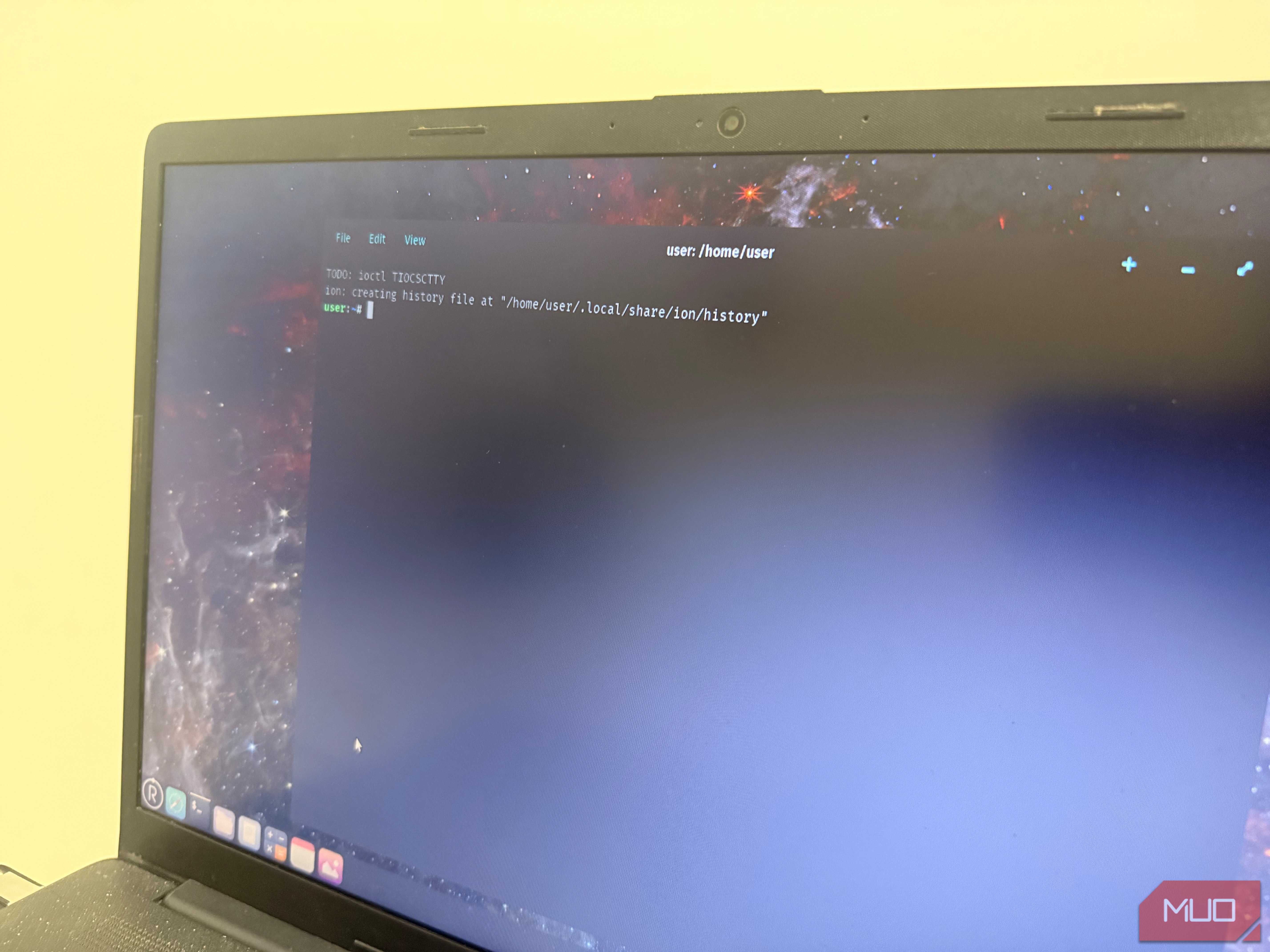
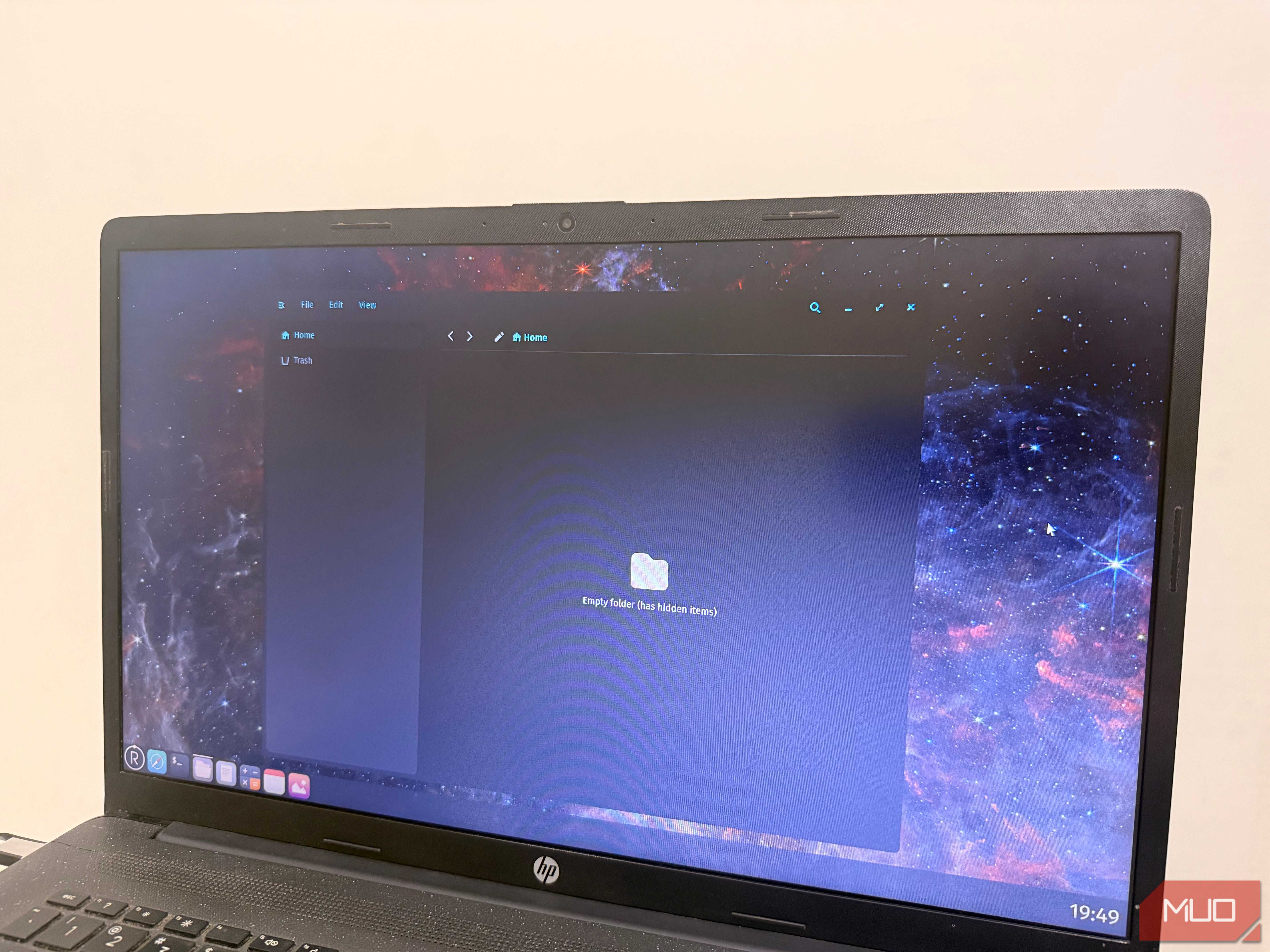
Redox OS is way more than just terminal-based features. Booting into it today gives you an actual desktop. Windowing is managed by Orbital, and its browser renders real pages. You get media playback, and the system supports building and running Rust software. The desktop build runs in under 512 MB of RAM, and disk images range from 536 MB to 1.6 GB. It will run on hardware that many popular distros won’t.
However, the reality remains that Redox OS is still pre-1.0. There is a real gap in hardware support. The project's published compatibility reports indicate that installing Redox on real hardware may cause problems, including potential data loss and bootloader issues that can affect other OS installations.
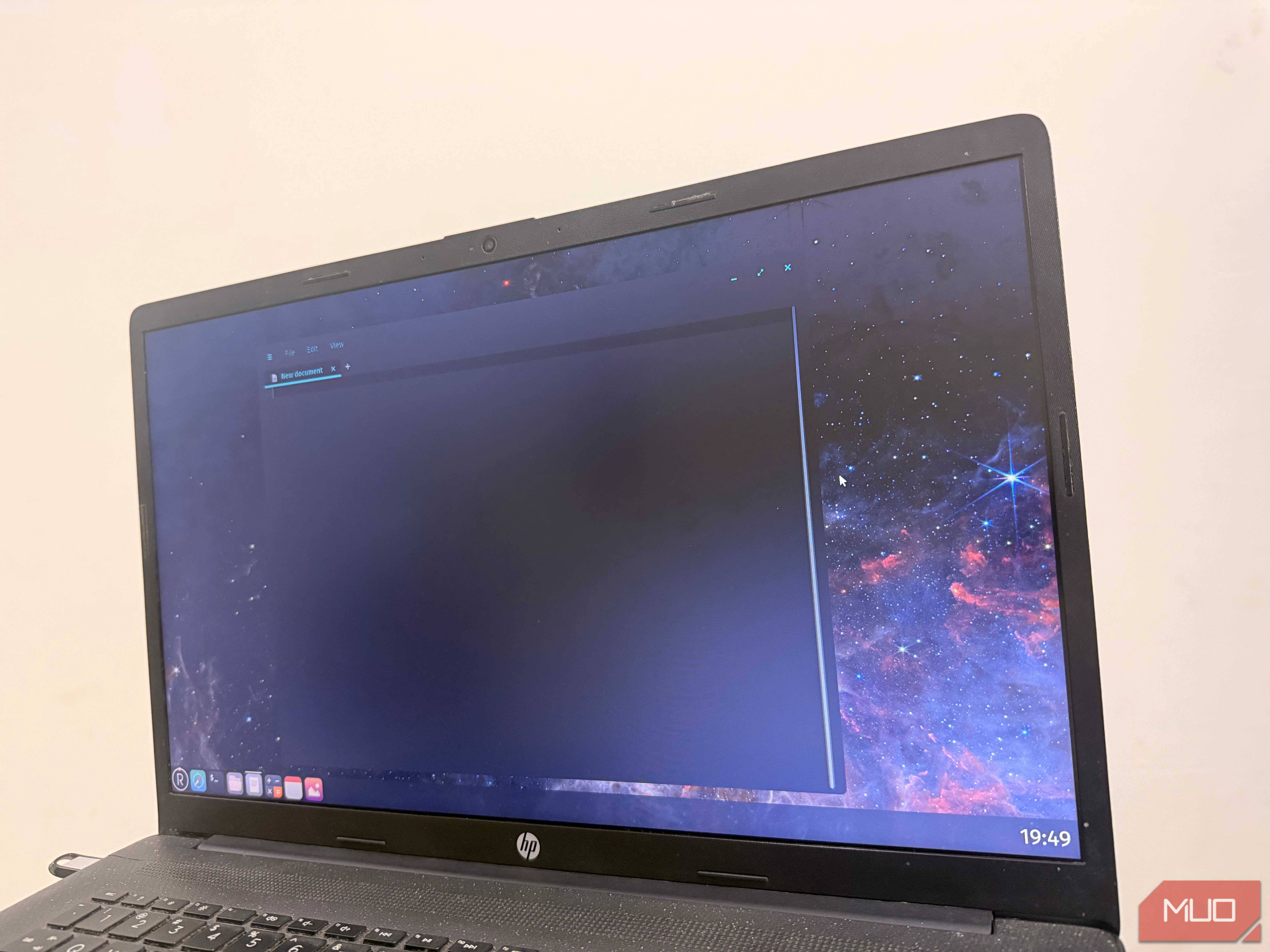
Aside from the Lenovo IdeaPad Y510P, the System76 Galago Pro (galp5) and the System76 Lemur Pro (lemp9), Redox OS will not boot on most laptops. I ran it off a Live USB on my HP computer and got a working live session. It feels extremely responsive and fast compared to my other Linux installations. On a virtual machine, I had issues with the text editor's keybindings and couldn't get the installer to detect a second drive at all.
It's a really ambitious work in progress, but also not something I would hand to a regular user in its current state.
Redox stands apart from every other Linux alternative
There are a few other projects, like Redox OS, that are trying to live outside the shadow of Linux. However, Redox OS seems to be chasing something different from every competitor.
|
Project |
Primary goal |
Kernel |
Current maturity |
|---|---|---|---|
|
Redox OS |
Secure Unix-like replacement |
Microkernel |
Experimental, pre-1.0 |
|
Continue the BeOS experience |
Hybrid |
Mature hobby desktop |
|
|
Educational, hobbyist OS |
Monolithic |
Experimental |
|
|
Google's own platform |
Zircon microkernel |
Limited public adoption outside Google's ecosystem |
Haiku isn’t aimed at taking on Linux; it serves to keep BeOS alive. Although Google backs Fuchsia, it hasn’t moved much beyond smart displays, and SerenityOS leans more toward being a teaching tool than a Linux competitor.
Alternatives seem to follow one of two paths: preserve something old or improve a small part of Linux. Redox OS is more audacious, building a Unix-like system around security concerns that were not part of Unix's original design priorities. It may never get there — I hope it does — but that ambition makes it one of the boldest OS projects in years.