


Following the success of the Steam Deck, Valve is further expanding its hardware lineup with the Steam Machine — a miniature PC designed to sit in your living room, competing against the likes of the PlayStation 5 and Xbox Series consoles.
The Steam Machine sounds appealing — a PC in a console shell that Valve claims will run games at 4K 60 FPS, with access to Steam's entire library without the tinkering and hassle that come with building your own rig. However, the latest leaked benchmarks paint a different picture, and they've made me wonder whether Valve can deliver on its promise.
The Steam Machine's CPU results are disappointing
The multicore performance seems underwhelming

The Steam Machine officially launches in eight days, and the reviews for the hardware are already out. With hands-on the PC, Steam Machine's CPU benchmarks have also been unveiled, and, quite shockingly, they're not looking good. Referred to by the codename Valve Fremont, the Steam Machine had 2 CPU benchmark results posted on Geekbench (via X).
|
Single-Core Performance |
Multi-Core Performance |
|
|
Result 1 |
2334 |
7316 |
|
Result 2 |
2282 |
7392 |
For reference, the Steam Machine's CPU is based on the Zen 4 architecture, has 6 cores: 2 Zen 4 and 4 Zen C cores (lower-clocked cores), clock speeds up to 4.8 GHz, and runs at a maximum TDP of 30W.
According to the benchmark results, the Steam Machine's single-core performance is strong and nearly 40% higher than the PlayStation 5's, but it's important to keep in mind that the latter is now a 6-year-old console. However, the new home console falls short in multicore performance, with the PlayStation 5 outperforming it by a tiny bit.
Are these CPU scores a cause for concern?
The Steam Machine isn't weak — but don't expect 4k 60FPS gaming as Valve has promised
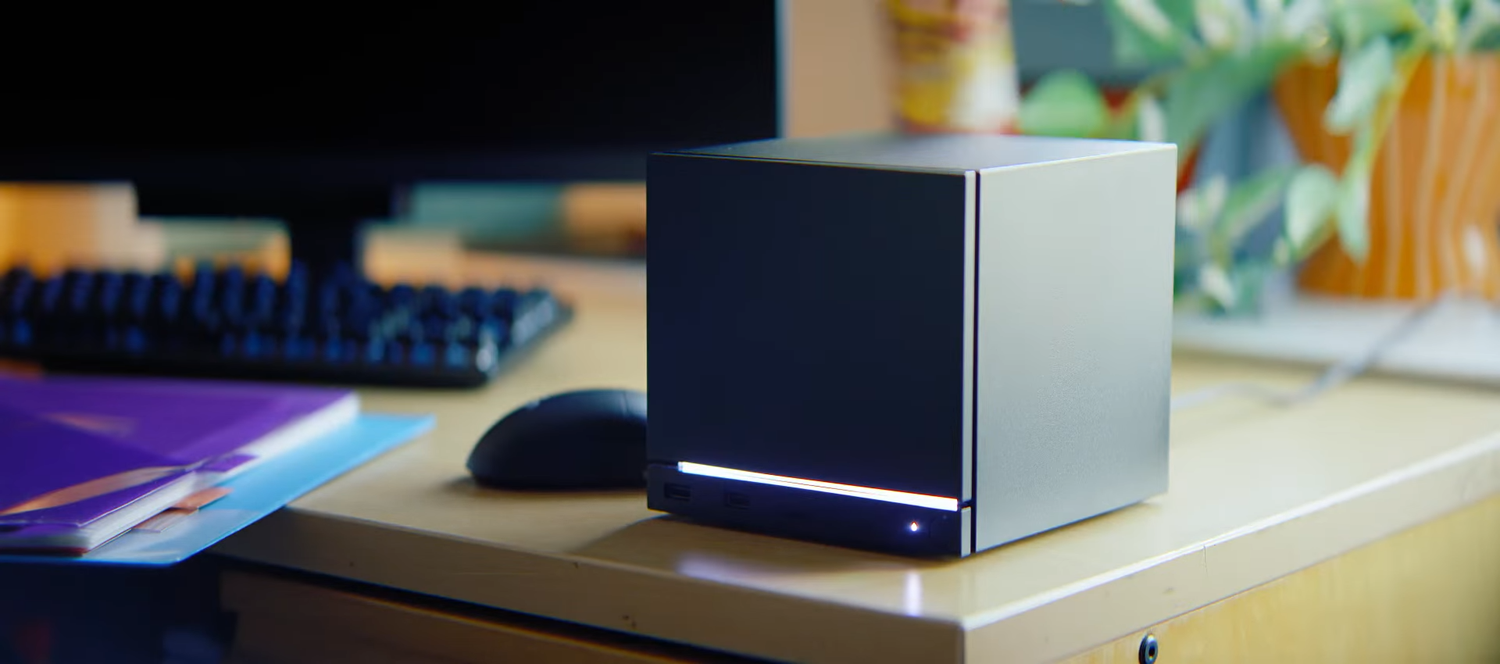
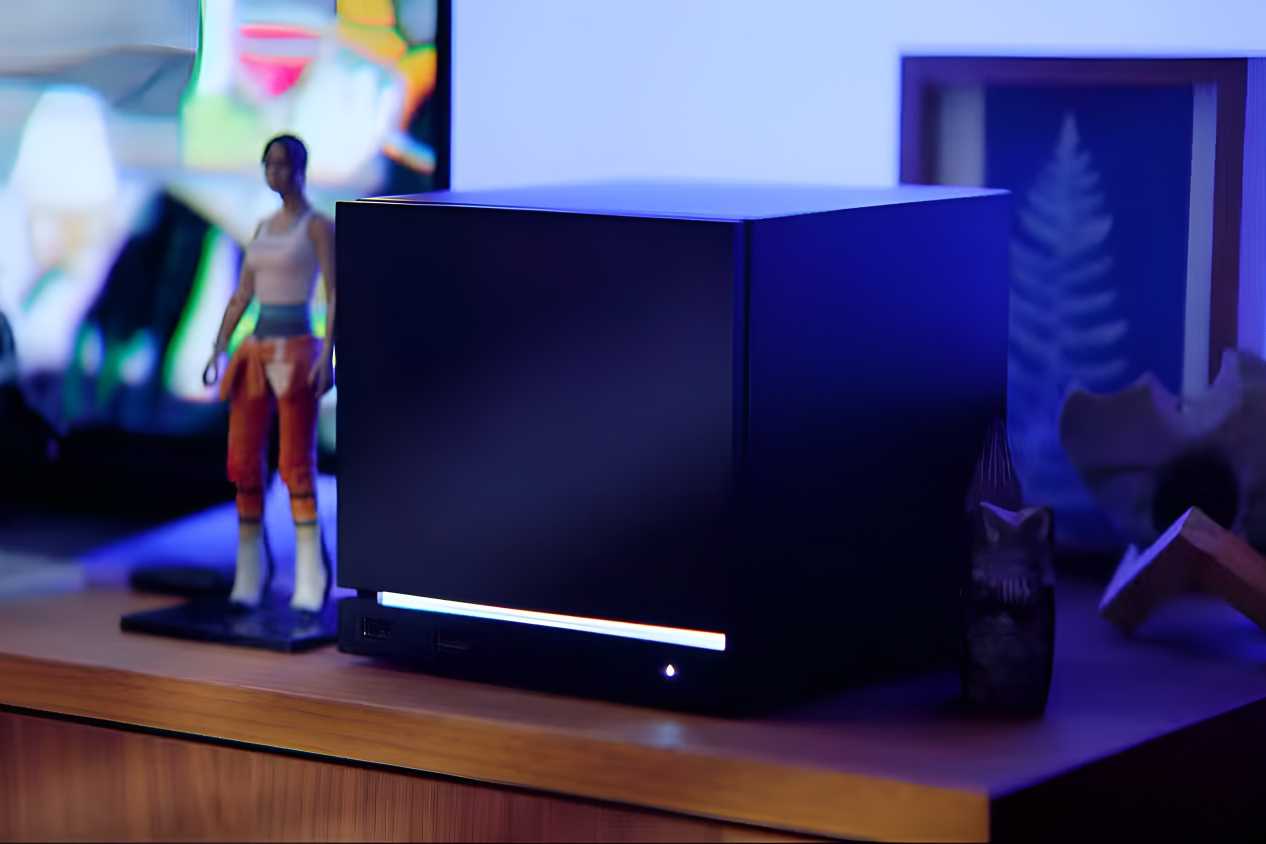




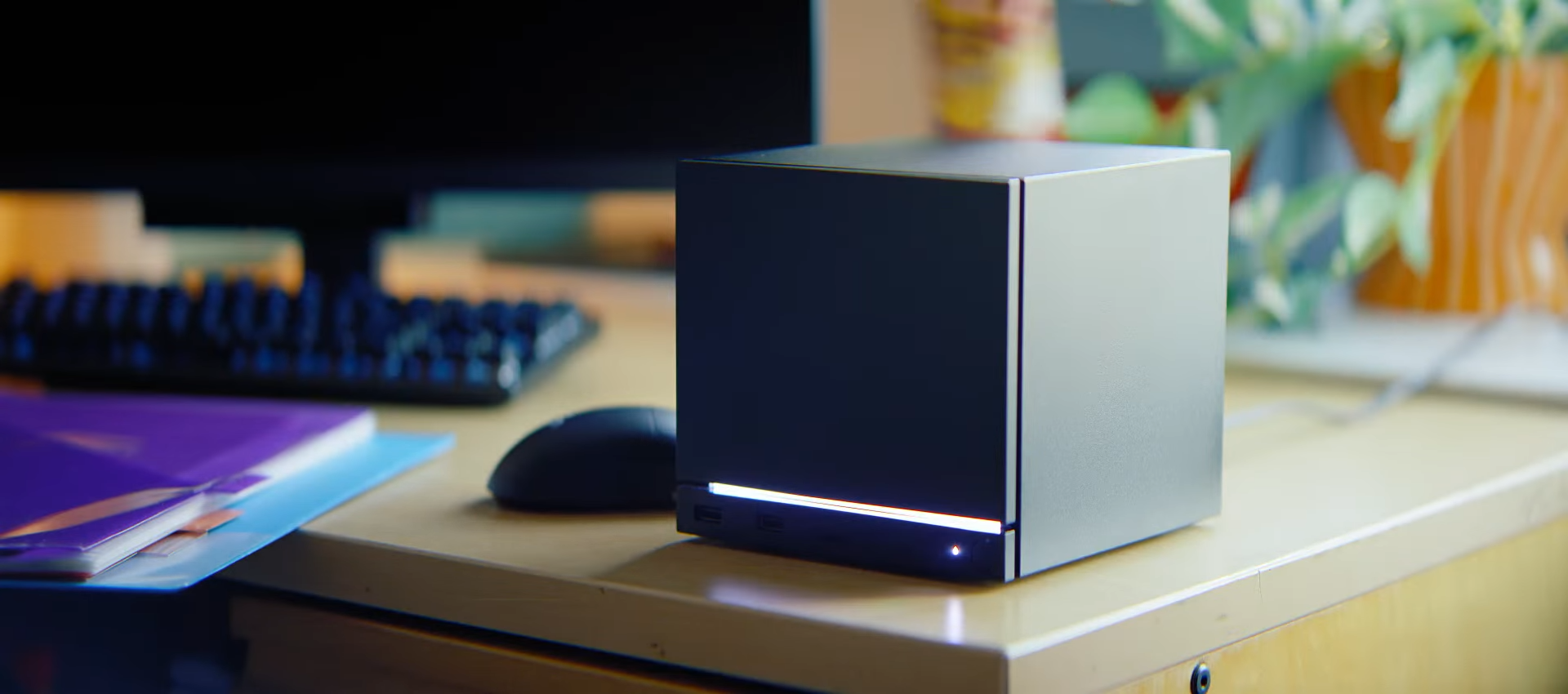 Credit: Valve
 Credit: Valve


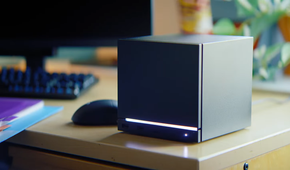




Now, I don't mean to say that the Steam Machine is weak by any means — it is not a bad piece of hardware. CPU aside, the RDNA 3 GPU with 8GB of VRAM and the 16GB DDR5 RAM certainly make it a capable PC. However, the 16GB DDR5 RAM runs on a single channel since it is a single module. You'd still be able to game at 1440p with decent FPS and graphical settings, of course, but don't expect 4K 60FPS gaming, even with upscaling, as Valve claims.
If anything, with the current specs, the Steam Machine will only take a performance hit in CPU-bound or open-world games due to limited memory bandwidth. According to Digital Foundry's testing, the Steam Machine's CPU is slower than the entry-level AM4 processor, the Ryzen 5 5600X, which is a cause for concern. Overall, the Steam Machine performs more or less the same as the PlayStation 5.
The specs wouldn't even be an issue if it weren't for the price
The Steam Machine is about 2–3 years too late

The thing is, the Steam Machine is an expensive piece of hardware: it starts at $1050 and goes up to nearly $1500 — and at this price, it is only natural to expect high-end performance. Regardless, I can hardly blame Valve for that. The current inflated hardware prices are due to the AI boom, which is why the Steam Machine will be priced more than intended — the same market pressures have also pushed the Steam Deck to be sold as high as $950.
However, with the specs and the performance level, the Steam Machine looks like a late release. The console would've been an instant success with no eyebrows raised had it been released a couple of years ago — the specs would've held up, and the hardware wouldn't have been as expensive as it is today. The Steam Deck has already raised the bar too high for Valve and, judging by the way things are right now, Valve won't be able to bottle the same magic again.
Conclusion
If Valve's intent is to target console gamers, they might fail terribly, but it isn't their fault either — the current hardware market is harsh on any manufacturer. The average consumer won't pay $1050 for a PC-console hybrid that doesn't deliver on its 4K 60FPS promise, and, on top of that, it can't even run most multiplayer games because SteamOS, being a Linux-based OS, lacks kernel-level anti-cheats. However, Valve has a solid reputation in the gaming industry, and the Steam Machine will sell well — just don't expect the same impact as the Steam Deck. At the very least, I think the future of PC-based home consoles is bright, and the next-gen Xbox could learn a thing or two from the Steam Machine and capitalize on the situation by learning from its launch and avoiding its mistakes.

Steam Machine
- CPU
- AMD Zen 4 CPU 6 cores, 12 threads
- RAM
- 16GB DDR5
The Steam Machine is Valve's latest hardware offering that combines the best of the PC and console worlds, all in a miniature box designed to sit in your living room, delivering 4K 60FPS gaming performance.