


Every PC comes with multiple USB ports, and if you’re like most people, you probably only use the same one or two all the time. And if you’ve never checked how those ports are different from the ones you’re ignoring, there’s a good chance you’re settling for slower file transfer and charging speeds. I don’t blame you, though. Neither Windows nor PC manufacturers make enough effort to tell you any of this.
USB ports may all look the same, but they aren’t
Stop using the most convenient port




 Credit: Gavin Phillips/MakeUseOf
 Credit: Christian Cawley/MakeUseOf
 Credit: Brady Snyder / MakeUseOf


Unless you’re the kind of person that reads manuals for fun, all USB ports on your PC or laptop may seem identical. But USB has gone through several generations over the years, and each one came with a significant jump in how fast it can actually move data.
And knowing this matters because USB 2.0, which was released in April 2000, is still around. It tops out at 480Mbps, which sounds fine until you realize USB 3.0 is ten times faster at 5Gbps. That means if you’ve been plugging your SSD into the USB 2.0 port this whole time, you’ve been blaming the SSD for nothing. The best way to avoid this is to understand what different USB standards actually mean.
|
USB version |
Max theoretical speed |
Realistic file copy |
|---|---|---|
|
USB 2.0 |
480 Mbps |
30–40 MB/s |
|
USB 3.0 / 3.1 Gen 1 |
5 Gbps |
100–400 MB/s |
|
USB 3.1 Gen 2 / 3.2 Gen 2 |
10 Gbps |
up to ~1 GB/s |
|
USB 3.2 Gen 2x2 |
20 Gbps |
up to ~2 GB/s |
|
USB4 / Thunderbolt 3/4 |
40 Gbps |
up to ~3 GB/s |
The wrong USB port can slow down file transfers and charging
The closest port is rarely the fastest one
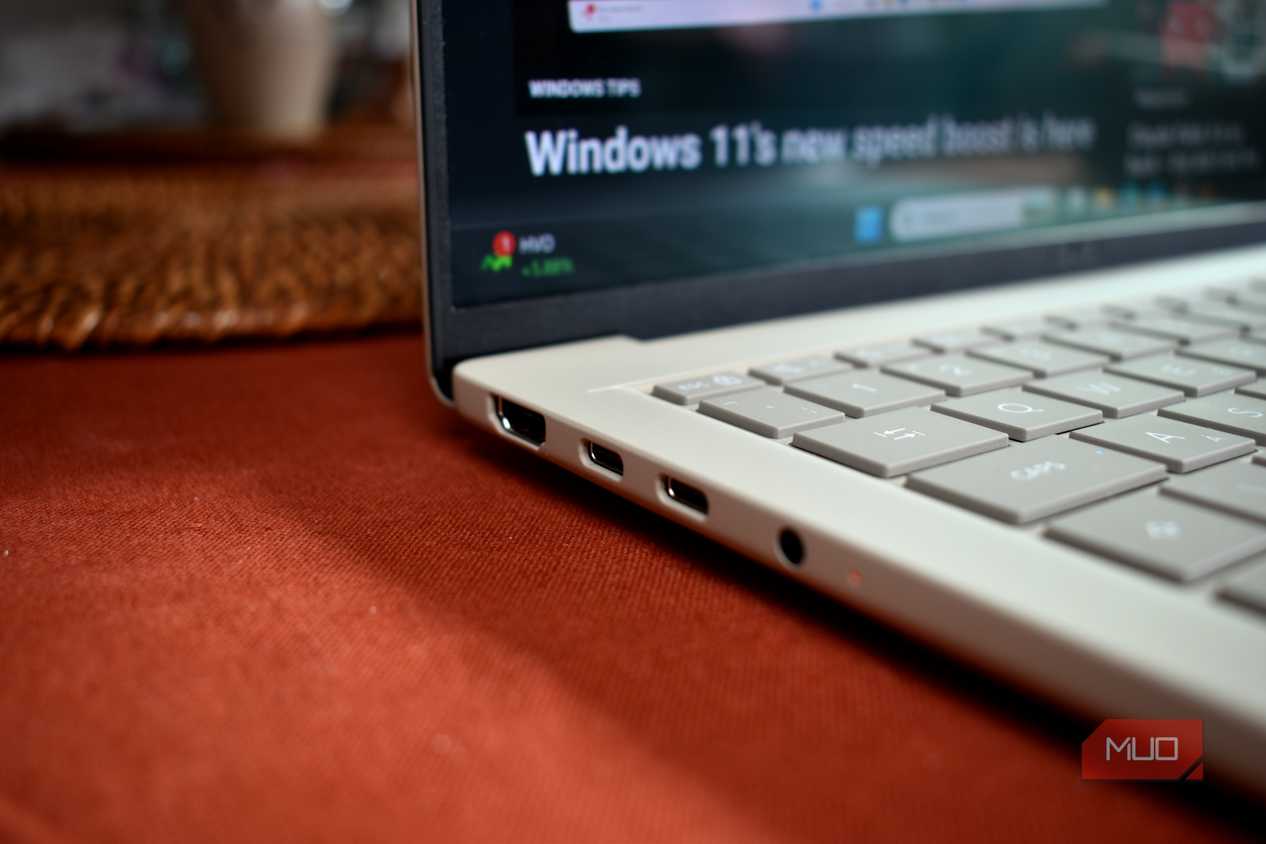
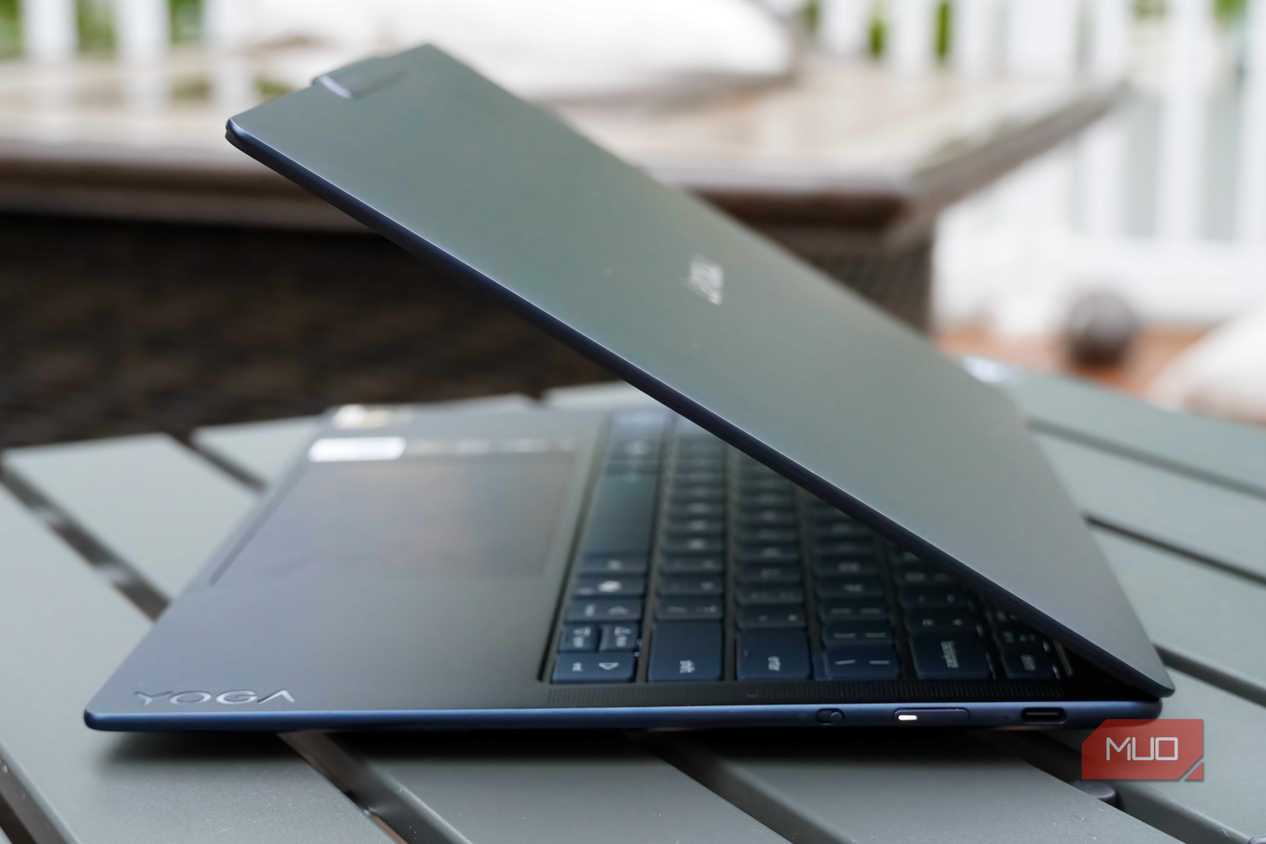
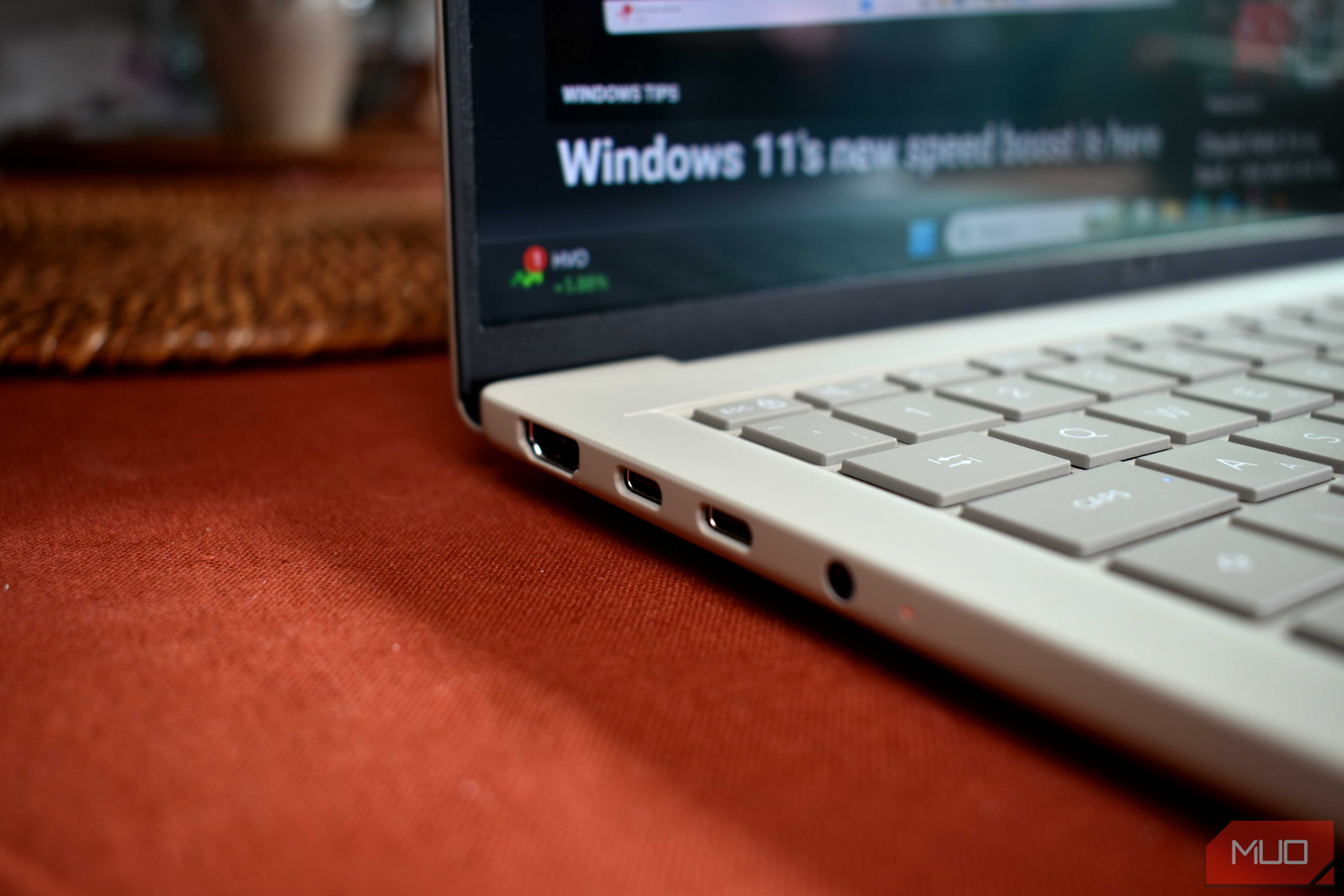
Most PCs and laptops come with at least three or four USB ports scattered in different places. And like most people, I used to just grab whichever one was the most convenient. On a desktop, that meant using the ports on the front panel, while on a laptop, whichever side the cable reached naturally.
The problem is that the most convenient USB port isn’t always the fastest one. If you’re using the faster ports for peripherals like the keyboard and mouse, while plugging in storage drives into slower ports out of habit, you could be leaving a lot of transfer speeds on the table. Even if two USB ports are sitting right next to each other, one could be USB 3.2 Gen 2, while the other one might be USB 3.2 Gen 1.
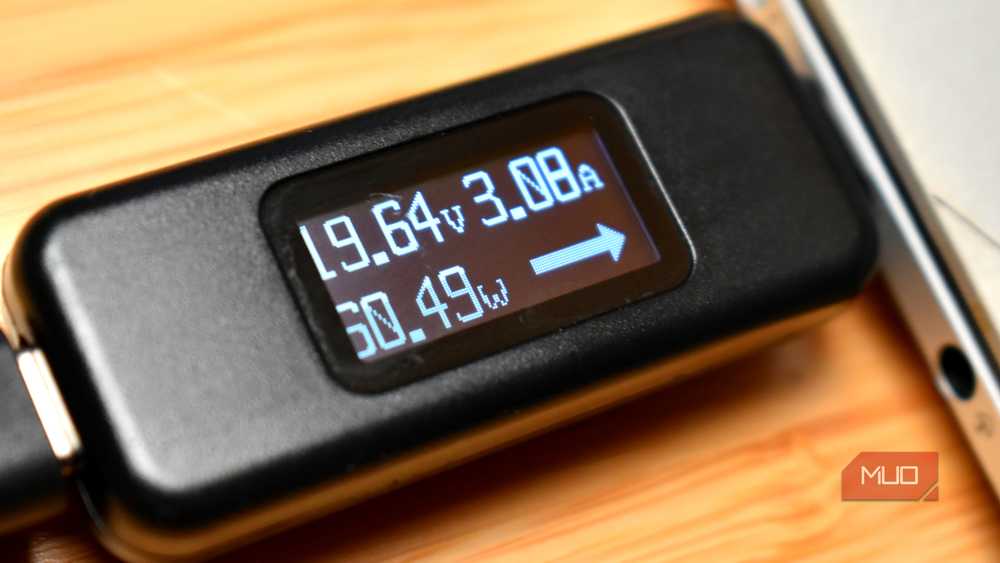
It’s not just about file transfer speeds either. USB standards also affect charging speeds. USB 2.0 ports max out at 2.5W only, while USB 3.x can do up to 4.5W. A proper USB-C PD port can go much higher. So if you’re picking a random USB port for powering your phone, smartwatch, earbuds, or something else, you're charging a lot slower than you could.
USB-C ports on your PC can vary just as wildly. One might be USB4, while the other one might support Thunderbolt 5. You’d never notice this either, because your drives will show up, your device will charge, and files will copy over fine. It’s just that all these things will be slower than what they could be.
Identifying USB ports is easy
Choose wisely
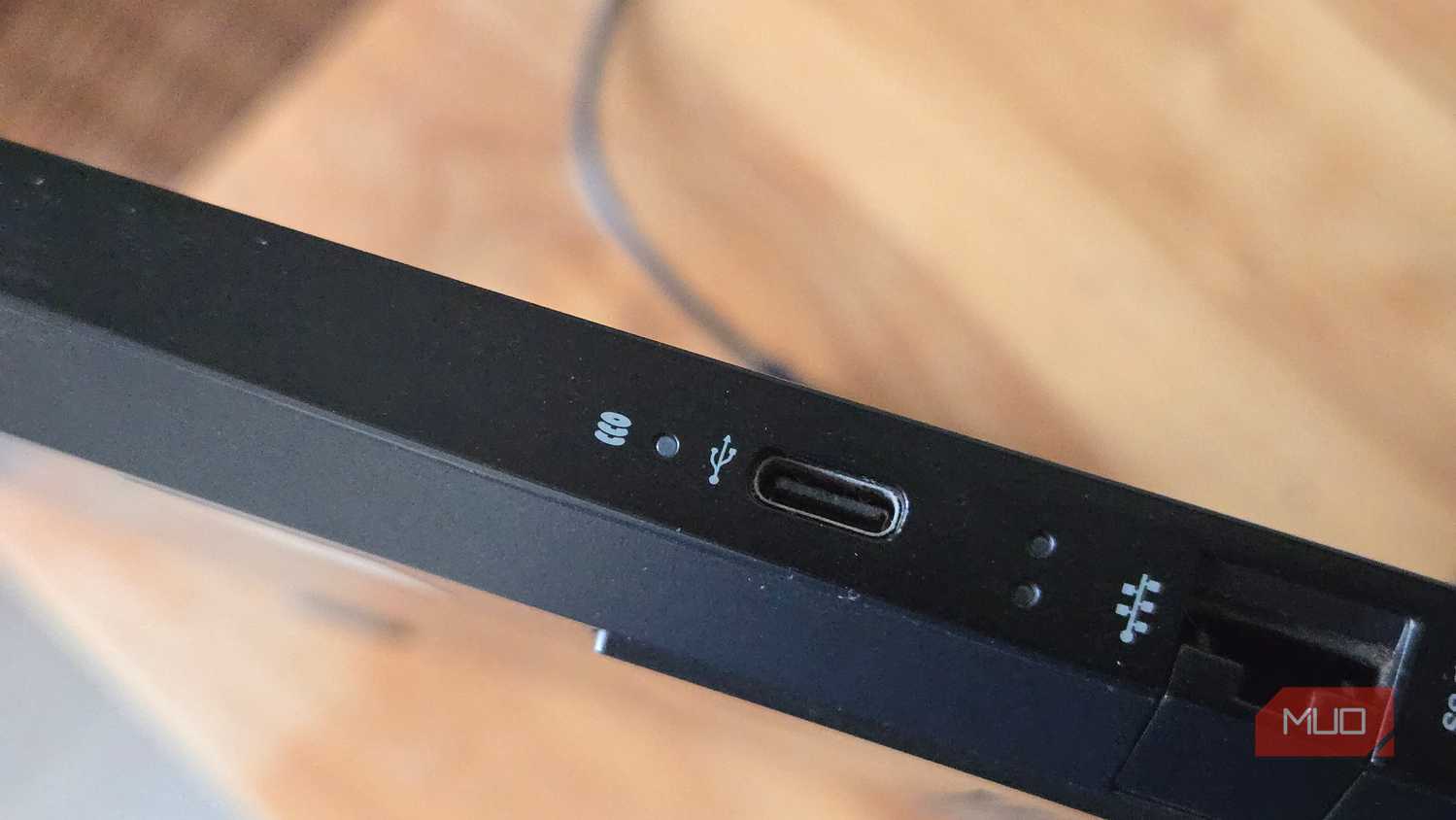
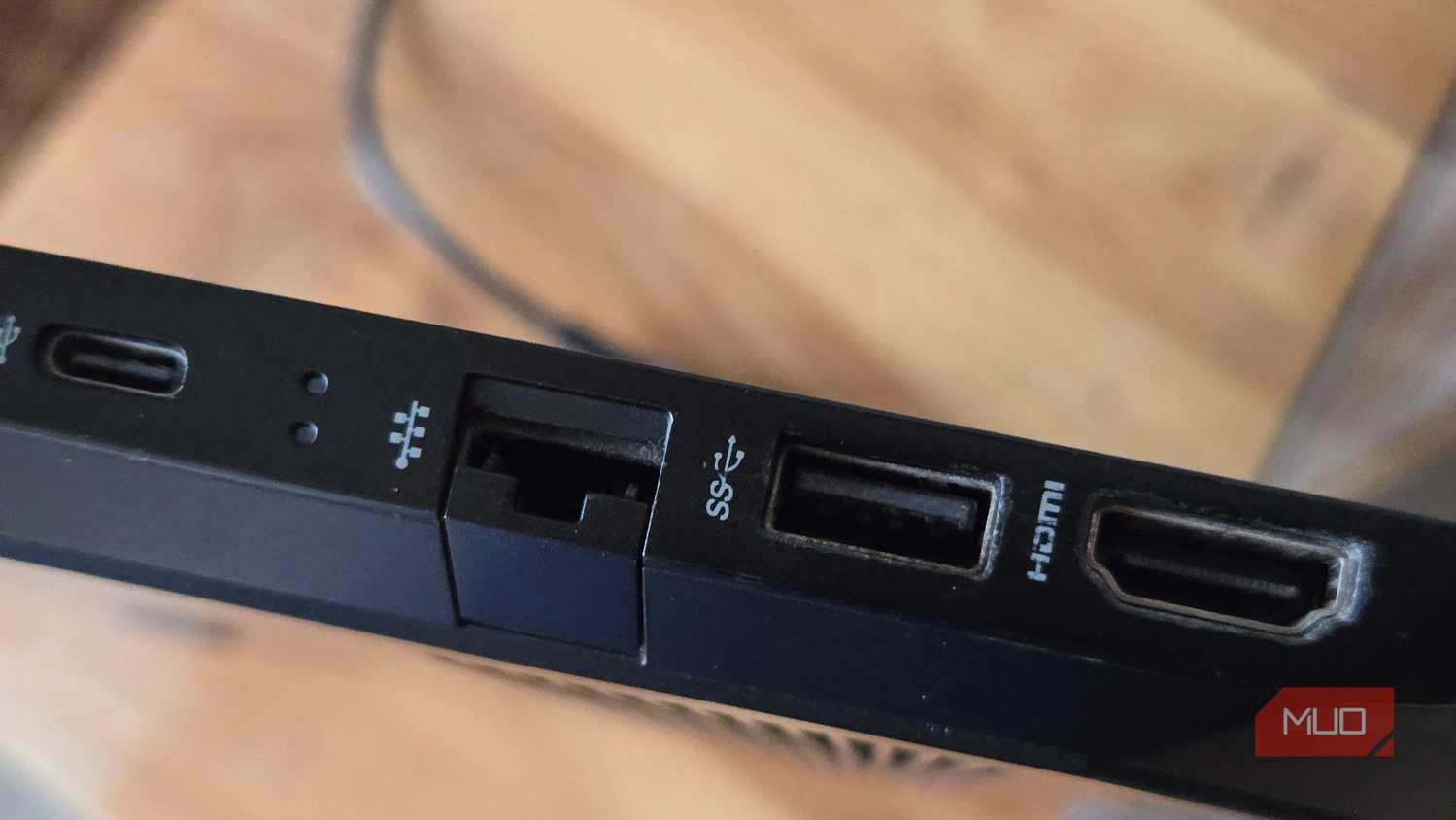
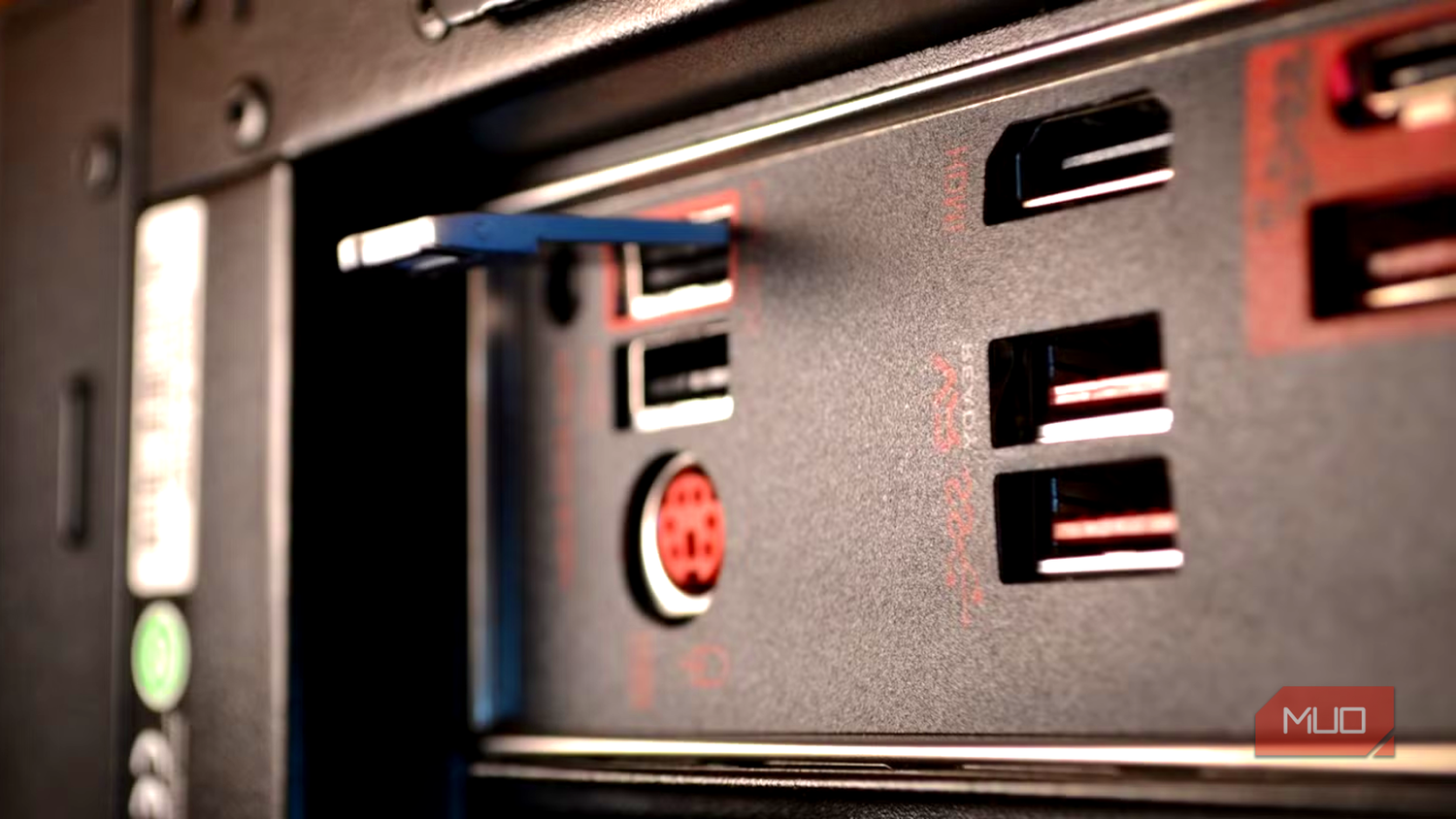


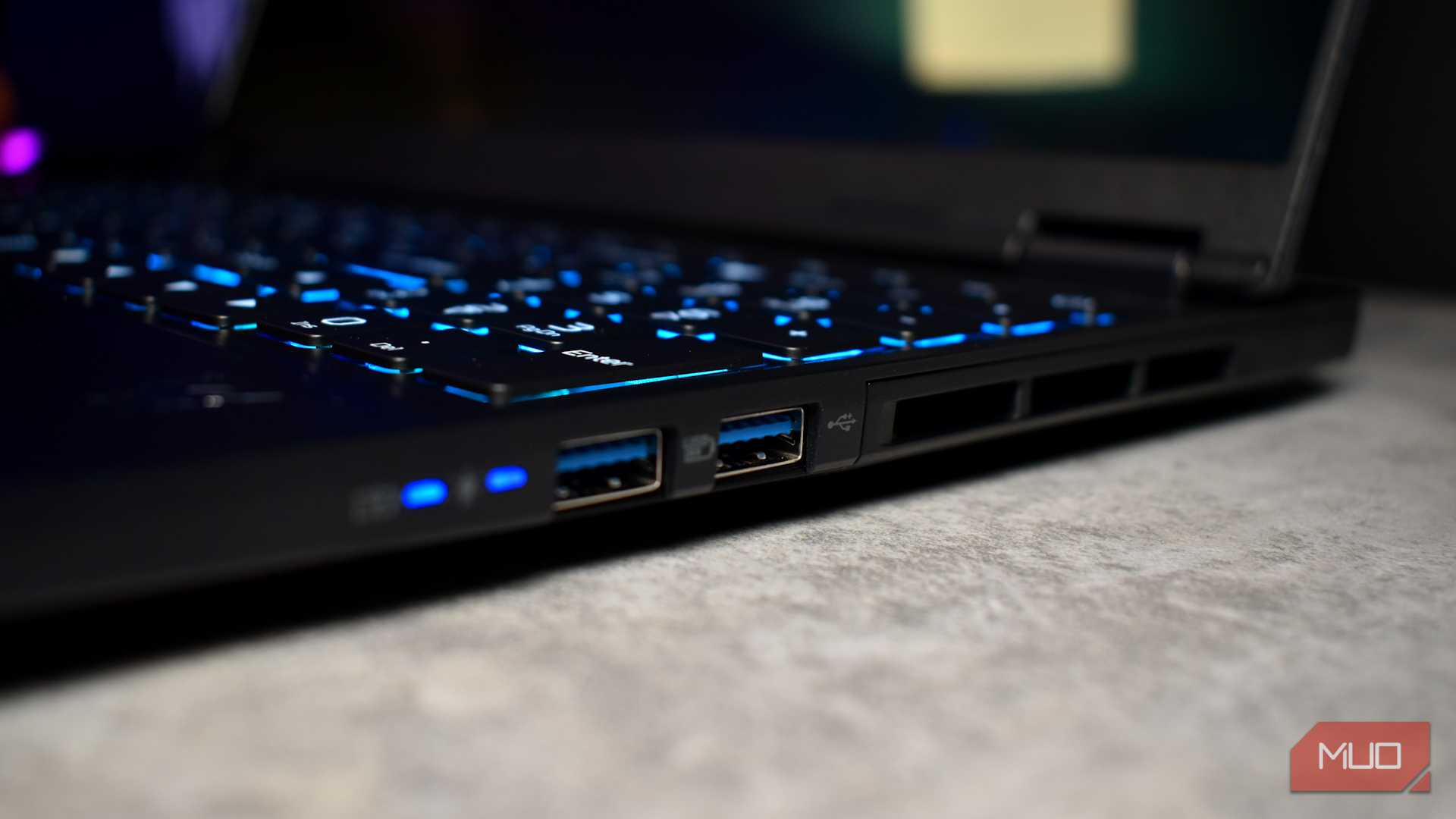 Credit: Gavin Phillips/MakeUseOf
 Credit: Andy Cormier / MakeUseOf
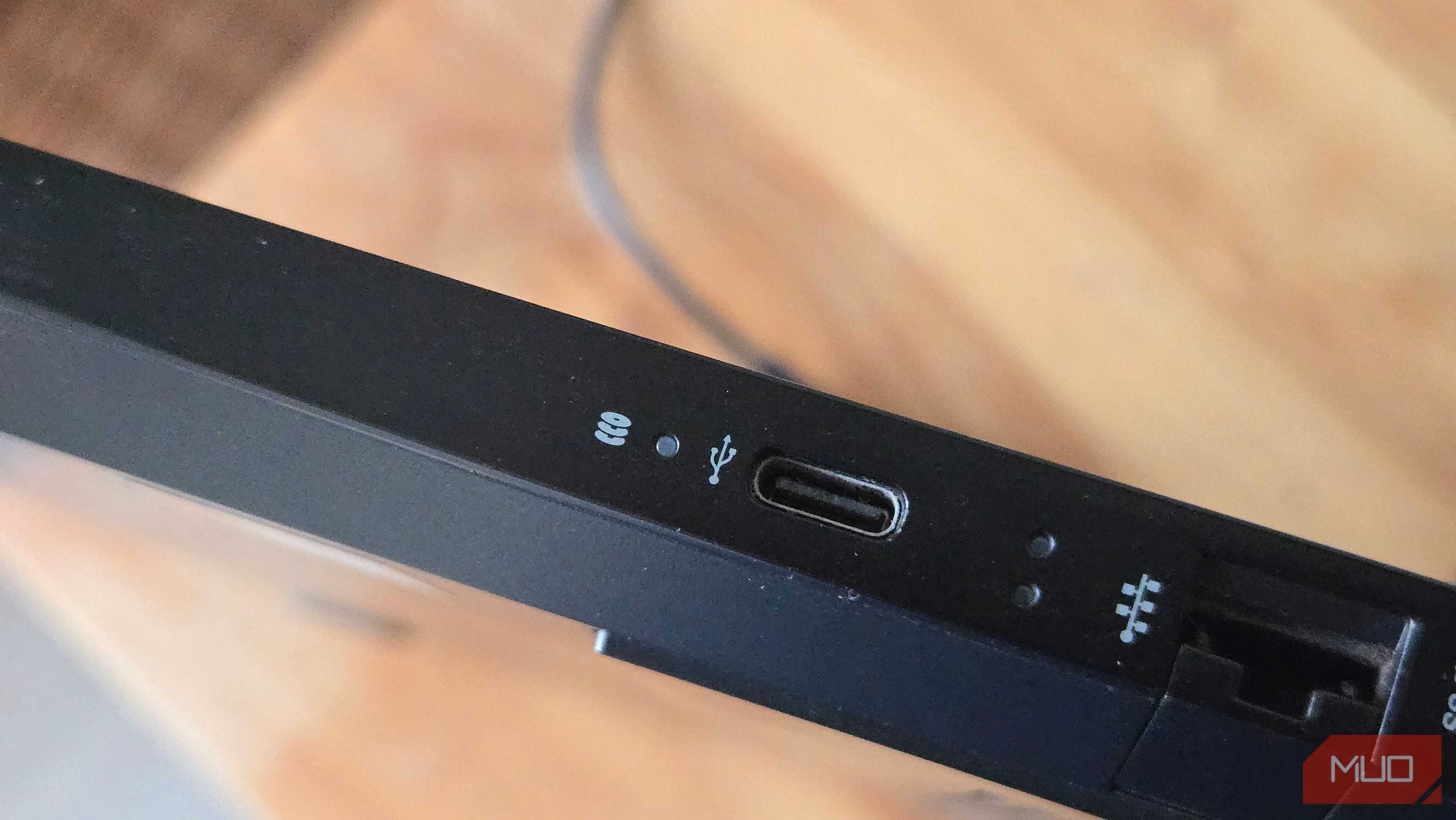 Credit: Tashreef Shareef / MakeUseOf
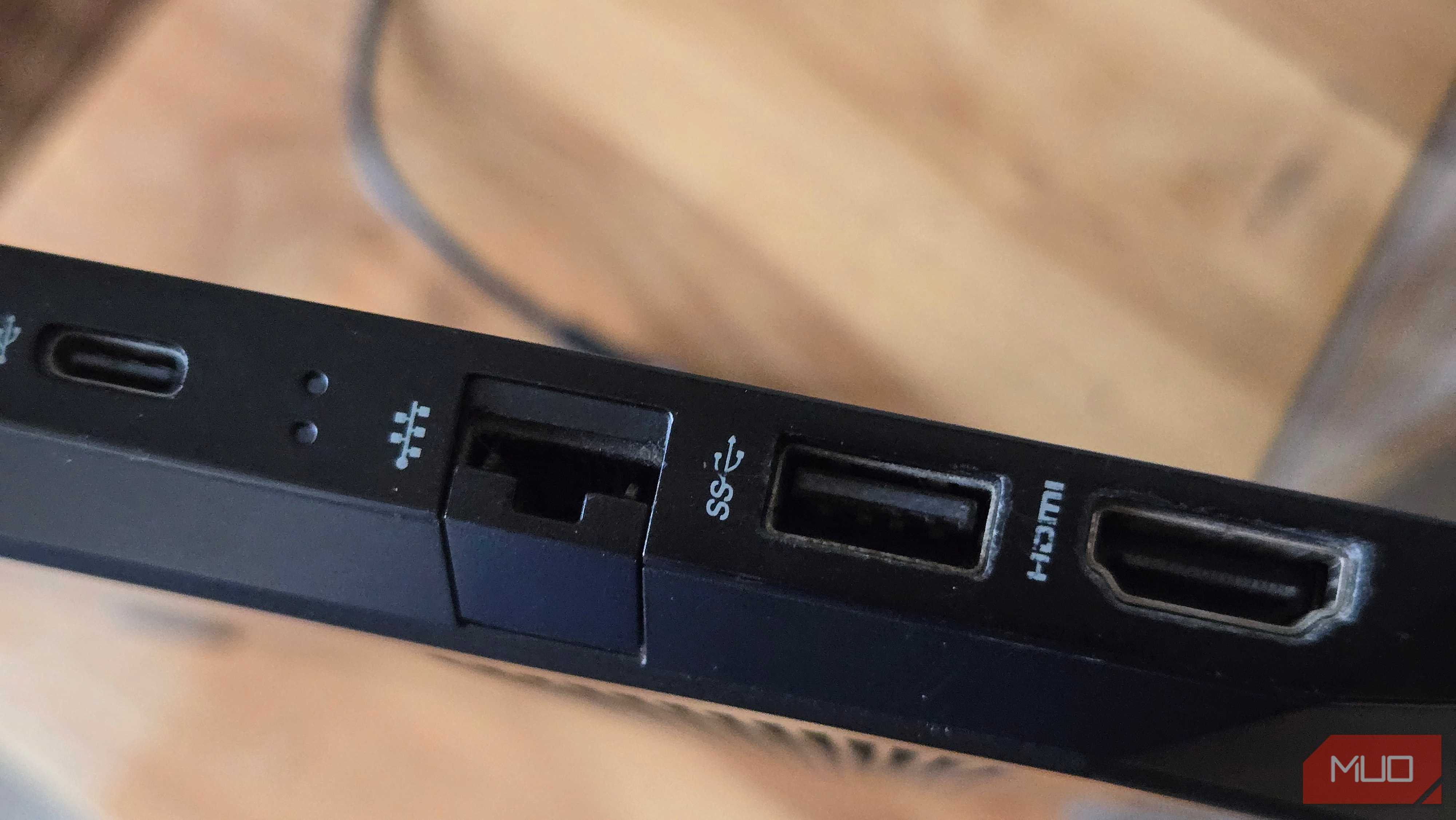 Credit: Tashreef Shareef / MakeUseOf
 Credit: Gavin Phillips / MakeUseOf
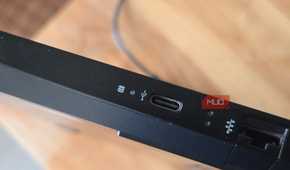
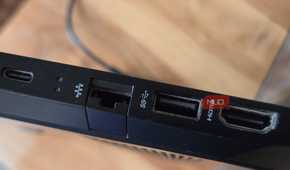
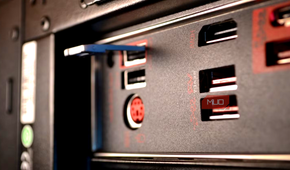
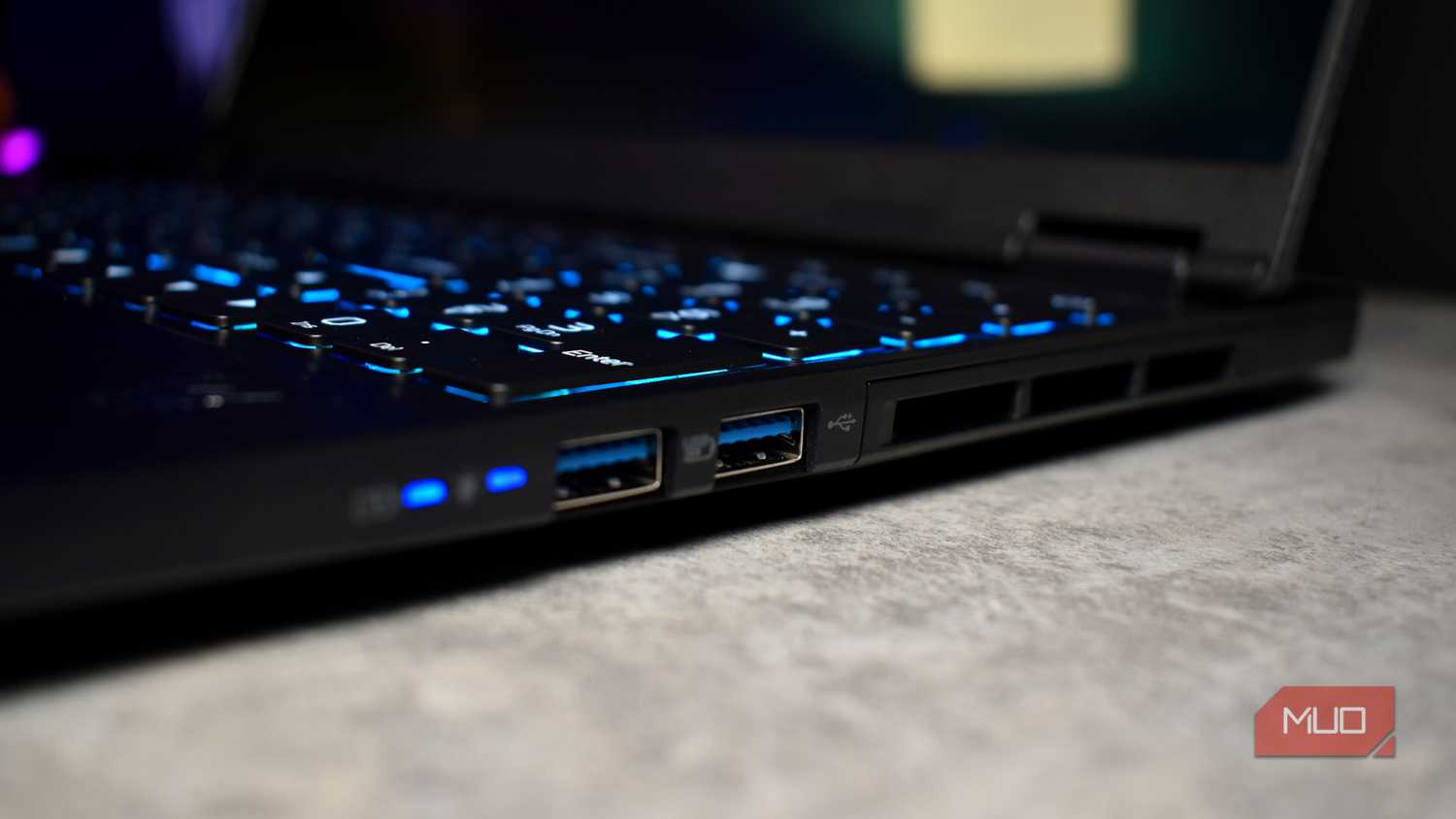
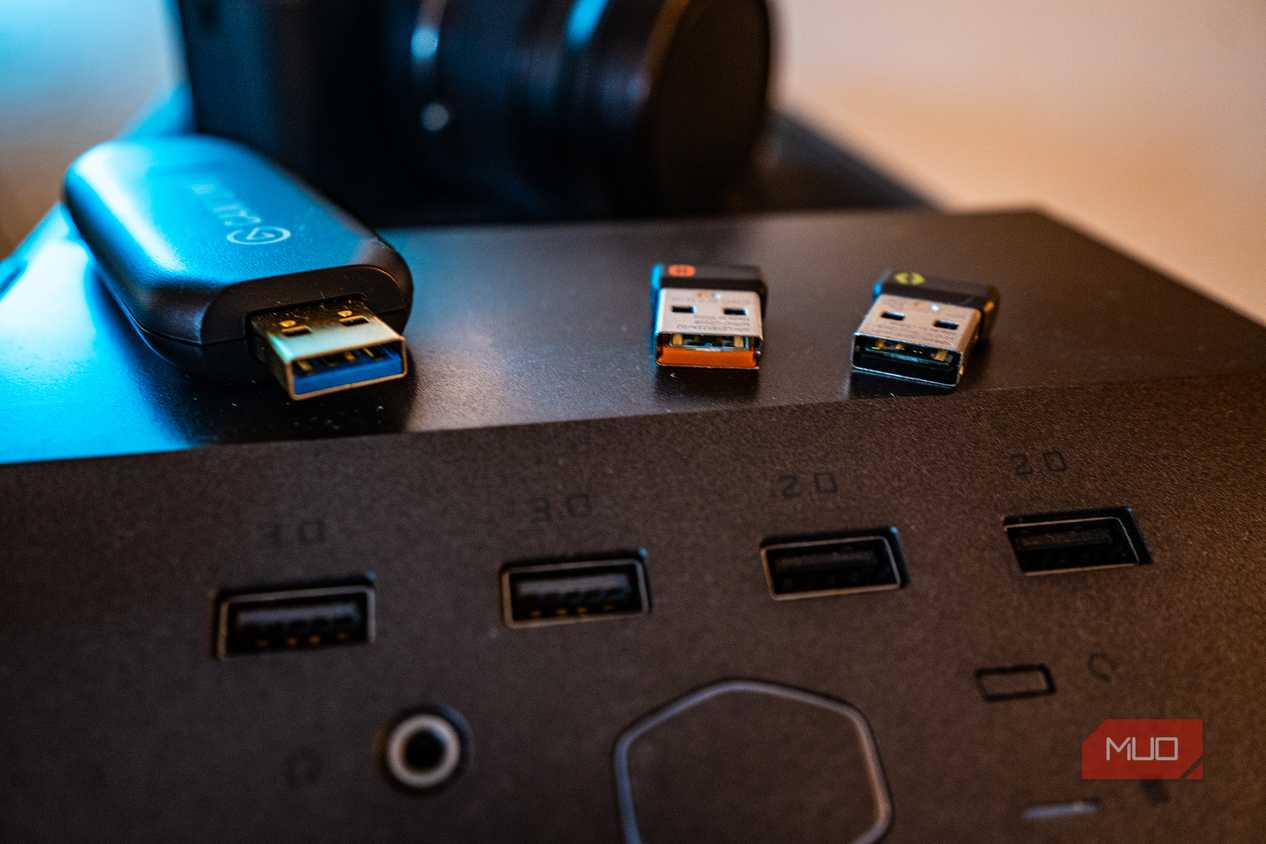
Understanding USB standards is one thing, but how do you actually identify ports on your PC? Well, there are a few ways. The most obvious giveaway is color. USB 2.0 ports are typically black, while USB 3.0 ports are blue. Some manufacturers use green or teal to mark USB 3.1 Gen 2 ports, while the red color usually means the port stays on even when your PC is off.
The big catch is that there’s no universal standard for color coding USB ports, so a blue USB port can still be USB 2.0 standard. The good thing is that most reputable manufacturers follow these conventions, so color is still a decent first signal.
|
Color |
Generation |
Speed |
Power Output |
|---|---|---|---|
|
White |
1.0 |
12Mbps |
2.5W |
|
Black |
2.0 |
480Mbps |
2.5W |
|
Blue |
3.0 |
5Gbps |
4.5W |
|
Teal/Red |
3.1 Gen 2 |
10Gbps |
4.5W |
The second thing to look for is the logo next to the USB port, if there is one. A plain USB trident symbol means USB 2.0, but if you see SS (SuperSpeed) next to it, that’s USB 3.2 Gen 1 at 5Gbps. SS+ or SS10 means USB 3.2 Gen 2 at 10 Gbps. Some ports also have a lightning bolt symbol, which means they support fast charging.
If the ports don’t have any markings at all, open Device Manager and expand the Universal Serial Bus controllers section. Every USB port on your system will be listed there, and the name itself usually tells you the generation. It doesn’t map ports to physical locations, but it tells you exactly what’s in your system. If you still have doubts, the best thing to do is look up your motherboard or laptop model online, and it’ll tell you everything important.