

US Data Centers Drive Alarming Gas Power Expansion Amid Concerns Over Emissions
US data centers are rapidly expanding their reliance on gas-fired power, with a significant increase in gas projects for data centers in development.
Search
Results for "Emissions".
US data centers are rapidly expanding their reliance on gas-fired power, with a significant increase in gas projects for data centers in development.

New research finds that by making the fossil fuel industry more productive, AI could help increase carbon emissions by up to nearly 5 percent, vastly outpacing the impact of data.

Microsoft reported a 25% increase in greenhouse gas emissions last year, driven primarily by the expansion of its data center infrastructure.

New research reveals the climate is pushing the cryosphere, including ice, permafrost, and snow, beyond its safe operating space, with grave implications for global stability.

Former DSA member and Sunrise Movement founder Will Lawrence discusses data center policies and his plans for Washington, DC.

Radar-equipped air conditioners are emerging as a promising solution to reduce energy consumption and improve comfort, especially as global heatwaves intensify and demand for cooling rises.

A new study suggests that human activities, particularly the burning of fossil fuels, may have prevented the Earth from entering another ice age.

New research highlights severe climate conditions, including record-breaking ice loss and ocean heat, with dire warnings for ecosystems and global temperatures.

Data center defenders face a climate crisis, with protests and concerns about emissions and energy use dominating the conversation.

Researchers have detected radio emissions from Beta Pictoris b, the middle planet in a young planetary system, marking a groundbreaking discovery.

A new startup aims to improve the efficiency of data center power by using supercritical carbon dioxide, a technology that promises to reduce emissions and increase energy output without adding more emissions.

Data centers are at the center of political, business, and environmental debates, sparking a backlash ahead of the 2026 midterm elections.

The 2026 El Niño could be the strongest on record, potentially leading to extreme weather events and significant economic impacts globally, according to a new analysis by climate scientist Zeke Hausfather.
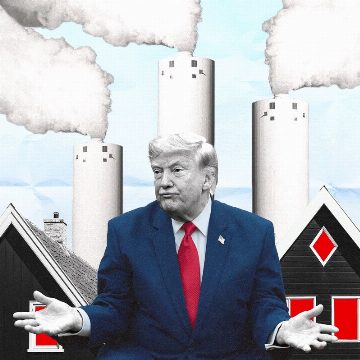
The Trump administration is considering a rule change that could make it easier for polluters to build facilities with little public notice, potentially weakening public engagement in the permitting process.

The 2026 FIFA World Cup and Coldplay’s 2024 European tour generate significant cultural and economic value but also substantial greenhouse gas emissions.

Europe is facing a climate crisis that is pushing the demand for air conditioning higher, with the International Energy Agency predicting that by 2050, two-thirds of households could own an AC.

A new study suggests that dimming the sun could help mitigate the impacts of future El Niños and global warming, potentially averting severe economic losses.

An international team has produced the first global map of the vast mycorrhizal network, the underground fungal system that supports plant life and regulates Earth's climate.
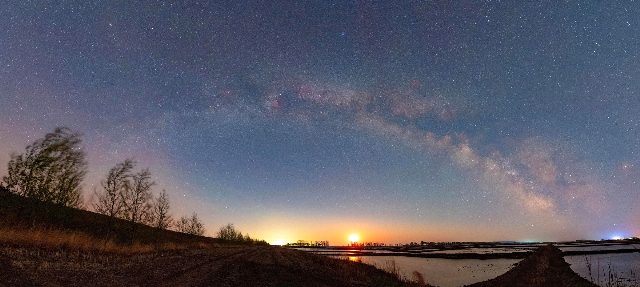
A research team has identified a white dwarf binary system as the source of mysterious periodic radio signals, offering the strongest evidence yet to explain these long-period radio transients (LPTs).

Innovative architects and engineers are developing sustainable building solutions that address both the global housing crisis and the construction industry's carbon footprint.

The recent oil crisis has forced airlines to reconsider their reliance on traditional jet fuel, potentially paving the way for a sustainable aviation fuel revolution.

Three Amazon employees have called for regulations on new data centers in Seattle, urging local governments to set terms for their development amid concerns about environmental impact, economy, and safety.