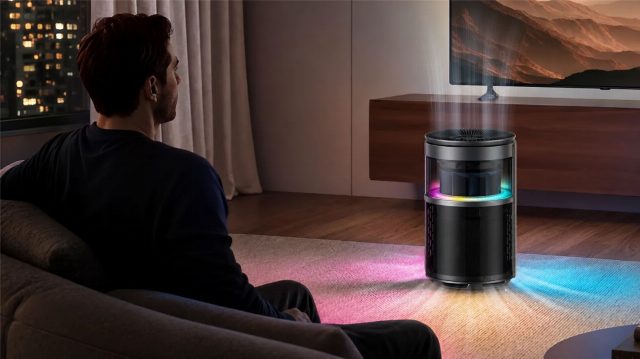
In 2027, the world is facing unprecedented heatwaves, with 2027 set to be the hottest year on record. As cooling needs continue to grow, the demand for air conditioners (ACs) is expected to surge, potentially reaching 5.5 billion units by 2050. Traditional ACs account for around 20% of electricity used in buildings worldwide, contributing significantly to greenhouse gas emissions. To address this challenge, a suite of emerging technologies is being developed, including radar sensors, compact heat pumps, and climate-safe refrigerants. These innovations are designed to provide more efficient and targeted cooling, reducing energy consumption and lowering power bills. One such technology is radar sensors, which can track occupants with millimeter-level precision. For example, LG’s DualCool AI AC uses a 5-meter radar sensor to detect people and target cooling based on their movement patterns. Dyson’s Find+Follow feature, available in its Purifier Cool fan, uses a simple camera to track occupants and adjust airflow accordingly. Samsung’s Bespoke AI WindFree Pro AC features a motion radar sensor that can track two occupants and deliver personalized cooling. Midea’s VitaBreeze AC combines user photos with millimeter-wave radar sensors to create a 3D virtual grid of the room, allowing for precise adjustments. These advancements in radar-equipped ACs offer significant potential for reducing energy use and improving comfort, making them a valuable tool in the fight against climate change and rising energy costs.