

Introduction
The crash of two driverless race cars at the Abu Dhabi Autonomous Racing League (A2RL) has sparked a discussion on the state of autonomous vehicle technology. This article explores the incident, its implications, and what it means for the future of autonomous vehicles.
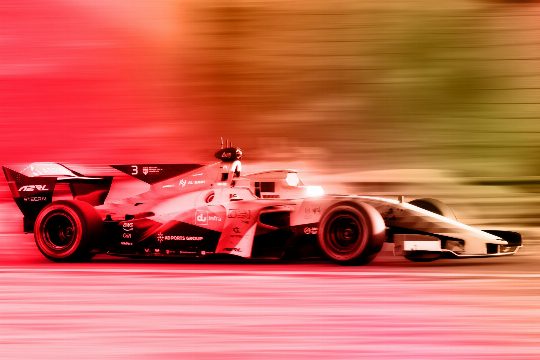
The Incident
During a race at the Autodromo Internazionale Enzo e Dino Ferrari in Imola, Italy, two driverless race cars, one from PoliMove and one from Unimore, collided at high speeds. The incident highlighted the challenges and limitations of autonomous vehicles, particularly in high-stress environments such as racing tracks.
The Race and Its Context
The A2RL, launched in 2024, aimed to introduce self-driving cars to motorsport to test their capabilities. The race at Imola revealed these capabilities, demonstrating the gap between the computational abilities of autonomous vehicles and their response to unforeseen events. Only two out of five cars completed the race.
Lessons from the Crash
The crash at the Imola race revealed several critical issues with autonomous vehicle technology:
Perception and Response
The cars' sensors and software struggled to perceive and respond to unexpected situations, such as the car ahead braking suddenly. This revealed the limitations of current perception and decision-making algorithms.
Mechanical Failures
Mechanical issues, such as a stuck brake, also played a role in the crashes. This highlights the importance of robust hardware and the need for autonomous systems to be resilient in the face of mechanical failures.
Data and Localization
The crash also exposed the importance of accurate data and precise localization. The cars' reliance on GPS alone to continue racing at speed after losing sensor data was problematic.
The Future of Autonomous Vehicles
The A2RL’s organizers believe that these motorsport environments can provide valuable insights for developing more resilient hardware and software. They also see potential applications for predictive algorithms in civilian vehicles, such as helping them respond to emergencies.
Conclusion
The crash at the Imola race is a reminder of the challenges and limitations of autonomous vehicle technology. It also underscores the importance of continued testing and development to ensure the safety and reliability of these systems in real-world scenarios. As autonomous vehicles become more prevalent, understanding and addressing these issues will be crucial for their successful integration into society.
Comments