
Introduction
The US government and Texas-based de-extinction company Colossal Biosciences are collaborating to establish a national repository of endangered and threatened species' genetic material. This initiative aims to bolster wildlife conservation efforts, particularly in light of recent moves by the Trump administration to weaken endangered species protections.
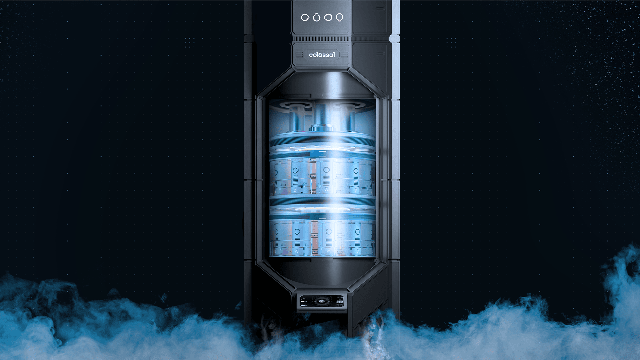
Genetic Material Collection
The partnership involves the US Fish and Wildlife Service and scientists collecting cells, reproductive tissues, and DNA from over 2,300 plant and animal species protected under the Endangered Species Act. These samples will be cryopreserved and stored at Colossal’s lab in Dallas, with duplicate samples distributed across the country.
Storage and Data Sharing
Colossal will perform genetic sequencing on the samples and make the data available to researchers and conservationists. The federal government will own the samples, which will be stored at the company's lab in Dallas. The company has already begun providing collection kits to partners in the field, enabling them to take samples of blood, skin, and other tissue.
Historical Context
This collaboration brings together the scientific expertise of the US Fish and Wildlife Service and the ingenuity of the private sector. Historically, the US Fish and Wildlife Service has used cryopreserved cells to clone the black-footed ferret, one of the most endangered mammals in North America. The Frozen Zoo at the San Diego Zoo Wildlife Alliance provided the sample for this work.
Potential Applications
The samples could be used to rescue species on the brink of extinction. Under the proposed changes to the Endangered Species Act, the Trump administration has proposed major changes that could weaken protections for at-risk species.