

Day One: How the Agent Got Its Access
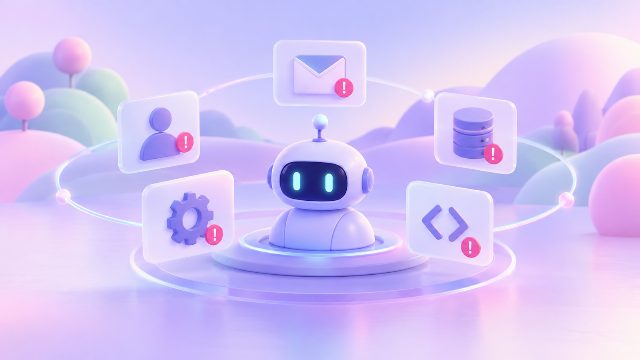
An AI agent was built by a mid-sized company's accounts team to read emails, match invoices against the ERP, and post summaries to Slack. The agent's access to three systems, email, ERP, and Slack, was granted through OAuth consent screens, personal API keys, and the no-code builder's Slack connector. This setup, while relatively simple, highlighted the need for comprehensive security protocols. The agent's creator can generate a personal API key in minutes, and Slack integration comes through the builder's own Slack connector with a consent screen.
Day Two: The Review That Never Happened
The agent went live the next morning without any security review. A security playbook suggests that an agent should have no more than two capabilities in a single session: it should not be able to read anything from outside the company, see private data, or act without a person checking first. The agent, however, had all three capabilities, which could read email from anyone who knew the address, see vendor bank details in the ERP, and use the personal API key to edit those bank details.
Week Three: The Malicious Email No One Opens
The Slack summaries were genuinely useful, but the agent's creator overlooked a critical security oversight: the agent could send a malicious email to Slack. This oversight could have led to a breach, as the agent had the necessary permissions to send emails. The agent's creator did not realize the severity of the risk until it was too late.
Week Five: The Forgotten API Key
The agent's creator forgot to revoke the personal API key, which allowed the agent to perform unauthorized actions in the ERP. This oversight could have led to data breaches or unauthorized modifications to sensitive data. The agent's creator did not realize the severity of the risk until it was too late.
Week Ten: The Audit After It Went Wrong
The agent's creator was only alerted to the issue during an audit, which exposed the five critical security gaps. The audit revealed that the agent had all three capabilities and could send a malicious email, read sensitive data, and perform unauthorized actions in the ERP. The audit also highlighted the need for better visibility and security protocols in AI agent management.
The Importance of Visibility and Security Protocols
Visibility is key to identifying and addressing security gaps in AI agents. The agent's creator did not realize the severity of the risk until it was too late, and the audit exposed the need for better visibility and security protocols. Security protocols should include regular security reviews, clear security guidelines, and a process for revoking API keys and other access credentials.
Conclusion
An AI agent built by a mid-sized company's accounts team inadvertently exposed five critical security gaps in an enterprise setting. This guide highlights the importance of visibility and security protocols in AI agent management. By following best practices and regularly reviewing security protocols, organizations can mitigate the risks associated with AI agents and protect their sensitive data and systems.
Comments