
Introduction to Fitbit Edge and Fitbit Air Comparison
Google recently unveiled the Fitbit Edge, a fitness band that aims to bridge the gap between the Fitbit Air and the Pixel Watch 5. Unlike the Fitbit Air, which lacks a screen, the Edge features an AMOLED display, making it more practical for everyday use. However, the Edge comes at a higher price point of $80 more than the Fitbit Air. This article delves into the health features of both bands to determine if the additional cost is justified.
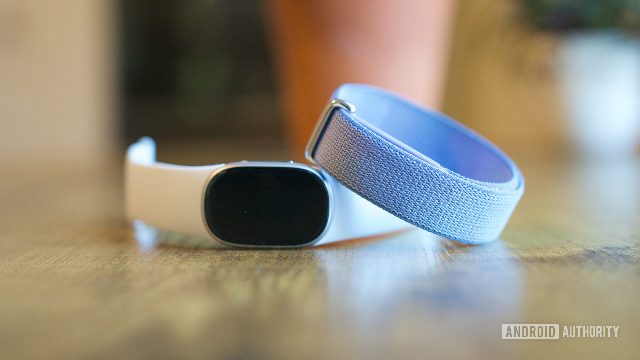
Design and Display
The Fitbit Edge boasts a compact and lightweight design, complemented by an AMOLED display. This display allows users to check their workout stats directly on their wrist, eliminating the need to reach for their phone. The Edge's design and display are notable improvements over the Fitbit Air, which is screenless.
Health Features Comparison
While the Edge's display and design are noteworthy, the primary focus of this article is to evaluate the health features. The Fitbit Air and Fitbit Edge both offer a range of health tracking capabilities, including heart rate monitoring, sleep tracking, and activity tracking. However, the Edge includes additional features that may be of interest to users.
Additional Features of Fitbit Edge
The Fitbit Edge offers several health features that are not present in the Fitbit Air. These features include:
- Advanced Heart Rate Monitoring: The Edge features advanced heart rate monitoring, which can provide more accurate heart rate data during workouts and at rest. This feature can be particularly useful for users who want to monitor their heart rate for medical conditions or fitness goals.
- SpO2 Monitoring: The Edge also includes SpO2 (oxygen saturation) monitoring, which can help users track their blood oxygen levels. This feature is particularly useful for users who engage in activities that may affect their oxygen levels, such as scuba diving or high-altitude hiking.
- GPS Tracking: The Edge comes with built-in GPS, allowing users to track their routes and distances during outdoor activities. This feature is especially beneficial for users who enjoy running, cycling, or other outdoor sports.
- Fitness Goals and Challenges: The Edge includes a feature that allows users to set and track fitness goals, and participate in fitness challenges. This feature can be motivating for users who want to improve their fitness levels and compete with others.
Conclusion
In conclusion, the Fitbit Edge offers several health features that are not present in the Fitbit Air, including advanced heart rate monitoring, SpO2 monitoring, GPS tracking, and fitness goals and challenges. While the Edge's design and display are notable improvements, the additional health features may justify the higher price point. Users who prioritize health tracking and fitness goals should consider the Fitbit Edge over the Fitbit Air.