
Introduction to the Google Fitbit Edge: A Comprehensive Guide
The Google Fitbit Edge represents a significant upgrade from the Fitbit Charge 6, offering a larger display, improved battery life, and enhanced health tracking features. This comprehensive guide will explore the Edge's features, benefits, and drawbacks, providing a detailed analysis to help you make an informed decision.
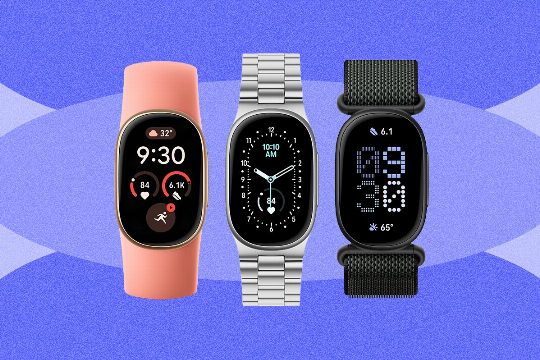
Display and Comfort
The Edge's 1.34-inch display is a notable improvement over the screenless Fitbit Air and Charge 6. The Edge's dimensions (39.2 x 25.5 x 11.5 mm) are slightly larger than the Charge 6's (36.73 x 23.09 x 11.20 mm), but its capsule shape is more comfortable and fits better on the wrist. The Edge comes with various bands, including the Active Band, HNBR Active Sport, Performance Loop, Silicone Magnet, and Metal Links. The Metal Links band is preferred for night out or formal settings, while the Performance Loop is best for everyday wear. The Performance Loop's micro-adjustable fit makes it easy to get a precise fit, but it can occasionally pop loose and the locking mechanism feels less secure than expected.
Battery Life and Connectivity
The Edge offers up to seven days of battery life, surpassing the Pixel Watch's battery life. It is compatible with both iOS and Android, unlike the Pixel Watch. The Edge's compatibility with Google Health Premium is a significant advantage, as it allows for more detailed health tracking features. The Edge also includes 24/7 heart rate tracking, cardio load metrics, and atrial fibrillation (AFib) detection, making it a more capable fitness tracker.
Health and Fitness Features
The Edge's health and fitness features are extensive and include monthly blood pressure and insulin resistance trends, 24/7 heart rate tracking, cardio load metrics, and an updated ECG app with atrial fibrillation detection. The Edge also offers nutrition logging, and if you use a continuous glucose monitor (CGM), you can view glucose insights. However, most features are locked behind Google Health Premium, which costs $10 per month or $100 annually.
Conclusion
The Google Fitbit Edge is a significant upgrade over the Fitbit Charge 6, offering a larger display, improved battery life, and enhanced health tracking features. Its compatibility with Google Health Premium and the availability of various bands make it a versatile option. However, the Edge's compatibility with Google Health Premium remains a deciding factor for many. For those looking for a more capable fitness tracker with detailed health tracking features, the Edge is a strong contender. For those who prefer a more minimalist approach, the Fitbit Air remains a strong option.