
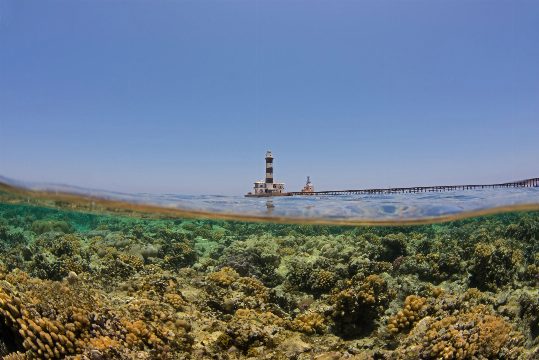
Coral reefs around the world have suffered from massive bleaching events due to rising water temperatures, but the coral ecosystems in Egypt’s Red Sea have offered a glimmer of hope. These corals have proven to be unusually resilient to the warming waters, and some scientists predict that they could become the last remaining corals on Earth if the oceans continue to heat up. This resilience is a subject of intense study, as scientists seek to understand what makes these corals so hardy. Here are some key points to consider for protecting these remarkable ecosystems.
Resilience and Evolutionary History:
Scientists have identified several factors contributing to the resilience of Egypt’s Red Sea corals. One of the most compelling explanations is their evolutionary history. Corals in the northern Red Sea are believed to have spread into the region through the Bab al-Mandab Strait, where they encountered cooler waters. This allowed heat-tolerant species and genotypes to survive and spread northwards into the cooler waters. Another factor is the water circulation patterns in the northern Red Sea. These patterns create vertical mixing, bringing cooler water from below to the surface, which may be protecting the corals from the heat.
**Actionable Tips for Protecting Corals:*
- Support Conservation Efforts: Organizations like the Hurghada Environmental Protection and Conservation Association (HEPCA) play a crucial role in monitoring and protecting coral reefs. Supporting these organizations financially or by volunteering your time can make a significant difference.
- Reduce Your Carbon Footprint: Climate change is the primary driver of ocean warming. Reducing your carbon footprint by conserving energy, using public transportation, and supporting renewable energy sources can help mitigate the effects of climate change on coral reefs.
- Be a Responsible Tourist: When visiting coral reefs, choose eco-friendly tours and practices. Avoid touching or stepping on the coral, and do not use sunscreen with oxybenzone, as it can harm coral reefs. By being a responsible tourist, you can help protect these delicate ecosystems.
Understanding the factors behind the resilience of Egypt’s Red Sea corals can provide valuable insights for protecting other coral ecosystems around the world. By supporting conservation efforts, reducing your carbon footprint, and being a responsible tourist, you can help ensure that these remarkable corals continue to thrive for generations to come.