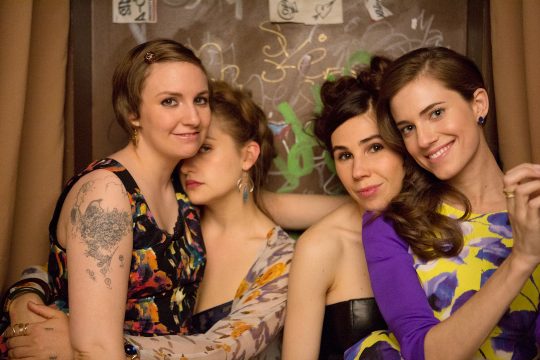
Lena Dunham's 'Girls' is making a comeback, thanks to a resurgence of interest from Gen Z. The show, which originally aired in 2012, has been reinvigorated by a new generation of viewers who missed it the first time around. To truly appreciate the show, it's important to understand its cultural context and core themes. Here are three standout episodes to watch, along with tips for rewatching 'Girls' with a fresh perspective. First, episode 1 of season 1, titled 'The Girl with the Melted Face,' is a standout for its commentary on body image and societal pressures. The episode features Marnie (Allison Williams) and her boyfriend Elijah (Andrew Rannells) navigating their relationship and the pressures of being a young woman in New York City. Watching this episode can help you understand the show's critique of the millennial experience and the impact of social media on young women's lives. Next, episode 3 of season 2, titled 'The Girl Who Wasn't There,' is a must-watch for its exploration of gender and identity. This episode delves into the complex relationship between Shoshanna (Zosia Mamet) and her friend Marnie, as well as the character's internal struggles with her sexuality and identity. This episode is a perfect example of how 'Girls' uses humor and satire to tackle serious issues. Finally, episode 5 of season 3, titled 'The Girl Who Wasn't There (Again),' is a poignant finale that ties together the show's themes of identity and self-discovery. This episode features a reunion between Shoshanna and Marnie, as well as a touching moment between Shoshanna and her ex-boyfriend Elijah. Watching these episodes can help you appreciate the show's nuanced portrayal of its characters and its commentary on the millennial experience. To truly appreciate 'Girls,' it's important to understand the show's cultural context and its impact on popular culture. The show's revival is a testament to the enduring relevance of its themes and characters. By watching these standout episodes, you can gain a deeper appreciation for the show and its impact on popular culture.