

The Problem: Rotational Movement and Concussions
For decades, cycling helmets have been tested for their ability to protect against direct impacts. However, research indicates that the real danger lies in how your head twists violently upon impact. This rotational movement can cause brain injuries, including concussions. Consumer Product Safety Commission (CPSC) still relies on this outdated method, despite evidence showing that rotational forces are just as harmful, if not more so, than direct impacts.
The Solution: MIPS and Beyond
Recognizing the need for a more comprehensive approach, the cycling industry developed the Multidirectional Impact Protection System (MIPS) in 2007. This system, now a common feature on premium helmets, addresses both linear and rotational impacts. Virginia Tech further advanced helmet safety by introducing the helmet STAR ratings in 2018, testing beyond the legal minimum and measuring both types of impacts.
Introducing Pikio Si Oblik: A Game-Changer
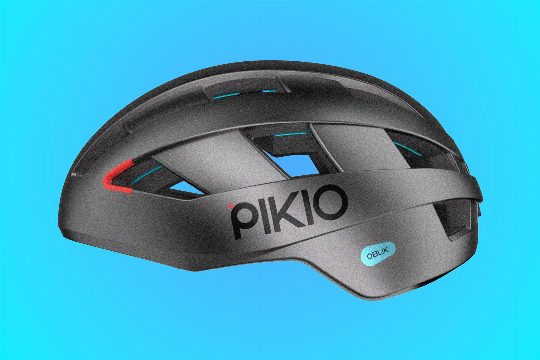
Pikio Si Oblik, a Vancouver startup, has taken helmet safety to new heights. Its Oblik system, inspired by the woodpecker's ability to withstand impacts, breaks down the foam structure into independent sections. These sections move independently or detach if the helmet sustains a serious impact, significantly reducing the twisting force transmitted to the head. This innovative design, which is 2. 21 points lower than the previous best, has earned it a 4. 61 score, placing it comfortably ahead of competitors.
The Oblik system differs from other helmet technologies. It uses flexible connection points to separate foam sections, allowing for independent movement and detachment. This design helps manage both linear and rotational impact energy more effectively than traditional helmet systems. For instance, the Oblik system can deform, deflect, and detach depending on the impact's intensity, location, and direction, unlike MIPS, which relies on a low-friction layer moving up to 15 millimeters during the first 5 to 10 milliseconds of an impact.
Real-World Performance
Pikio Si Oblik's real-world performance has been impressive. The company offers a 30% discount on replacement helmets if they can obtain the damaged helmets from previous owners. So far, they have replaced four helmets, each of which has proven invaluable in keeping riders safe. The helmet's weight, at 279 grams in medium size, is respectable, though not class-leading. The dial-to-fit cradle comfortably hugs the head without pinch points, and the 17 air vents keep the wearer cool. The magnetic Fidlock fastening under the chin, though not used, is a minor feature that weighs around 13 grams, compared to a buckle at 4 grams.
Conclusion: A Future of Innovation
Pikio Si Oblik's success in the cycling industry is a testament to its innovative approach to helmet design. While it may not have the same "cool factor" as some other brands, it offers a reliable and safer option. As the company moves forward with a second design and explores potential partnerships, its impact on the cycling industry is likely to continue growing. Whether Pikio Si Oblik becomes a major helmet brand, a technology supplier, or both, its contribution to improving helmet safety is undeniable. The company's journey is a reminder that sometimes, the most effective solutions come from those who are not afraid to think differently and innovate.
Comments