

Understanding Premium Bottled Water: A Comprehensive Overview
Water, once simple, has been transformed into a complex product by the premium bottled water industry. The industry now differentiates bottled water based on its source, such as glacial, iceberg, volcanic, spring, mineral, and alkaline water. Restaurants also offer water menus, and trained water sommeliers assess bottles based on their mineral composition, mouthfeel, and origin. At the extreme end, Svalbarði Polar Iceberg Water sells Arctic water for up to €100 per bottle.
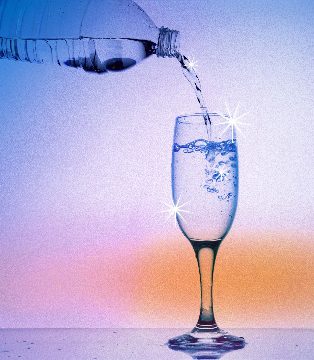
The category's growth is driven by both verifiable differences and carefully constructed associations. Water can contain different minerals, which can change its taste. However, claims about purity, alkaline pH, and remote natural sources can also create the impression that expensive water must be healthier. According to Michael Mascha, founder of FineWaters, prices often reflect remote sourcing and difficult transport rather than superior health benefits. Luxury water is better understood as a dining experience rather than a more effective source of hydration.
Does Expensive Water Hydrate You Better?
There is no established evidence that luxury water hydrates an otherwise healthy person better simply because it is more expensive or comes from a celebrated source. True hydration is about consuming enough water to replace daily losses, regardless of brand status or origin. According to Lucy Semerjian, associate professor of environmental science and technology at the University of Sharjah, true hydration is about consuming enough safe water to replace the fluid the body loses, with its chemical and microbial composition remaining within safe limits.
The Role of Minerals in Water
Minerals are responsible for some of the genuine differences between waters. As water travels through soil and rock, it can absorb calcium, magnesium, bicarbonate, sodium, and other dissolved substances. Their type and concentration depend partly on the geology surrounding the source. These minerals are already dissolved into ionized forms, meaning the gastrointestinal tract can absorb them. Mineral water can therefore contribute to a person’s calcium or magnesium intake, although its nutritional significance depends on the concentration, the quantity consumed, and the rest of that person’s diet. However, the word "mineral" does not tell consumers how much of any particular nutrient is present.
While minerals may not transform hydration, they can transform taste. Some waters taste very light because they have very low mineral content. Iceberg and some glacial waters can also fall towards the low end of the Total Dissolved Solids (TDS) scale, producing a relatively light or neutral taste. At the other end, water containing upwards of 2,000mg of mineral content can have a noticeably heavier mouthfeel and a stronger flavor. Individual minerals can introduce salty, bitter, chalky, or slightly sweet characteristics. The differences are real, but the leap from "tastes different" to "is healthier" usually begins with marketing.
The most consequential thing about a bottle of water may not be the water itself. Premium brands often use glass packaging, reinforcing the perception that the water is both luxurious and protected from the concerns surrounding plastic. Plastic bottles are sensitive to thermal stress, UV radiation, or extended storage times, particularly in hot climates. This can increase the migration of substances from PET into the water. Glass is not an entirely plastic-free solution; a 2025 study found microplastics in beverages packaged in glass. The glass itself was not identified as the main source, and researchers traced many of the particles to the painted coating on metal bottle caps, which could become scratched as the caps rubbed together during storage. The study does not prove that glass packaging is more dangerous than plastic. It demonstrates that changing the bottle material does not eliminate every other potential source of plastic exposure.
Conclusion
In conclusion, premium bottled water is often marketed as healthier and more luxurious, but the evidence does not support these claims. True hydration is about consuming enough safe water to replace daily losses, and the nutritional value of bottled water is not reliably determined by its price or source. Consumers should look at the mineral content and taste profile of the water, rather than its price or packaging material, when making a decision about which water to consume.
Comments