

Introduction
The General Services Administration (GSA), tasked with managing federal government's IT services and real estate assets, has seen significant changes in its office environment. In January 2025, the agency faced substantial workforce cuts and plans to sell hundreds of federal office buildings, all in the wake of changes made by Elon Musk's so-called Department of Government Efficiency (DOGE). This article explores the impact of these changes on GSA's new office.
The Relocation
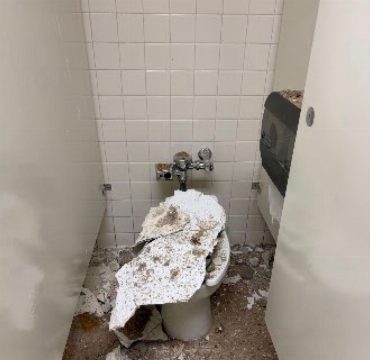
About 1,600 federal employees were forced to relocate from their office on F Street in Washington, DC, to the Theodore Roosevelt Federal Building, which houses staff from the Office of Personnel Management (OPM). Workers report issues such as mice, a caved-in bathroom ceiling, and cloudy drinking water. These conditions have led to significant concerns about the safety and reliability of the new office environment.
The Impact of DOGE
DOGE, led by Elon Musk, has significantly impacted the federal workforce since January 2025. The department effectively fired tens of thousands of workers and forced those who remained to adhere to in-person schedules and, in some cases, zero-based budgeting. GSA, which manages IT services and real estate assets for the federal government, was one of the first agencies to feel the effects of these changes.
The New Office Environment
Workers in the new office at the Theodore Roosevelt Federal Building have reported encountering issues such as a caved-in ceiling in the men’s bathroom, a dead mouse caught in a trap, and cloudy drinking water. The situation has prompted workers to fill up water bottles and run the water for 5-10 seconds before consumption. These issues have raised concerns about the safety and reliability of the new office environment, leading to a sense of uncertainty among the workforce.
GSA leadership, including administrator Ed Forde, has informed employees that they should expect to work in the OPM building until December 2028. The prior office, located at 1800 F Street, is undergoing extensive renovations. The initiative is part of a broader government-wide effort to reduce underutilized space and fortify the federal real estate footprint. Despite Musk himself stepping back from his public role in the Trump administration, DOGE affiliates have continued working in government, embracing austerity measures and AI initiatives. Some have returned to the private sector, working in AI, data centers, and manufacturing.
Conclusion
The relocation to the Theodore Roosevelt Federal Building has brought significant challenges to the GSA's new office. Issues such as mice, a caved-in ceiling, and cloudy drinking water have raised concerns about the safety and reliability of the new office environment. As the agency continues to navigate these challenges, it remains to be seen how the situation will evolve in the coming months.
Comments