
Introduction to Google Home Frustrations
Google Home, a decade into its lifecycle, has never felt more precarious, especially for those who have invested heavily in the Google ecosystem. This guide aims to provide a comprehensive understanding of the issues faced by users, particularly those who have chosen Google Home as their primary smart home platform.
Understanding the Google Home Ecosystem
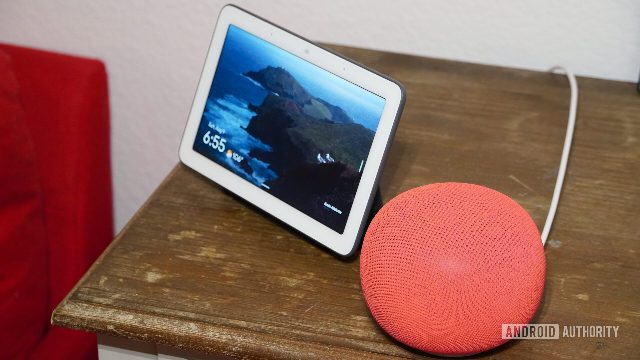
Google Home is part of a broader ecosystem that includes a variety of devices and services, all integrated under the Google Home app. This ecosystem is built around the Google Assistant, a virtual assistant designed to control and interact with various smart home devices. The Google Home app serves as the central hub for managing these devices, allowing users to control lights, thermostats, security cameras, and other smart home features.
Key Features and Limitations
Google Home devices come in various form factors, including smart speakers and smart displays. These devices are equipped with a range of features, such as voice commands, integration with other Google services, and compatibility with third-party devices. However, users often report issues with connectivity, voice recognition accuracy, and the overall reliability of the system.
Connectivity and Stability Issues
One of the most common frustrations reported by users is the instability of the Google Home system. Connectivity problems, including dropped connections and frequent disconnections, are prevalent. These issues can be exacerbated by environmental factors such as interference from other wireless devices or physical obstructions. Additionally, the system's reliance on Google's servers for processing voice commands and controlling devices can lead to delays or failures, particularly during peak usage times.
Voice Recognition and Accuracy
Another significant issue is the accuracy and reliability of voice recognition. Users often report that the Google Assistant struggles to understand commands, especially in noisy environments or when using multiple Google Home devices in a single room. This can lead to frustration and wasted attempts to communicate with the system. Moreover, the system's ability to recognize and respond to commands from multiple users simultaneously can be problematic, especially in households with children or guests.
Third-Party Device Compatibility
While Google Home devices are designed to work seamlessly with Google services, compatibility with third-party devices remains a challenge. Users often encounter difficulties in controlling devices from other manufacturers or integrating their existing smart home systems with Google Home. This limitation can be particularly frustrating for users who have invested in a diverse range of smart home devices.
Conclusion
Google Home, despite its decade-long presence in the smart home market, continues to face significant challenges in terms of stability, voice recognition, and third-party device compatibility. This guide aims to provide a deeper understanding of these issues and offer practical solutions to help users navigate the frustrations associated with Google Home. By addressing these challenges, users can potentially enhance their overall smart home experience and reduce the overall frustration associated with the Google Home ecosystem.
Tags
Google Home, Smart Home Ecosystem, Google Assistant, Voice Recognition, Third-Party Device Compatibility