
Introduction
Tesla's electric semi has finally arrived, nearly a decade after its initial concept. The company's CEO, Elon Musk, has shifted the company's focus to robotics and autonomous vehicles, aiming for a $20 trillion valuation.
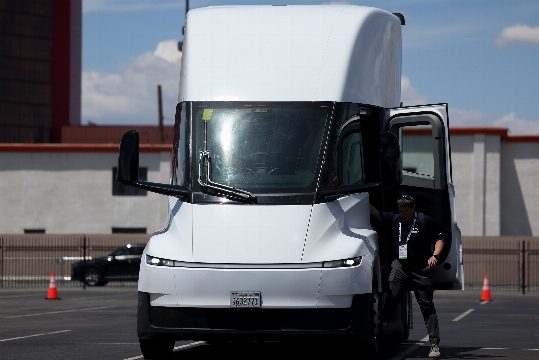
The Tesla Semi Concept
The concept of the Tesla Semi was first introduced in late 2017. Tesla officially launched high-volume production at a livestreamed but invite-only event at the company's factory, targeting cost-conscious trucking fleets.
Key Features of the Tesla Semi
- Range: The long-range version of the Semi can travel an estimated 500 miles per charge, which is around the average number of miles traveled by US long-haul truckers each day. The standard version can travel an estimated 325 miles per charge.
- Cost: Electric semis can cost two to three times more upfront compared to traditional diesel vehicles. Tesla plans to open 30 public chargers by the end of the year.
- Charging Infrastructure: Electric semis require a countrywide network of specialized megawatt chargers that can fill large batteries in hours. Tesla's website shows two such public chargers operating in the LA area.
- Market Position: While electrics account for nearly 30 percent of heavy-duty truck sales in China, they have had a slow start in the US. Manufacturers struggle to make electric vehicles competitive with their traditional diesel-burning counterparts.
Challenges and Opportunities
- Federal Support: The Trump administration and the GOP cut billions in federal support for electric vehicles last year. The administration is also working to lower fuel economy standards for truck engines.
- Economic Factors: US diesel prices hit record highs this month as the Iran War continues to disrupt oil production and shipping in the Middle East. The cost of electricity is much less than the cost of diesel, especially in these crazy times.
Market Response
An alliance of shippers, including Microsoft and PepsiCo, placed a record-setting order for 2,500 Tesla Semis, to be delivered starting this year and through the next 18 months. If those trucks reach customers, they would nearly double the number of heavy-duty electric trucks on US roads today.
Conclusion
Despite the challenges, it's not a bad time to be an EV-maker. Tesla's electric semi has the potential to disrupt the trucking industry, and the company's focus on full self-driving technology will likely change the game in the future.