

Introduction
Plastic pollution is a pervasive issue in marine ecosystems, affecting a wide range of species. Recent research has uncovered a new form of pollution: plastic fusing with corals. This phenomenon, termed 'plasticoral,' was discovered in the Ryukyu Islands, southern Japan. The discovery raises concerns about the long-term impacts on coral reef ecosystems.
Discovery and Initial Findings
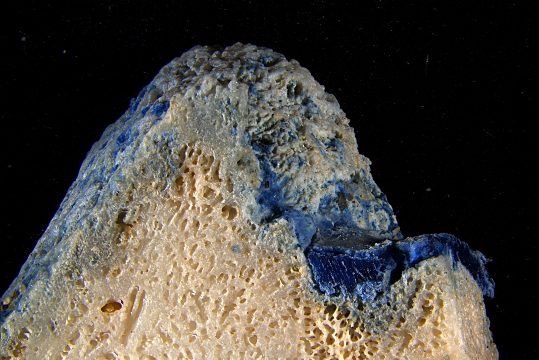
Scientists observed small, brightly colored spots embedded in the white coral gravel during a survey of the beaches. Upon collecting samples from three beaches on Okinawa, spectroscopic analysis revealed polymers derived from common household plastics. Micro-CT scans confirmed that these polymers had melted into the microscopic pores of coral fragments, integrating them so thoroughly that they could no longer be separated.
Previous Discoveries and Context
While plastic has been found entangled with nonliving objects like rocks, this is the first time it has been discovered fusing with living organisms, specifically corals. In 2019, another study found a thin layer of degraded plastic coating mussels and large algae, termed 'plastiskin.
Potential Impacts
The integration of plastic with coral could have significant implications for the coral's health and the ecosystem it supports. Previous research has shown that some chemicals from common plastics can inhibit coral reproduction and carry pathogens to corals. The exact mechanisms by which plastic fuses with corals remain unclear, though researchers suggest beach bonfires could be a contributing factor.
Future Research and Concerns
Further investigation is needed to confirm the extent and mechanisms of this phenomenon. Given the ubiquity of plastic as a pollutant, it's not unlikely that fires in seemingly pristine areas are creating unintended fusions. This discovery underscores the importance of reducing plastic waste and the need for more research into the long-term impacts of plastic pollution on marine ecosystems.
Conclusion
The discovery of 'plasticoral' highlights the ongoing challenges of marine pollution and the need for continued research and action to address this issue. As plastic waste continues to accumulate in our oceans, it's crucial to understand how it interacts with marine life, including corals, to better protect these vital ecosystems.
Comments