

Introduction
The iconic cactus, known for its ability to thrive in harsh desert conditions, is now under threat from climate change. A new study in the journal Nature reveals that nearly 1,000 cactus species are at risk due to habitat loss, poaching, and worsening droughts. Conservation ecologist Michiel Pillet explains that cacti, while seemingly resilient, are facing significant challenges as global temperatures rise and dry spells intensify. The study, which leverages citizen science data, highlights the complex impacts of drought on cacti, including reduced reproduction and sublethal effects on growth and mortality.
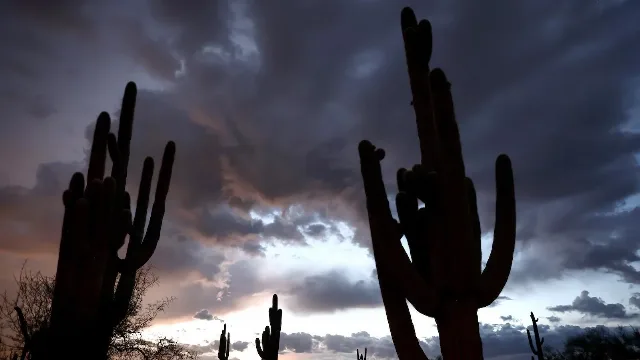
Drought and Its Impacts
Cacti rely on seasonal monsoon rains to survive, but climate change is altering this delicate balance. The study models a future of relentless rising temperatures and dry spells, predicting that the majority of cactus species will lose habitat by 2100. This is particularly concerning as cacti are already facing habitat loss and poaching for private collections.
Sublethal Effects of Drought
Cacti are not just dying from lack of water; they are experiencing sublethal effects, such as reduced growth and increased mortality. These effects are compounded by other stressors like habitat loss and poaching. The study emphasizes the importance of understanding the full range of impacts on cacti, including their reproductive cycles and life stages.
Habitat Loss and Poaching
In addition to drought, cacti are also threatened by habitat loss and poaching. Habitat loss can be caused by urbanization, agriculture, and other human activities. Poaching, where cacti are collected for private collections, is a significant threat to cactus species.
Other Stressors
Climate change is not the only threat to cacti. Higher nighttime temperatures are also problematic, as they make it difficult for cacti to respire and avoid water loss. Rising sea levels have led to the local extinction of the Key Largo tree cactus in Florida, highlighting the interconnectedness of different environmental stressors.
Conclusion
As climate change continues to impact cacti, it is crucial to understand the full range of threats they face. By addressing habitat loss, poaching, and other stressors, we can work towards preserving these iconic plants and the ecosystems they support. The study’s findings underscore the importance of ongoing research and conservation efforts to ensure the survival of cactus species in the face of climate change.
Comments