

Uber’s Autonomous Vehicle Strategy: Balancing Innovation with Regulation
A decade ago, then-Uber CEO Travis Kalanick emphasized the existential threat autonomous vehicles posed to the ride-hail company's business model. Since then, Uber has pivoted its strategy to become a platform for human and robot drivers, partnering with major robotaxi players and lobbying for hybrid network regulations. In New Jersey, Uber’s lobbyists have pushed for a three-year requirement that 85% of rides be driven by humans, effectively limiting autonomous vehicle developers and protecting Uber’s market position. In Washington, DC, Uber has advocated for hybrid networks to ensure a smooth transition for both technology and human drivers. Waymo, Zoox, and Tesla have expressed concerns about these proposals, with Waymo specifically opposing efforts to limit AVs to specific types of networks. Uber’s hybrid network strategy aims to balance innovation with regulatory concerns, as the company seeks to navigate the complex landscape of autonomous vehicle regulations.
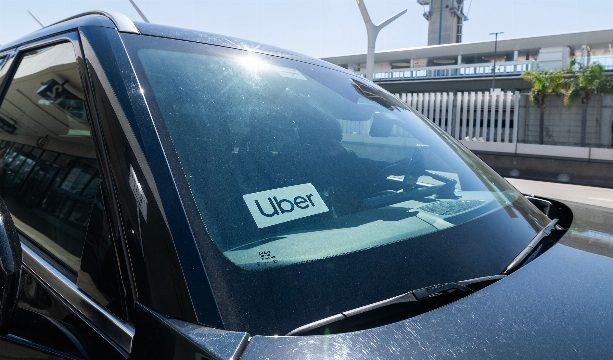
Hybrid Networks: A Bridge Between Human and Autonomous Drivers
Uber’s hybrid network strategy is designed to bridge the gap between human and autonomous drivers. This approach allows for a gradual transition where human drivers continue to play a critical role, ensuring that businesses and jobs powered by human drivers remain viable. According to Uber’s policy paper, a phased transition to driverless vehicles will protect riders, drivers, and cities themselves. The hybrid networks model, as proposed in New Jersey and Washington, DC, ensures that human drivers will continue to have a role in the years ahead, aligning with Uber’s broader strategy of promoting autonomous vehicles while maintaining a supportive environment for human drivers.
Regulatory Challenges and Industry Partnerships
The regulatory landscape for autonomous vehicles is complex, with different states and cities implementing varying levels of autonomy. Uber’s lobbying efforts are part of a broader strategy to navigate these regulatory challenges. In New Jersey, Uber’s hybrid network proposal would limit the operation of autonomous vehicle developers, including Waymo, Zoox, and Tesla, effectively forcing them onto another ride-hail platform. In Washington, DC, Uber’s hybrid network proposal seeks to ensure that ride-hail companies like Uber can participate in the autonomous vehicle program alongside AV companies that run their own apps. The company’s hybrid network strategy is designed to balance innovation with regulatory concerns, as Uber seeks to promote autonomous vehicle technology while maintaining a supportive environment for human drivers.
Waymo and Zoox’s Concerns
Waymo specifically opposes efforts to limit autonomous vehicles to specific types of networks, arguing that different types of networks should operate freely. Zoox, however, did not respond to a request for comment. These concerns highlight the tension between Uber’s hybrid network strategy and the broader industry, as different players have varying interests and priorities.
Conclusion
As autonomous vehicle technology continues to evolve, it is likely that hybrid networks will play a crucial role in shaping the future of ride-hailing services, ensuring a smooth transition for both technology and human drivers. The success of these strategies will depend on how well they address the regulatory challenges and maintain a supportive environment for both autonomous and human-driven vehicles.
Comments