

Introduction
During the 2022 FIFA World Cup, a unique sight caught the attention of fans and commentators: Portuguese forward Pedro Neto played with the back of his cleats cut off, right above the heel. This modification was not accidental; it was intentional to alleviate discomfort in a particularly sensitive area of his foot. Although this image went viral, it is not a new phenomenon. Professional soccer players have been modifying their cleats in this manner for years to reduce friction and discomfort in the heel area.
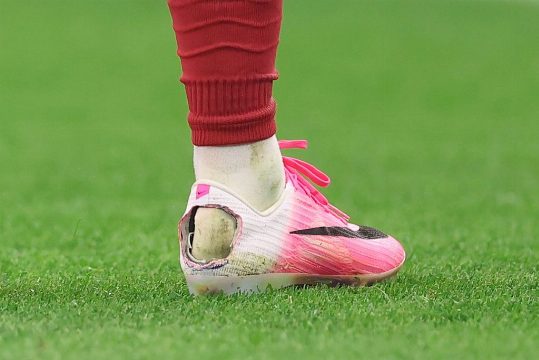
Causes of Heel Discomfort
Heel discomfort in soccer players can stem from various causes. These range from simple issues such as chafing and blisters to more serious conditions like tendon inflammation and chronic conditions such as bone deformities that result in a larger heel. Among the most frequently cited explanations for heel discomfort during the 2022 World Cup was Haglund's syndrome. This condition involves a bony growth or prominence on the back of the heel bone that can rub against the Achilles tendon, causing pain and inflammation.
Haglund's Syndrome
Haglund's syndrome, also known as Haglund's deformity, is a bony prominence on the back of the heel bone that can cause friction and pain. It is often associated with insertional Achilles tendinopathy, a condition where the Achilles tendon inserts into the heel bone. This condition can be exacerbated by tight-fitting shoes, such as those used in sports, and can lead to discomfort when wearing closed-toe shoes.
Treatment for Haglund's syndrome often involves modifying footwear. Players are advised to wear cushioned shoes and avoid tight-fitting ones, such as those used for sports. Protective heel pads can also be used. Since soccer cleats are required by regulation, they cannot be replaced, but they can be modified.
Comments