

The Seismic Doublet: A Rare Phenomenon in Venezuela
Venezuela experienced a seismic doublet on June 24, with two earthquakes of magnitude 7.2 and 7.5 occurring just 39 seconds apart. The first earthquake struck in Yaracuy, followed by a more intense one in the same region. This doublet caused significant damage, particularly in buildings, due to the short interval between the earthquakes and the shallow depth of the quakes. The resulting seismic waves traveled far, affecting regions as far as Colombia, Brazil, and the Caribbean islands of Aruba, Bonaire, and Curaçao. The technical explanation behind this phenomenon lies in the interaction between the Caribbean Plate and the South American Plate, which is characterized by parallel movement. This interaction is rare but not impossible, as it can occur anywhere in the world where there is interaction between tectonic plates.
The Impact on Buildings
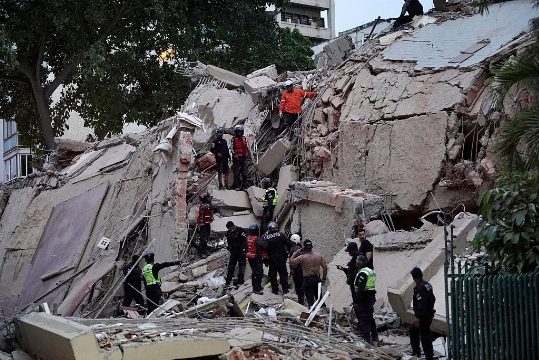
The impact on buildings was significant, with many sustaining damage from the first earthquake. However, the second earthquake, occurring just 39 seconds later, amplified the damage due to the phenomenon of resonance. This occurs when the natural period of vibration of a building matches part of the energy released by the earthquake, significantly amplifying the structure's movement. This is akin to a glass shattering when hit at the right frequency. The short interval between the earthquakes meant that buildings were not given the opportunity to be reinforced, inspected, or repaired, leading to their failure. This is exemplified by the collapse of the San Miguel building in Altamira, where walls broke away and fell, and a building swayed like a pendulum.
The Role of Structural Engineers
Structural engineers like Alan Damián Sánchez Pulido from the Ibero-American University of Mexico specialize in assessing structural damage. He explains that the interaction between the Caribbean and South American plates in Venezuela is characterized by parallel movement, which is different from regions like Mexico, where the Cocos Plate subducts beneath the North American Plate. This parallel movement can lead to the occurrence of earthquakes of significant magnitude, as seen in Venezuela.
Preventing Future Damage
To prevent future damage from seismic doublets, it is crucial to design buildings with natural periods of vibration that do not match the frequency of the energy released by the earthquakes. This can be achieved through proper design and construction practices, including the use of materials that can withstand seismic activity and the implementation of building codes that account for the region's seismic activity.
Conclusion
Venezuela's seismic doublet of 2023 highlights the importance of understanding the technical aspects of earthquakes and the role of structural engineers in assessing and mitigating damage. It also underscores the need for proper design and construction practices to ensure buildings can withstand seismic activity, reducing the risk of collapse and saving lives.
Comments