

Introduction to Smart Plugs
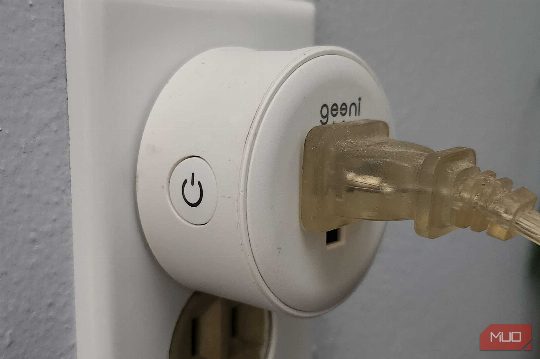
Smart plugs are a cost-effective way to modernize old appliances. By connecting a smart plug between an appliance and the wall, you gain features such as remote switching, schedules, voice controls, and energy monitoring. However, smart plugs can only control power on and off, not perform more complex actions like pressing buttons or adjusting dials. Before automating, ensure the appliance restarts correctly after a power outage.
Air Conditioners
Air conditioners offer the biggest payoff and risk when paired with a smart plug. Before installing, check the plug's motor rating and ensure it's suitable for high-power motor loads like air conditioners. Pair your smart plug with a temperature and humidity sensor and automation system like Home Assistant to control the AC based on room conditions.
Fans with Knobs
Fans with rotary speed knobs are ideal candidates for smart plug automation. Set a preferred speed and use the plug for scheduling, voice commands, geofencing, or temperature-based control. Energy monitoring can also help diagnose issues with the fan's speed.
Humidifiers
Basic humidifiers can be upgraded with a smart plug by setting a dead band for the humidity sensor. This prevents rapid switching while staying within the EPA's recommended range. However, a smart plug cannot detect an empty tank or clean the reservoir. Keep the humidifier's low-water protection enabled and follow its cleaning instructions.
Air Purifiers
Pair an older air purifier with a smart plug and an independent PM2. This allows the purifier to respond to actual air quality changes, reducing indoor pollution. Choose models with mechanical controls or power-loss memory, as they can reliably restart after a power outage.
Coffee Makers
Drip coffee makers with a physical switch can be automated to start brewing shortly before your alarm. Pair the machine with a smart plug and schedule it to turn on in the morning. Ensure the machine is clean and undamaged and the manual allows timer-style operation. Use a firm automatic shutoff to prevent the warming plate from staying powered all day.
Conclusion
Select appliances that resume safely after a power outage and preserve their built-in safeguards. Use sensors to make these automations genuinely smart, allowing appliances to react to conditions rather than blindly follow a clock. With the right setup, you can enhance the functionality and energy efficiency of your old appliances with smart plugs.
Comments