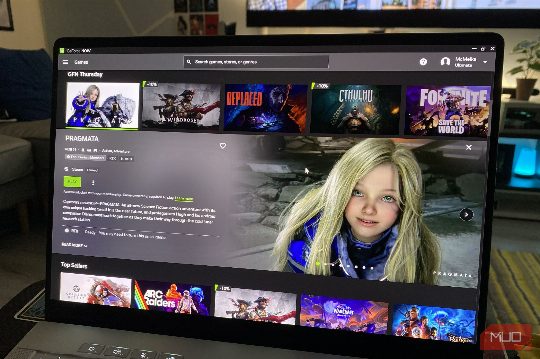
Cloud gaming has been a concept in the tech industry for years, but its practical implementation has only recently become feasible. Initially, the idea of playing games remotely from a distant server was a distant dream, hindered by geographical restrictions, slow internet speeds, and a limited selection of games available for remote play. This guide will explore the current state of cloud gaming, its potential, and the challenges it faces in becoming a mainstream service. Understanding these aspects is crucial for both gamers and tech enthusiasts who are eager to see cloud gaming evolve into a more accessible and reliable service. ### What is Cloud Gaming? Cloud gaming involves the streaming of video game content from a remote server to a user's device over the internet. The server processes the game and sends the output to the user's device, which then displays the game. This approach allows users to play games without the need for a powerful gaming PC or console. ### Key Components of Cloud Gaming 1. Server Infrastructure: The backbone of cloud gaming is the server infrastructure. These servers are typically located in data centers and are designed to handle the high demands of gaming. The server's capacity, processing power, and internet connectivity are critical factors in the overall performance of the service. 2. Internet Speed and Latency: For cloud gaming to work effectively, the internet connection between the user's device and the server must be fast and stable. High latency, or the time it takes for data to travel between the server and the user's device, can significantly impact the gaming experience. 3. Game Library: The availability of games on the cloud gaming platform is another crucial factor. The more games available, the more appealing the service becomes. However, the selection of games is often limited compared to traditional gaming platforms. ### Challenges and Limitations Despite the potential of cloud gaming, several challenges hinder its widespread adoption. 1. Cost: Cloud gaming services often require a subscription or a one-time fee to access the service. The cost can be prohibitive for some users, especially those who only play games occasionally. 2. Performance Issues: Latency and internet speed issues can lead to lag, frame drops, and other performance problems. These issues can significantly impact the gaming experience. 3. Privacy and Security: Cloud gaming services often require users to share their device information and internet data. This can raise concerns about privacy and security. 4. Compatibility: Not all devices are compatible with cloud gaming services. Users may need to upgrade their hardware or use specific devices to fully enjoy the service. ### Future Prospects and Opportunities Despite the challenges, the future of cloud gaming looks promising. With advancements in technology, such as faster internet connections and more powerful server infrastructure, the performance of cloud gaming services is expected to improve. Additionally, the growing interest in gaming and the increasing availability of high-speed internet connections are driving the adoption of cloud gaming. As cloud gaming services continue to evolve, they may offer more games, better performance, and more competitive pricing, making it a more attractive option for gamers. ### Conclusion Cloud gaming represents a significant shift in the gaming industry, offering a new way to experience games without the need for powerful hardware. While it is still in its early stages, the potential for cloud gaming is vast. As the technology matures and the industry addresses the challenges, cloud gaming could become a more accessible and reliable service for gamers around the world. However, it remains to be seen whether cloud gaming will fully replace traditional gaming platforms or coexist with them. Understanding the current state of cloud gaming and its potential is crucial for both gamers and tech enthusiasts who are interested in the future of gaming technology.