

Introduction
The Raspberry Pi is often the go-to choice for a home server, but it comes with a suite of accessories that can add up. In contrast, an old Android phone can serve as a home server with fewer components. This guide explores how you can use an old phone to set up a home server, highlighting its advantages and limitations.
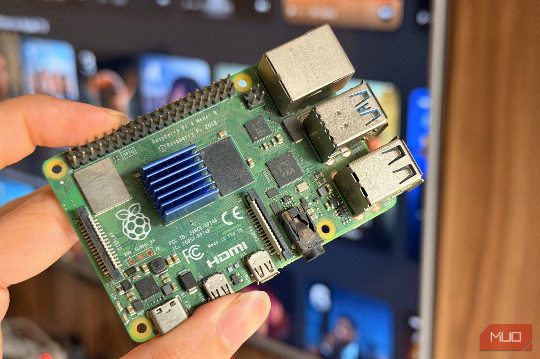
Storage and Power
An old Android phone can serve as a home server due to its built-in storage and power capabilities. The phone's microSD card is already included, eliminating the need for an external microSD card. Additionally, the phone's battery can provide backup power, which is particularly useful for short outages.
Hardware and Software
An old Android phone can run a variety of applications and services, including DNS sinkholes, lightweight web servers, and personal document clouds. It also has a touchscreen, on-screen keyboard, and vibration feedback, making it a versatile device. Moreover, Android provides camera APIs, audio permissions, and sensor access, enabling the phone to function as an IP camera, baby monitor, intercom, and more.
Cost-Effective
Using an old Android phone as a home server can be a cost-effective alternative to a Raspberry Pi. The phone already comes with storage, a touchscreen, battery-backed power, and audiovisual hardware, making it a complete system. This eliminates the need for additional accessories such as microSD cards, power supplies, and cases.
Simplicity
An old Android phone is already an appliance, with its board, antennas, battery, ports, cameras, and thermal spreaders inside a purpose-built shell. This makes it easy to set up and use, without the need for additional assembly or configuration.
Limited Features
While an old Android phone can serve as a home server, it lacks some advanced features that a Raspberry Pi offers. For example, the Raspberry Pi's Camera Module 3 can add a 12MP autofocus sensor via a ribbon cable, whereas the phone's camera hardware is separate and not as flexible. Additionally, the phone's battery can be a source of frustration, as it may not last as long as a new battery.
Background Restrictions
Android's background restrictions can make it frustrating to use an old phone as a home server, especially for 24/7 operations. The phone's battery may also be a source of frustration, as it can be drained quickly, leading to interruptions in service.
Conclusion
Using an old Android phone as a home server can be a cost-effective and simple solution for those looking to set up a home server. While it lacks some advanced features, it can still serve as a reliable and versatile device. However, it's important to be aware of its limitations and to consider whether it's the right choice for your needs.
Comments