
Building a home server is a rewarding project that can be done with a variety of spare parts. If you have been building PCs for a while, you are likely to accumulate some spare components, such as extra RAM, a partially functional motherboard, or a spare CPU. These parts can be combined to create a home server, often at a significantly lower cost, especially if you purchase used components. Here are the core components you need to consider, along with standout recommendations and actionable tips for creating your own home server.
Core Components:
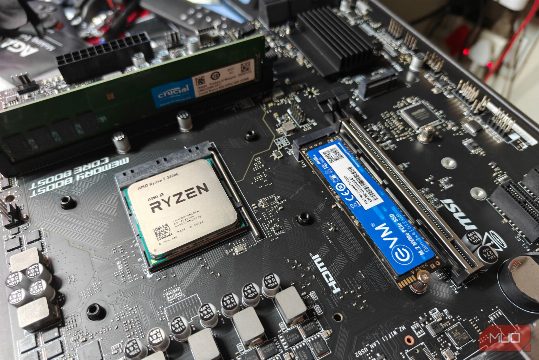
- CPU and Motherboard: The CPU is a crucial component, as it determines the future upgrades and hardware capabilities of your server. For example, if you choose a Ryzen 3400G CPU, you will need a motherboard compatible with the AM4 socket. It's important to select a motherboard that offers enough expansion slots, such as an X570 board, which provides full PCIe 4.0 support. This ensures reliability and reduces the risk of PCIe bandwidth bottlenecks.
- Power Supply Unit (PSU): The PSU is another critical component that can fail over time, especially if it is older. It's best to avoid buying used PSUs, as they carry a high risk of failure. Instead, opt for a new PSU that is compatible with your motherboard and has a good warranty.
- Storage: For a home server, you will need a sufficient amount of storage. While it's generally not recommended to buy storage secondhand, you can do so if you are in a tight budget. However, always perform stress tests on the device and ensure the seller has an assurance policy. For a bare minimum, a terabyte of storage is recommended.
Standout Recommendations:
- Choose a High-Quality Motherboard: Select a motherboard that supports PCIe bifurcation, ensuring you have enough expansion slots for future upgrades. This is especially important if you plan to add multiple GPUs or other expansion cards.
- Invest in a New PSU: Avoid used PSUs, as they carry a high risk of failure. Instead, invest in a new PSU that is compatible with your motherboard and has a good warranty.
- Monitor Storage Quality: While it's not recommended to buy storage secondhand, if you must, ensure that the storage device passes stress tests and that the seller has an assurance policy. For a bare minimum, a terabyte of storage is recommended.
Actionable Tips:
- Research Your Components: Before purchasing any components, research their compatibility and quality. Look for reviews and seller feedback to ensure you are making an informed decision.
- Test Your Components: Before assembling your server, test each component individually to ensure they are functioning properly. This will help you catch any issues early and avoid a failed build.
- Plan for Future Upgrades: Consider the future needs of your home server and plan for potential upgrades. This will ensure your server remains functional and useful for years to come.
Building a home server is a fun and rewarding project that can be done with a variety of spare parts. By following these recommendations and actionable tips, you can create your own home server that meets your needs and is reliable for years to come.