

Introduction
When you initially set up your home audio system, you may have added a subwoofer to enhance the low-frequency response. However, in some cases, disabling your subwoofer can lead to a more refined and accurate audio experience. This guide will explore how turning off your subwoofer can improve your music playback, focusing on the benefits and considerations of doing so.
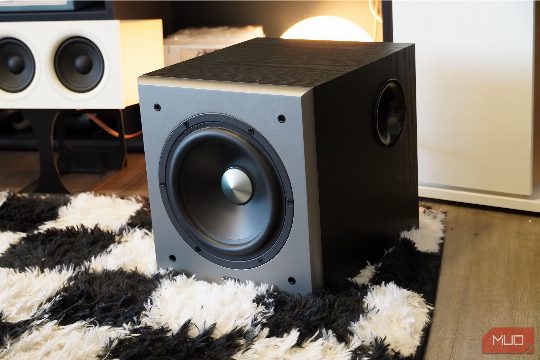
The Benefits of Disabling Your Subwoofer
Disabling your subwoofer can have several advantages, particularly when you have full-range speakers and an analog music source.
Improved Bass Response
Full-range speakers are designed to cover the frequency range commonly found in stereo music recordings, from bass to treble. By using only your speakers, you can eliminate the need for a subwoofer, which often introduces unnecessary digital signal processing and can cause timing issues.
Enhanced Detail and Clarity
When you disable your subwoofer, your speakers can focus on midrange and high-end frequencies, resulting in a cleaner and more detailed audio experience. This can be especially noticeable when playing music, where the nuances and dynamics of the recording are more apparent without the added complexity of a subwoofer.
Pure Analog Sound
If you have an AV receiver with pure analog mode, you can enjoy the analog signal from your source device (like a turntable) without any digital processing. This can lead to a more pristine and natural sound, as the signal remains in its original analog form from the time it leaves your source device to the time it reaches your speakers.
Considerations and Potential Drawbacks
While disabling your subwoofer can offer significant benefits, there are also considerations and potential drawbacks to keep in mind:
If you have a subwoofer, it can be beneficial for setups with bookshelf speakers or rooms with acoustic issues. However, if you have full-range speakers and a clean room environment, you may not need a subwoofer to achieve optimal sound quality.
A subwoofer's performance can vary widely. If your subwoofer is slow or unable to match the quickness of your speakers, it can cause timing issues and affect the overall sound quality. Proper phase settings and crossover settings can help mitigate these issues, but a fast and tight pair of speakers will generally sound better than a set of speakers paired with a slow subwoofer.
Conclusion
Disabling your subwoofer can lead to a more refined and detailed audio experience, especially when playing music. By focusing on the midrange and high-end frequencies, your speakers can deliver a more accurate and natural sound. While there are potential drawbacks to consider, the benefits of pure analog sound and the enhanced clarity of your speakers make this a worthwhile consideration for many audiophiles.
Comments