
Introduction to Surveillance Cameras on MapQuest
MapQuest, the mapping service, has recently added a new feature that has garnered significant attention: the ability to display the locations of surveillance cameras, including automated license plate readers (ALPRs). This feature was requested by users and has sparked a discussion on privacy and the potential misuse of these technologies.
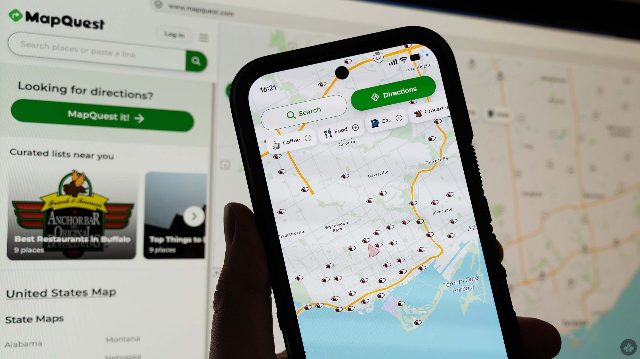
Surveillance Layer on MapQuest
MapQuest now offers a 'surveillance layer' that users can activate, which features an animated eye icon at the locations of ALPRs. This layer is part of the company's efforts to address the growing concern over the use of surveillance cameras, particularly in the United States where they are increasingly being used for predatory behavior, such as targeting innocent individuals and recording children.
ALPRs and Their Use
Automated license plate readers are used by police to identify stolen vehicles, locate missing persons, and catch criminals. However, their use has also raised concerns about privacy and misuse. In the United States, companies like Flock are using ALPRs for surveillance purposes, which has led to public outcry and calls for regulation. The White House is also using these cameras for widespread surveillance, adding to the concerns.
Surveillance Camera Locations on MapQuest
MapQuest's surveillance layer includes cameras from various companies, such as Flock, Genetec, PlateSmart, Neology, and Verkada. The locations are sourced from crowd-sourced data from OpenStreetMap. Other tools for mapping ALPRs, such as panopti.ca and flockcameralocations.com, have also emerged.
Privacy Concerns and Regulation
The introduction of surveillance cameras on MapQuest has raised concerns about privacy and the potential misuse of these technologies. As more surveillance cameras are installed and used, it is crucial to address these concerns through proper regulation and oversight. Users should be aware of the locations of these cameras and consider their privacy settings accordingly.
Conclusion
MapQuest's decision to display surveillance camera locations on its platform has sparked a broader conversation about privacy and the proper use of surveillance technology. As technology continues to evolve, it is essential to ensure that these tools are used responsibly and ethically, with appropriate oversight and regulation in place to protect individual privacy rights.