

Understanding the Data Drain
In a recent incident, a user on X platform reported that his parents' Keurig coffee machine consumed a staggering 1TB of data in less than two weeks after connecting to their home network. The user, who goes by NomadsGalaxy, was so frustrated that he unplugged the machine immediately. This incident sparked widespread amusement and disbelief, but it also highlighted a critical issue with smart home appliances and data usage.
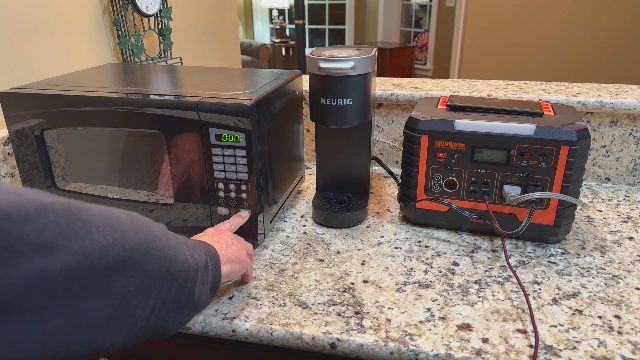
Standard Smart Kitchen Appliances vs. Heavy Data Usage
While most users assume that standard smart kitchen appliances require only minimal bandwidth for tasks like pinging servers or checking for updates, a terabyte of data usage can be comparable to heavy-duty 4K game downloads or cloud server backups. The Keurig coffee machine, in particular, is a high-end appliance with robust features, including Wi-Fi-enabled BrewID technology that recognizes specific K-Cup pods and customizes extraction settings.
The Keurig Coffee Machine’s Features
The Nomad’s K-Supreme SMART Single Serve Coffee Maker by Keurig features several advanced functionalities. It employs MultiStream Technology, which uses five distinct needles instead of one to ensure even coffee grounds distribution for a more full-bodied flavor. The machine accommodates various cup sizes, from 4 to 12 ounces, and is travel mug-friendly due to its movable 66-ounce water reservoir. It also offers customizable settings, including five strength levels and six temperature options, with a dedicated Brew Over Ice mode that adjusts temperature and size to prevent heavy dilution.
Despite the machine's advanced features, Nomad discovered that the 1TB of data usage was not due to external factors. Instead, it was caused by an internal software loop or router broadcast bug specific to that unit. The machine broadcasted 1TB of local data traffic, but the majority of it never left his home network. This suggests that the issue might be related to the machine's internal software or the router's broadcast behavior.
The Question of Smart Home Integration
The incident raises a pertinent question about the value of integrating smart home appliances, such as a coffee machine, into daily routines. While smart home integration is intended to streamline daily routines, it also introduces potential risks. In this case, the user's home network was overwhelmed by the machine's data usage, leading to a significant bandwidth issue.
As technology continues to advance, smart home appliances will become even more integrated into our daily lives. However, it is essential to consider the potential risks and ensure that these devices do not compromise our network security or cause unnecessary data usage. The incident with the Keurig coffee machine serves as a reminder that even seemingly innocuous devices can pose significant data usage issues.
Conclusion
The incident with the Keurig coffee machine highlights the importance of understanding the data usage capabilities of smart home appliances and the potential risks associated with their integration into daily routines. As technology continues to evolve, it is crucial to prioritize both functionality and security to ensure a seamless and safe smart home experience.
Comments