

The Port in Your Wall
The Ethernet port in your dorm wall is already paid for. Housing fees cover the network, and most students never use it. Universities like the University of Colorado and Arizona provide USB-C to Ethernet adapters for free. The hardware is cheap, with a 1. 0Gb USB-C adapter from Anker costing $15-$25, and a Cat6 patch cable adding under $10.
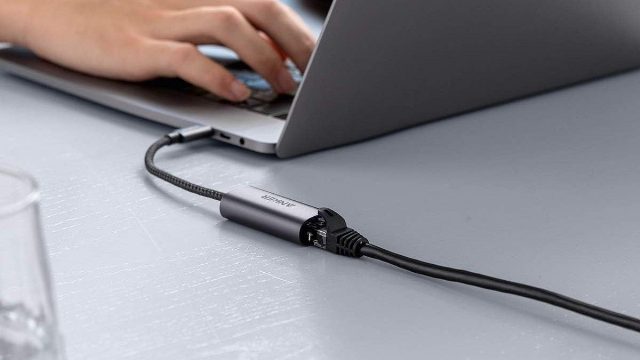
Wired Connections Are Reliable
Wired traffic doesn't compete for airtime with Wi-Fi. A wired connection remains stable, even when the network is saturated. Universities like Arizona provide a wired network that is unaffected by Wi-Fi saturation. The University of Pennsylvania, however, has skipped in-room Ethernet entirely in its newest residence hall.
Precautions and Questions to Ask
Before purchasing a USB-C to Ethernet adapter, it's crucial to confirm that the port is active and that the wired network requires registration. Universities like Arizona require a NetID login for their 802. Additionally, students should ask the housing office two questions: is the port active, and does the wired network require registration.
Applications Beyond Dorms
This solution works not only in dorms but also in houses and other crowded environments. It removes competition for Wi-Fi, ensuring stable connections for devices like smart TVs, consoles, and computers. The adapter is a version of the instinct to bring your own router, which can interfere with the campus network. The adapter takes one device off the air instead of adding another transmitter.
Conclusion
Investing in a USB-C to Ethernet adapter is a smart and cost-effective upgrade for any student's back-to-school list. It ensures a stable wired connection, especially during peak hours, and can be applied in various settings beyond dorms. It's a solution that many students overlook but should consider for a better network experience.
Comments