

Introduction to Free USB-C Cables
We all have a collection of cables, but many of us don't know what to do with them. Tech reviewers often have a drawer full of cables, and manufacturers provide free USB-C cables with new devices. However, these cables often lack the quality and specifications you expect. In this guide, we'll explore the risks associated with free USB-C cables and provide recommendations for quality cables.
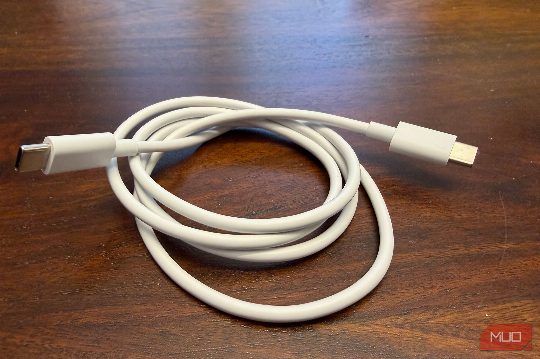
The Minimum USB-C Specifications
USB-C cables are governed by the USB Implementers Forum, which mandates a set of minimum specifications. These minimums include at least 15W charging speeds and 480Mbps data transfer speeds. However, in reality, high-end USB-C cables can achieve 240W fast charging speeds and 80Gbps of symmetrical data transfer speeds. Free USB-C cables often fall short of these standards, with some being non-compliant and lacking the Configuration Channel, a crucial part of USB-C that regulates voltage and prevents damage.
Non-Compliant USB-C Cables
Non-compliant USB-C cables are common and can be found in various forms. They often lack the necessary data lines and may only be designed for charging. These cables can be identified by their lack of the Configuration Channel, which ensures that the voltage between the device and cable is regulated, preventing potential damage. While these cables may not be a significant issue for some users, they can be a concern for others who rely on fast charging and data transfer speeds.
Quality USB-C Cables
Quality USB-C cables often come with an E-Marker chip, which identifies their precise capabilities, including data speeds, charging wattage, and manufacturer information. These cables are typically more durable and offer better performance. Apple's official USB-C to USB-C cables, for example, are made of high-quality materials and offer 60W charging speeds, but their data transfer capabilities are limited to USB 2.0 speeds (480Mbps). In contrast, the best USB-C cables can offer up to 100W charging speeds and 40Gbps of data transfer speeds.
Recommendations for Quality USB-C Cables
While free USB-C cables may seem like a convenient option, it's important to prioritize quality over cost. Quality cables are worth their premium prices, especially if you rely on fast charging and data transfer speeds. If possible, consider using USB4 or Thunderbolt cables, which offer superior performance and features. Always check the specifications of any USB-C cable you purchase to ensure it meets your needs and expectations.
Conclusion
Free USB-C cables may seem like a convenient option, but they often lack the quality and specifications you expect. By understanding the risks associated with these cables and prioritizing quality, you can make informed decisions and ensure that your devices receive the best possible performance and protection.
Comments