

Mesh networks are designed to extend and stabilize your home's wireless network by using a primary router and additional network nodes. However, the number and placement of these nodes can significantly impact network performance. Here’s a detailed guide on how to optimize your mesh network for maximum speed and stability.
Understanding Mesh Network Performance
Mesh networks use a primary router and additional nodes to cover a larger area. The primary router is typically hardwired to your modem, while the nodes connect wirelessly to the primary router. This setup is convenient but can lead to signal degradation, especially when nodes are placed too close together or in areas with interference.
Signal Degradation
When nodes connect wirelessly to the primary router, the signal degrades the further it travels. For example, if you have a 1-Gigabit network and a Nest Wi-Fi Pro system capable of handling it, the furthest node might struggle to deliver speeds above 250Mbps. This is because devices connect to the closest node, which is connected to the intermediary node, and so on. Every wireless link in the chain reduces the maximum speeds of devices far from the original network signal.
Optimal Placement and Node Count
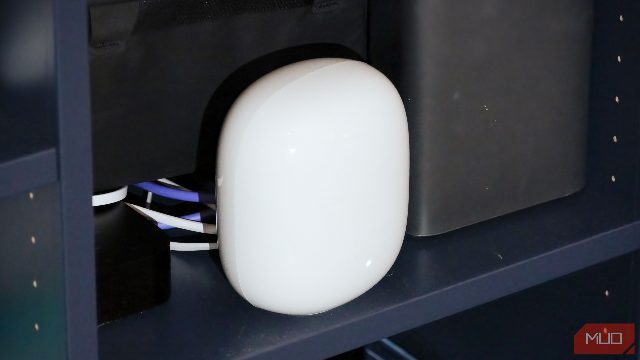
For the fastest speeds, use as few mesh nodes as possible. The primary router and additional nodes should be placed according to the manufacturer's recommendations. For instance, the Nest Wi-Fi Pro system is rated for handling 2,200 square feet of space. This is more than enough for most homes, but it's important to follow the placement guidelines to avoid signal degradation.
Follow the placement recommendations provided by your mesh network system. For example, the Nest Wi-Fi Pro system recommends using two or three nodes for optimal performance. If you have a smaller apartment with less interference and fewer obstructions, using more nodes might not be necessary. In such cases, consider running direct Ethernet cables to each individual node to eliminate wireless signal degradation.
Avoiding Interference and Overlapping Coverage
Wireless interference can hold back Wi-Fi networks, and extra mesh nodes can send more signals that can cause interference into your home. Additionally, nodes with too much overlapping coverage can confuse your devices, making it difficult for them to determine which signal to connect with. This is why it's important to avoid placing nodes in areas with poor signal strength and to ensure that nodes are not too close to each other.
Conclusion
In summary, optimizing your mesh network for maximum speed and stability involves using as few nodes as possible, following placement recommendations, and avoiding areas with poor signal strength. By adhering to these guidelines, you can ensure that your mesh network performs optimally and provides reliable coverage throughout your home.
Comments